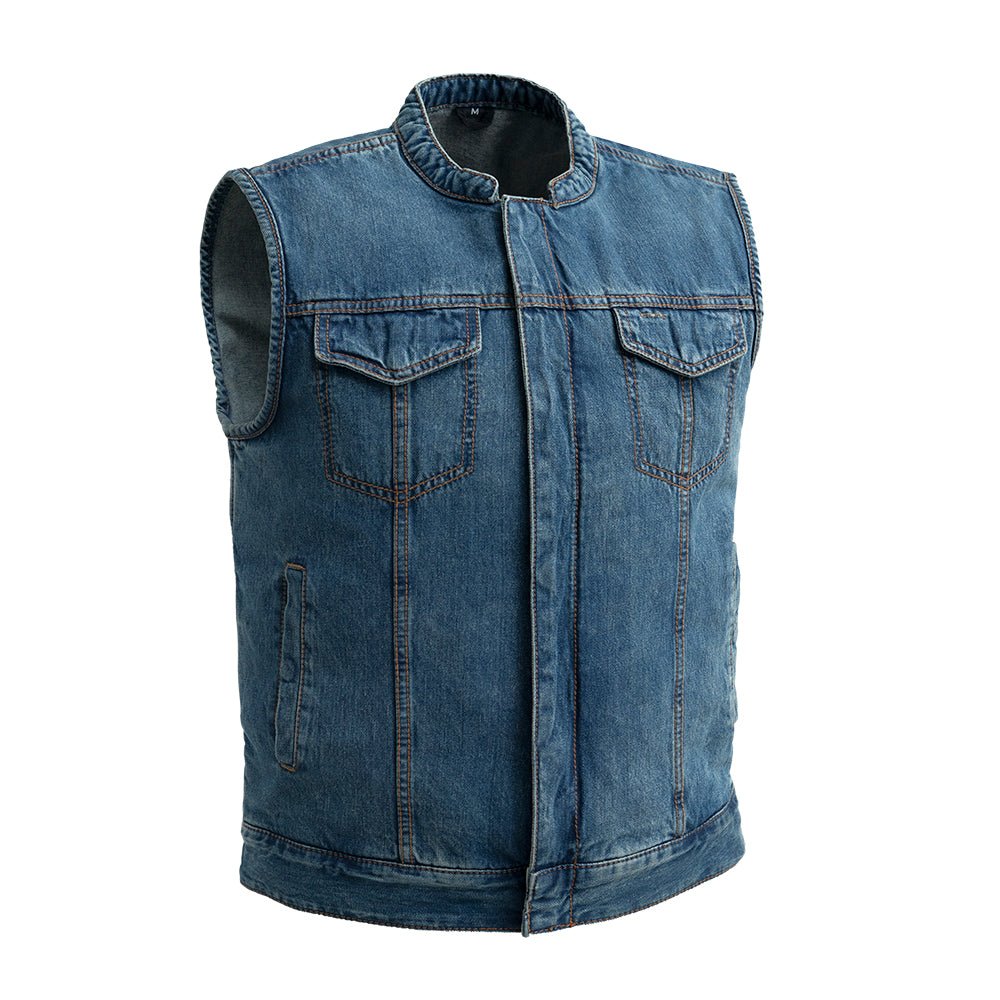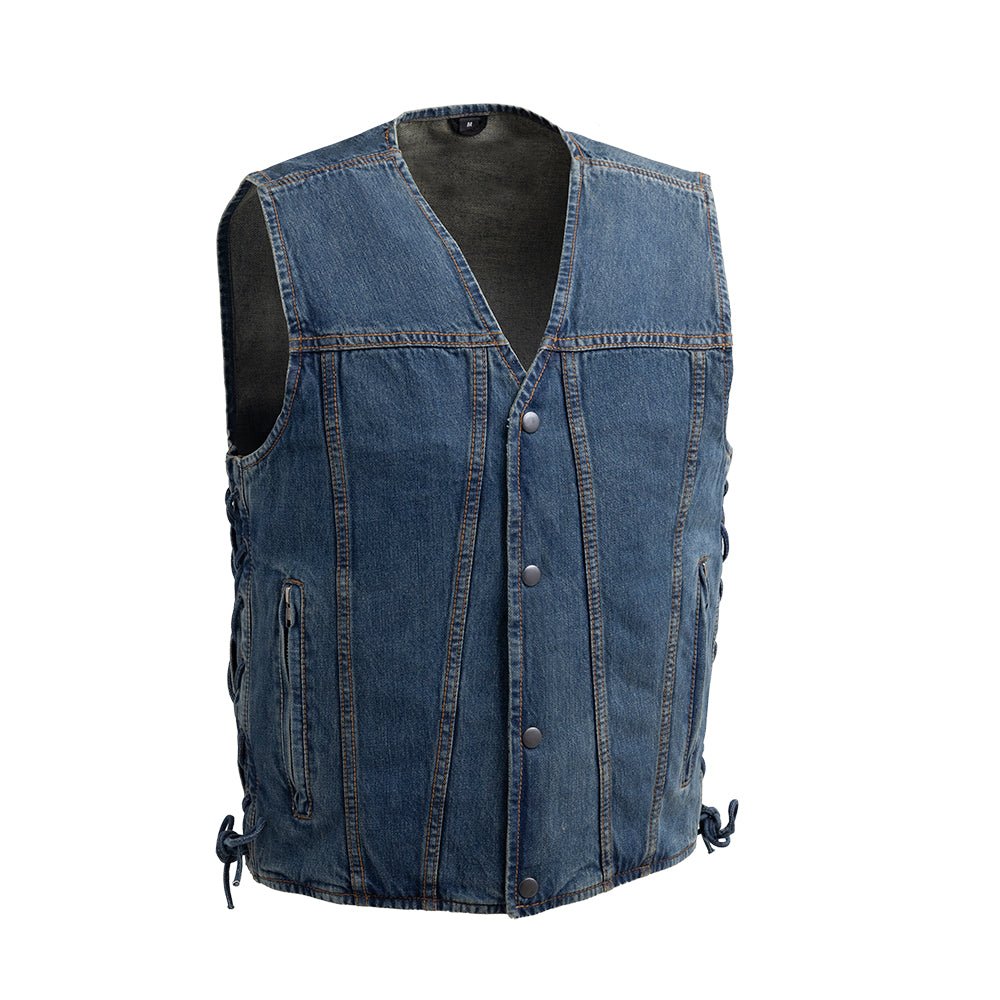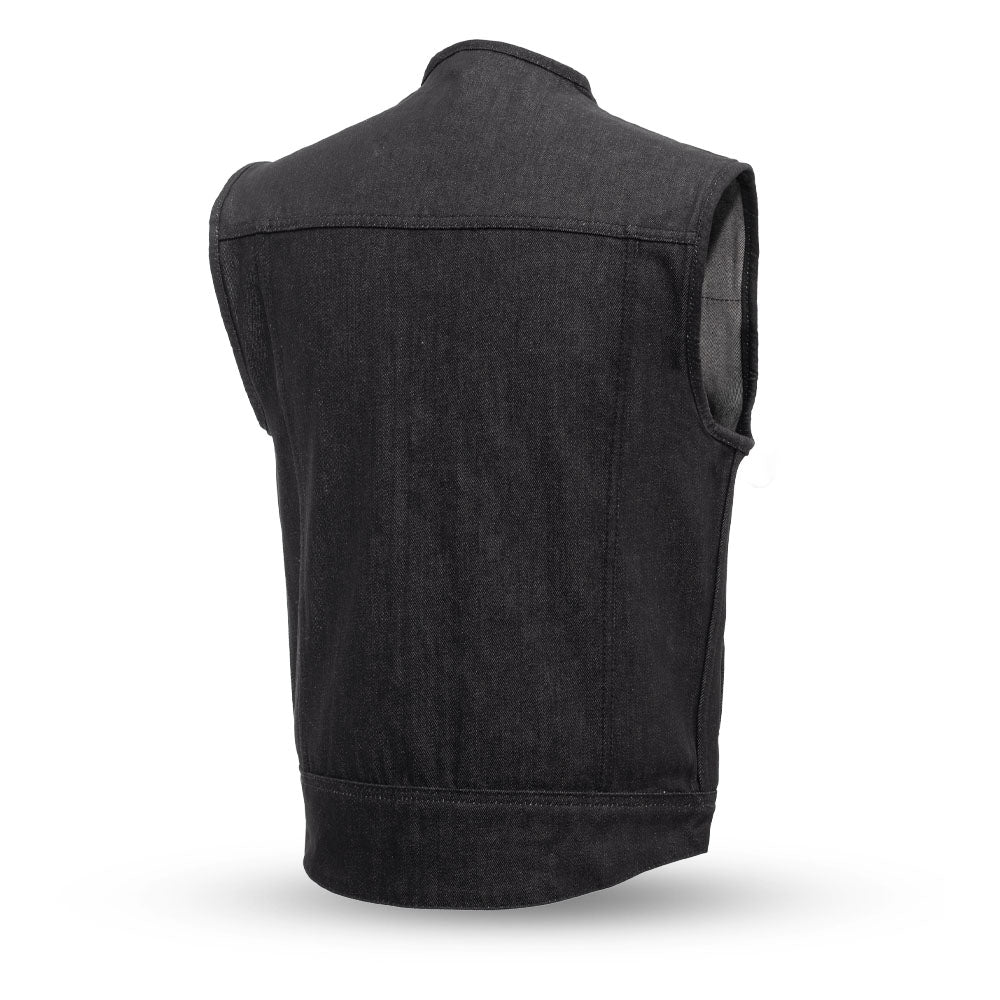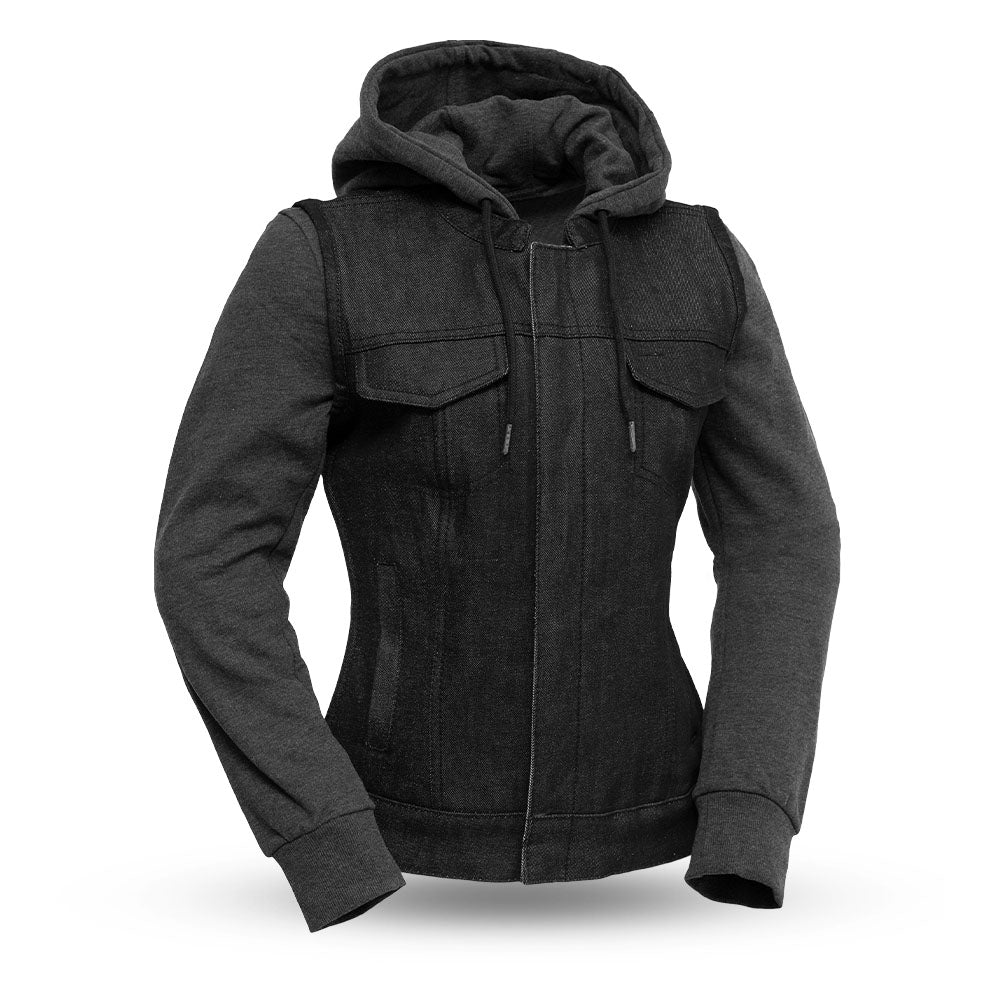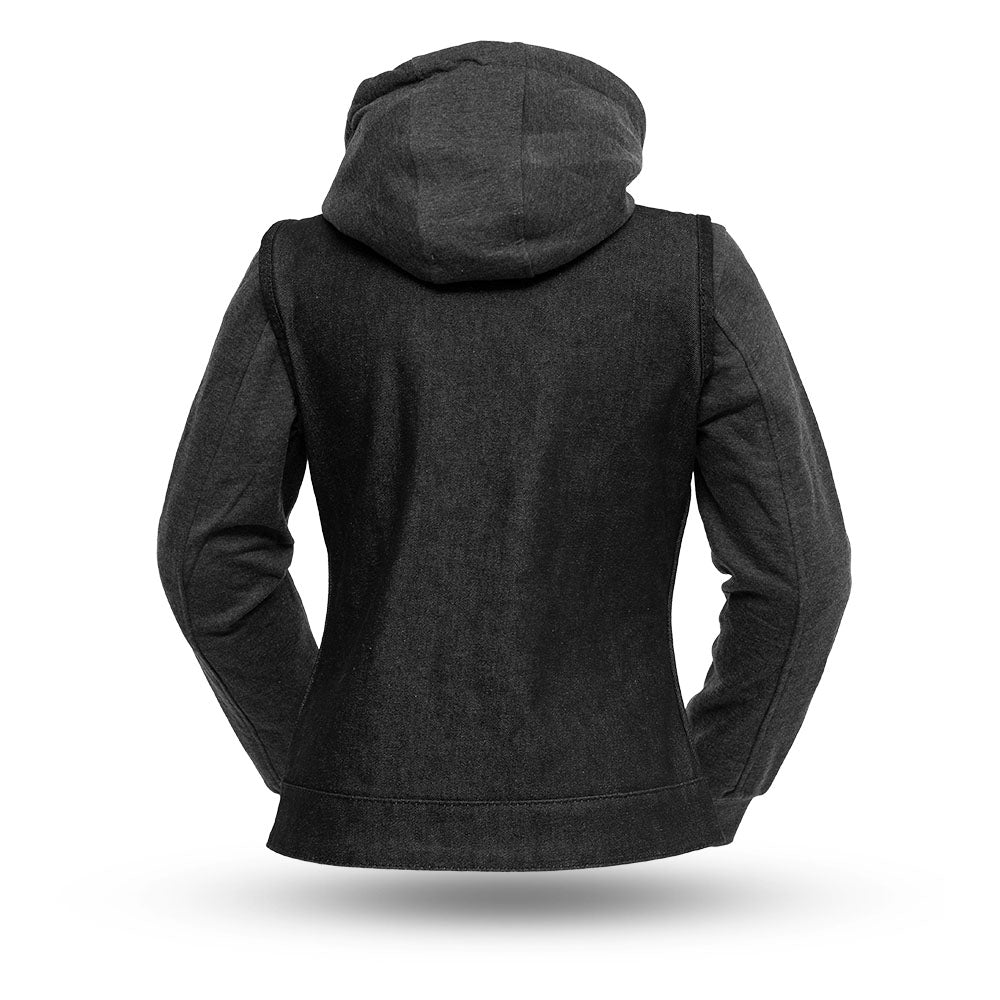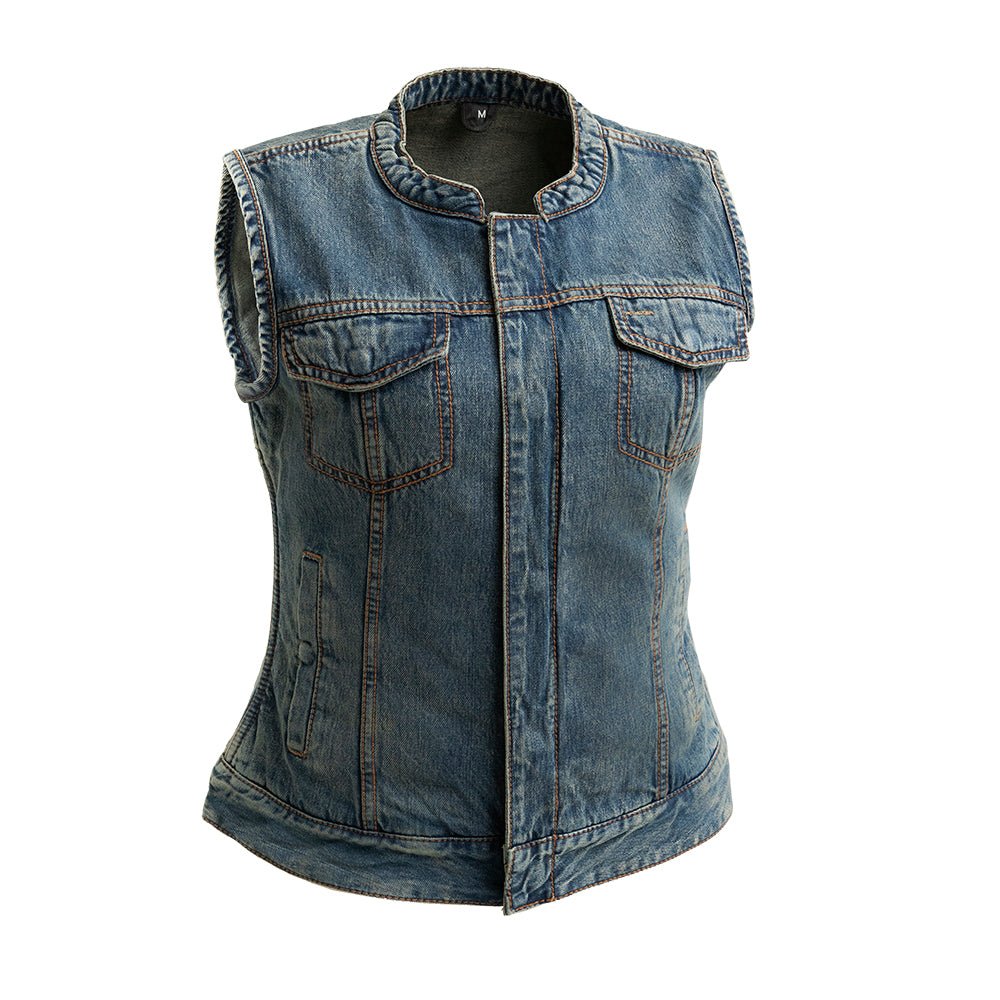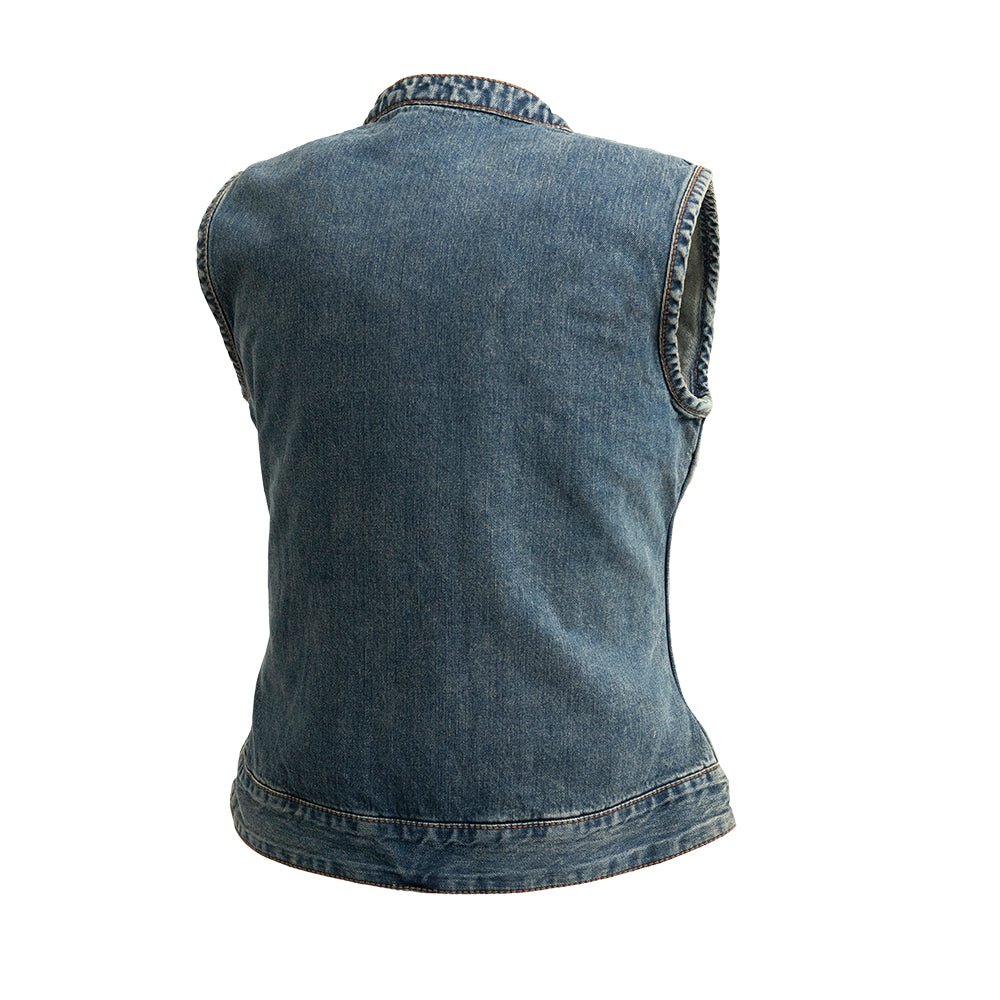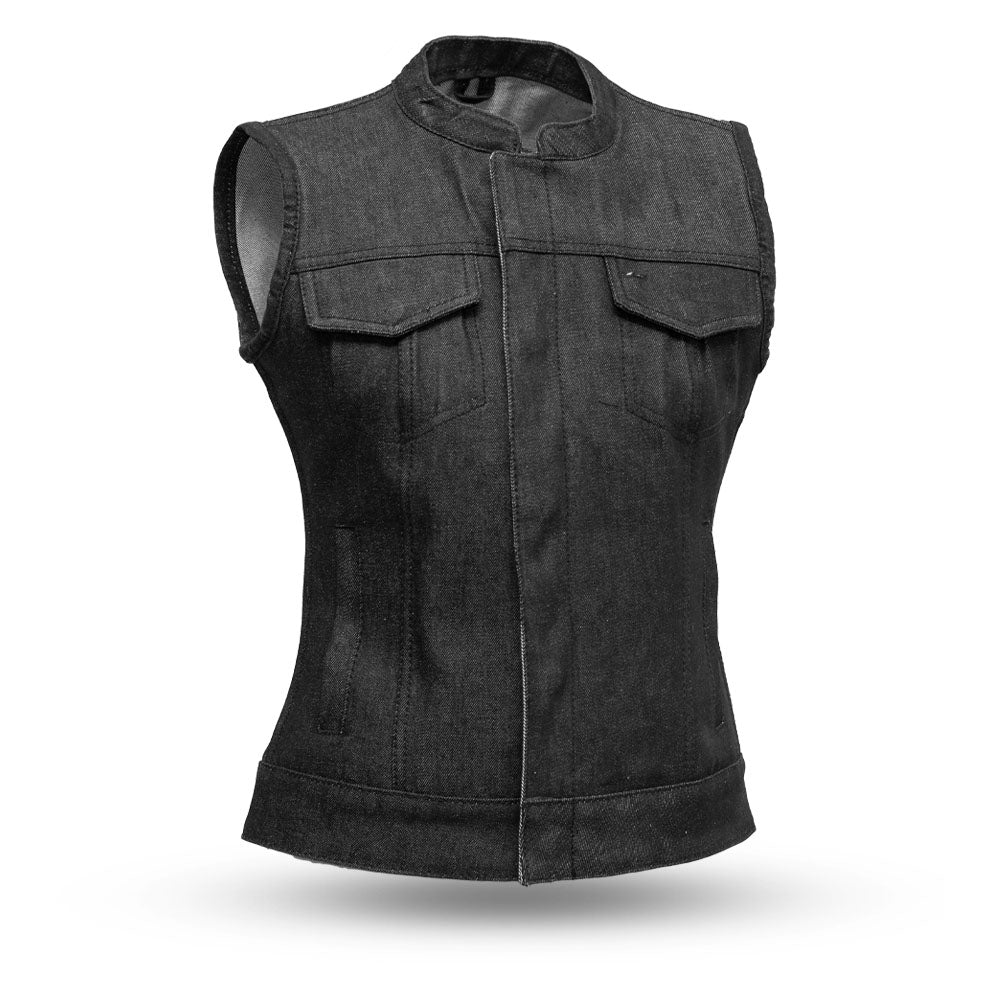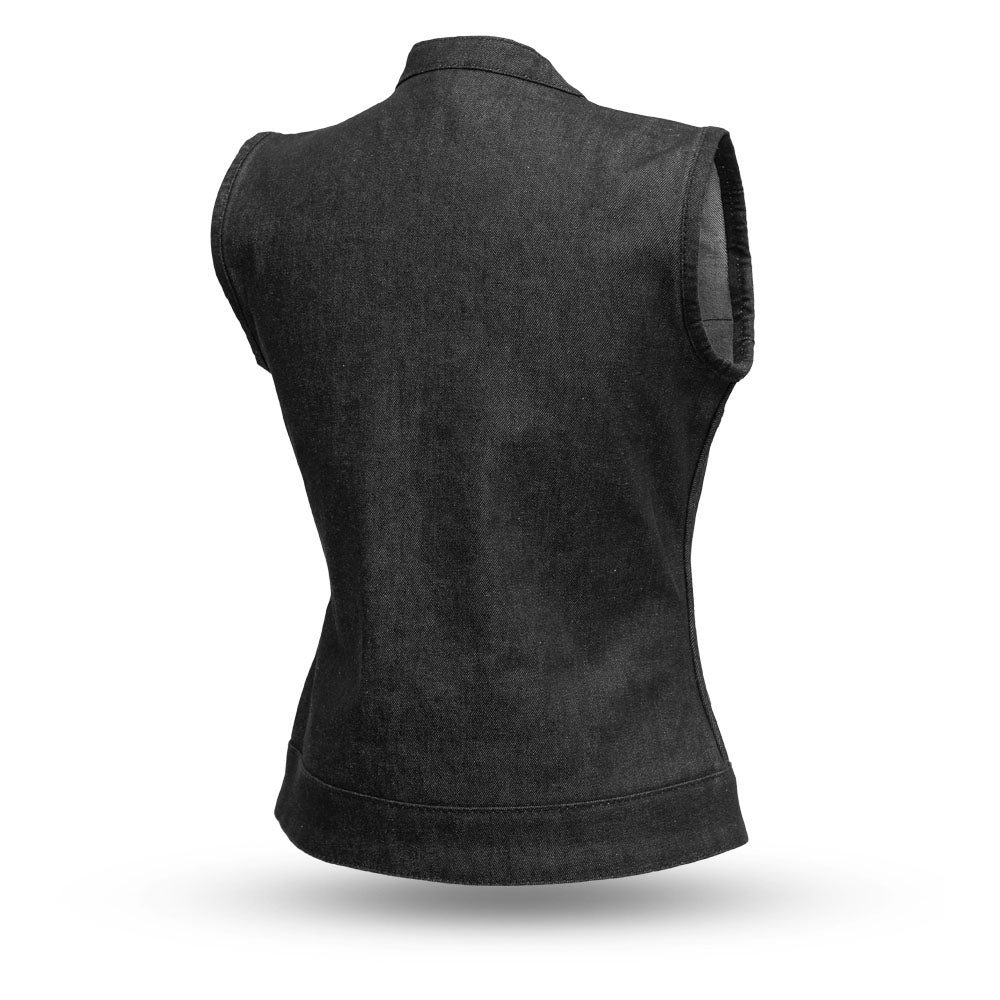
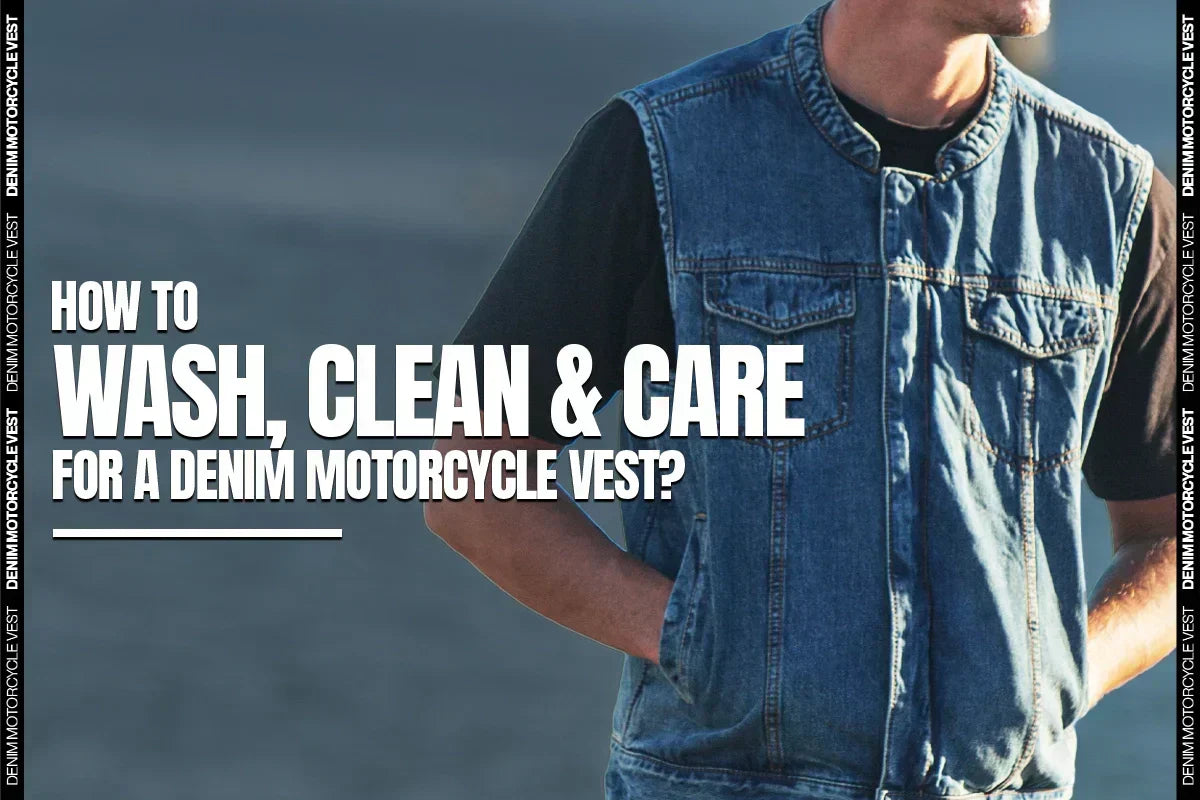
Remember that your denim vest accumulates more than miles. Things like road grime, exhaust residue, sweat from long summer rides, and occasional encounters with bugs all leave their mark on your vest. Meanwhile, patches earned through years of riding deserve protection from careless cleaning that could destroy their meaning at once.
Taking care of your denim is your responsibility. Washing and caring for denim correctly extends its lifespan significantly. This guide covers every cleaning method riders need to know and expert recommendations adapted specifically for motorcycle vest care..
Before Any Cleaning You Need Essential Preparation
Rushing straight to cleaning without proper knowledge about it can bring risks of damage. But no worries, because proper preparation can prevent the damage. Here are some key considerations you must know beforehand:
Examine Your Patches and Hardware
-
Keep in mind that different attachment methods require different care approaches. Sewn patches handle washing well, but loose stitching should receive repair before water because it can worsen the situation.
-
Iron-on patches present greater challenges. Heat and moisture weaken adhesive bonds, separating patches during washing. Consider reinforcing valuable iron-on patches with perimeter stitching before going for cleaning.
-
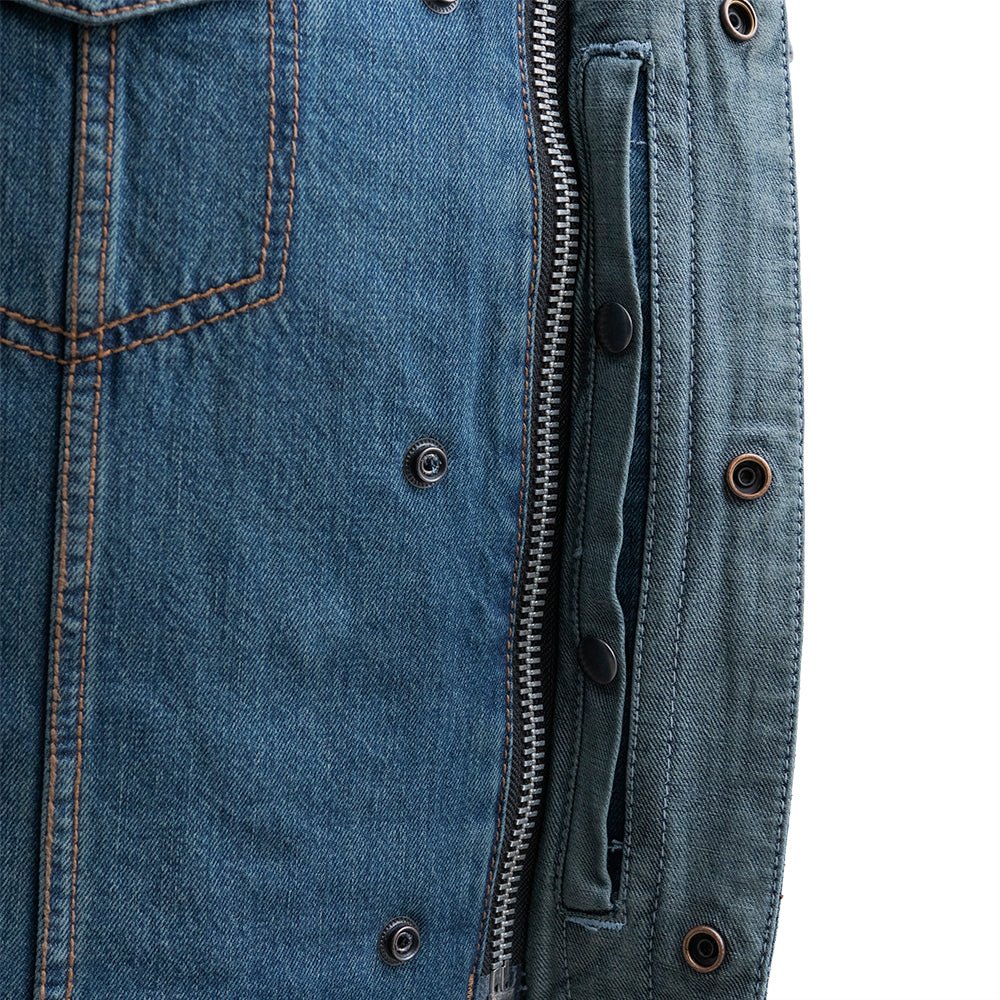
Remove all pins, detachable medals, and clip-on accessories. Close all zippers and snap all closures, garment care experts emphasize this protects denim from damage during washing.
Different Denim Vest Cleaning Methods
You have several options for cleaning denim, each with distinct advantages. Here are these explained:
Method 1: Machine Washing
Despite common misconceptions, machine washing works well for denim when done correctly. Levi's experts confirm washing machines are convenient if you follow proper steps. Quality men's denim motorcycle vests handle machine washing effectively when you follow these guidelines carefully.
Step-by-Step Process:
-
Prep the vest: Turn inside out to protect color from fading. Close all zippers to maintain shape. Button all snaps to prevent snagging.
-
Load and add detergent: Place the vest gently in the washer drum. Add detergent,use specially formulated detergent for darker colors if your vest is dark blue or black. For HE machines, use HE-formulated detergent.
-
Select settings: Choose gentle or delicate cycle to avoid unnecessary stress on fabric. Set water temperature to cold, this prevents shrinking and color fading.
Important tip: New denim and dark washes can bleed dye during washing. Wash your vest alone or only with similar dark-colored items to prevent unwanted dye transfer.
Method 2: Hand Washing
Hand washing provides maximum control for heavily patched or embellished vests. Experts recommend this gentler approach for garments requiring special care. This method works particularly well for women's denim motorcycle vests featuring delicate embroidery or decorative elements that machine washing might damage.
Step-by-Step Process:
-
Prep and pretreat: Check for stains needing special attention. Pretreat problem areas before washing. Turn inside out and close all closures.
-
Fill Tub: Fill tub or large bucket with cold water. Add gentle detergent and dissolve completely before adding your vest.
-
Soak and agitate: Lay vest in water and let soak for 30-45 minutes. Gently agitate using squeezing motions, focus on high-soil areas like collar and underarms.
-
Rinse thoroughly: Drain dirty water. Refill with fresh cold water and let sit for at least 10 minutes. Repeat until water runs completely clear with no soap residue.
-
Remove excess water: Carefully fold or roll the vest before squeezing out water. Never wring, experts warn this alters fit and shape. Some recommend rolling from the hem and squeezing gently.
Method 3: Dry Cleaning
Professional experts state that dry cleaning is unnecessary for most denim. However, it makes sense for:
-
Heavily embellished vests with delicate attachments
-
Vintage or irreplaceable vests requiring professional handling
-
Vests with leather trim or mixed materials
-
Stubborn stains home methods cannot address
Note: Inform cleaners about patch types and attachment methods. Request gentle solvent treatment rather than aggressive processing.
Step-by-Step Process:
-
Choose an experienced cleaner: Select a dry cleaner familiar with structured garments or motorcycle apparel. Not all cleaners understand patchwork construction.
-
Inform them properly: Clearly explain the type of patches (sewn or iron-on), decorative elements, and any leather trim. Mention if the vest holds sentimental or club value so they handle it with added caution.
-
Request gentle processing: Ask for mild solvent treatment and low mechanical action. Avoid aggressive stain removal methods that can loosen stitching or adhesives.
-
Inspect before leaving: Once cleaned, examine patches, stitching, and hardware before accepting the garment. Ensure no lifting edges, warping, or solvent marks are present.
Method 4: Spot Cleaning
For small stains between full washes, experts recommend using a damp cloth or old toothbrush with mild soap instead of running a full cycle.
Process:
-
Check the vest label for specific stain removal instructions. Spray stained area with denim-safe stain remover. Let sit for 3-5 minutes.
-
Gently scrub with a soft brush or sponge, and an old toothbrush works excellently for targeted cleaning. Rinse away residue and repeat if necessary.
Method 5: Steam Cleaning
Steam cleaning refreshes vests without water involvement, ideal for heavily patched vests where washing risks damage. Here is the process explained:
Step-by-Step Process:
-
Prepare the vest: Turn the vest inside out and hang it on a sturdy hanger in a well-ventilated area. Ensure all zippers are closed and pockets are empty.
-
Heat the steamer: Allow your handheld garment steamer to fully heat so it produces consistent steam. Inconsistent steam can leave water spots.
-
Maintain proper distance: Hold the nozzle 2–3 inches away from the fabric. Never press it directly against the denim, as excessive moisture can weaken patch adhesives.
-
Work panel by panel: Move systematically across the front, back, and side panels. Focus on high-contact areas like the collar and underarms where odor tends to build up.
-
Avoid delicate areas: Do not apply direct steam to iron-on patches, printed graphics, or delicate embellishments. Instead, lightly steam around those sections.
-
Allow proper drying: After steaming, leave the vest hanging for at least 30–60 minutes to ensure all residual moisture evaporates before storing or wearing.
Dealing with Specific Stains on Denim
Address specific stains mentioned below before general cleaning for best results.
|
Stain Type |
Why It Happens |
Pre-Treatment Process |
|
Oil & Grease |
Engine contact, chain oil, roadside repairs |
Apply dish soap directly to the stain. Gently work it into the fabric and allow 15–20 minutes to penetrate. Rinse with cold water before proceeding to full wash. |
|
Bug Residue |
Highway riding and insect impact |
Dampen the affected area to soften dried residue. Gently scrape with a plastic edge (never metal). Lightly blot with mild soap solution before washing. |
|
Sweat Stains |
Heat and long summer rides |
Mix one part white vinegar with two parts water. Apply to collar and underarm areas. Let sit for 10 minutes, then rinse lightly before washing. |
|
Fuel Stains |
Splashback during refueling |
Air out the vest in a ventilated space first. Sprinkle baking soda over the area to absorb odor and let sit for 30–60 minutes. Brush off and treat with mild detergent before washing. |
|
Mud & Dirt |
Wet roads or off-road riding |
Allow mud to dry completely. Brush off loose debris before applying moisture. Dab with cold water and mild detergent using a sponge, then rinse gently. |
How to Properly Dry a Denim Vest
Experts are very and they declare dryers are the natural enemy of denim. Heat causes shrinkage, fabric warping, and accelerated breakdown.
Air Drying (Strongly Recommended)
-
Hang your vest or lay flat to dry. Turn inside out and hang in a shady space away from direct sunlight and this prevents fading and avoids soggy pockets.
-
Choose a well-ventilated area. Allow 24-48 hours for complete drying. Never store or wear damp denim.
Machine Drying
-
Remove while still slightly damp and gently stretch seams, then complete drying by hanging.
-
Never use high heat as it can damage outweighs any time savings.
How Often Should You Wash a Denim Vest?
Experts recommend washing denim once every 10 wears at most to keep it fitting correctly and minimize sagging. Washing too frequently causes denim to lose shape and fit. For motorcycle vests:
-
Daily summer riders: Every 2-4 weeks
-
Weekend riders: Monthly or less
-
Occasional riders: As needed
Essential Care Tips for Denim Vest Longevity
Post-Ride Maintenance
Hang the vest in the ventilated area after every ride. Brush off loose dirt before it works into fibers. Use a lint roller to remove debris before washing.
Color Preservation
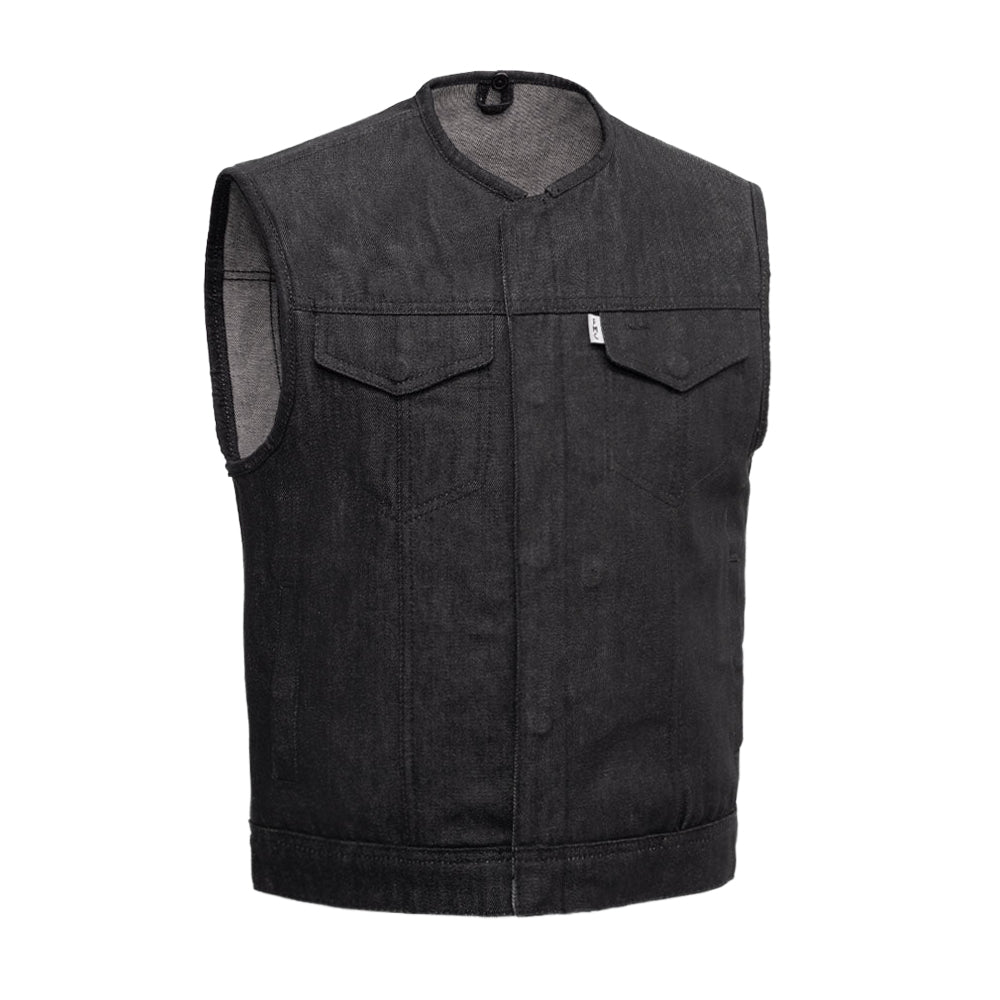
Always turn inside out for washing and drying. Use cold water exclusively. Keep away from direct sunlight during drying. For black denim biker vests, use detergent formulated for dark colors and wash only with darker items.
Patch Protection
Inspect stitching monthly during riding season. Repair loose threads immediately. Apply fabric sealant around patch edges to prevent fraying.
Hardware Maintenance
Wipe metal hardware with dry cloth after wet weather. Apply light oil to snaps and zippers that stick.
Storage Tips for Denim Biker Vests
Proper storage is just as important as proper washing. When a denim motorcycle vest is stored incorrectly, trapped moisture, hidden dirt, or poor airflow can cause permanent staining, mildew growth, fabric weakening, or even pest damage. Before putting your vest away for an extended period, follow these essential steps:
-
Clean thoroughly before storage: Dirt, sweat, and road grime left in the fabric attract pests and can set into permanent stains over time. Always wash or at least spot-clean the vest before storing it.
-
Allow it to dry completely: Even slight moisture can lead to mildew or musty odors. Air dry fully in a ventilated space before folding or hanging.
-
Use breathable garment bags: Avoid plastic covers, as they trap humidity and restrict airflow. Choose cotton or fabric garment bags that allow the denim to breathe while protecting it from dust.
-
Store in a climate-controlled environment: Keep the vest in a cool, dry area away from extreme heat, damp basements, or direct sunlight. Excess heat weakens fibers, while humidity encourages mold growth.
-
Hang properly or fold carefully: Use a sturdy hanger to maintain shape. If folding, avoid sharp creases that can become permanent over time.
-
Inspect monthly during long-term storage: Check for signs of mildew, pest damage, or hardware corrosion. Early detection prevents long-term damage.
Quick Care & Maintenance Reference Chart
|
Method |
Best For |
Frequency |
|
Machine Washing |
Regular Cleaning |
Every 10 wears max |
|
Hand Washing |
Delicate/ Patched vest |
As needed |
|
Spot Cleaning |
Minor Stains |
Between Washes |
|
Steam Cleaning |
Quick Refresh |
Weekly |
|
Dry Cleaning |
Special Cases |
Rarely Needed |
Final Thoughts:
Proper care keeps your denim vest performing reliably while preserving the patches and character that make it uniquely yours. Follow these expert-backed techniques, wash only when necessary, and always use cold water with gentle cycles. Your vest will tell your riding story for years to come. If your riding gear collection also includes leather, make sure you follow the correct cleaning approach. Learn the proper care techniques in our guide on How To Clean Leather Vest?
Looking to add another quality piece to your collection? Browse our complete range of denim motorcycle vests at First MFG Co which is built for riders who demand durability and authentic style.