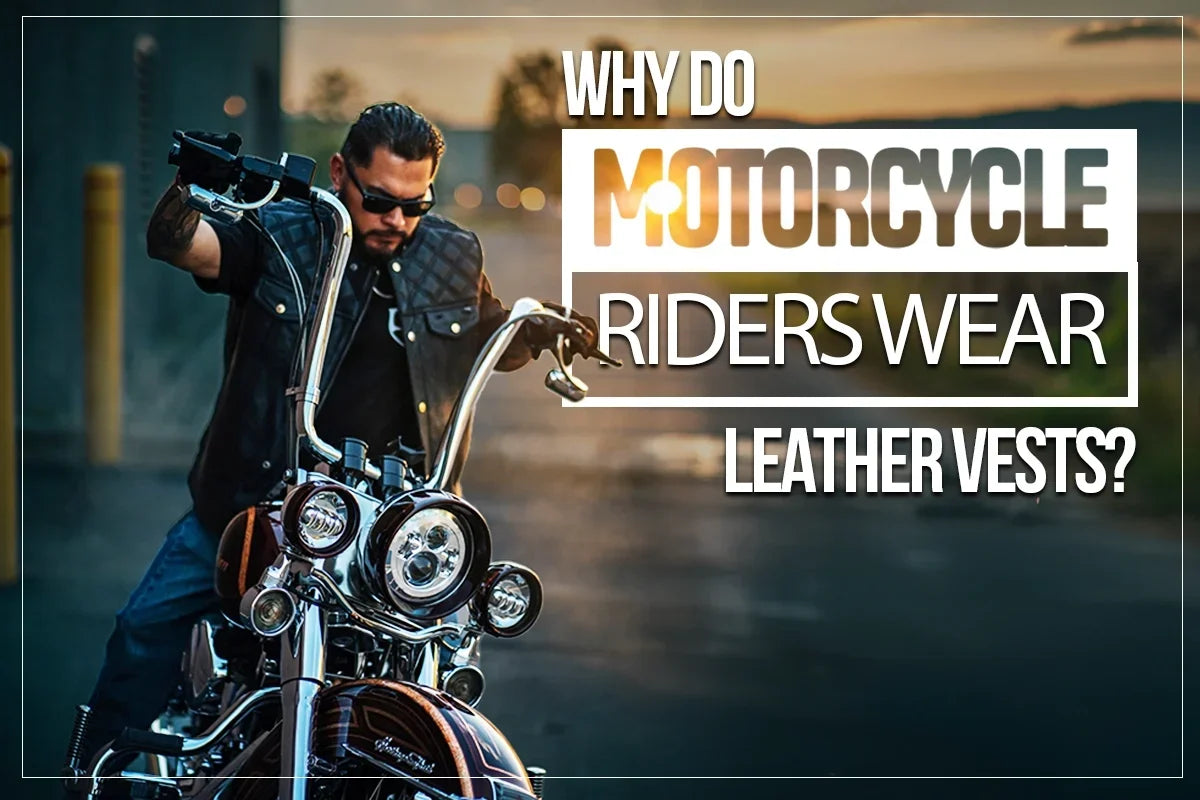
Why Do Motorcycle Riders Wear Leather Vests?
Motorcycle riders wear leather vests because they offer a rare combination that few other riding gear pieces can match: real protection, total freedom of movement, and a look that instantly says "biker." A vest lets a rider layer up over a jacket for extra abrasion resistance or wear it alone in the heat without giving up durability. On top of that, it's become one of the most recognizable symbols in American motorcycle culture, a piece of clothing that tells a story before a rider ever says a word.
In this guide, we'll break down exactly why leather vests are a staple in motorcycle culture, where the tradition came from, the different types available, why and how riders choose the right leather motorcycle vest, and how to keep one in good shape for years of riding.
What Is a Leather Motorcycle Vest?
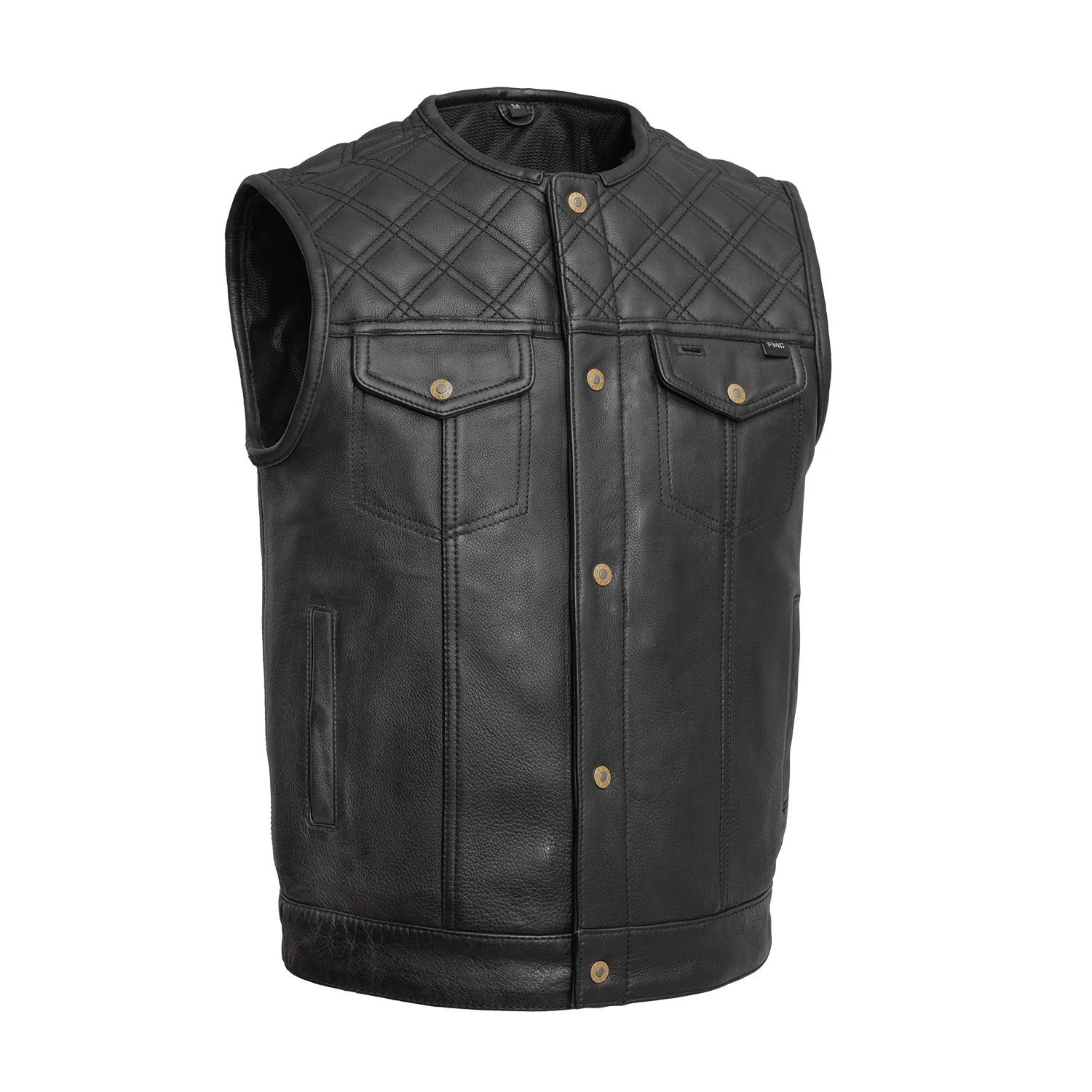
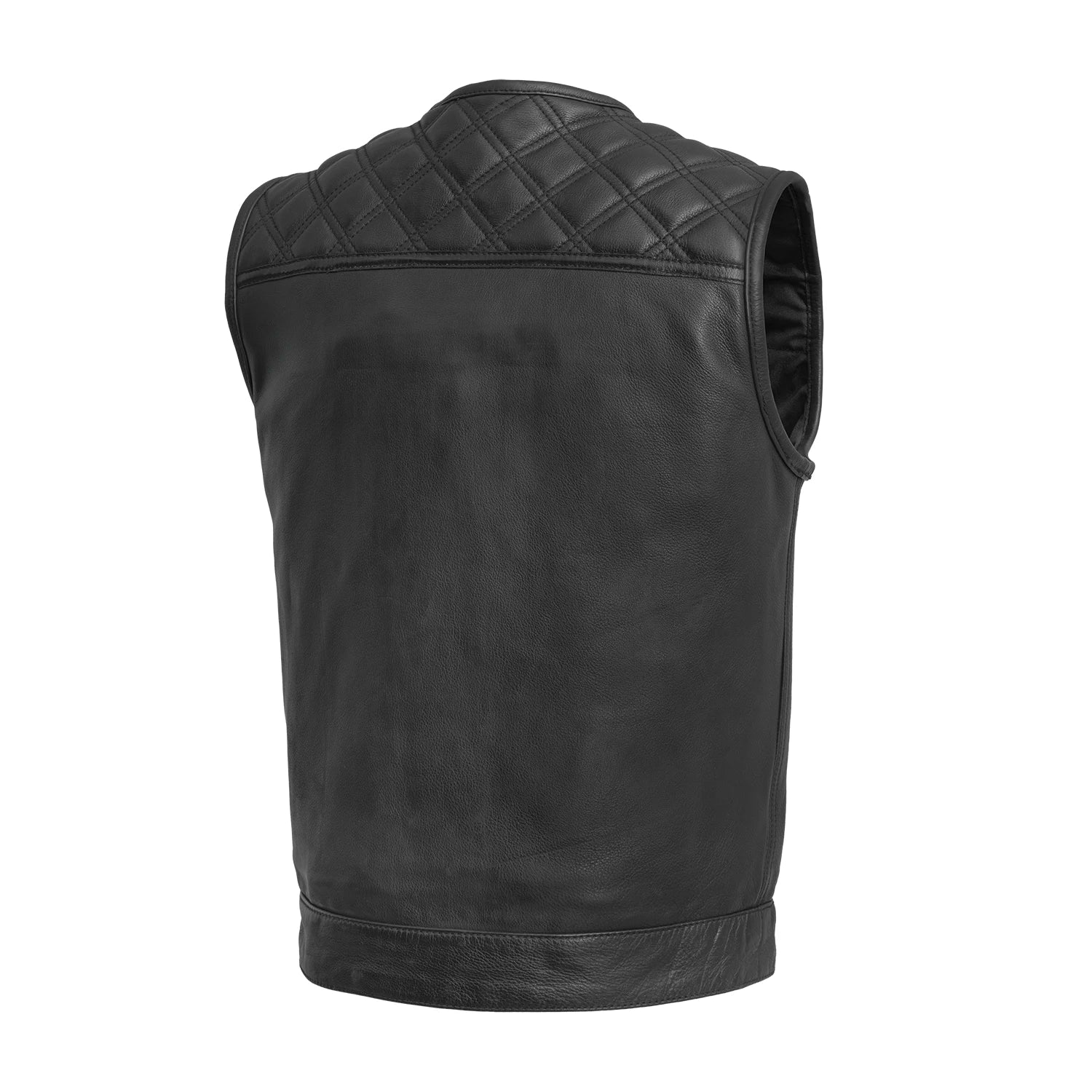
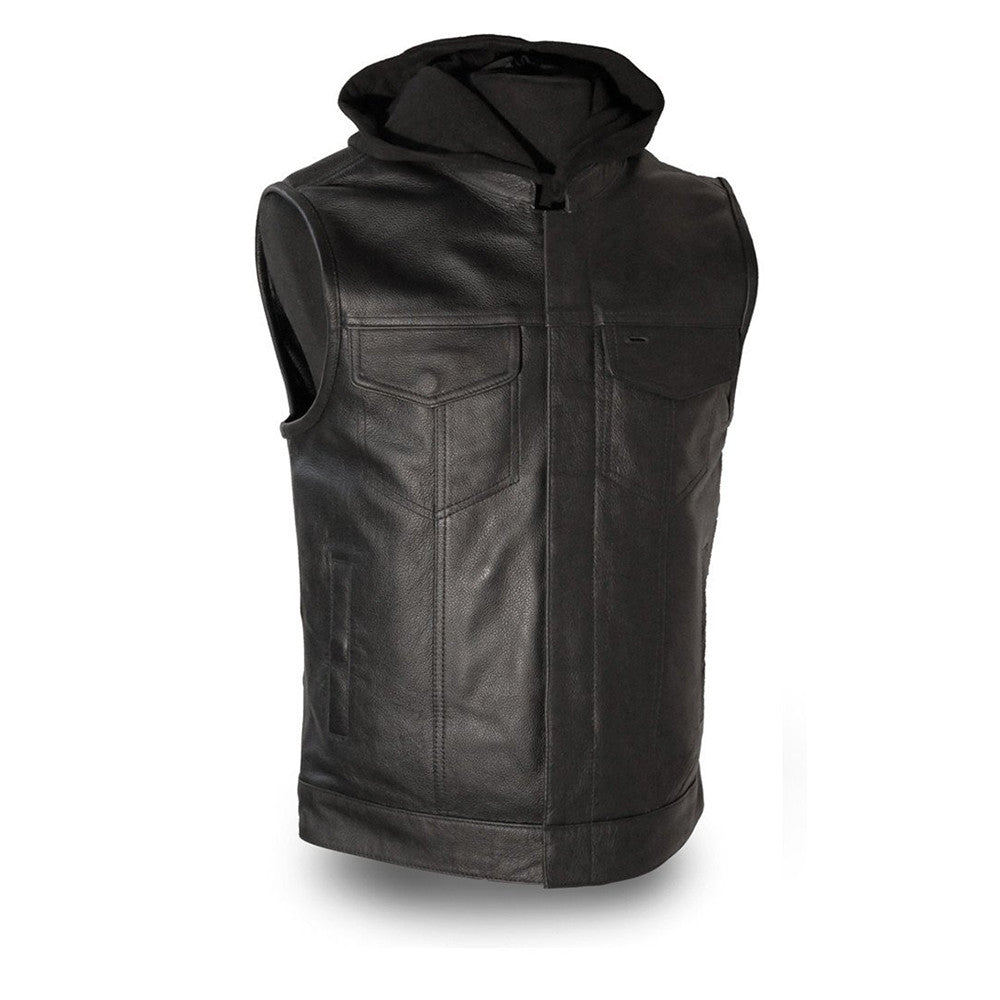
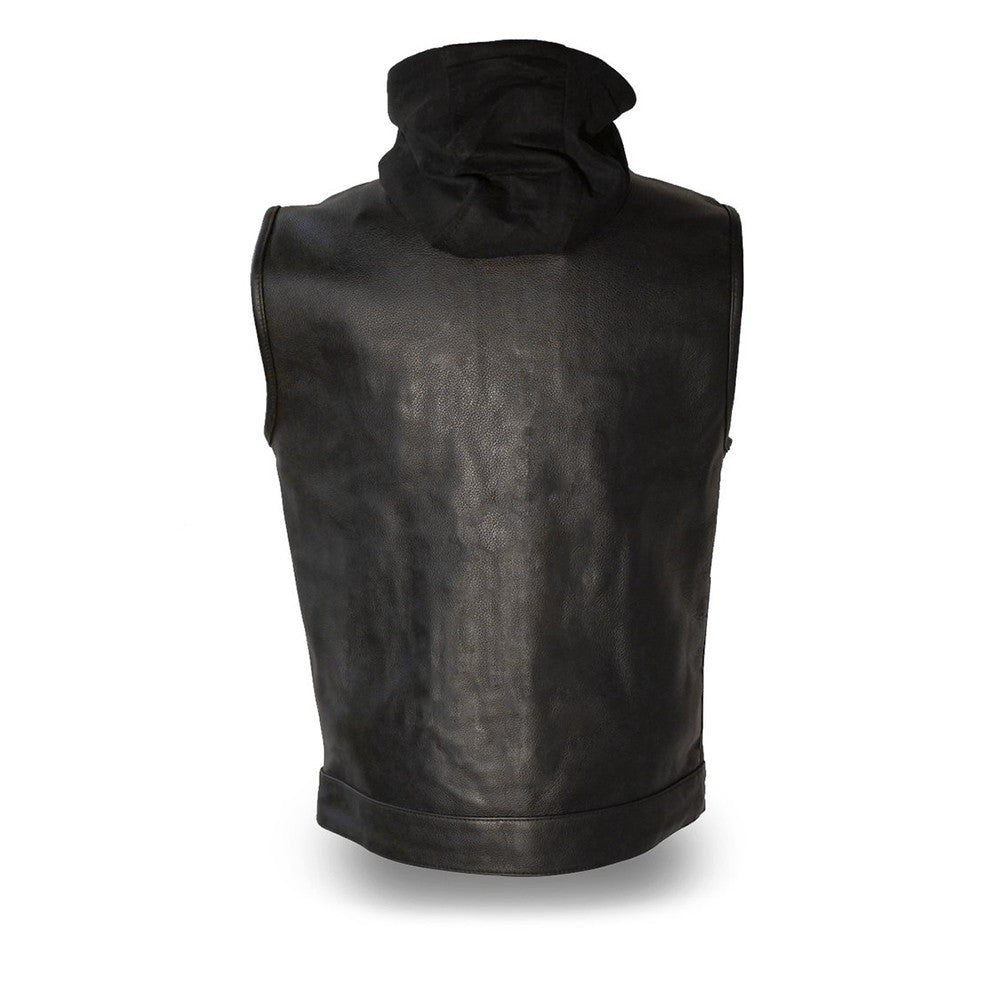
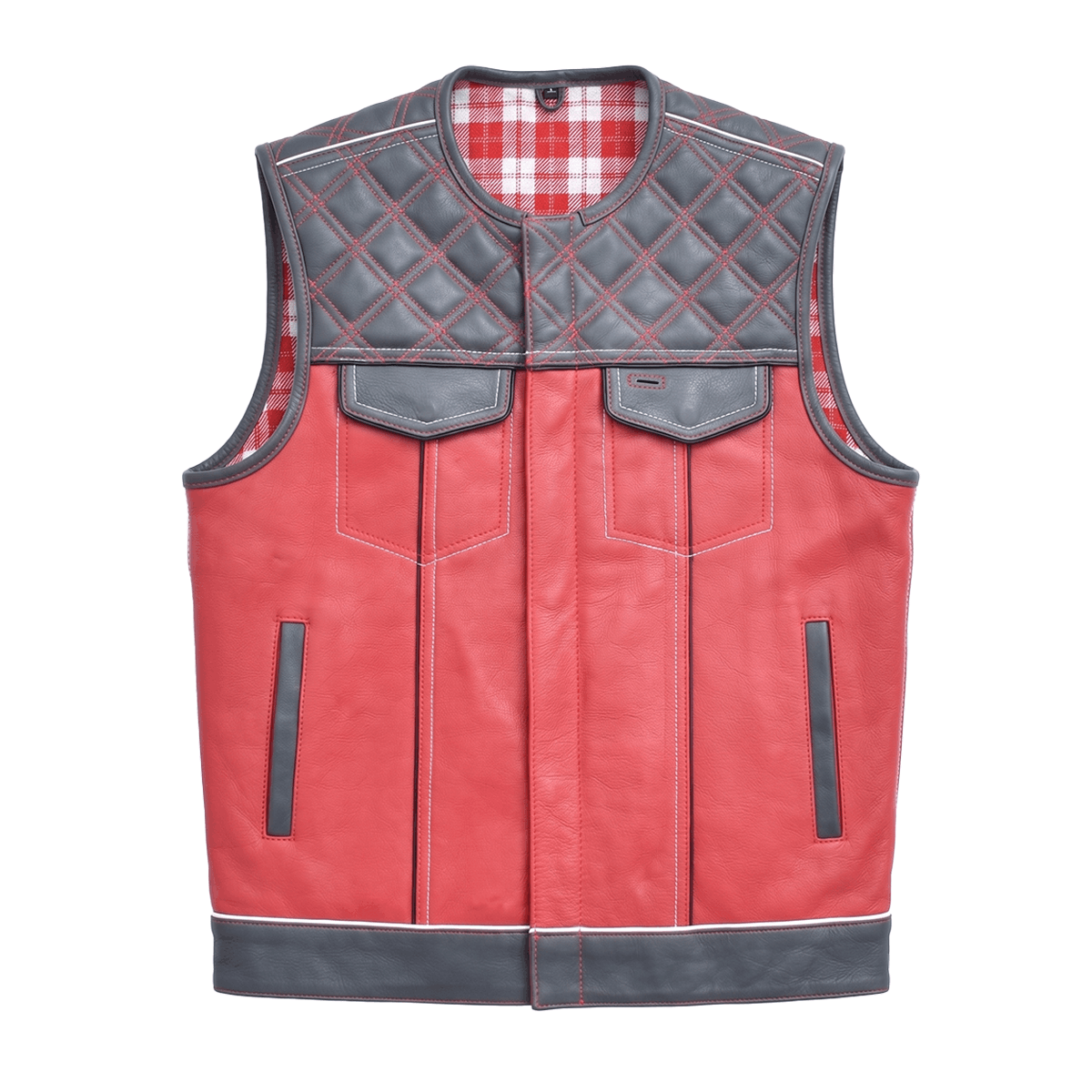
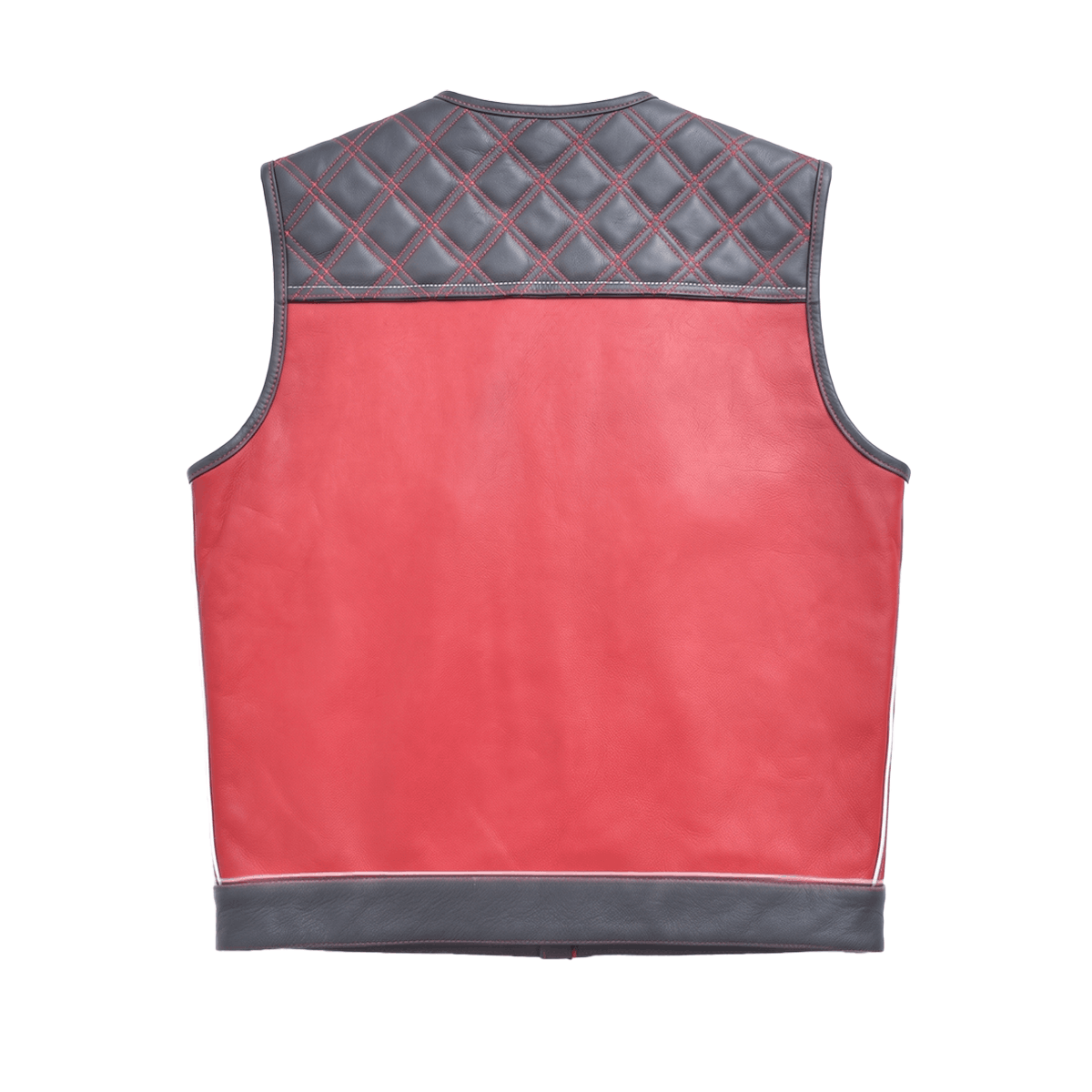
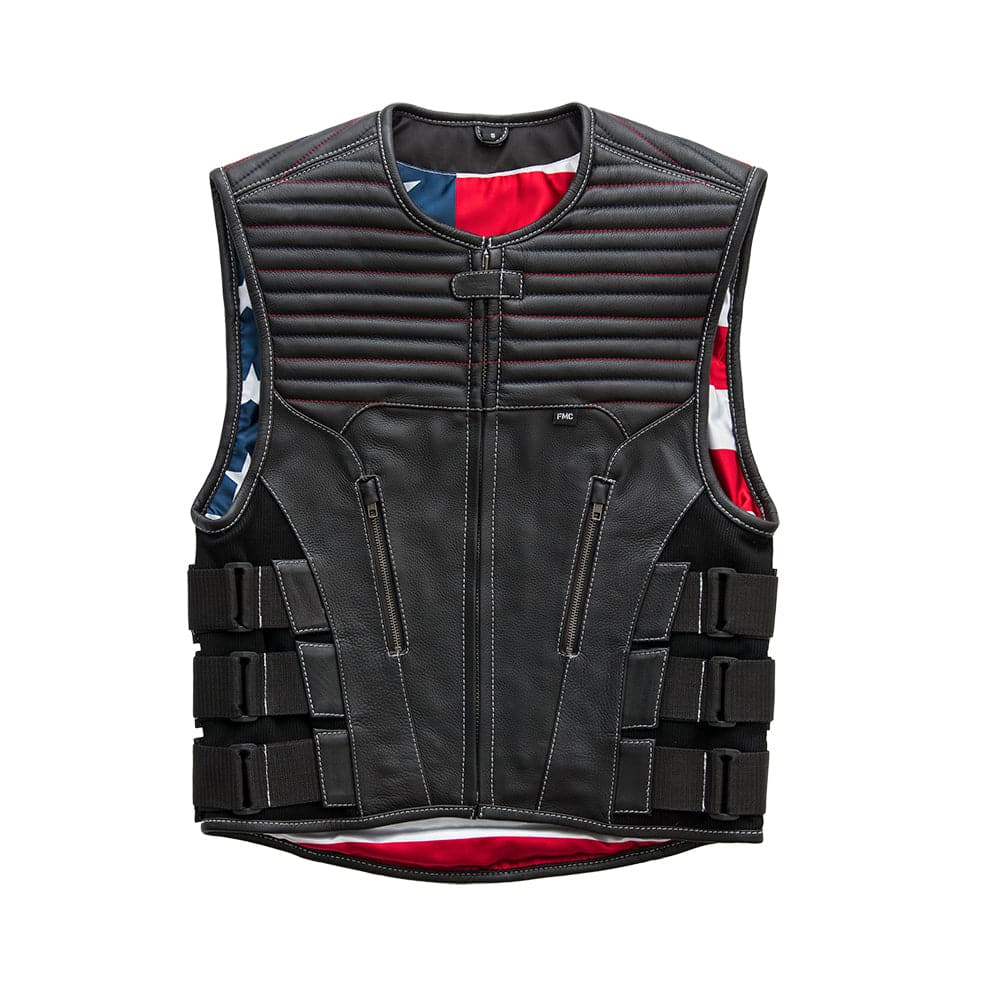
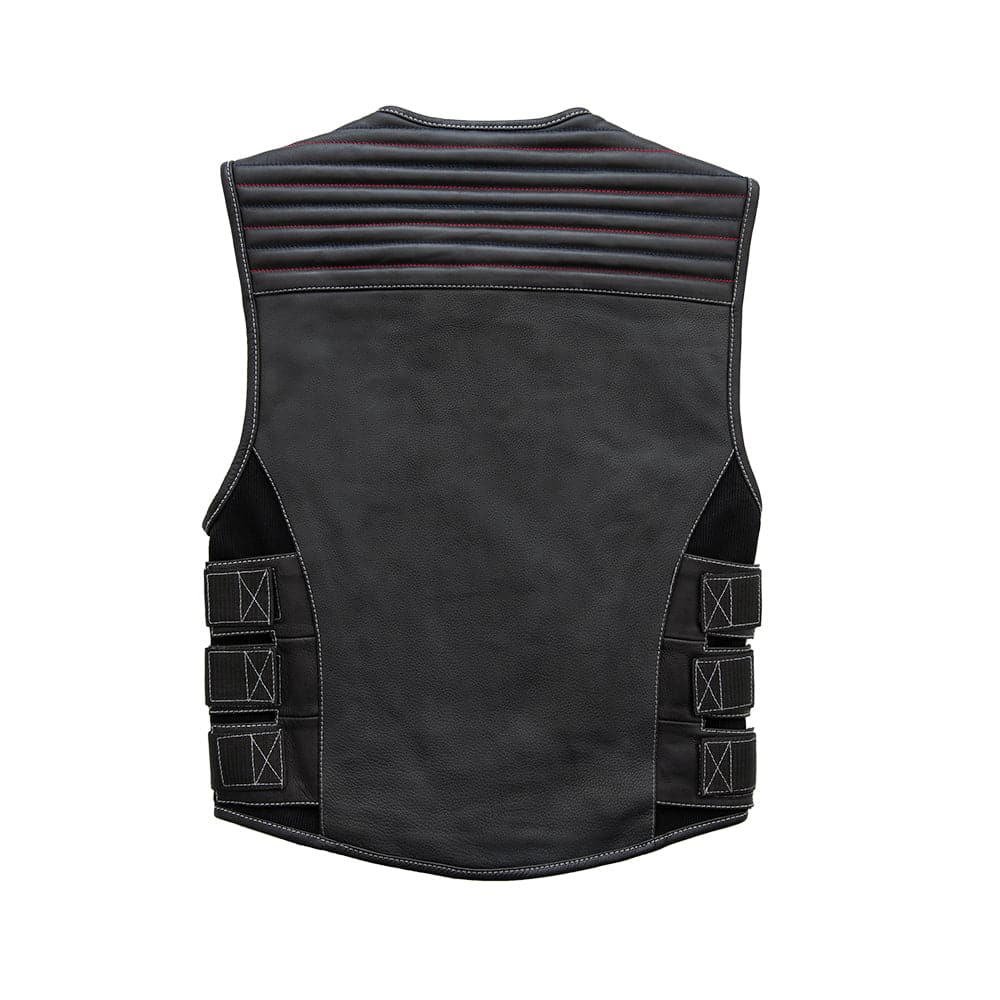
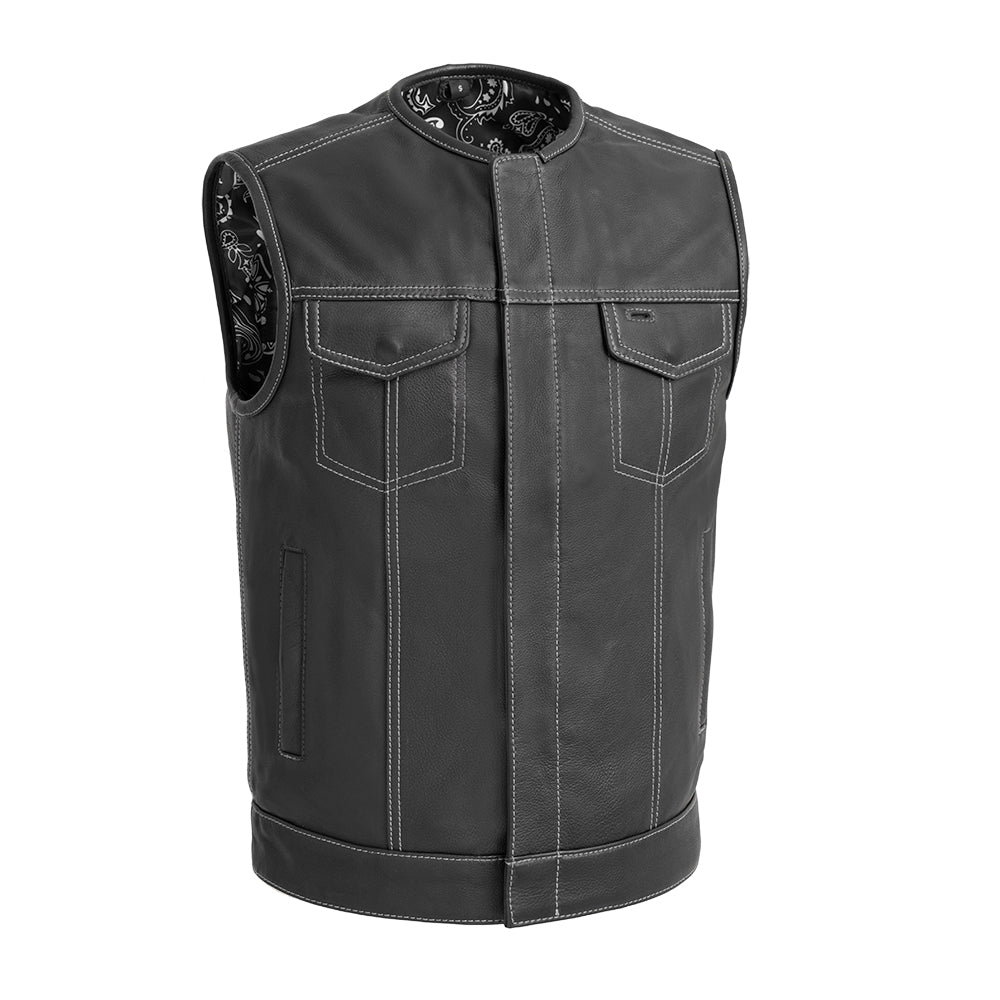
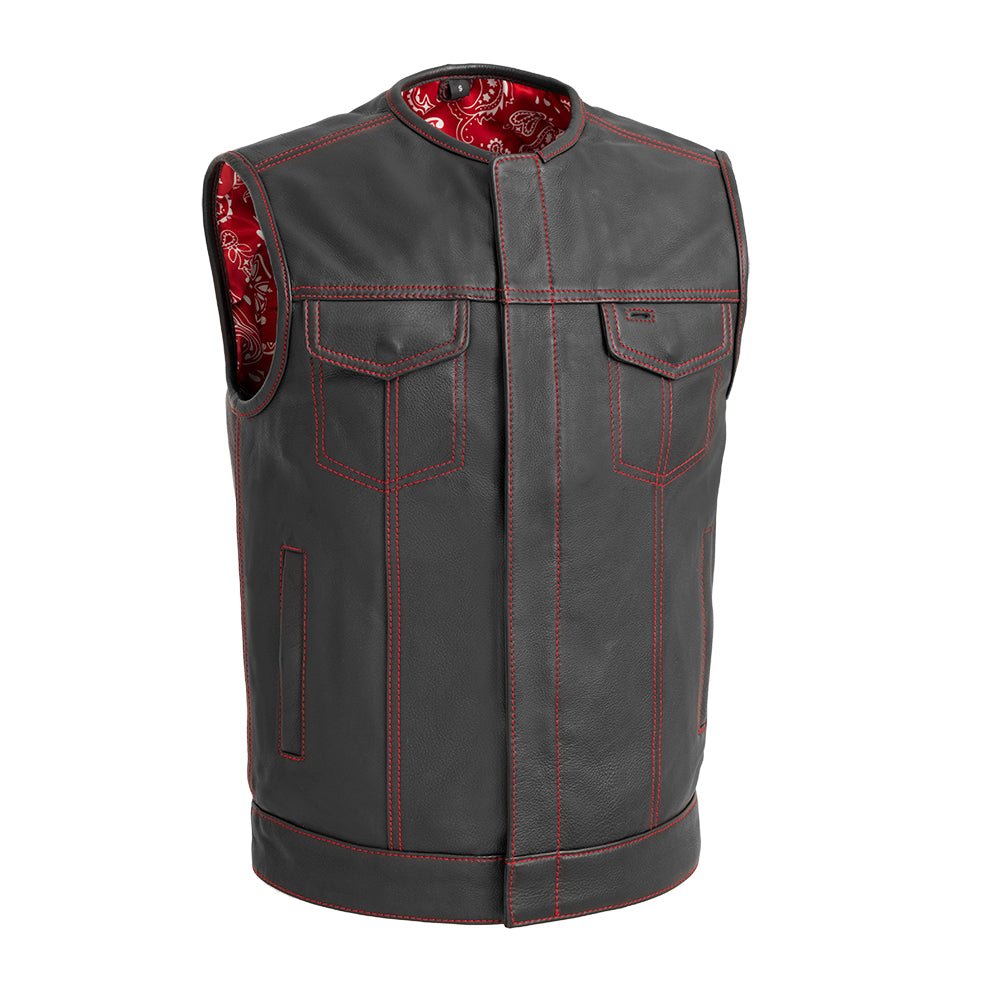
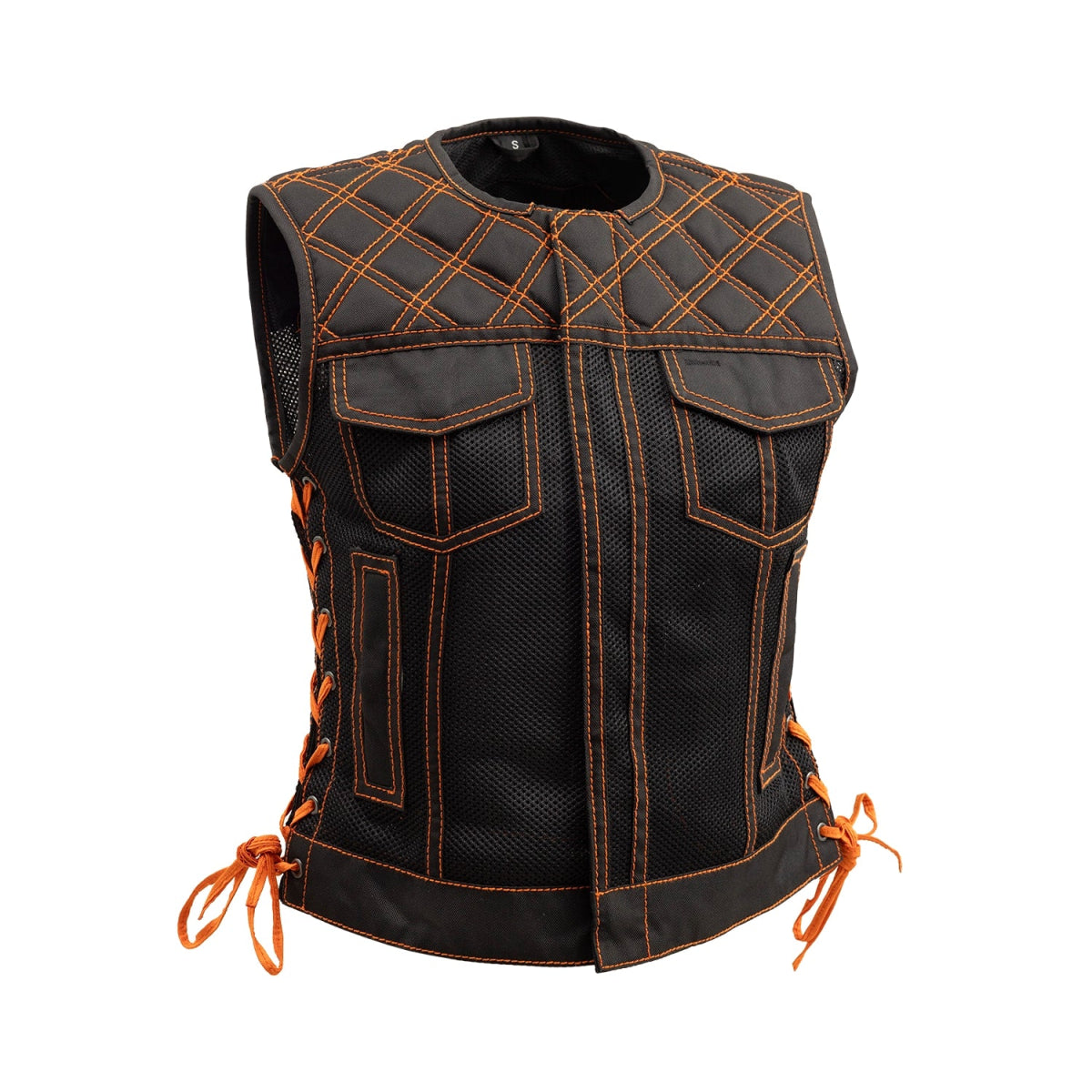
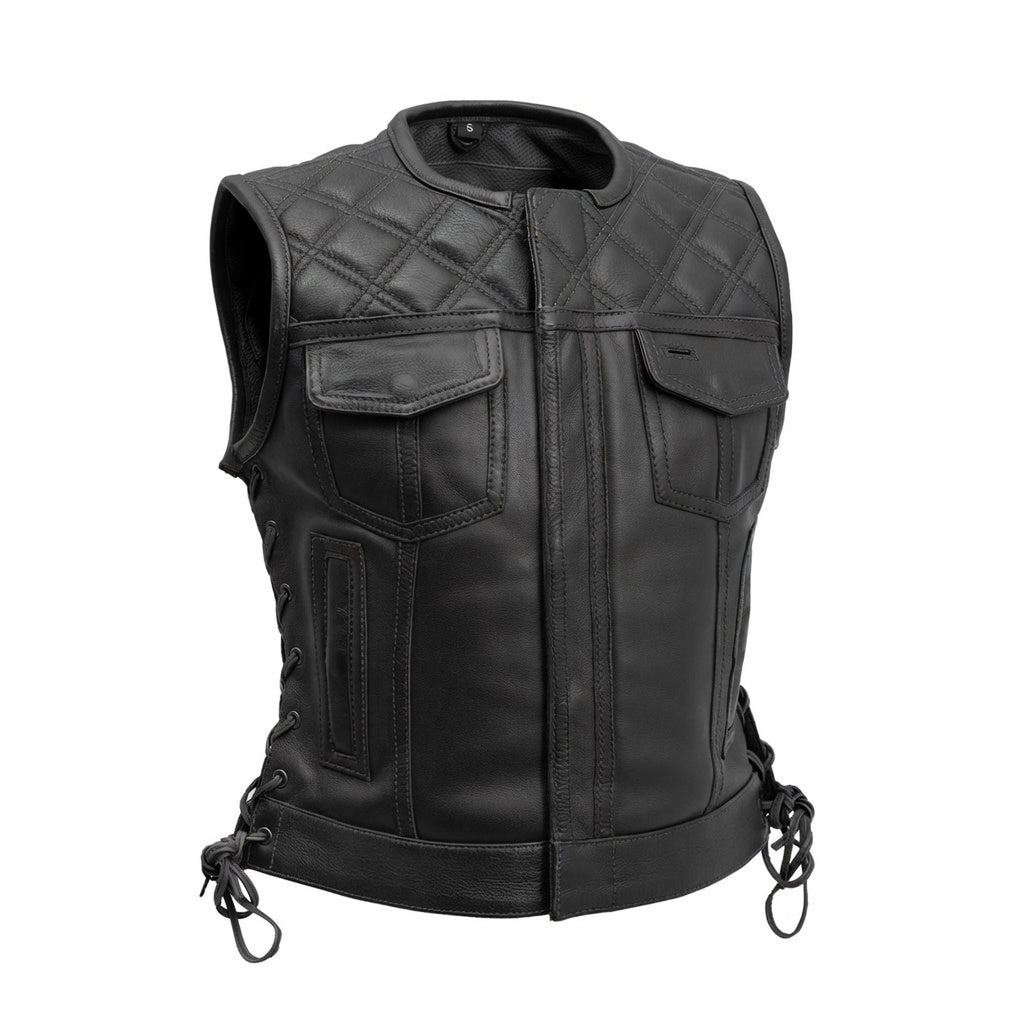
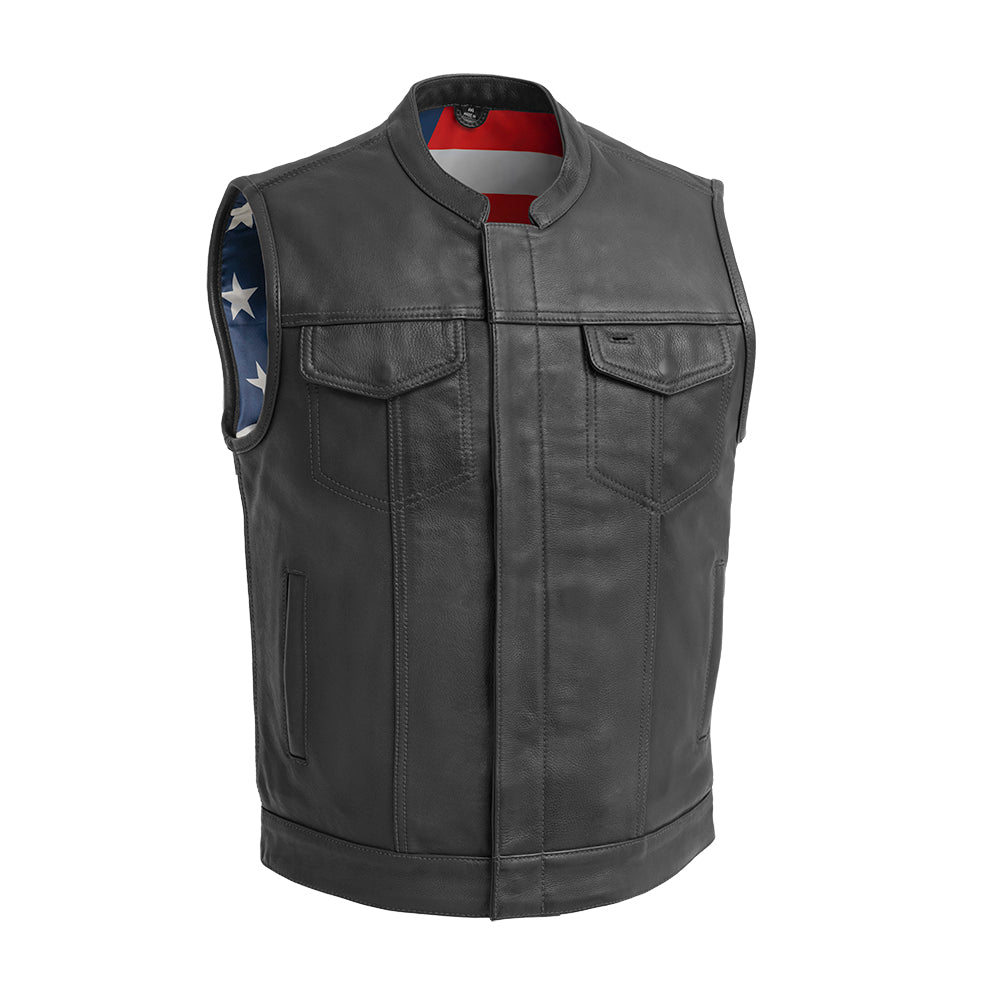
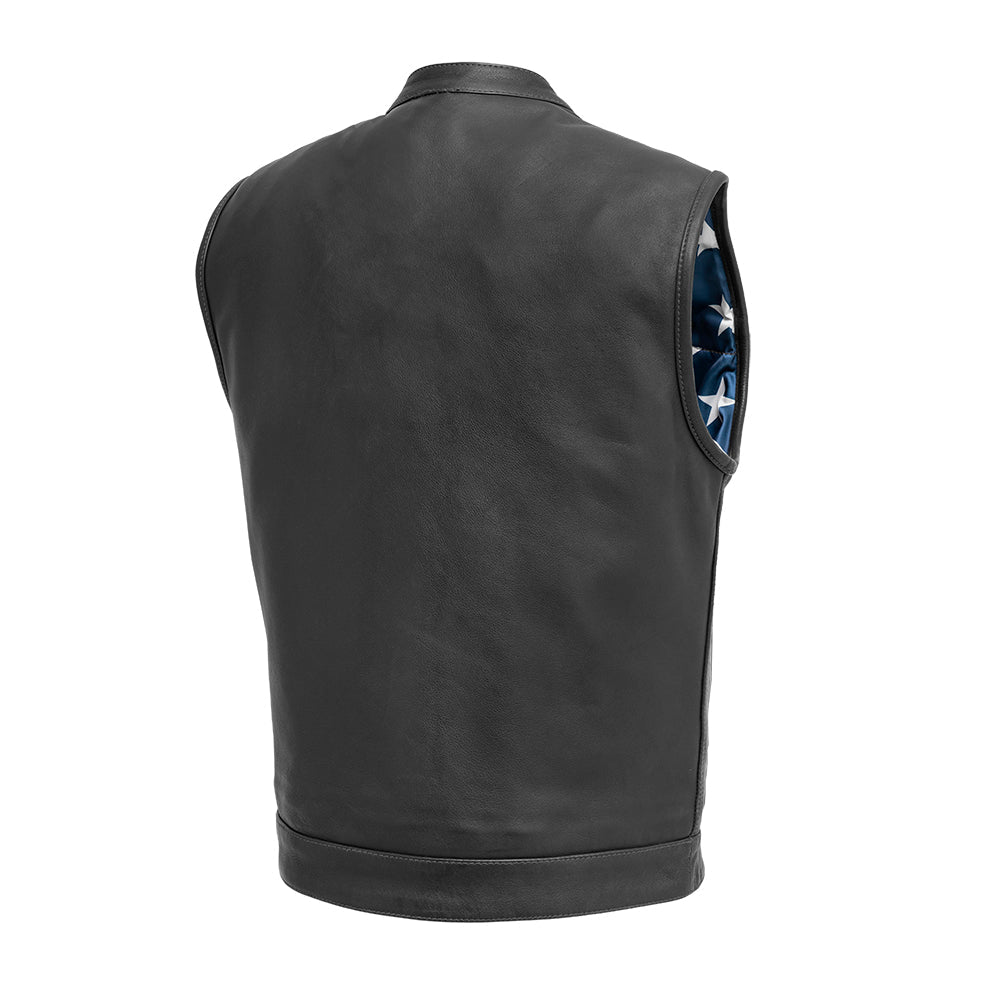
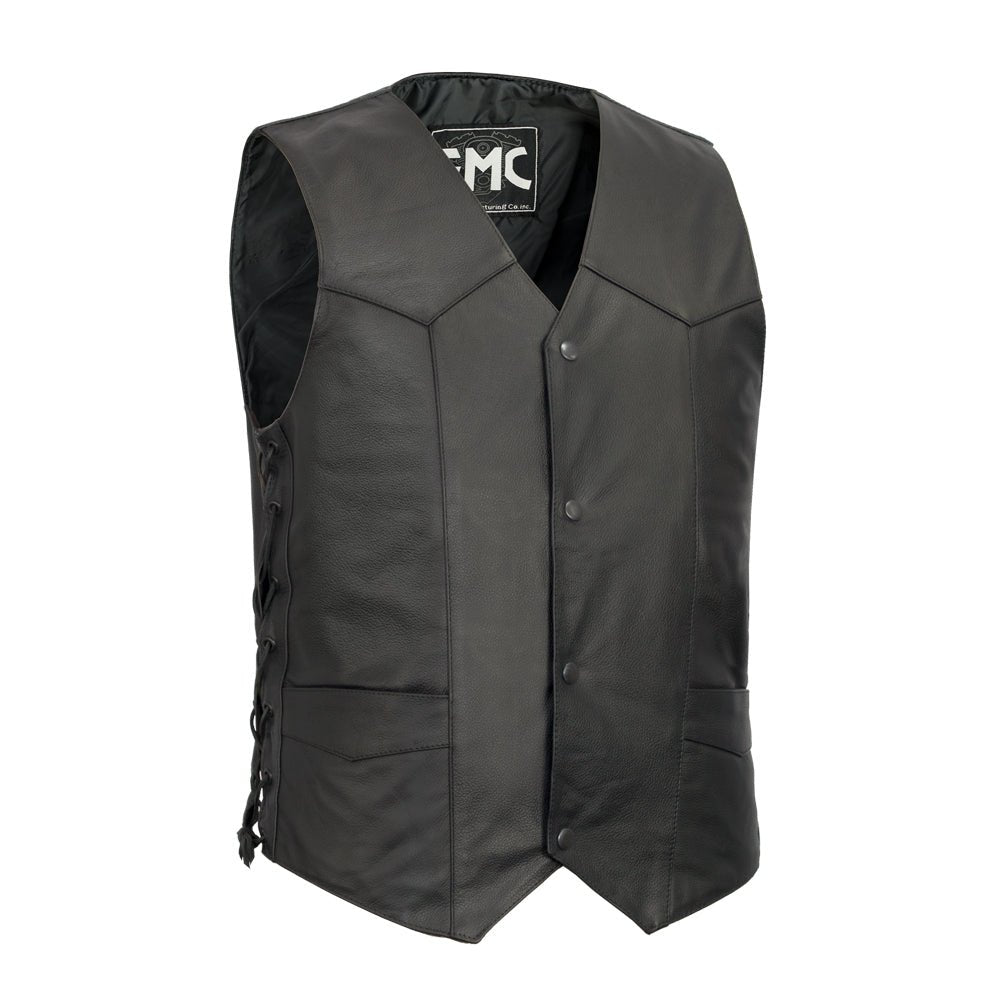
A leather motorcycle vest is a sleeveless, collarless leather garment worn over a shirt or jacket, typically closed with snaps, zippers, or side laces. It's built from thick, durable leather, usually cowhide, designed to sit close to the body while leaving the arms and shoulders completely free.
Unlike casual fashion vests, a motorcycle vest is functional gear. It usually includes reinforced seams, interior pockets, and sometimes armor inserts, all built to handle the demands of riding: wind, road debris, and long hours in the saddle.
How It's Different from a Motorcycle Jacket
A motorcycle jacket covers the arms and typically includes armor at the shoulders, elbows, and back, making it the go-to choice for maximum protection, especially at highway speeds or in cold weather. On the other hand, a leather vest trades some of that coverage for breathability, flexibility, and layering versatility.
|
Feature |
Leather Vest |
Leather Jacket |
|
Sleeve coverage |
None |
Full arms |
|
Arm movement |
Unrestricted |
Some restriction |
|
Warmth |
Torso only |
Full upper body |
|
Ventilation |
High |
Moderate |
|
Patch display |
Large back panel |
Limited |
|
Weight |
Lighter |
Heavier |
Why Do Motorcycle Riders Wear Leather Vests? (Main Reasons)
Protection Without the Bulk
Leather naturally resists abrasion better than most fabrics, which matters if a rider ever goes down. A vest protects the core of the body without the added weight and restriction of a full jacket. It's a middle ground between wearing nothing over a t-shirt and suiting up in heavy armor.
Durability and Road Safety
Premium leather resists tearing, holds up against wind and road grit, and doesn't wear out the way synthetic fabrics do. A well-made vest can genuinely last decades of regular riding, making it one of the more cost-effective pieces of gear a rider can have.
Freedom of Movement While Riding
Without sleeves, a vest never restricts arm movement, which is a real advantage when a rider needs to shift, brake, signal, or maneuver quickly.
Ventilation and Comfort in Hot Weather
A sleeveless design means airflow, and in summer heat a vest lets air move across the arms and shoulders while still covering the chest and back. This makes it the practical choice for riders in warmer states or during peak summer months.
Easy Layering
A vest works well over a long-sleeve shirt, a hoodie, or even a jacket, depending on the temperature. This layering flexibility means one vest can work across multiple seasons and riding conditions, rather than needing separate gear for every weather change.
Storage: Pockets for Essentials
Most motorcycle vests come with interior and exterior pockets designed to hold a wallet, phone, sunglasses, or even a multi-tool. For riders who want to ride without a backpack, a vest offers practical storage.
Style and Identity
For riders, their motorcycle gear means their identity. Patches, pins, club colors, and custom embroidery turn a plain vest into a personal statement about who a rider is, what club or crew they ride with, and where they've been. Therefore, It's one of the most visually iconic pieces in motorcycle riding gear.
Lightweight
As compared to a full leather jacket, a vest is significantly lighter. That makes it easier to wear for long stretches without the shoulder and back fatigue that heavier gear can cause, especially on hot days and long rides.
The Cultural and Symbolic Meaning Behind Biker Vests
In American motorcycle culture, the leather vest, often called a "cut," carries meaning that goes beyond function. For members of motorcycle clubs, the vest displays patches that represent club affiliation, rank, achievements, and territory. The back patch, front patches, and even the placement of pins can communicate a rider's history and status within a riding community.
Even for riders who aren't part of a formal club, the vest has become shorthand for freedom, brotherhood, and the open road. It's tied to decades of American biker history, from post-war veteran riding clubs to the rise of cross-country motorcycle culture. Wearing one connects a rider to that broader tradition, whether they're solo touring or riding with a group every weekend.
Types of Leather Motorcycle Vests
Not all leather vests are built the same way or for the same purpose. Broadly, they fall into a few categories based on style, construction, and how they're meant to be worn:
-
Club-Style Vests (Cuts): Also called "cuts," these are the vests most associated with motorcycle clubs. They're typically longer, made from heavier leather, and designed specifically to display patches on the back and front following club traditions around placement and rank.
-
Casual Riding Vests: Built for everyday riders rather than club members, these are usually simpler in design, with a few patch loops or panels at most. They focus more on comfort, fit, and function than on symbolic patchwork.
-
Armored/Padded Vests: These include foam or hard-shell padding at the chest, back, and sometimes the ribs, offering extra crash protection for riders who want more safety without stepping up to a full jacket.
-
Traditional (Unpadded) Cuts: The classic biker vest: no armor, just leather. These prioritize lighter weight, unrestricted movement, and a timeless look over added protection, and they're often the choice for riders who value tradition and comfort above all.
-
Snap-Front vs. Zip-Front Vests: Snap-front vests are quick to put on and take off, even with gloves on, and are the more traditional closure style. Zip-front vests offer a snugger, more streamlined fit and are often easier to layer under a jacket.
-
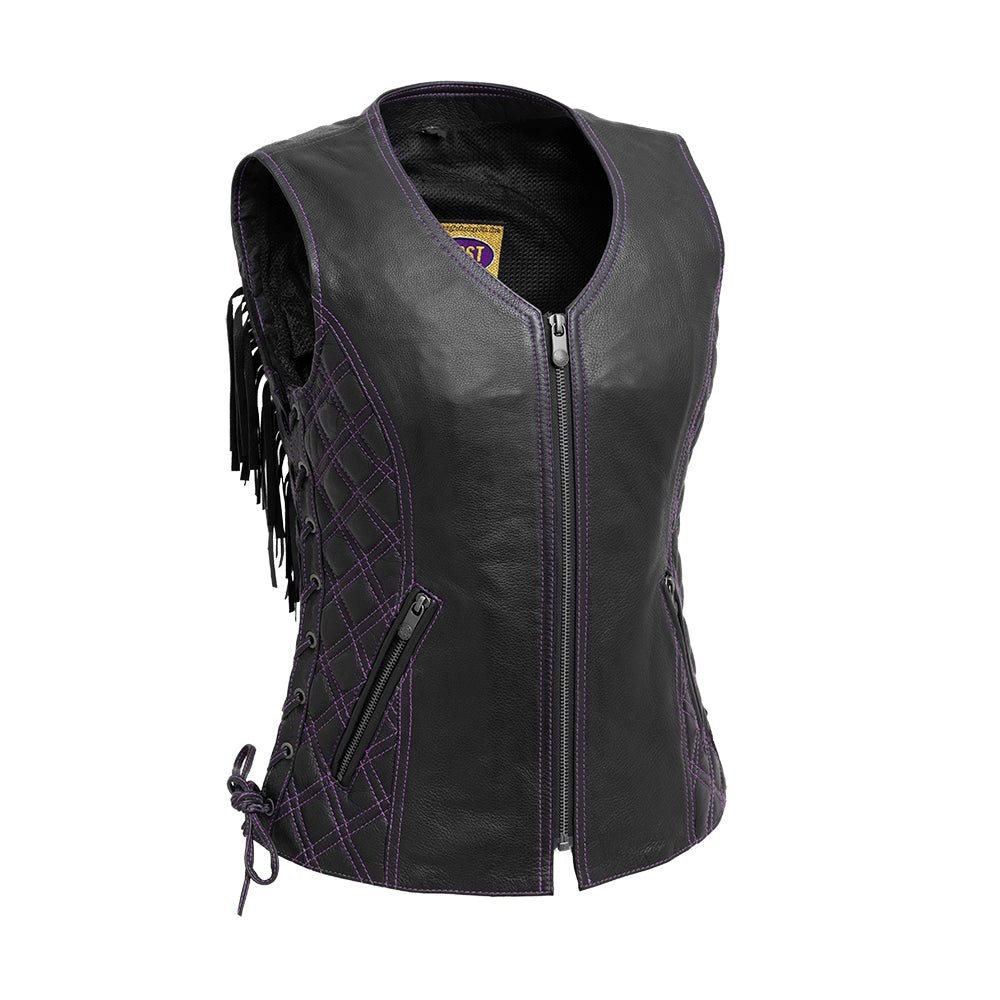
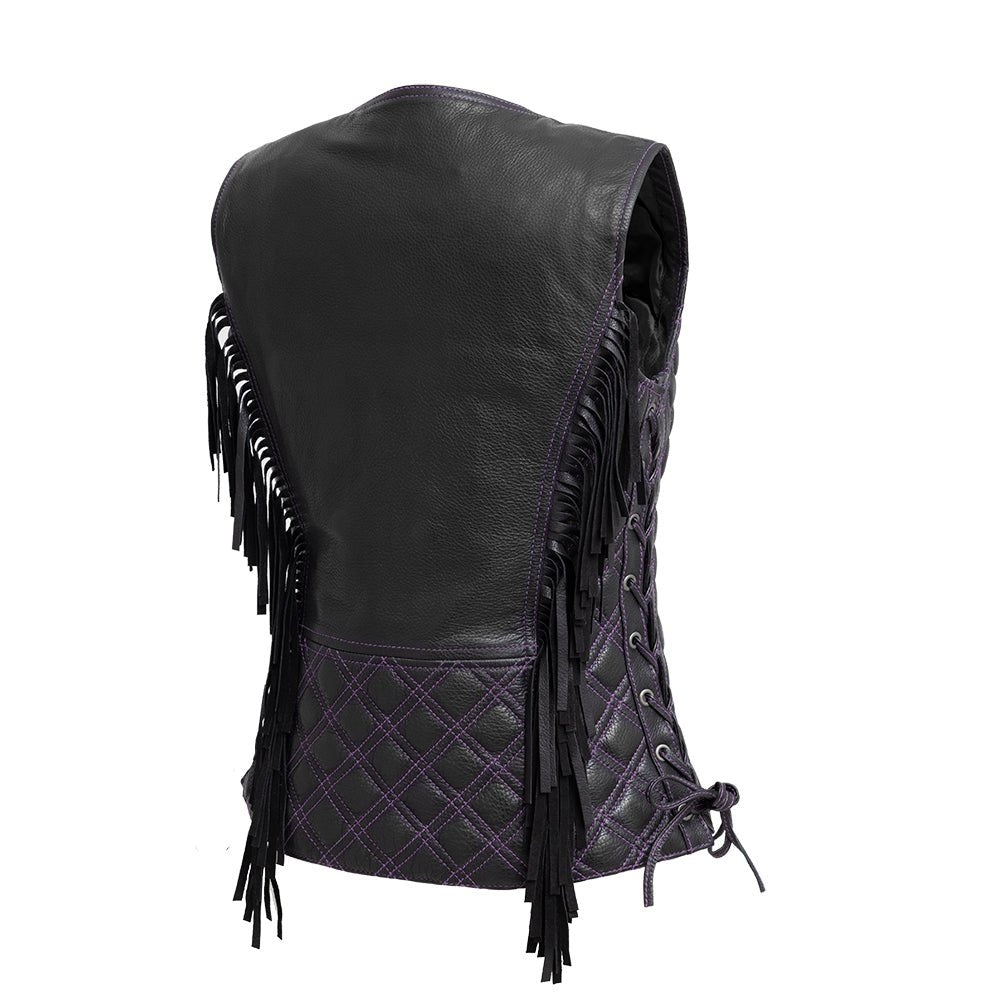
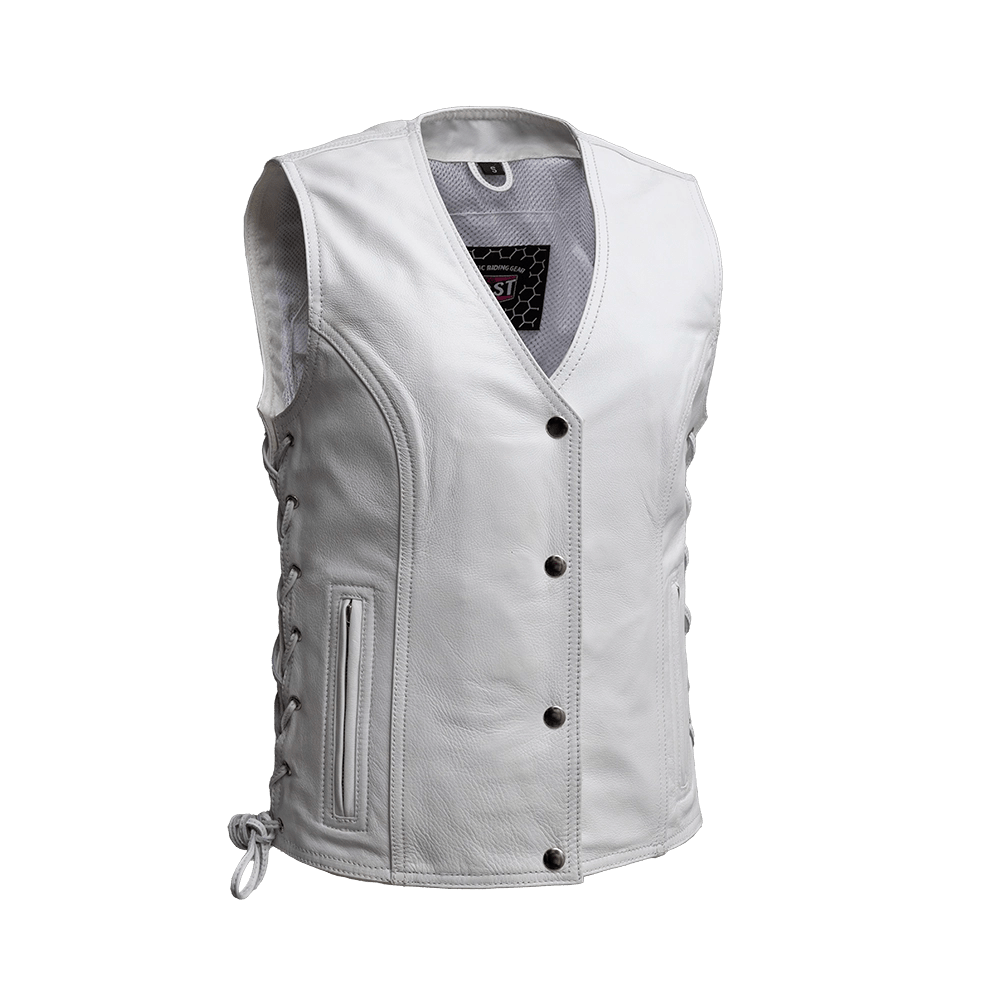
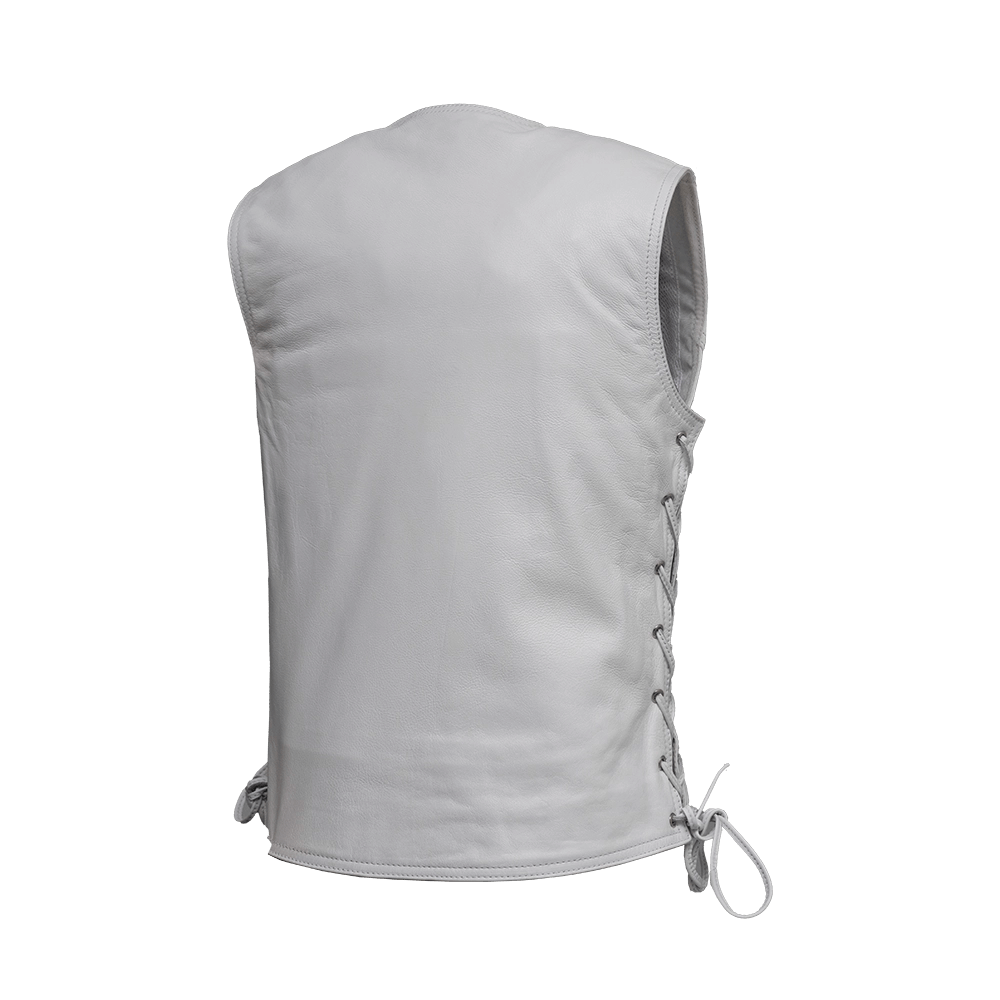
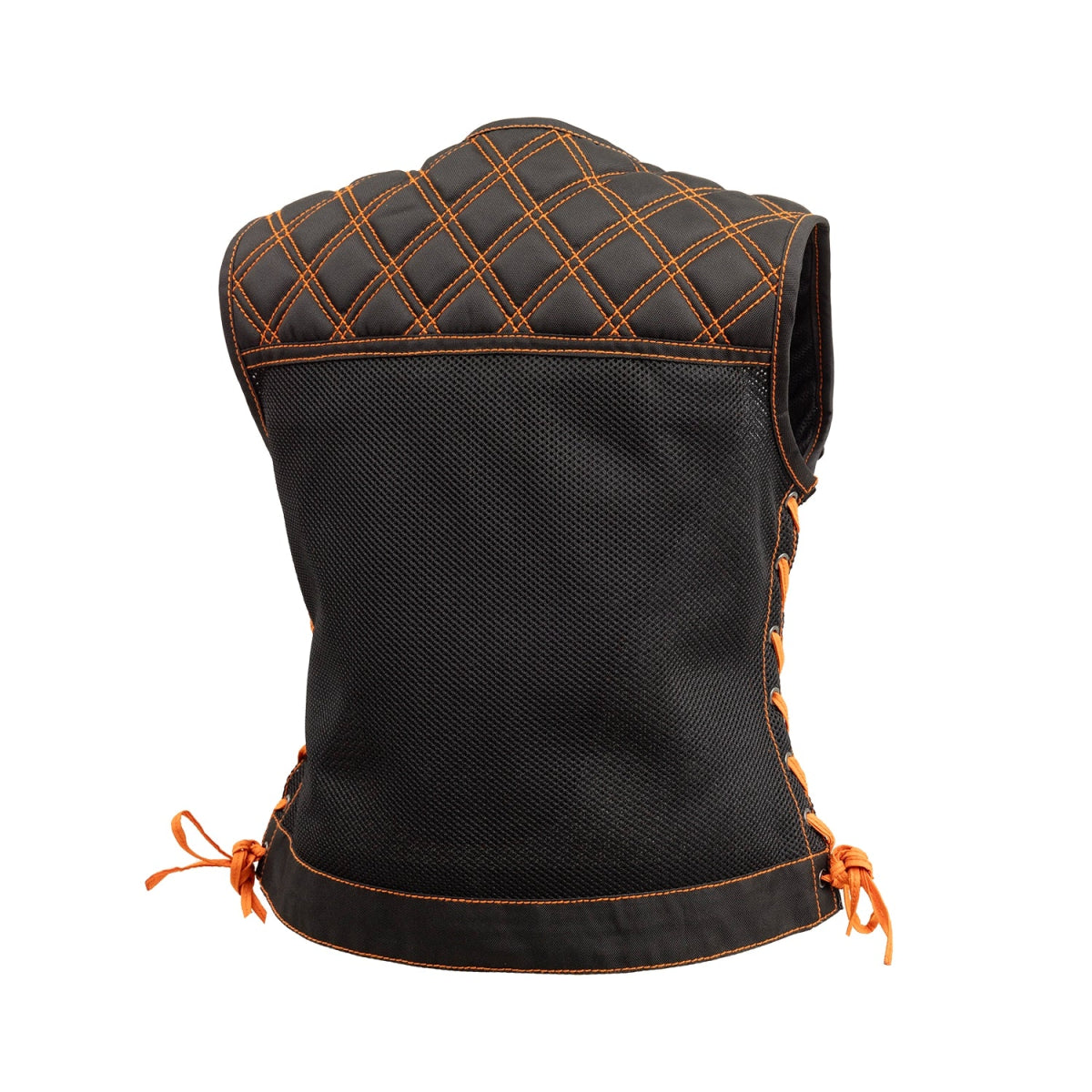
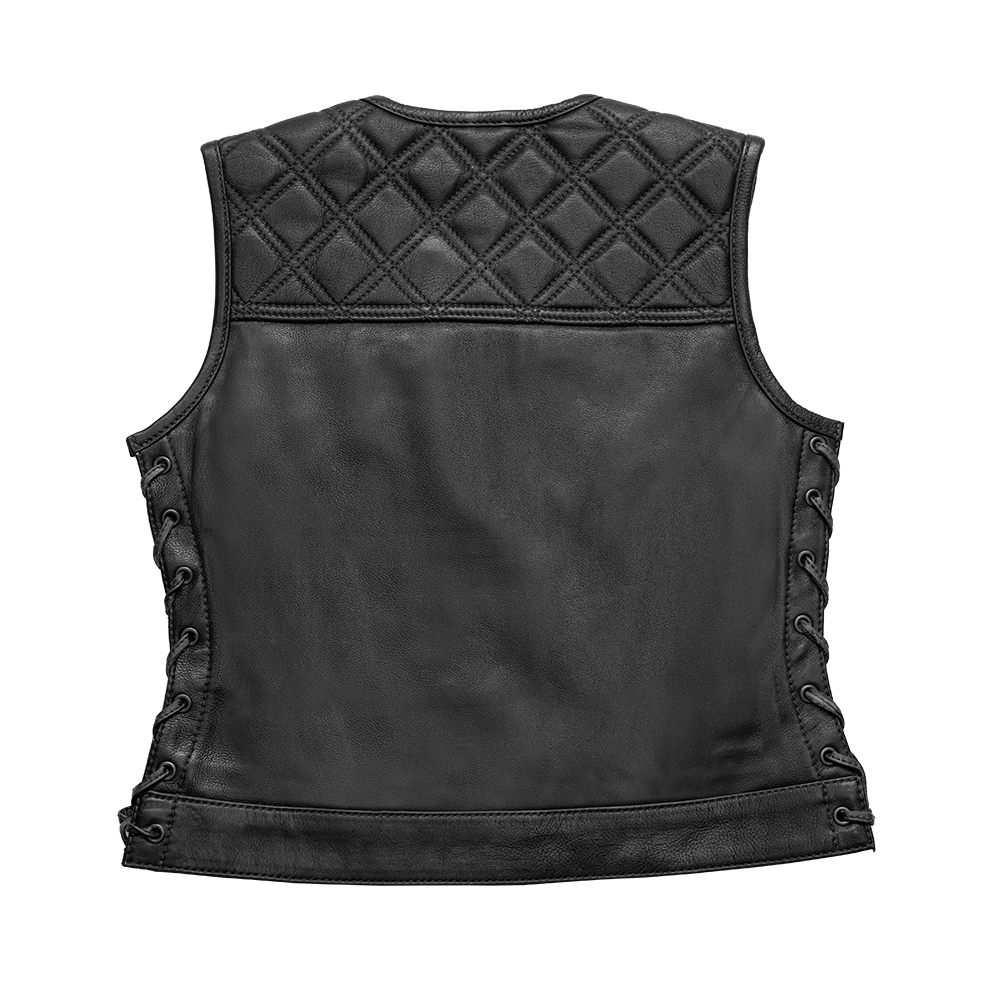
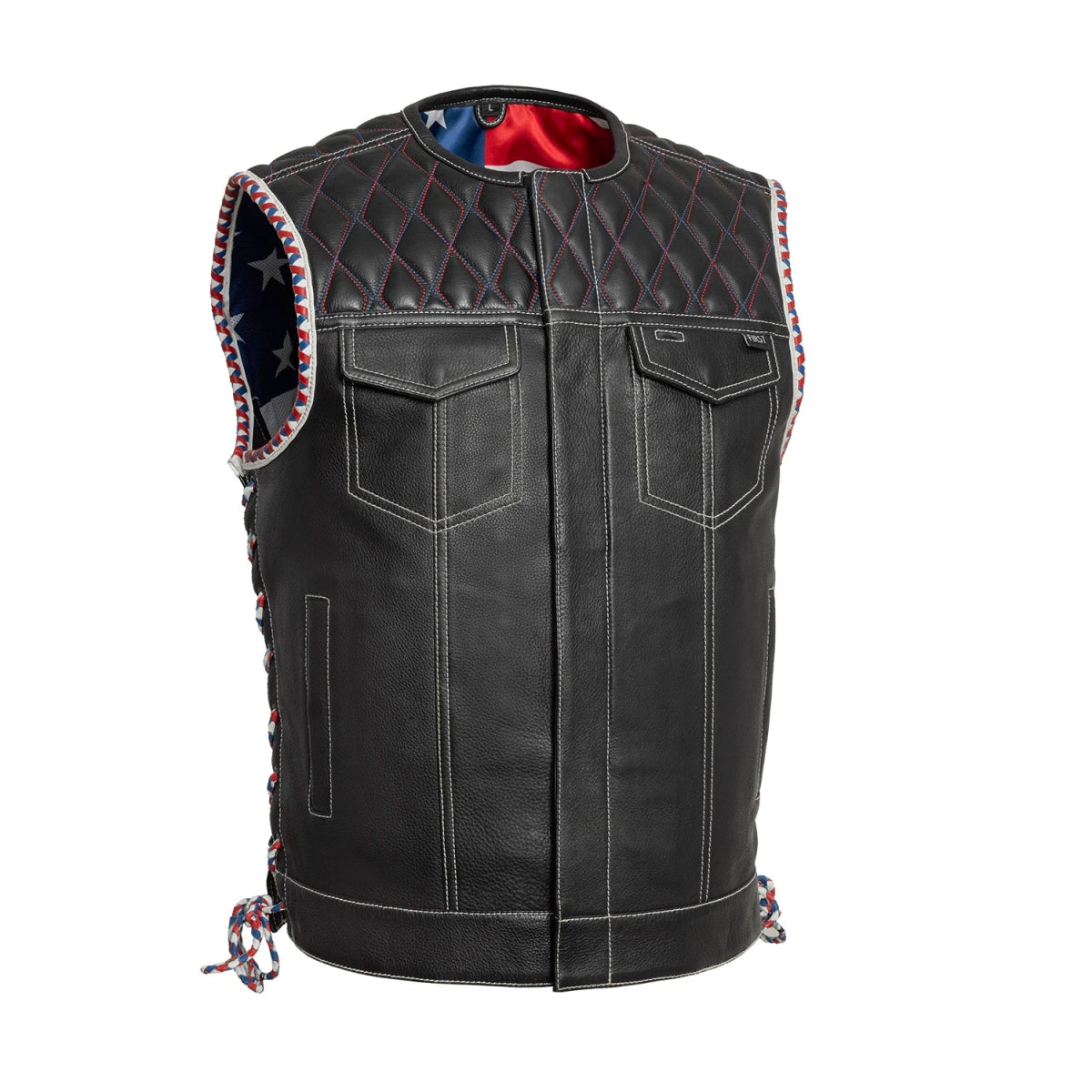
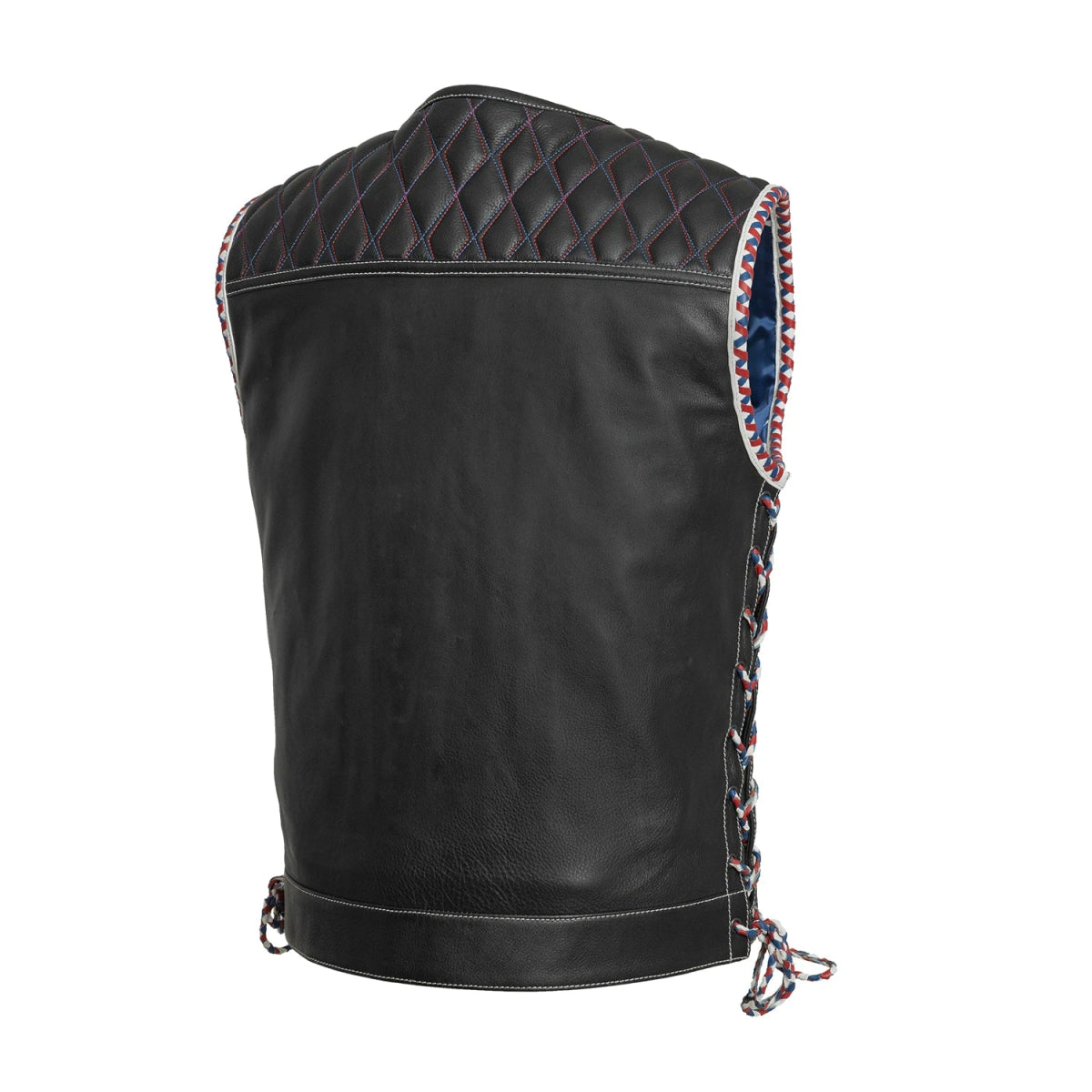
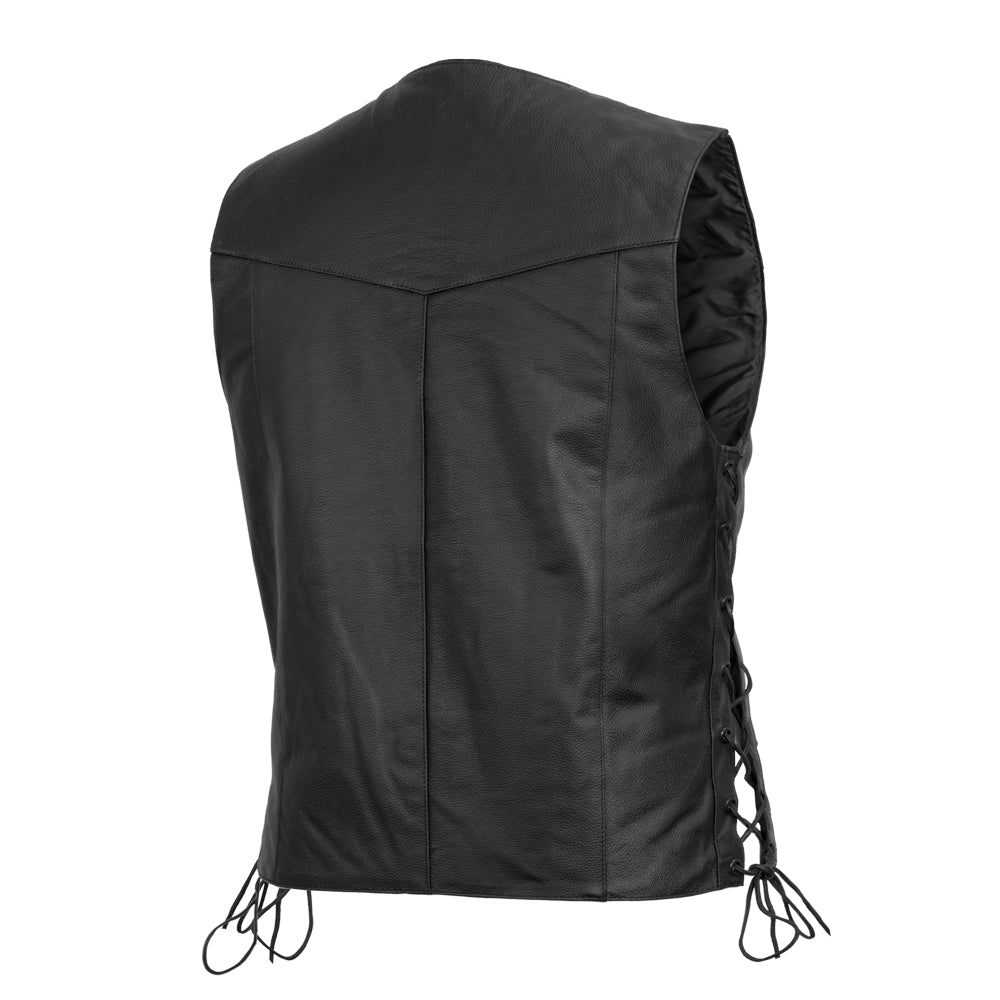
Side-Lace Vests: These use lacing along the sides instead of a fixed seam, letting riders adjust the fit for layering or as their body changes over time. They're a popular choice for riders who want a more custom, adjustable fit.
-
Concealed-Carry Vests: Built with reinforced interior gun pockets, these are designed for riders who carry a firearm and want secure, accessible, legal storage (subject to state and local laws).
-
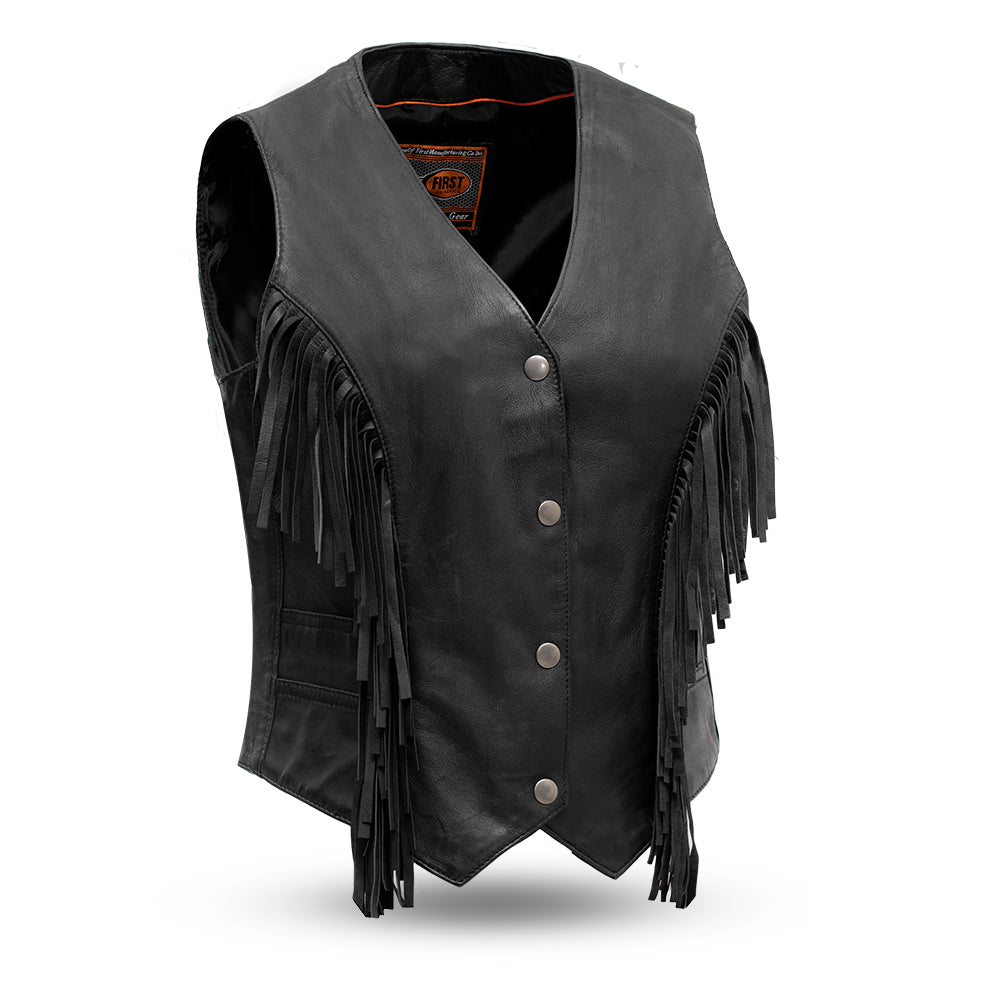
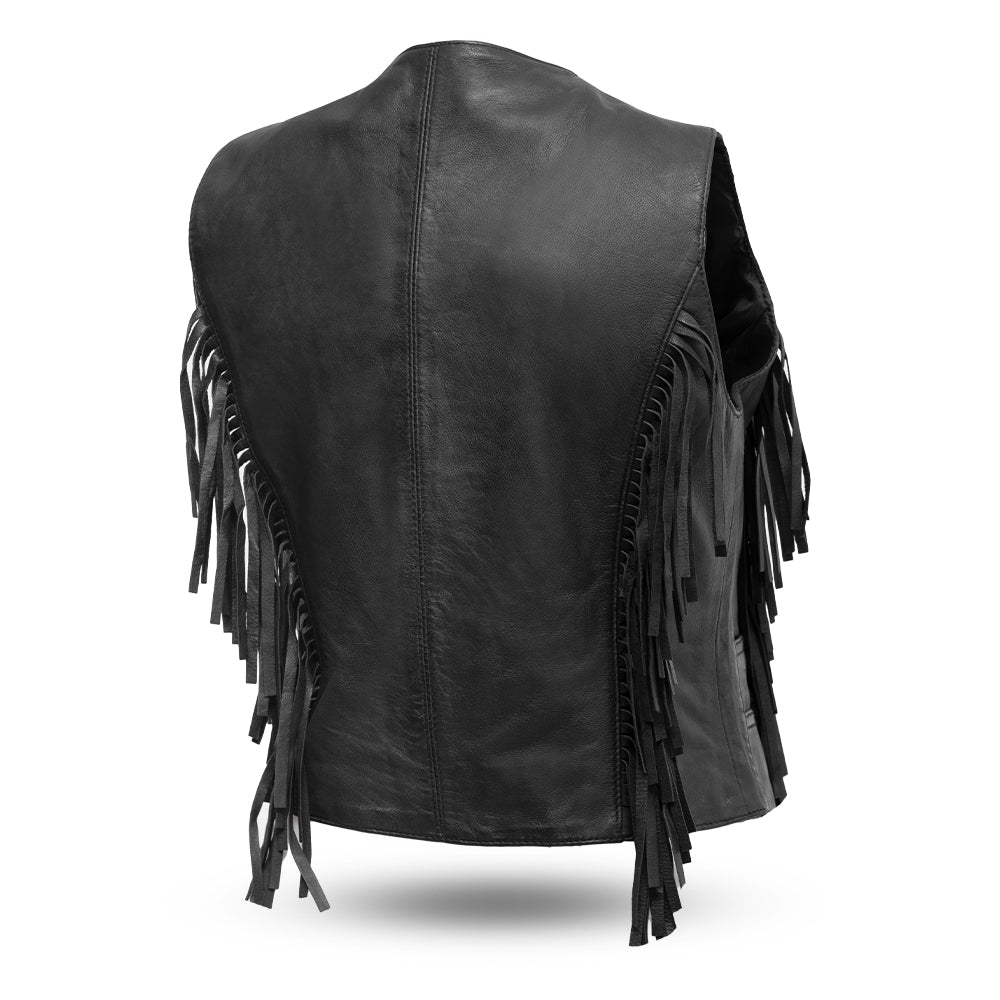
Women's-Cut Vests: A women’s leather motorcycle vest is tailored with a narrower waist and shorter length to follow a woman's natural silhouette, rather than simply being a scaled-down version of a men's pattern.
-
Custom vests: Made to order rather than off the rack, custom motorcycle vests let riders choose their own leather type, fit, pocket layout, and embroidery or patch placement. Making them a popular choice for riders who want a vest that's truly their own.
How to Choose the Right Leather Motorcycle Vest
Picking the right vest comes down to a handful of factors: leather type, fit, features, and build quality.
-
Leather type: Cowhide is the most common choice, thick, durable, and abrasion-resistant, making it ideal for daily riding. Buffalo leather is even thicker and more rugged, with a longer break-in period. Lambskin is soft and lightweight but far less durable, better suited for fashion vests than serious riding gear.
-
Men's Fit: A men’s leather motorcycle vest should sit close to the body without restricting shoulder movement, while leaving enough room to layer a shirt or light jacket underneath. The length should fall around the hip, not past it, to help prevent flapping at highway speeds.
-
Women's fit: Typically cut with a more tapered waist and shorter length, following the natural waistline without pulling across the shoulders or chest when leaning forward on the bike.
-
Closures: Snap-front vests are quick to use even with gloves on; side laces allow for a more adjustable, custom fit as layering needs change.
-
Gun pockets: Concealed interior pockets for secure, legal carry, where permitted by state law.
-
Leather weight and quality: Heavier, full-grain leather (2-3 oz or higher) holds up far better over time than thin or bonded leather.
-
Stitching: Double or reinforced stitching at stress points (shoulders, side seams) signals a vest built for real riding, not just fashion.
-
Pocket layout: Interior zip pockets for valuables, plus room for patches if that matters to you.
-
Brand reputation: Look for manufacturers known specifically for motorcycle gear rather than general fashion leather.
Are Leather Vests Enough Protection on Their Own?
It's worth being upfront: a leather vest alone isn't a substitute for full protective gear on longer or higher-speed rides. Because the arms and forearms are exposed, road rash risk in those areas is higher than with a jacket. Most experienced riders treat the vest as one piece of a broader safety approach rather than the only layer of protection, especially pairing it with:
-
Over-the-ankle boots
How to Care for Your Leather Vest
A quality leather vest can last for decades with the right care:
-
Clean regularly: Wipe down with a damp cloth after dusty or rainy rides, and use a leather-specific cleaner every few months.
-
Condition the leather: Apply a leather conditioner every 3-6 months to prevent cracking and keep it supple.
-
Dry properly: If it gets soaked in the rain, let it air dry away from direct heat; never use a hair dryer or heater, which can cause cracking.
-
Store correctly: Hang it on a wide, padded hanger in a cool, dry place, away from direct sunlight, to keep its shape.
-
Avoid overloading pockets: Stuffing heavy items in pockets over time can stretch and deform the leather.
Keeping your vest clean after long rides helps preserve its look, feel, and durability. For the right cleaning routine, check out our guide on How to Clean a Leather Vest
Conclusion
Motorcycle riders wear leather vests because nothing else offers the same mix: real protection, freedom of movement, breathability, and decades of meaning in American biker culture. It's practical gear and personal statement in one.
If you ride regularly, especially in warmer weather or on shorter routes, a leather vest is worth adding to your gear. Look for brands built specifically for riders, like First MFG Co., known for quality leather and construction that holds up to real road use, to make sure you're getting a vest that performs as good as it looks.
Frequently Asked Questions
Do leather vests protect bikers in a crash?
Leather vests provide solid abrasion resistance for the torso in the event of a slide or fall. However, since the arms remain uncovered, they don't offer the same level of protection as a full jacket.
How durable is leather compared to other motorcycle vest materials?
Leather is significantly more durable than synthetic or denim alternatives. A well-maintained leather vest can last for decades, while fabric options tend to wear out or tear much sooner.
Why do bikers prefer vests for better arm movement?
Without sleeves, a vest places no restriction on shoulder or arm motion, making it easier to steer, brake, and signal comfortably while riding.
Why do bikers wear vests instead of jackets in hot weather?
Jackets trap heat, which can make riding uncomfortable in warm conditions. A vest allows better airflow around the arms and shoulders while still protecting the torso.
Are leather vests practical for carrying riding essentials?
Yes. Most leather vests include interior and exterior pockets suited for a wallet, phone, or small tools, making it easy to ride without an additional bag.
What does a leather vest represent in biker culture?
A leather vest, often called a "cut," represents identity and belonging within motorcycle culture. Patches and pins can indicate club membership, rank, or personal milestones.
Does a leather vest add less weight than a full jacket?
Yes. A vest is noticeably lighter than a jacket, which can help reduce shoulder and back fatigue on longer rides.
Is it legal to carry a firearm in a leather vest's gun pocket?
A gun pocket doesn't override state or local concealed carry laws. Riders should hold a valid permit where required and confirm the relevant regulations in their state before carrying a firearm.
Should I wear a leather vest alone or over a jacket?
A vest alone is generally suitable for short, low-speed rides. For highway travel or longer distances, it's safer to layer the vest over a jacket for added coverage.