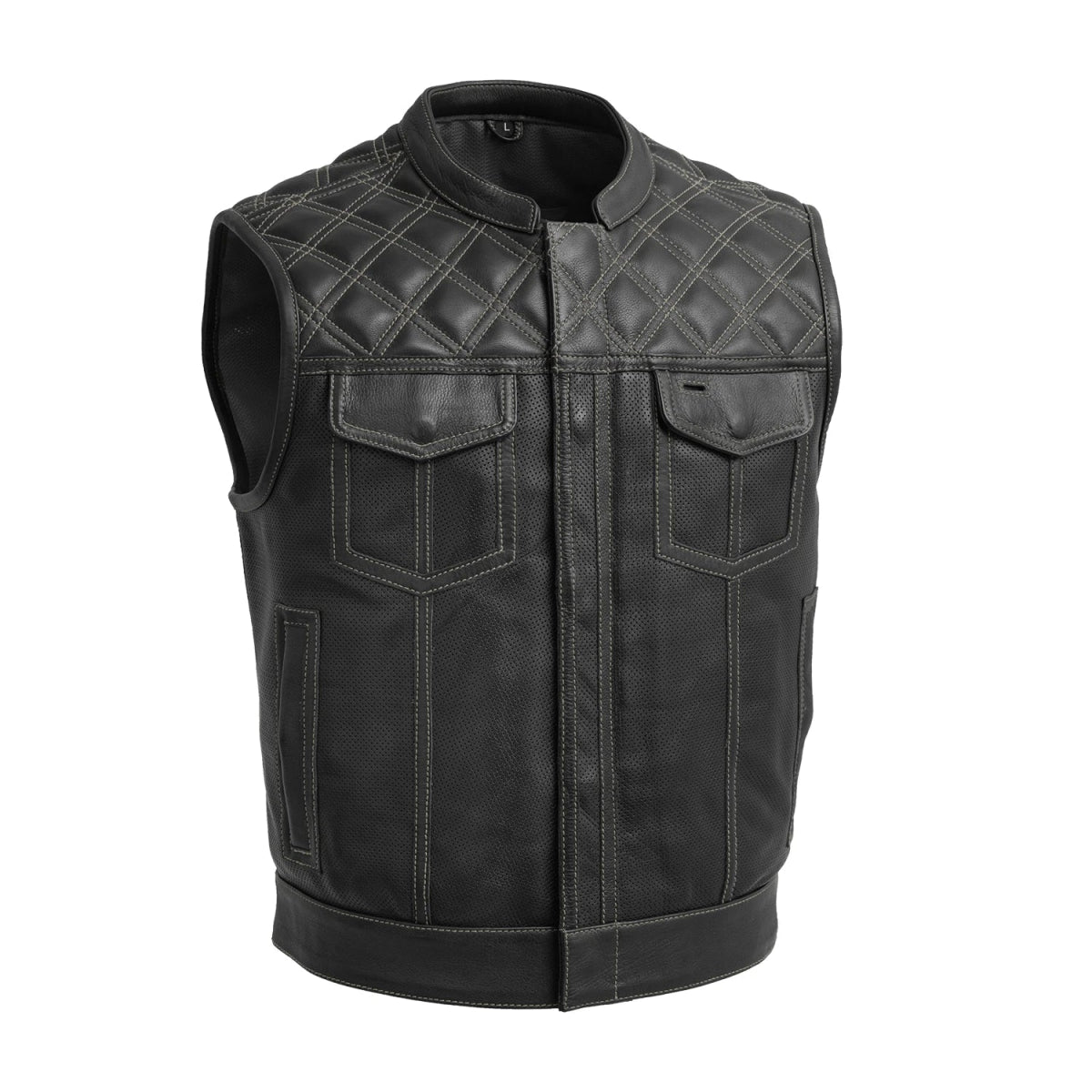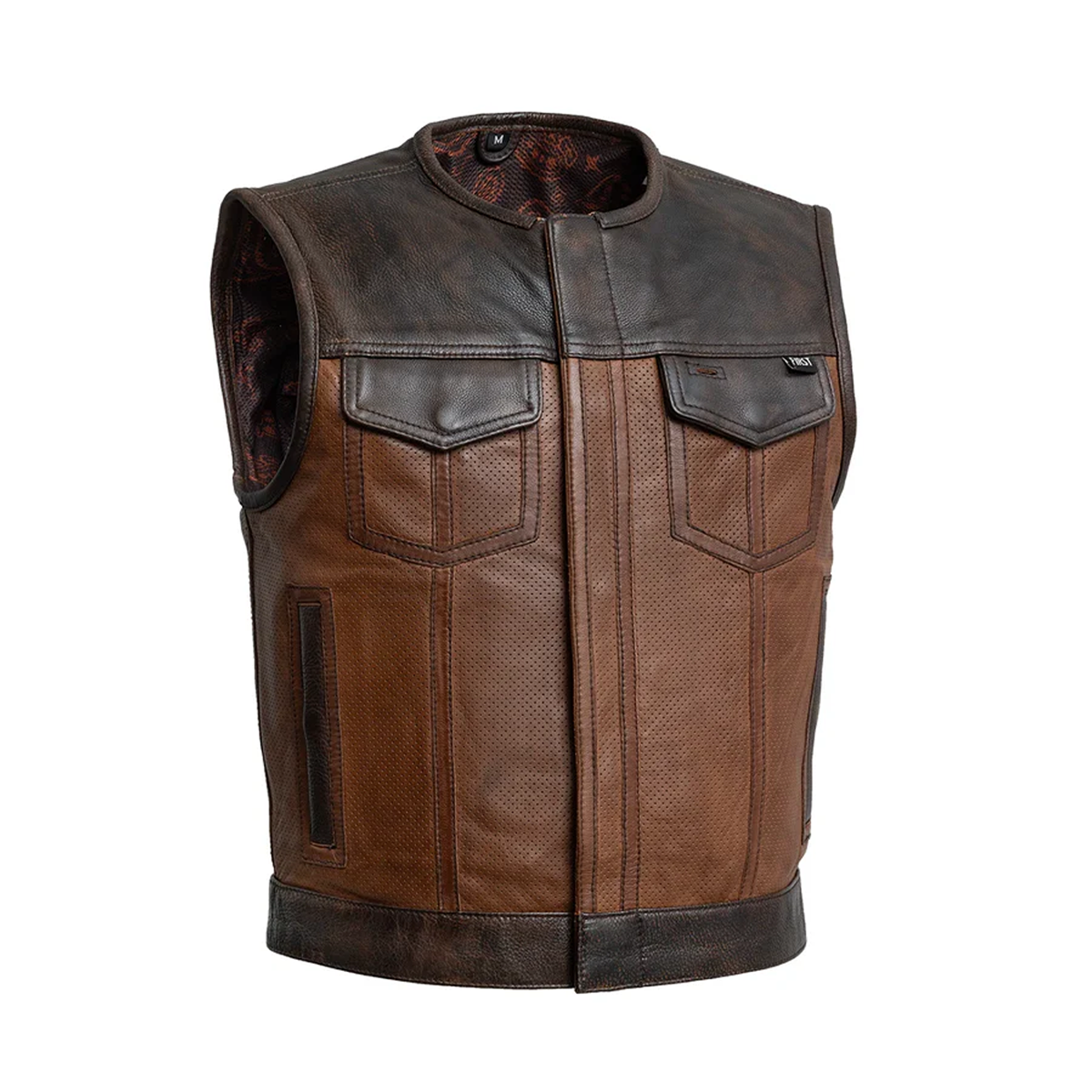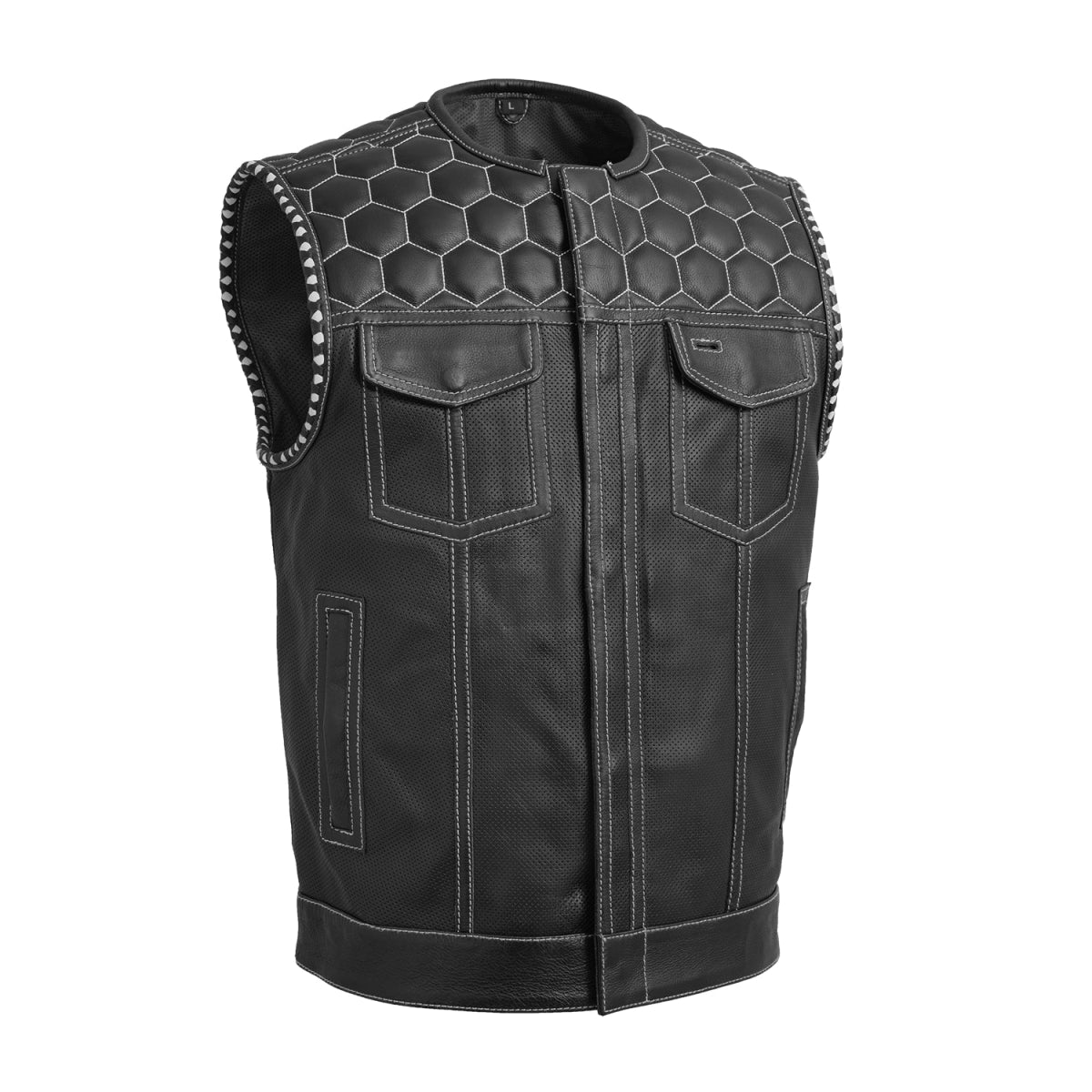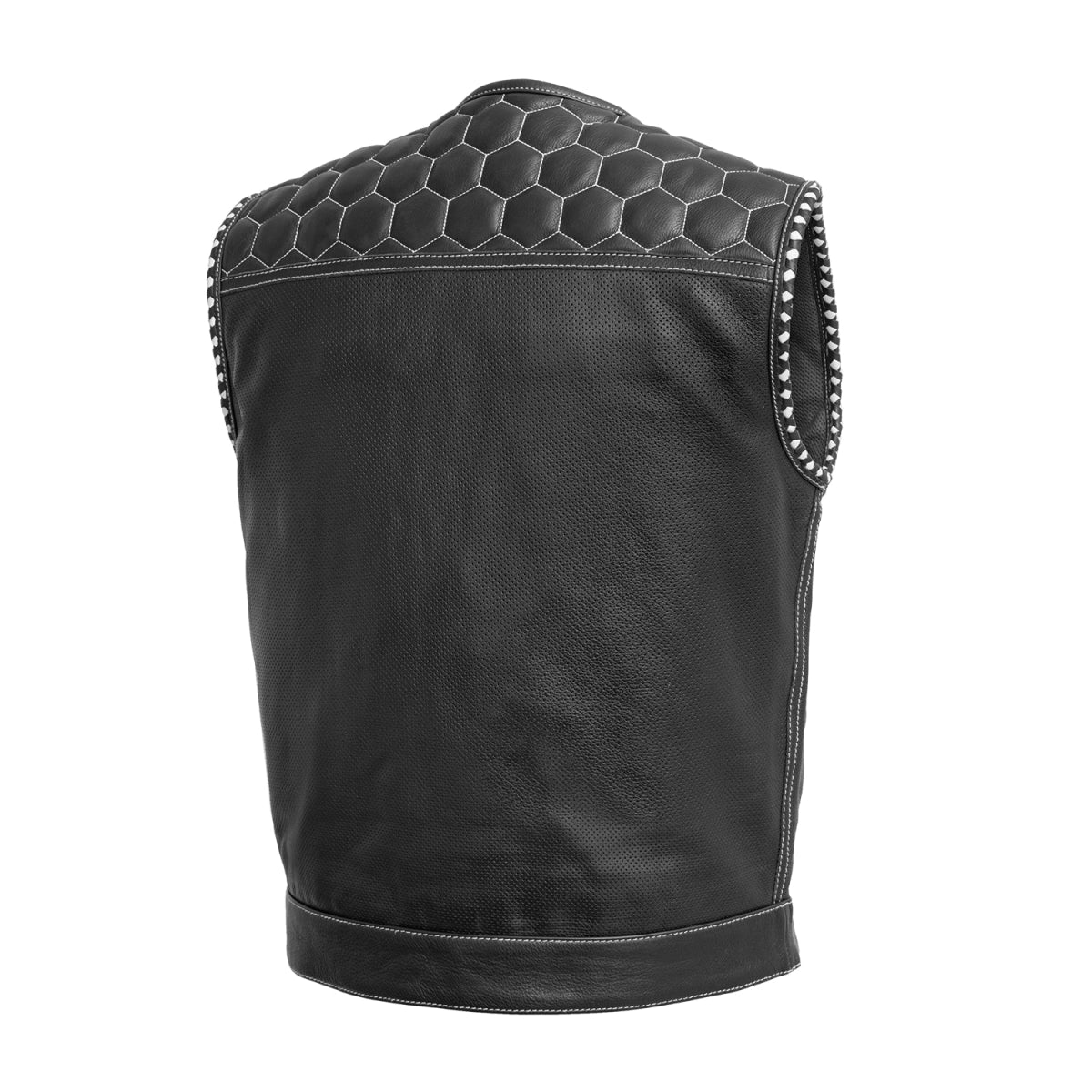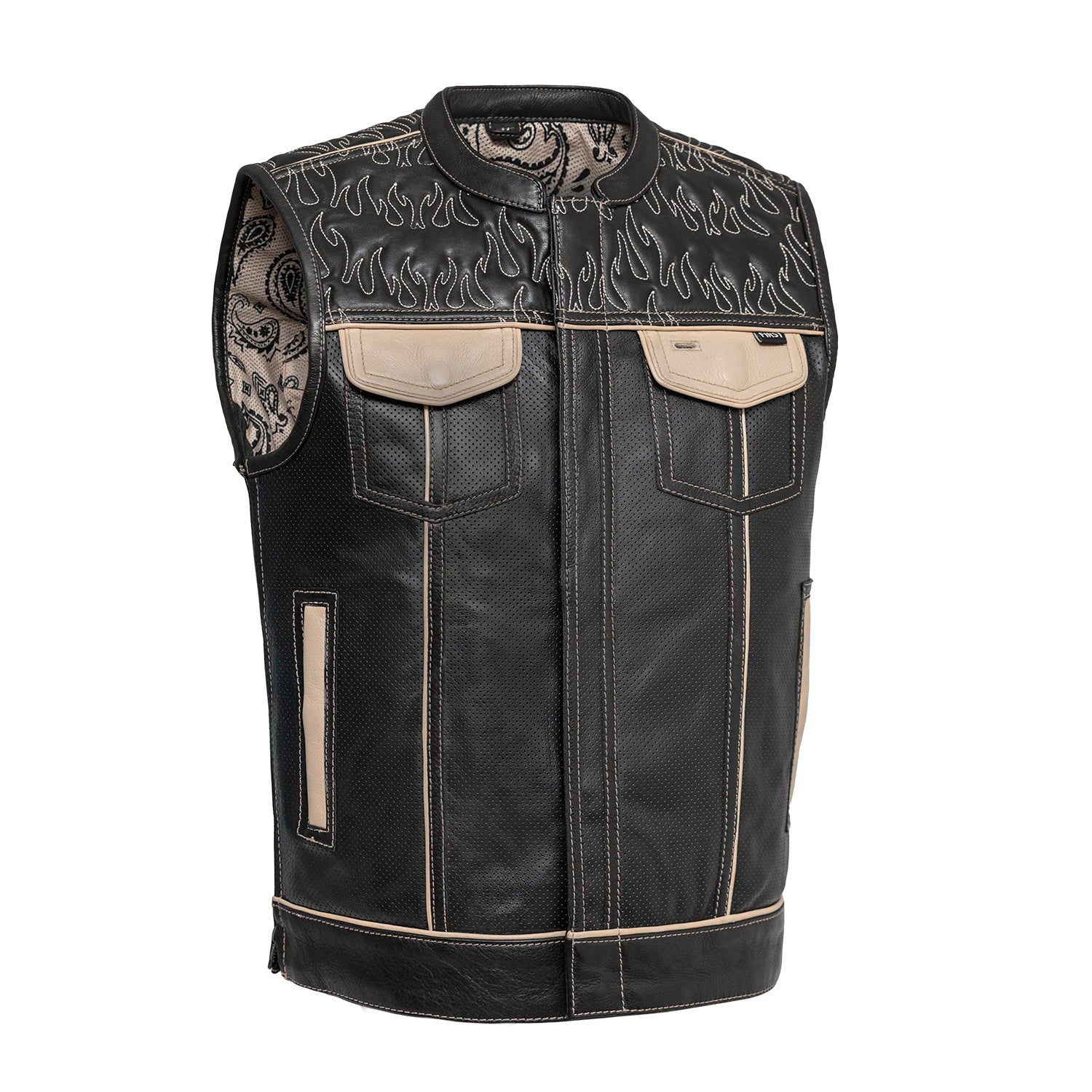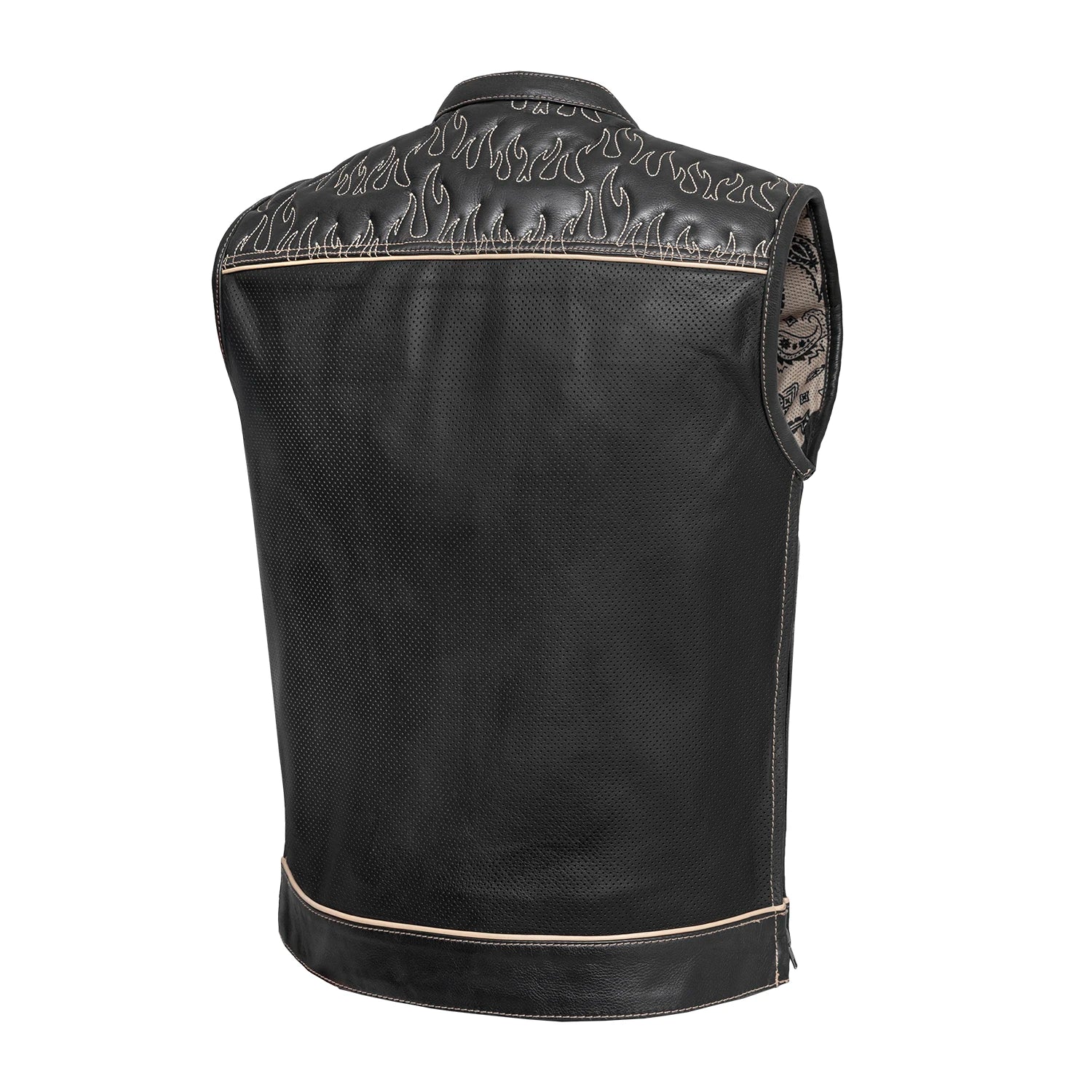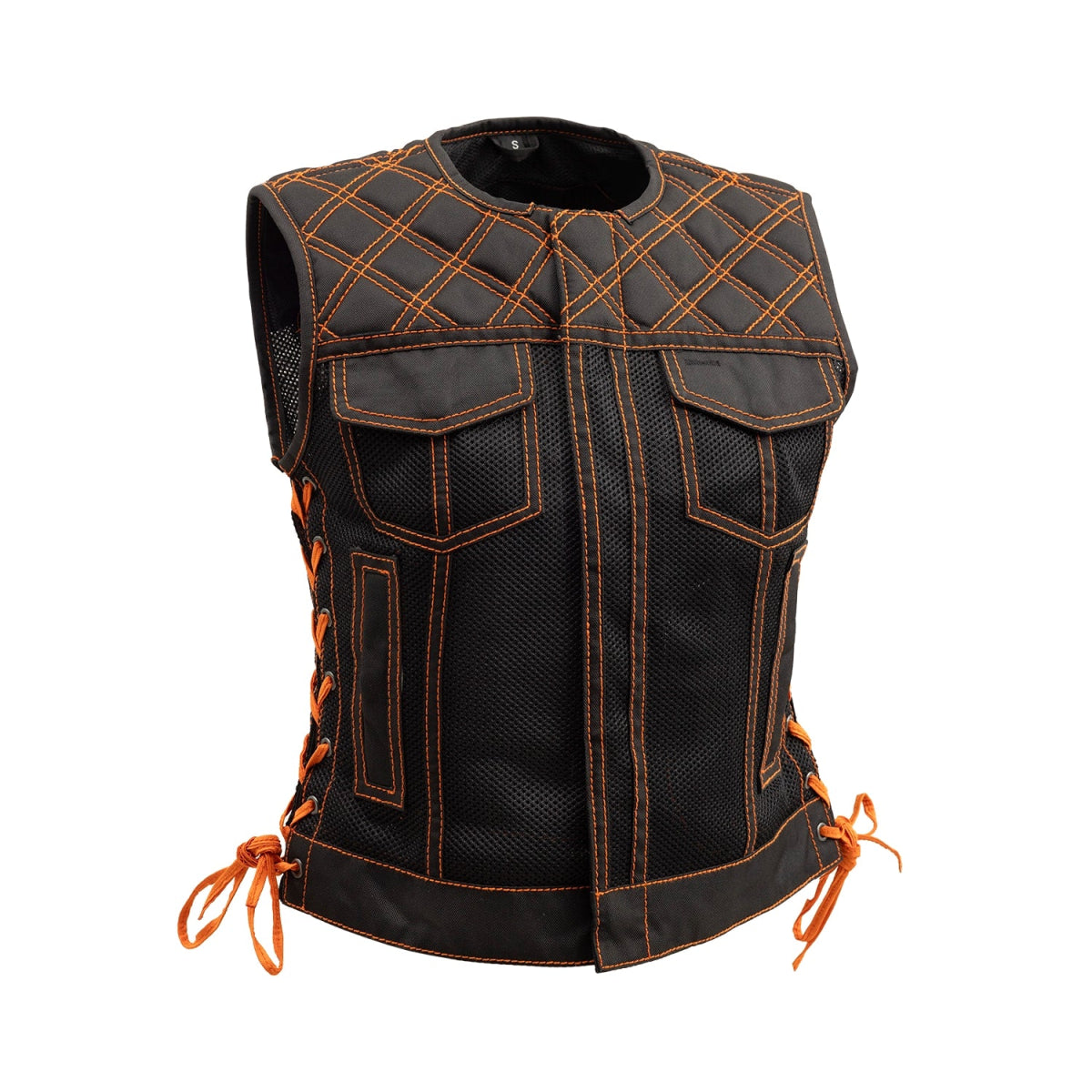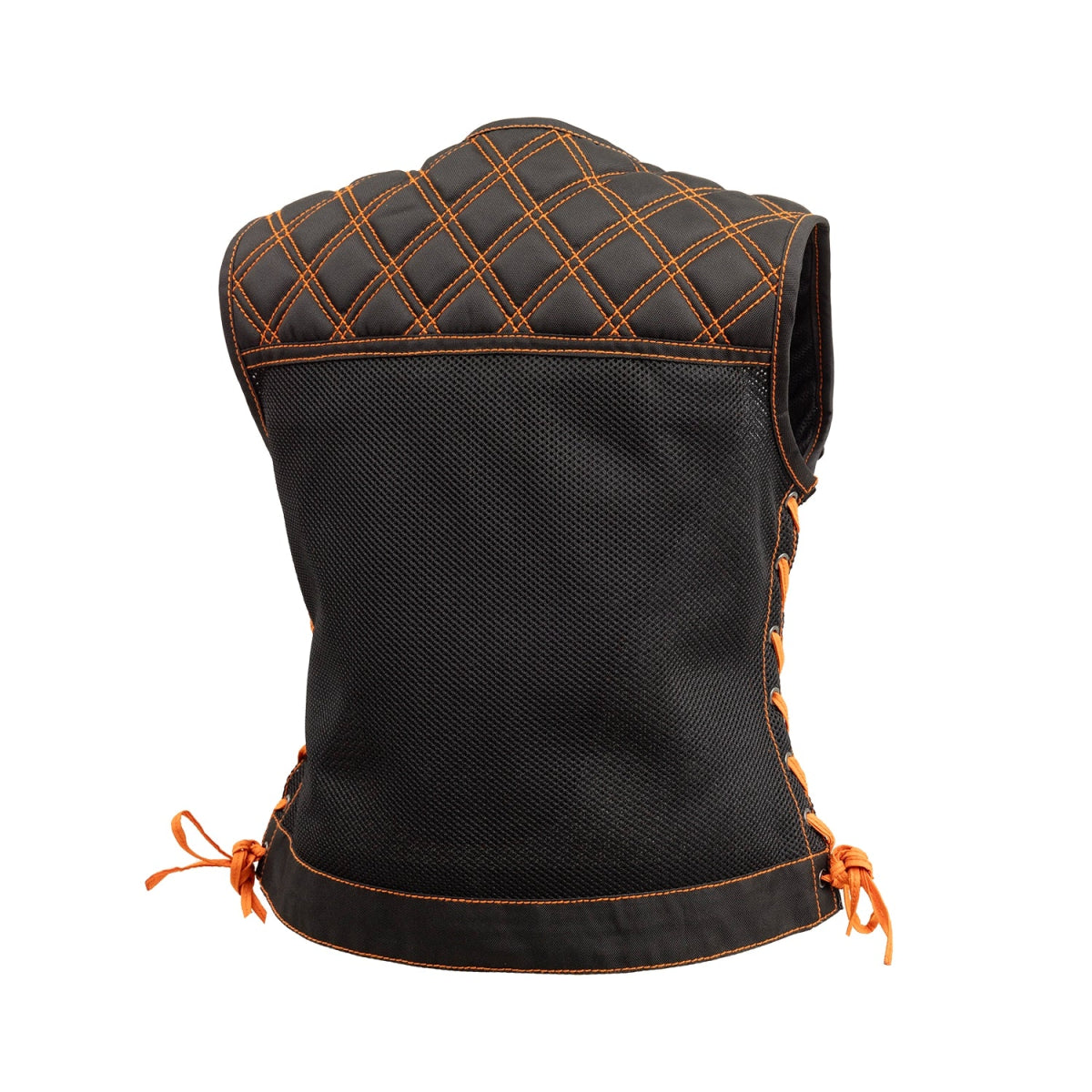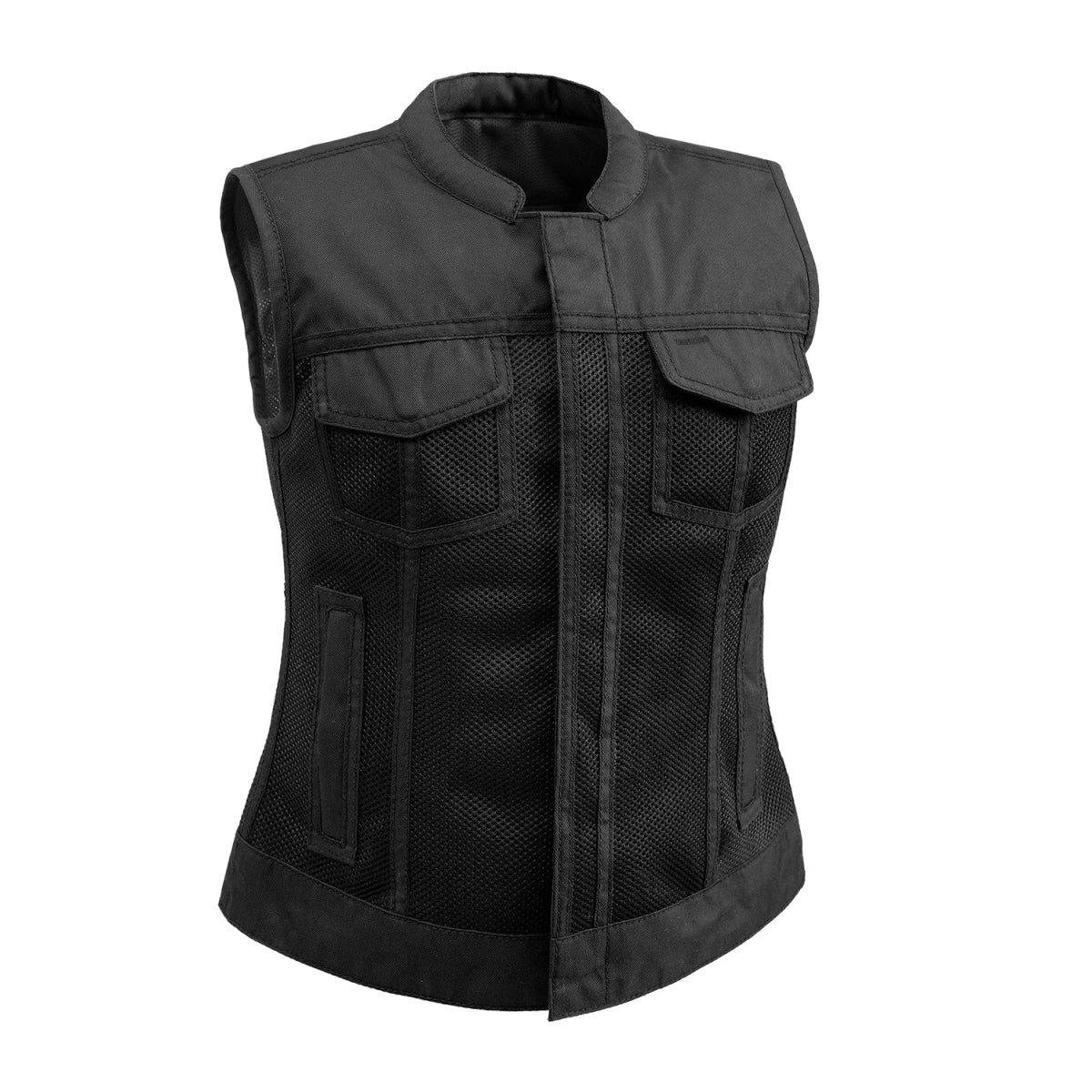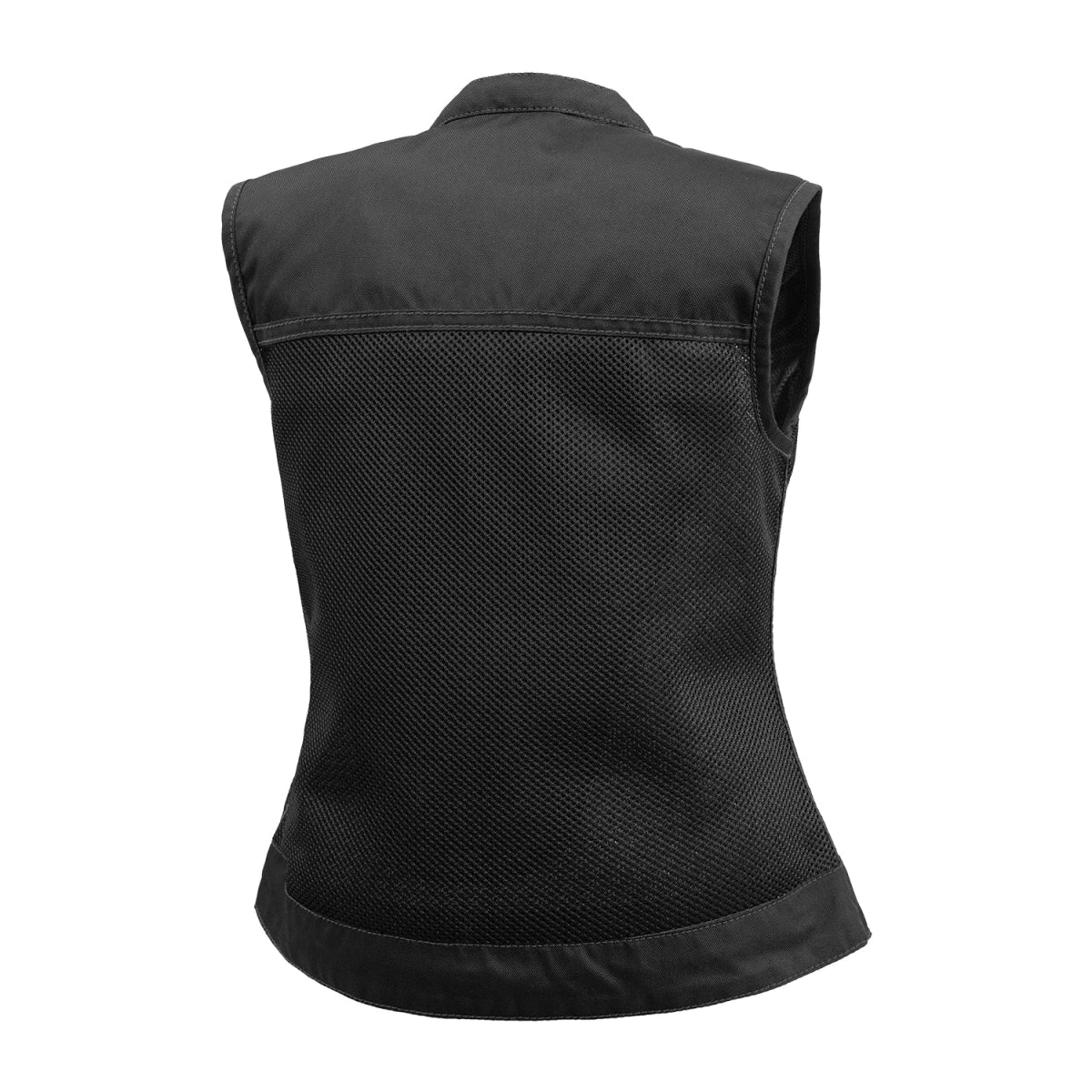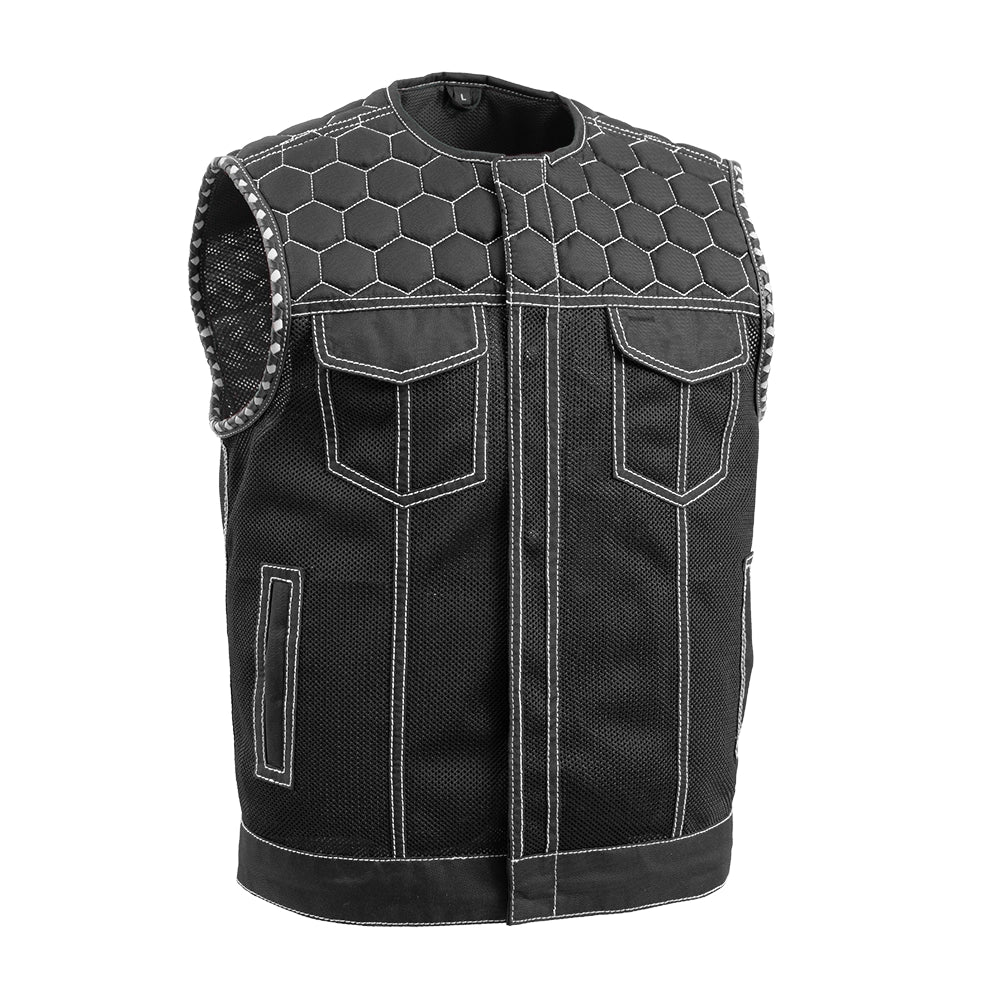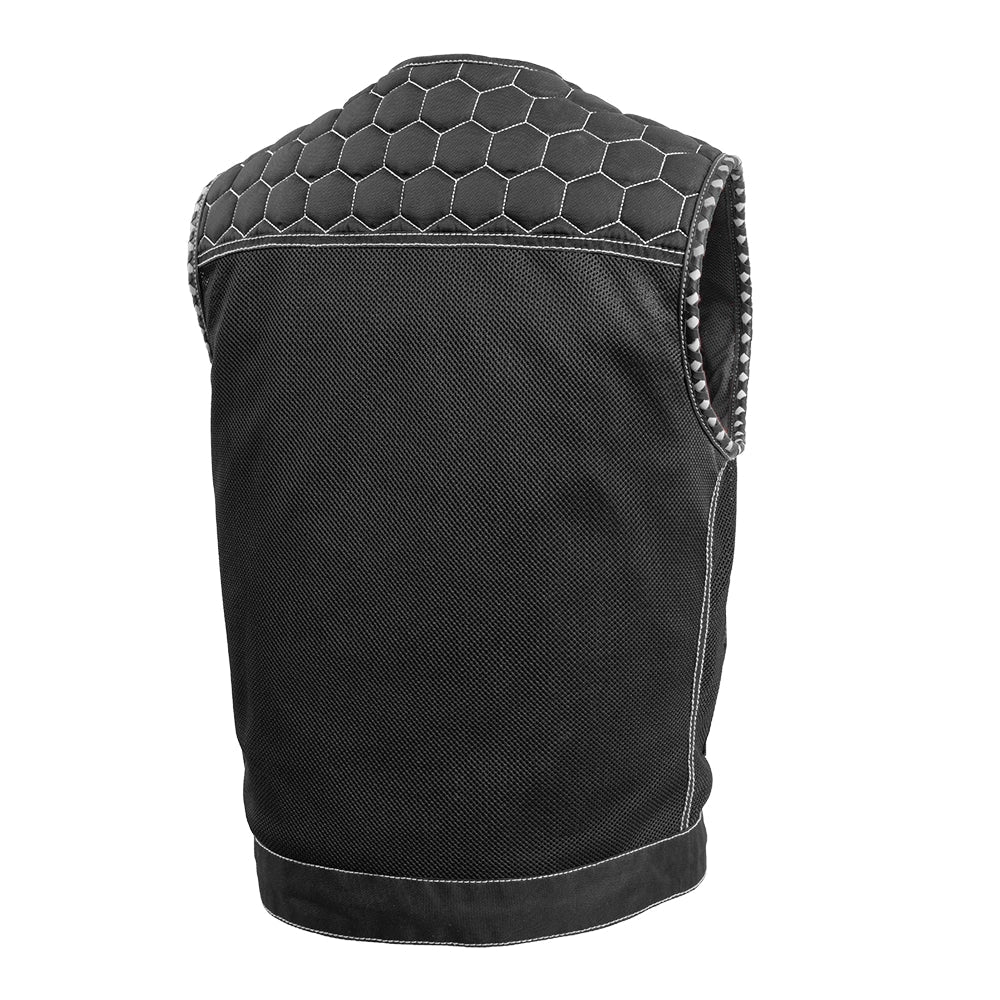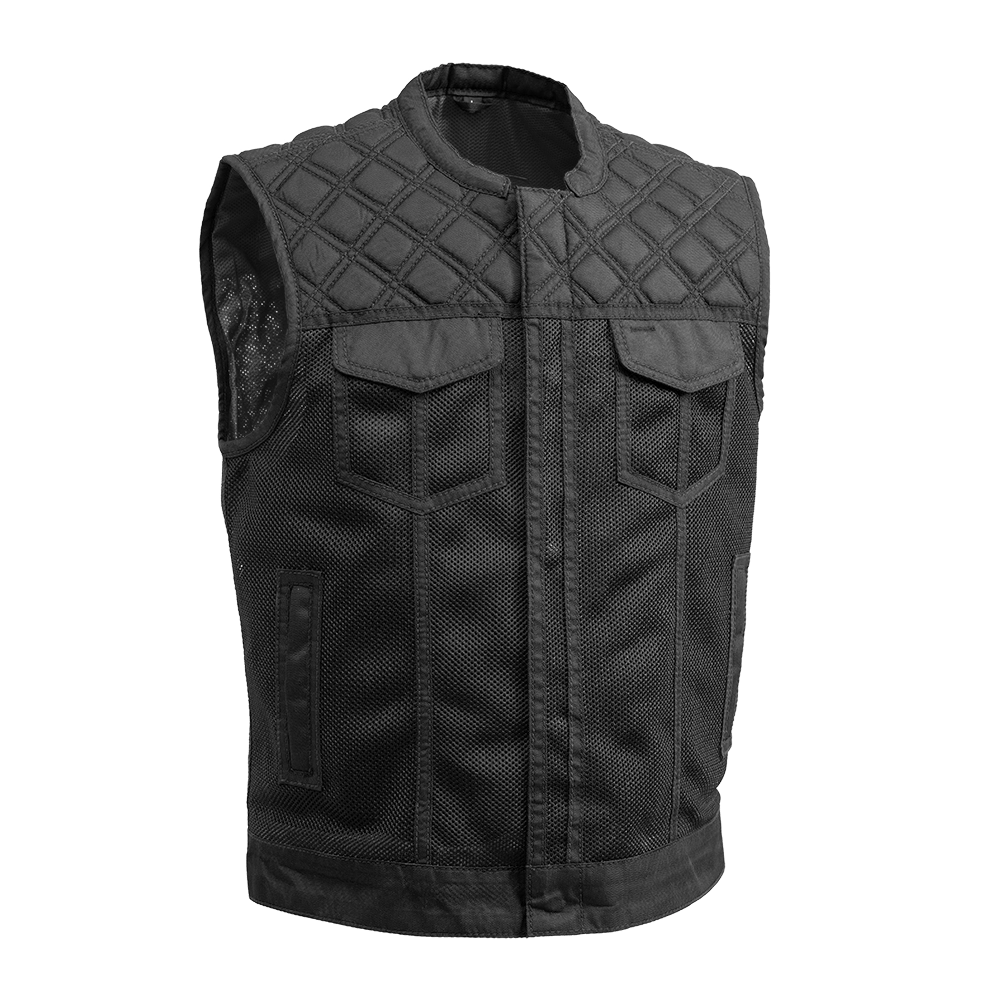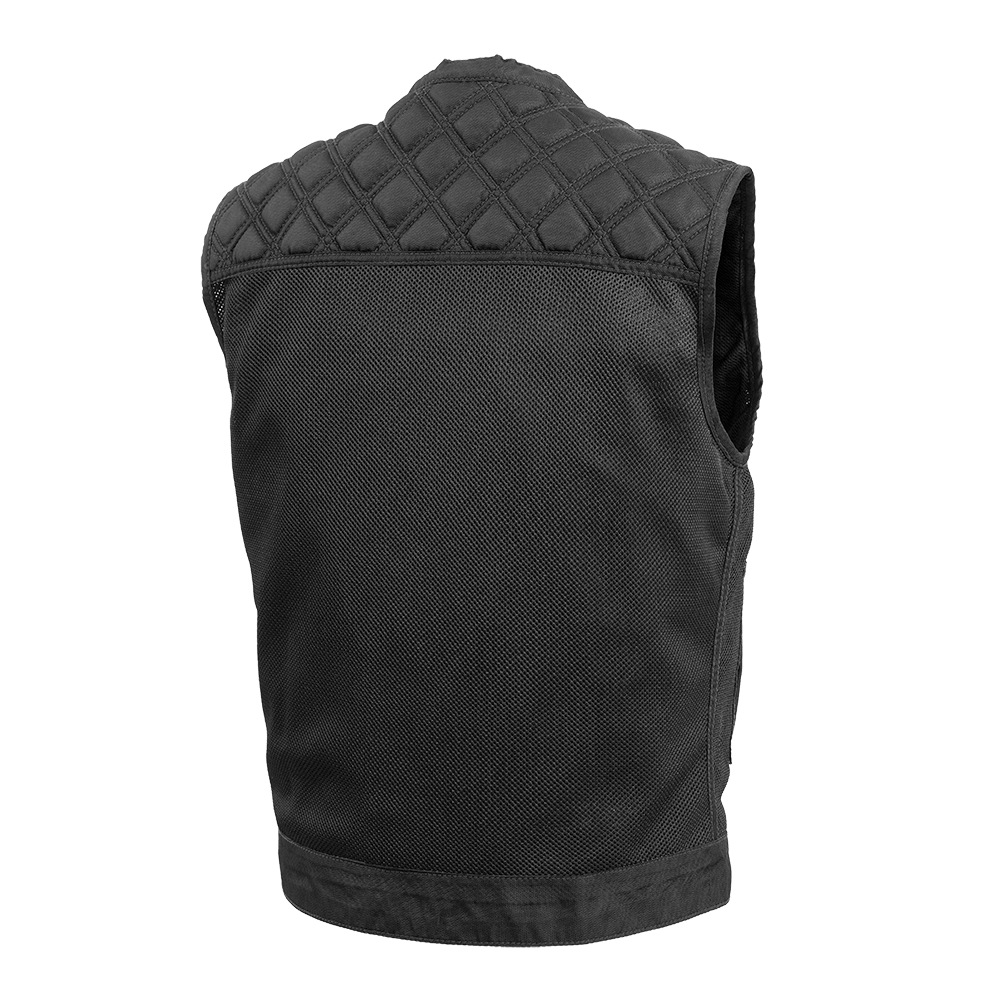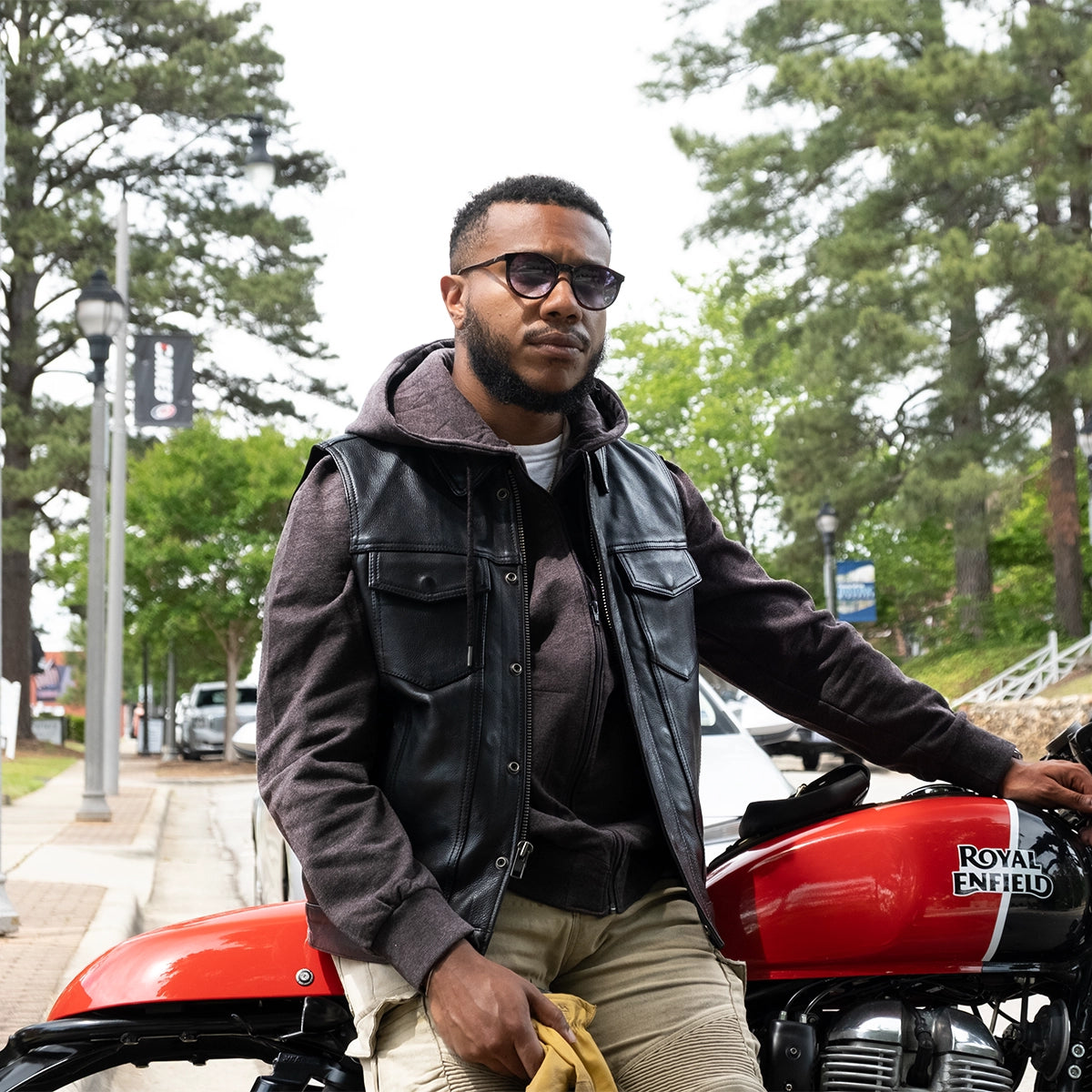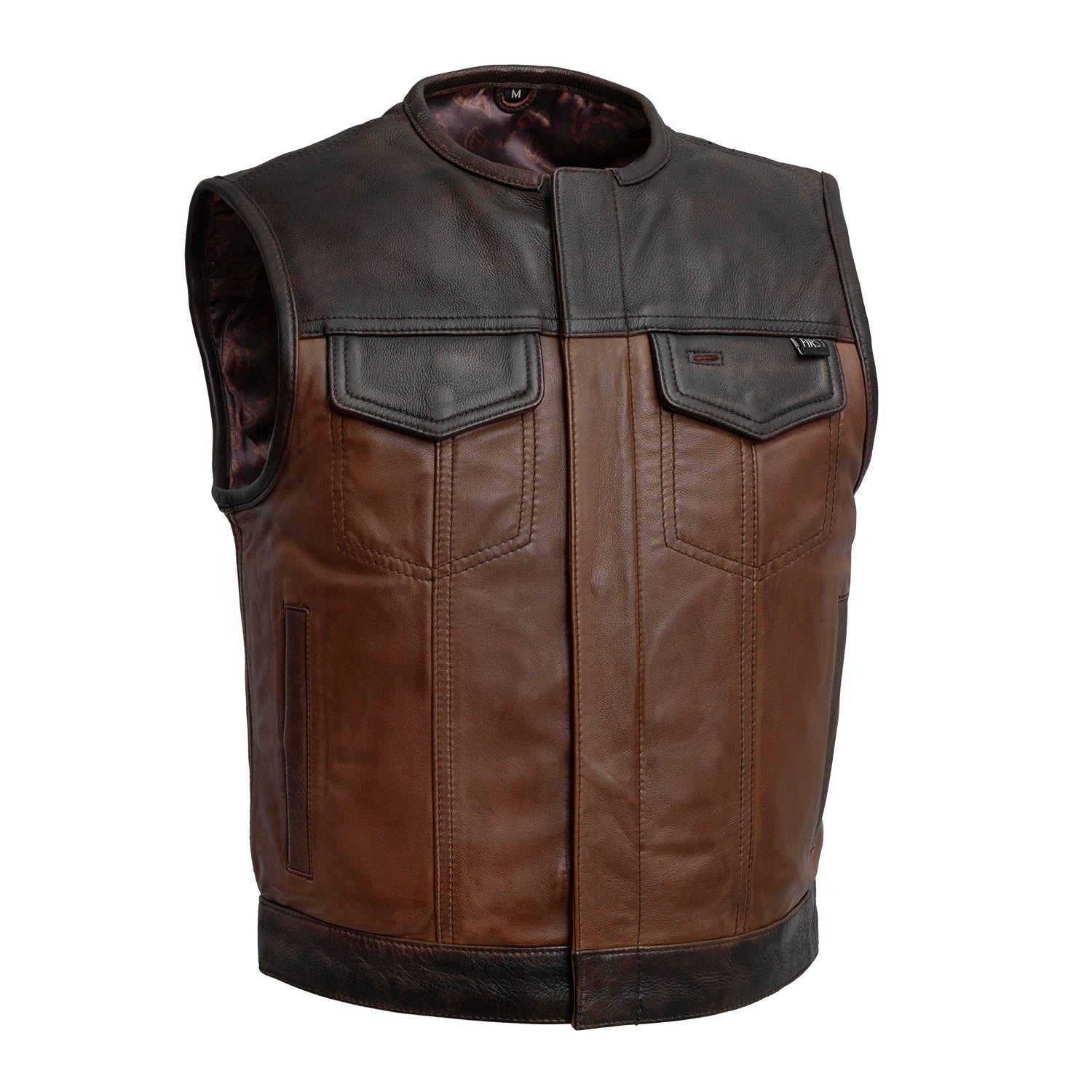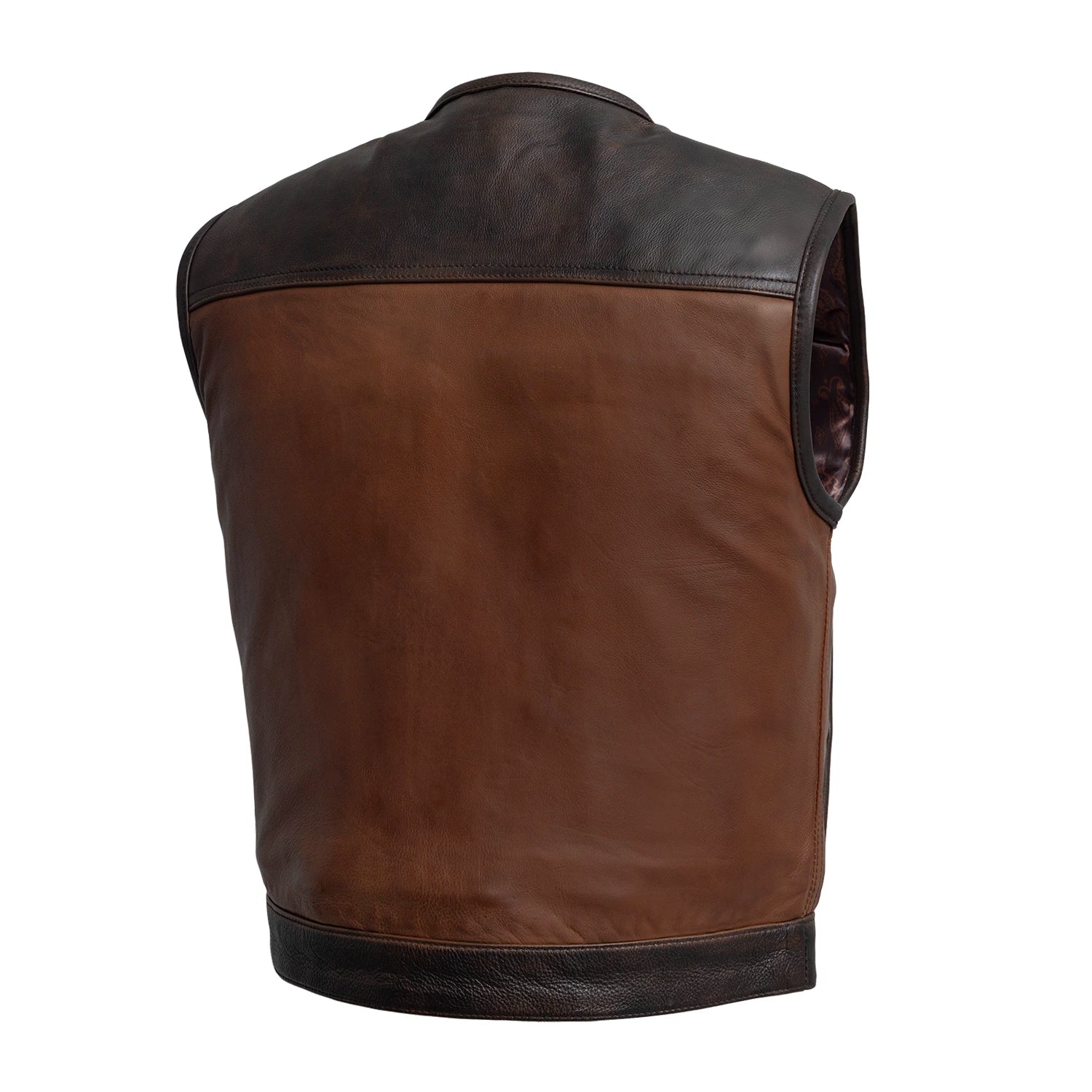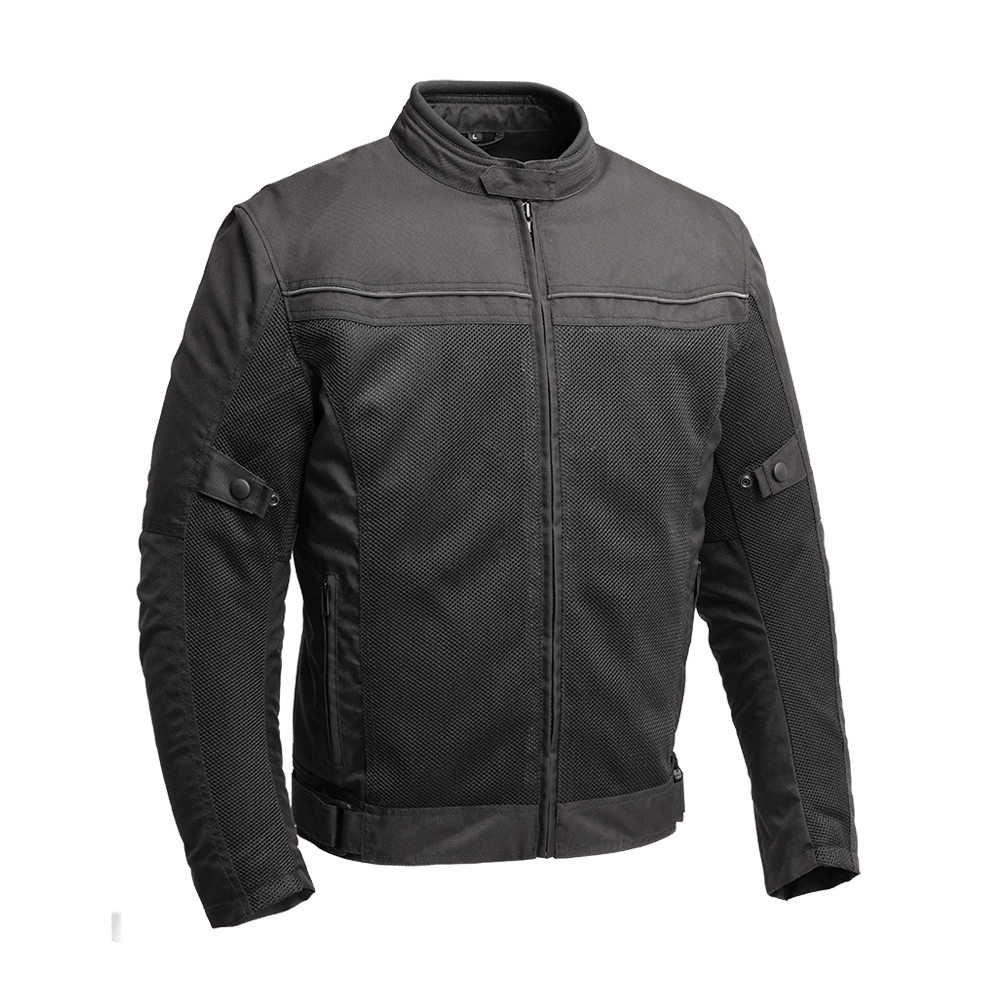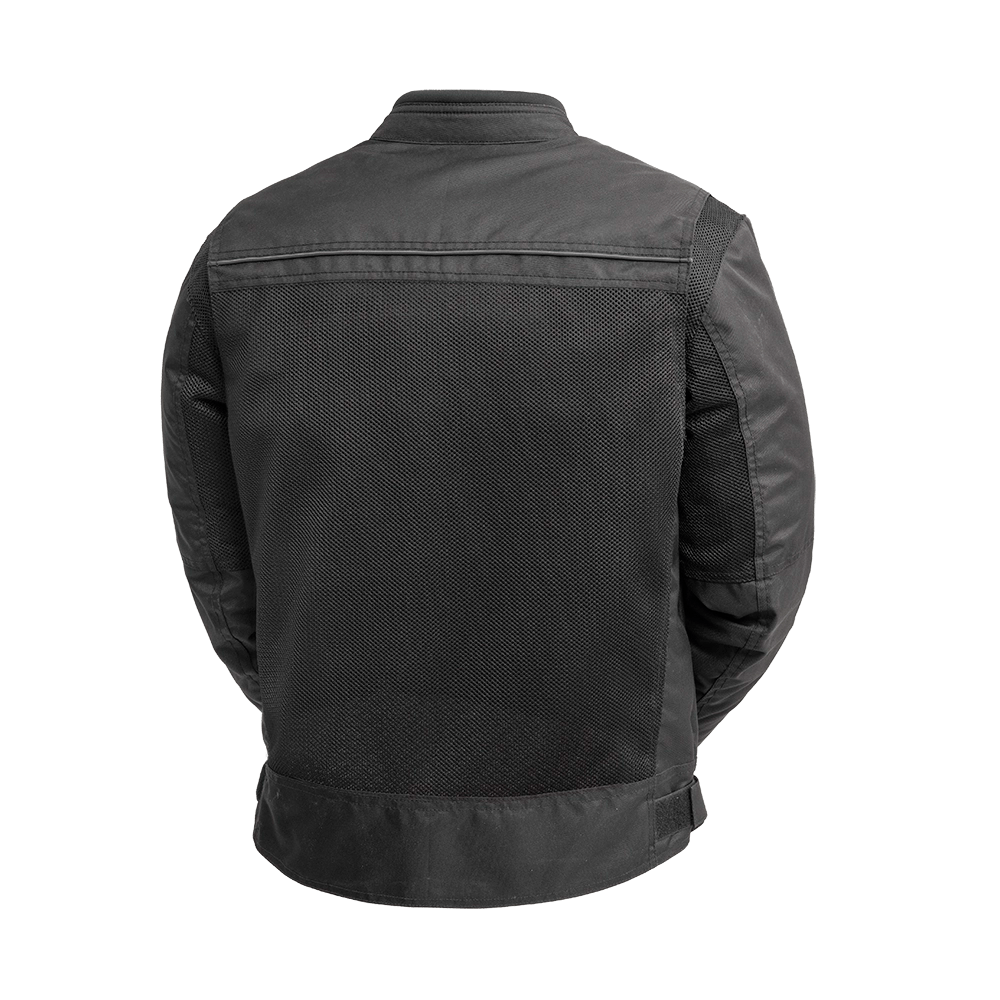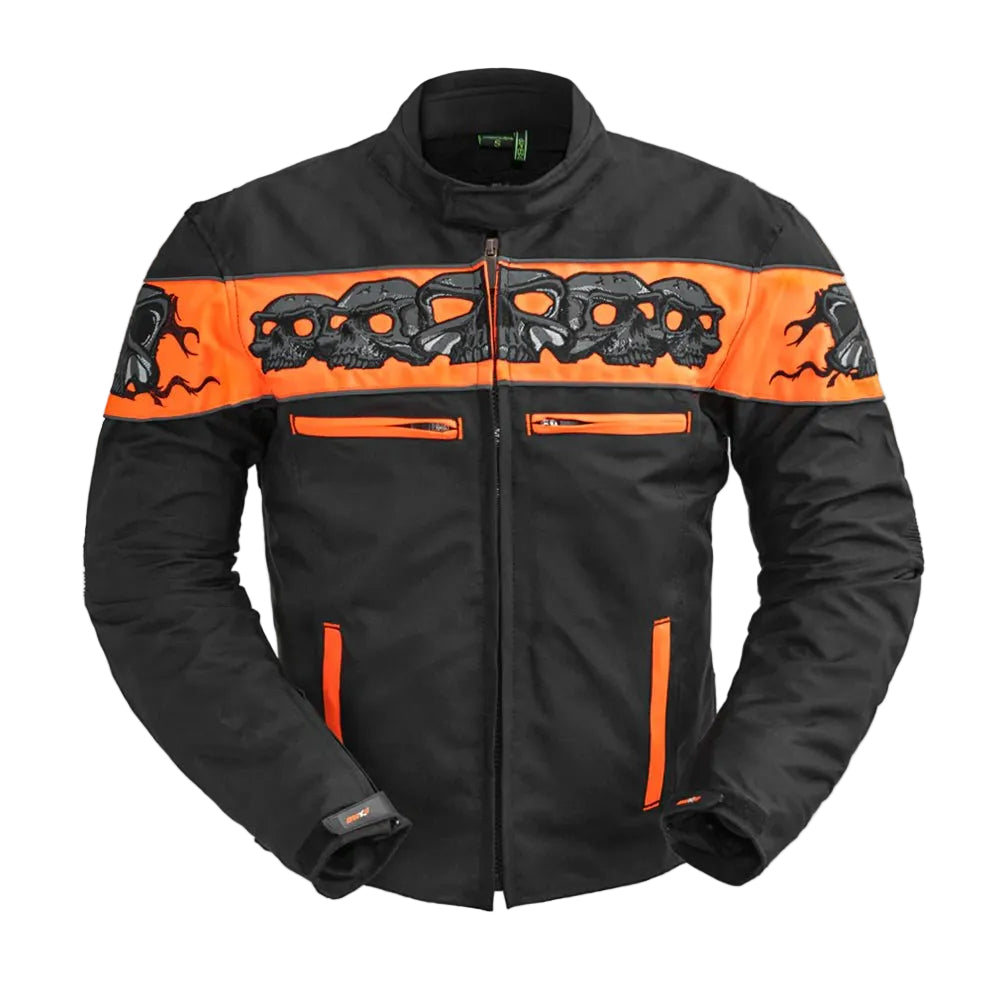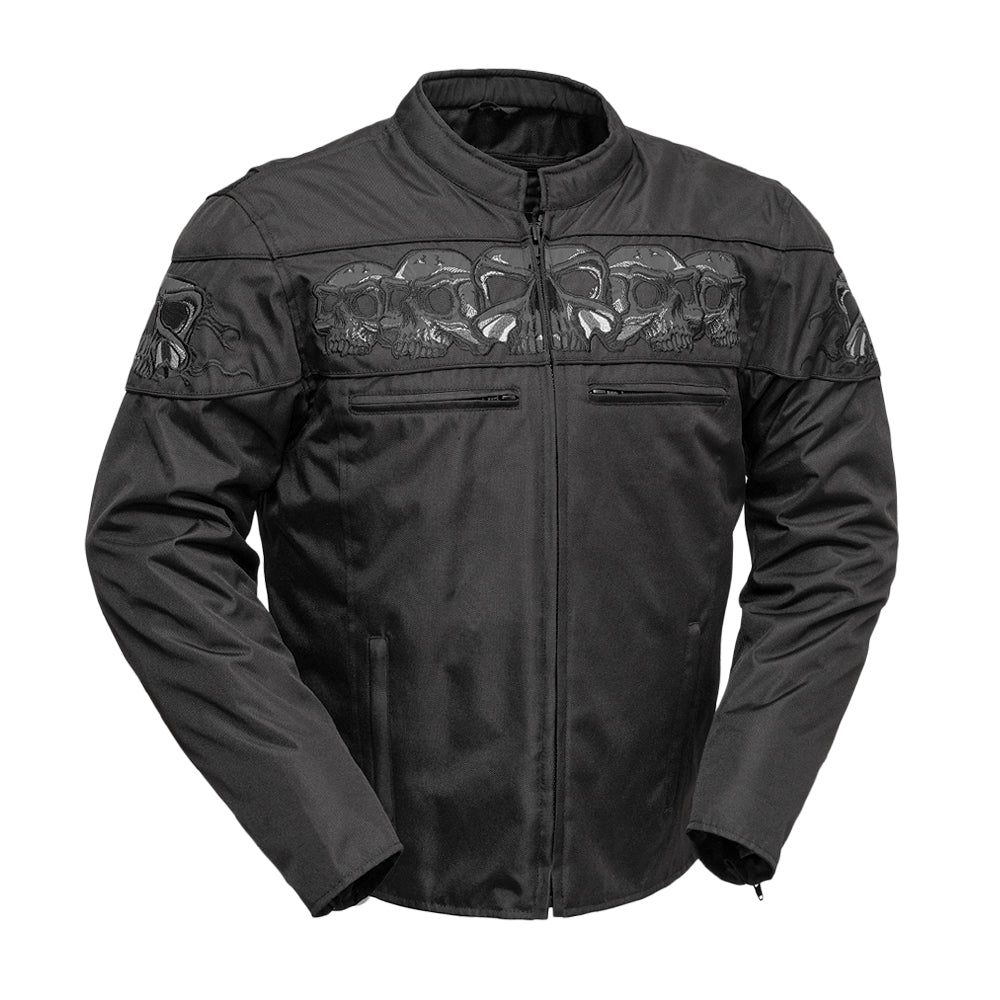
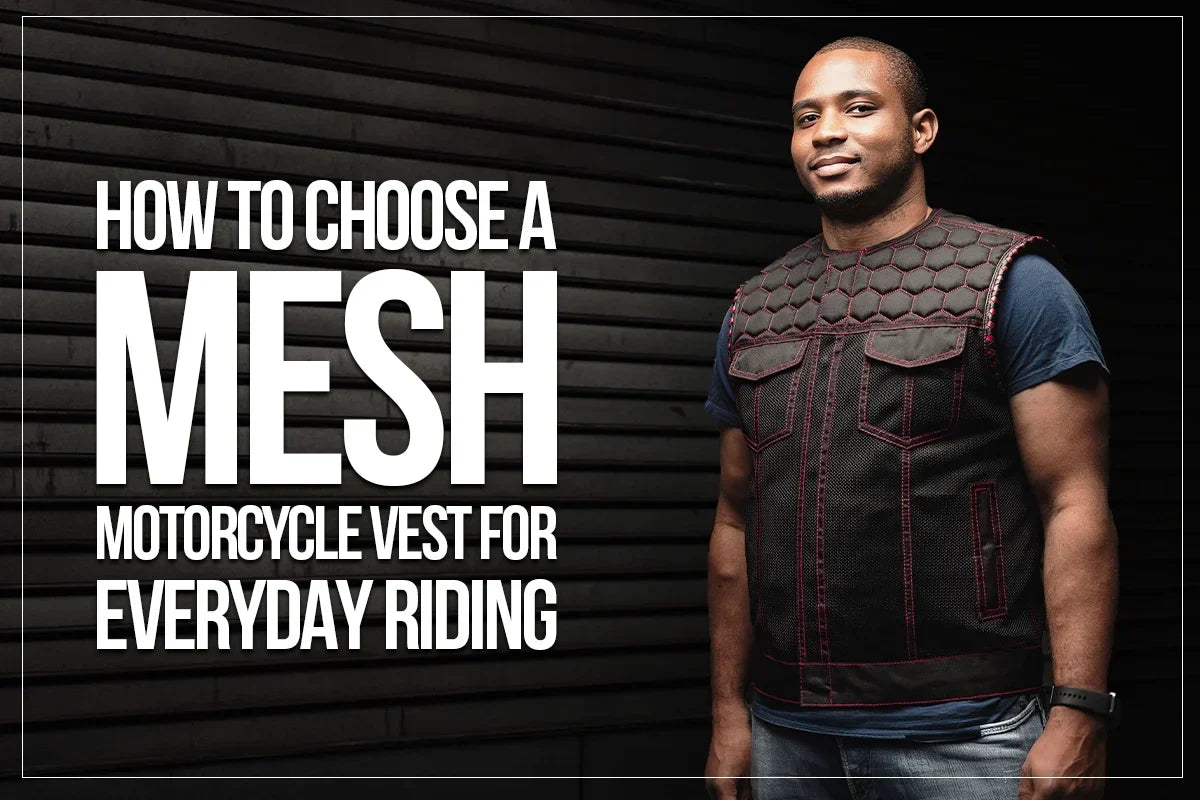
If you are a passionate rider who continues to ride even on hot days yet requires optimal protection on a bike, a mesh motorcycle vest is one of the smartest pieces of gear you can own. It moves air, carries armor, packs small, and works over a T-shirt without turning into a furnace on your back. This guide covers what to look for when buying, how to size it, and answers why it earns a permanent spot in your everyday riding routine.
What Is a Mesh Motorcycle Vest?
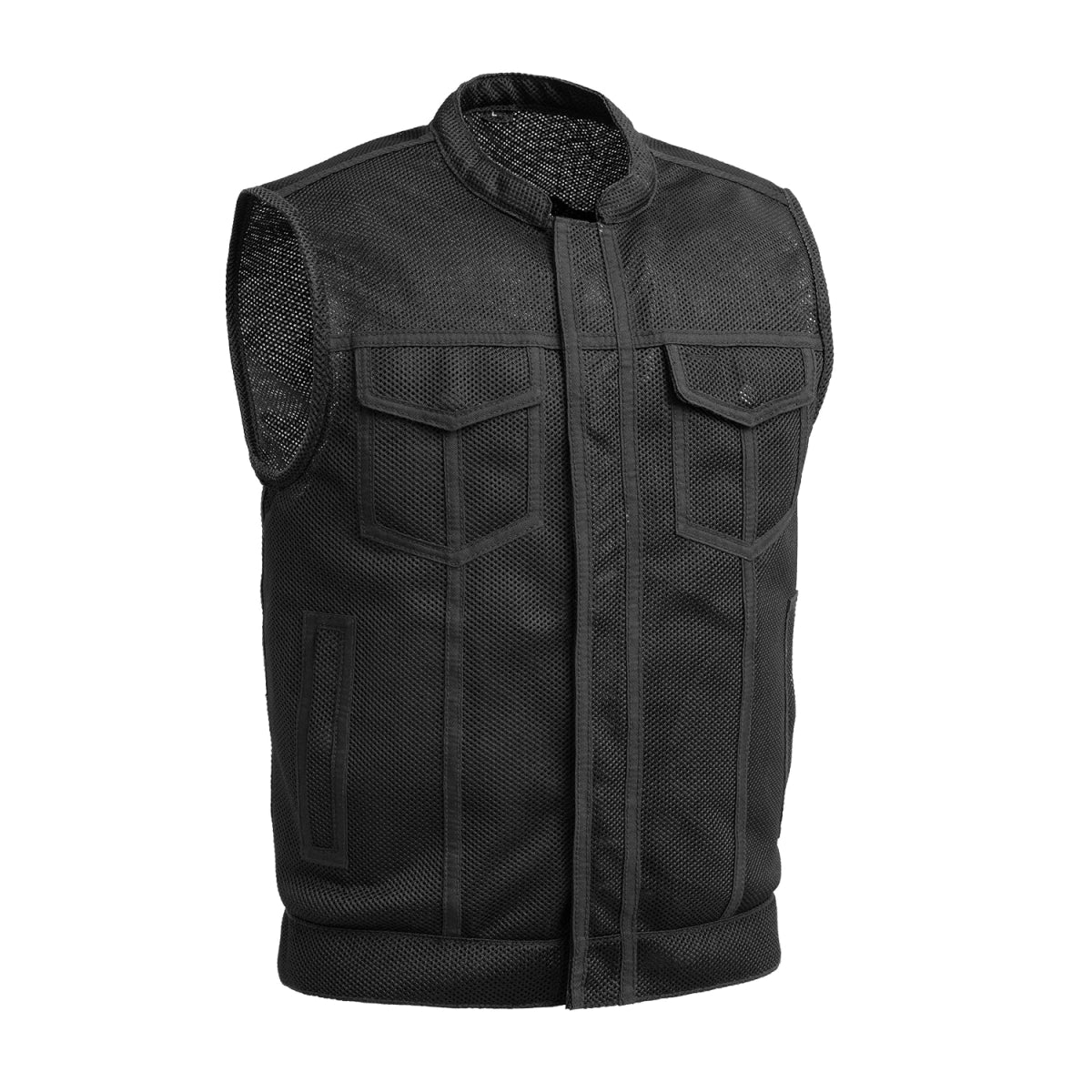
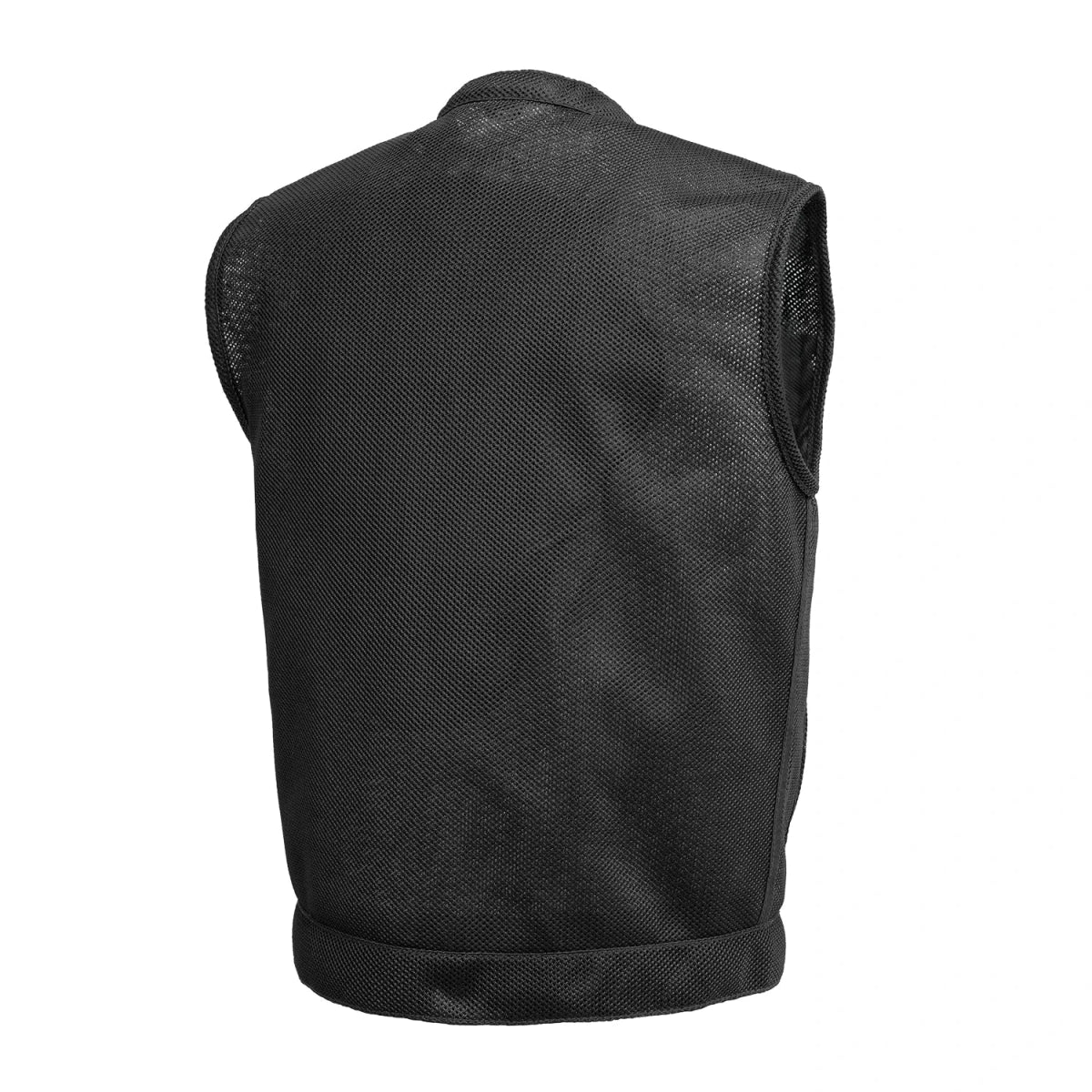
A mesh motorcycle vest is an open-weave textile vest designed to maximize airflow across your torso while still carrying CE-rated armor because it matters the most for motorcycle riders.
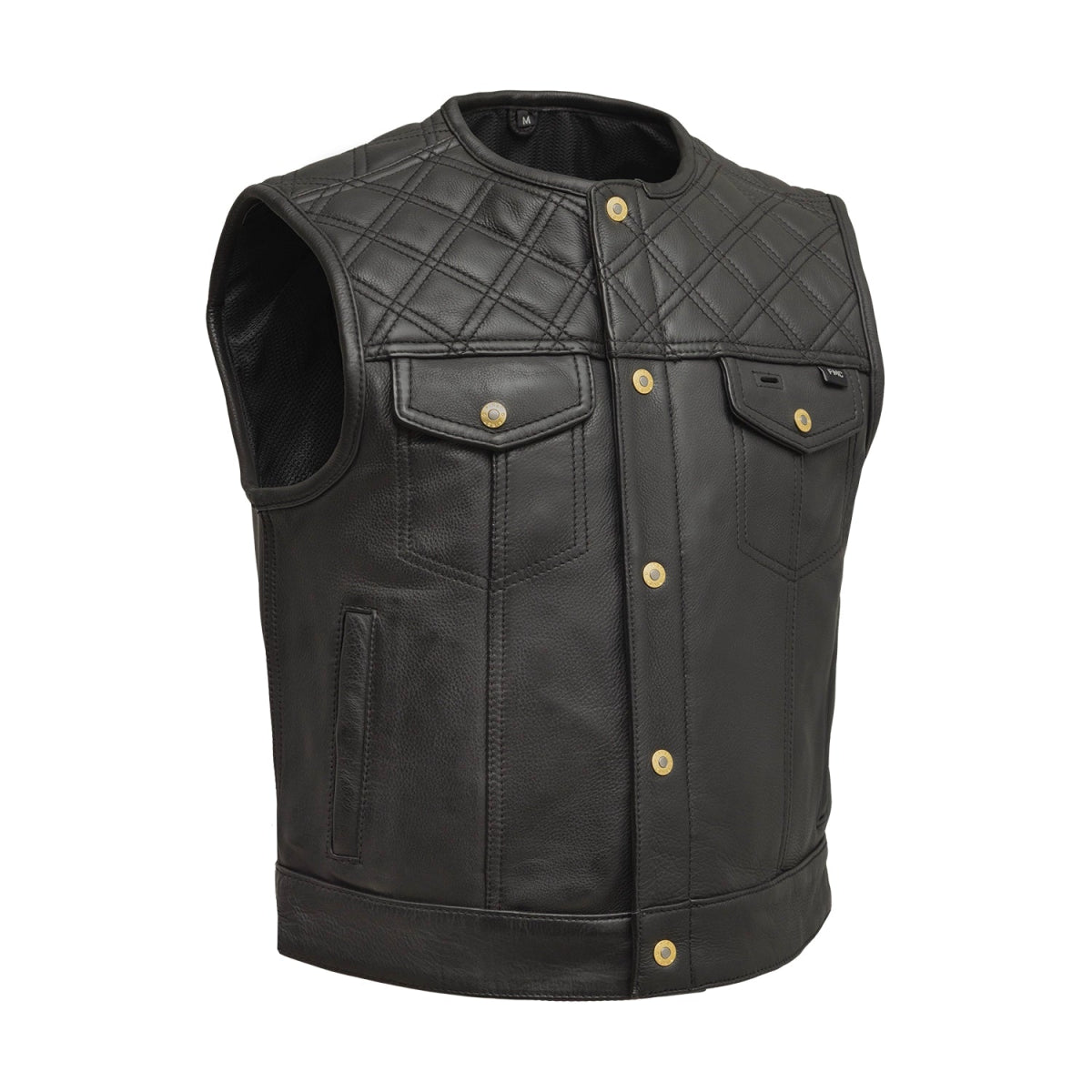
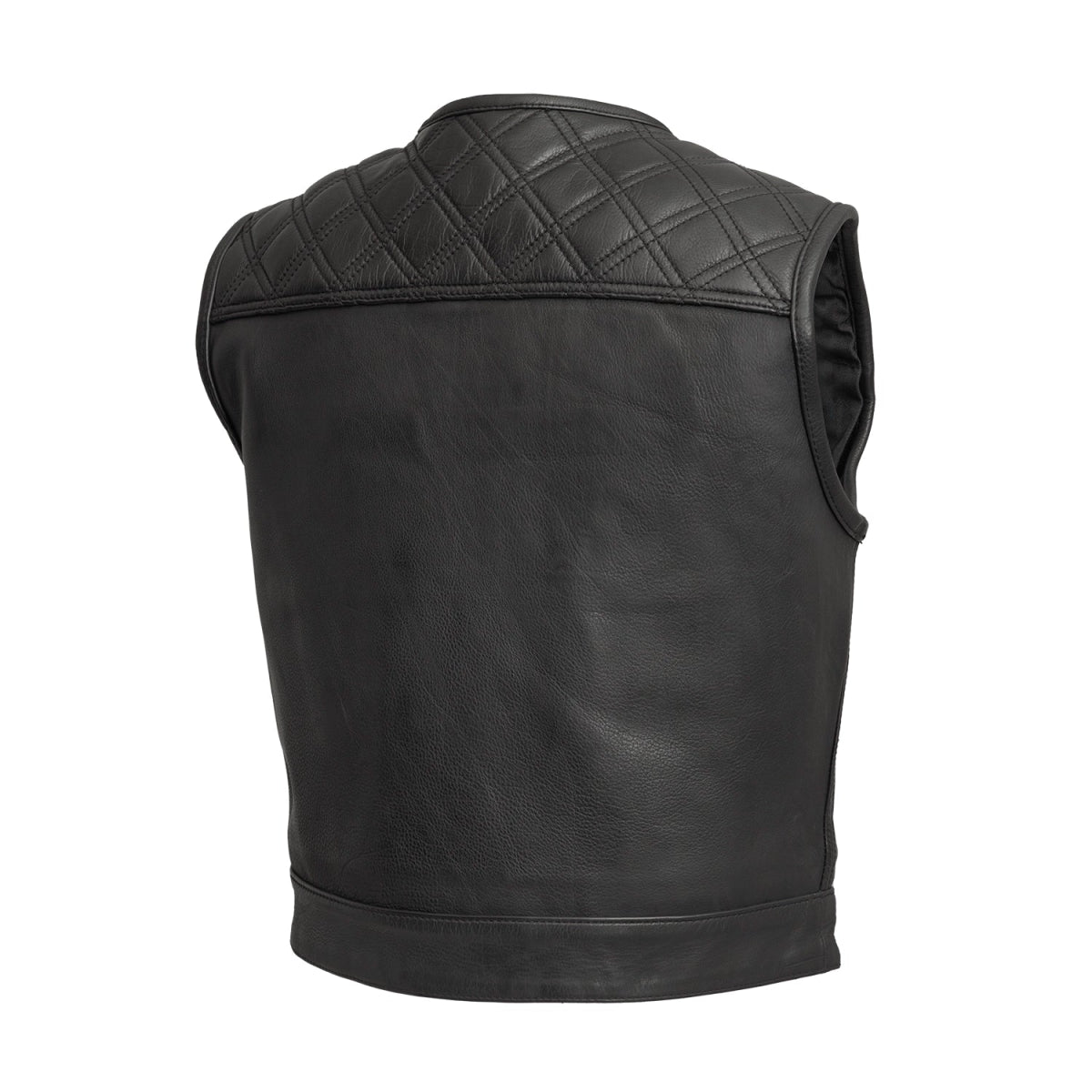
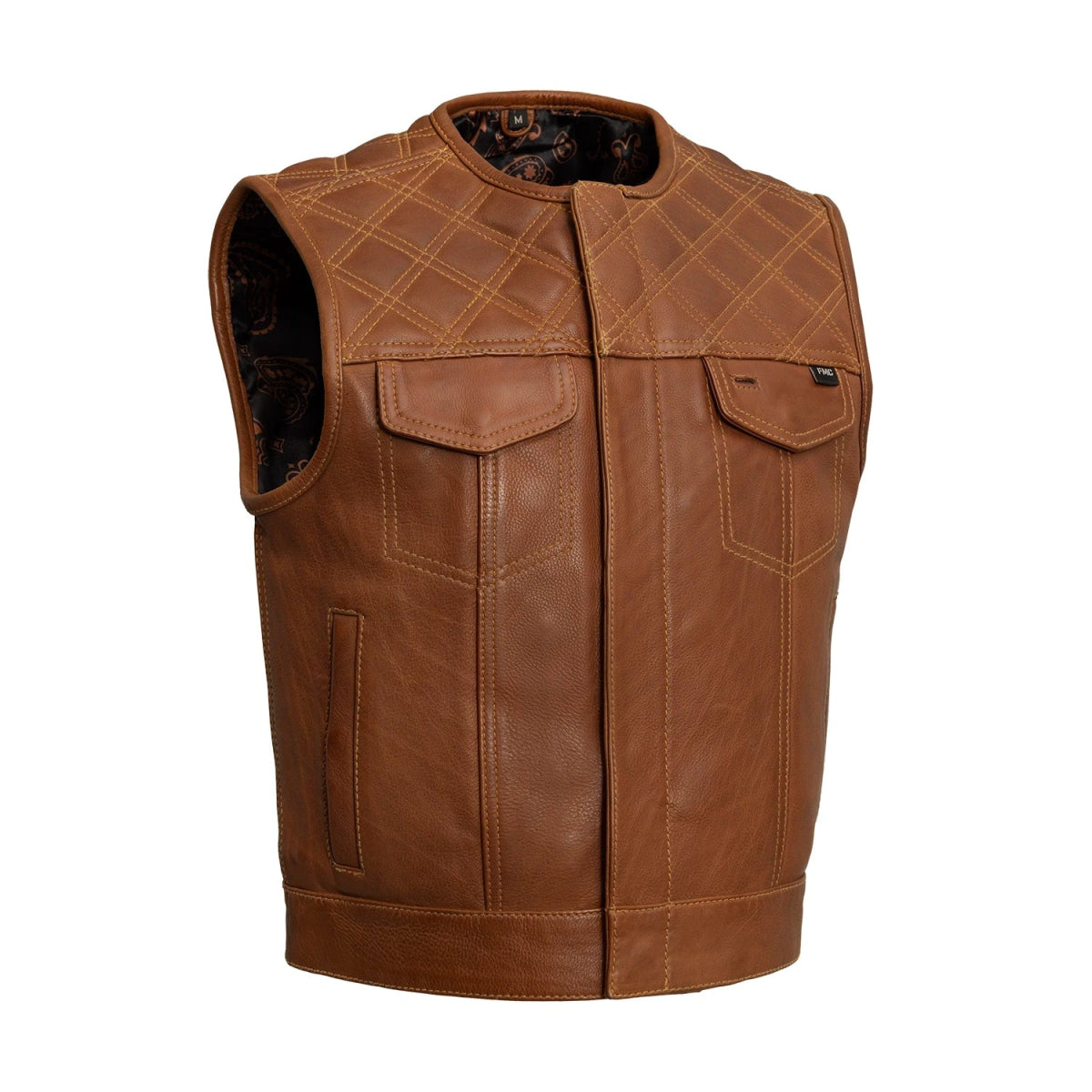
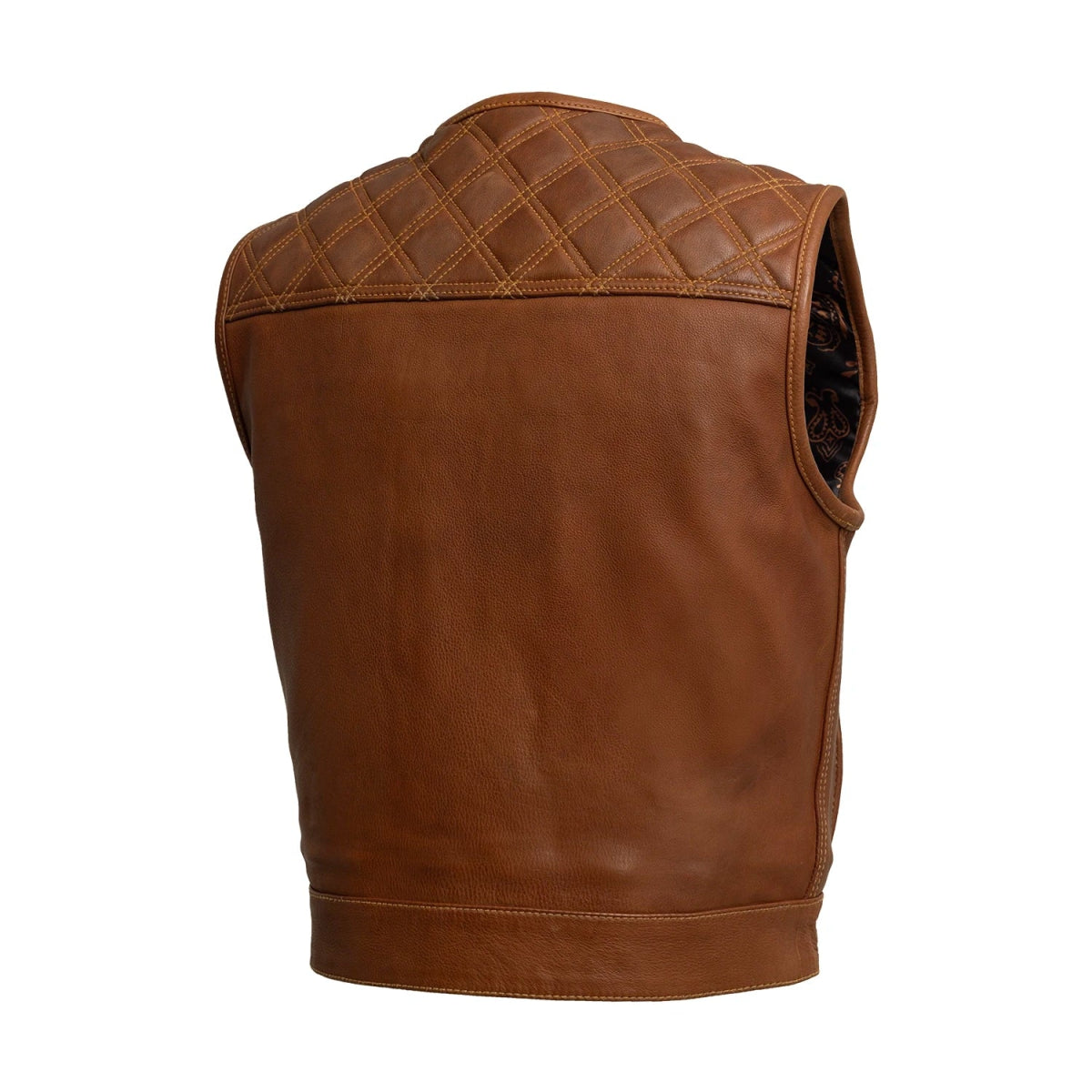
How It Differs from a Leather Motorcycle Vest
Leather protects as a material; its dense surface resists abrasion on its own. Mesh protects with armor; the base material moves air while the CE inserts handle impact. Both of them just do different jobs.
Leather is heavier, warmer, and stronger against road rash. Mesh is lighter, cooler, and far better in stop and go summer heat. Both can carry Level 2 CE armor and offer the protection required on the road, the real difference is the base material.
Who Should Get a Mesh Vest
This gear isn't a requirement for everyone, but here are the riders who should seriously consider one:
-
Daily commuters: Who want something packable, protective, and easy to pull on over everyday clothes.
-
Hot-climate riders: Who find leather or textile jackets unbearable in summer rides.
-
Layering riders: Who need a breathable base that works under or over other gear effortlessly.
What Key Features to Compare Before Buying
This is where most riders rush and most mistakes happen. Here is what you should consider beforehand:
Ventilation
The first thing to check is whether the mesh panels are actually open. Some budget vests use fabric that looks like mesh but barely breathes. Large open-weave panels across the chest and upper back are a must.
Armor
Look for CE-rated pockets at the shoulders and back - the two impact zones a vest is built to protect. Since vests have no sleeves, elbow armor isn't part of the equation; if you want elbow protection, you'll need an armored shirt or jacket underneath. Level 1 meets the minimum standard, but Level 2 offers meaningfully higher impact protection and is worth the extra investment for everyday riding.
Fit & Adjustability
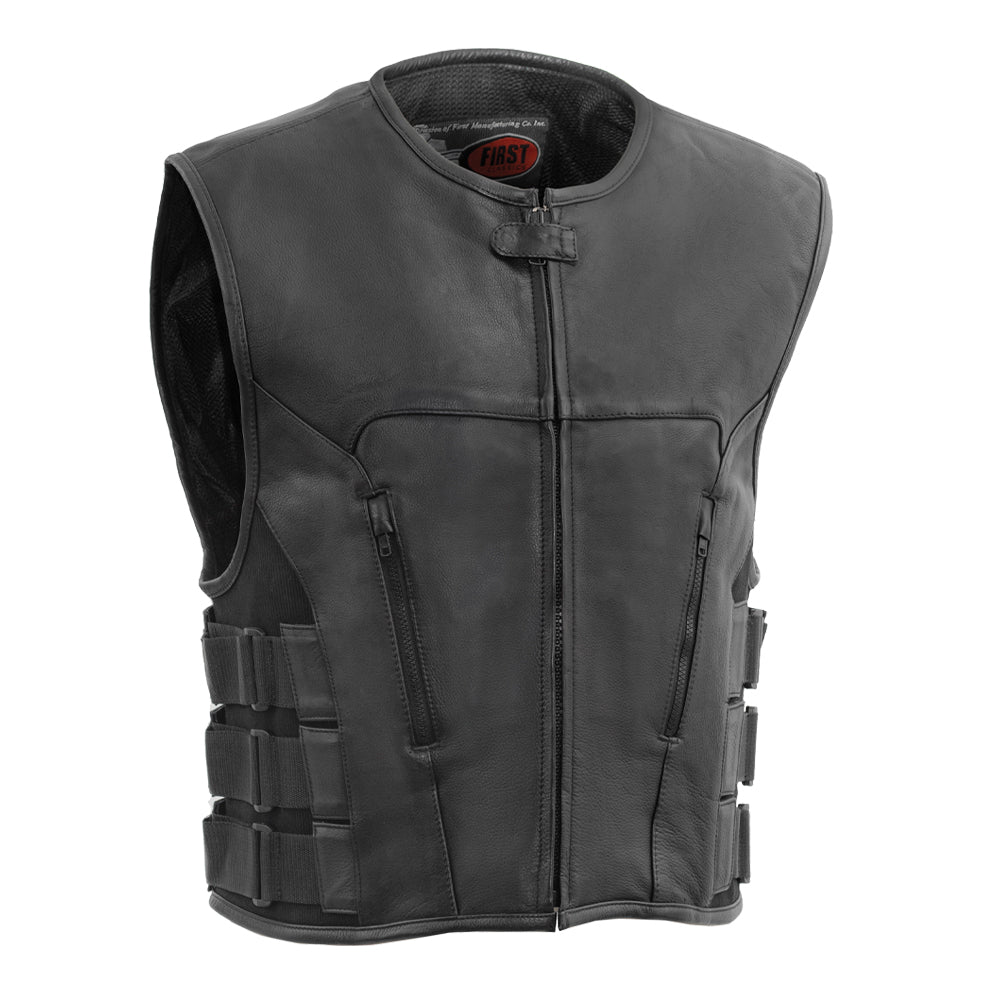
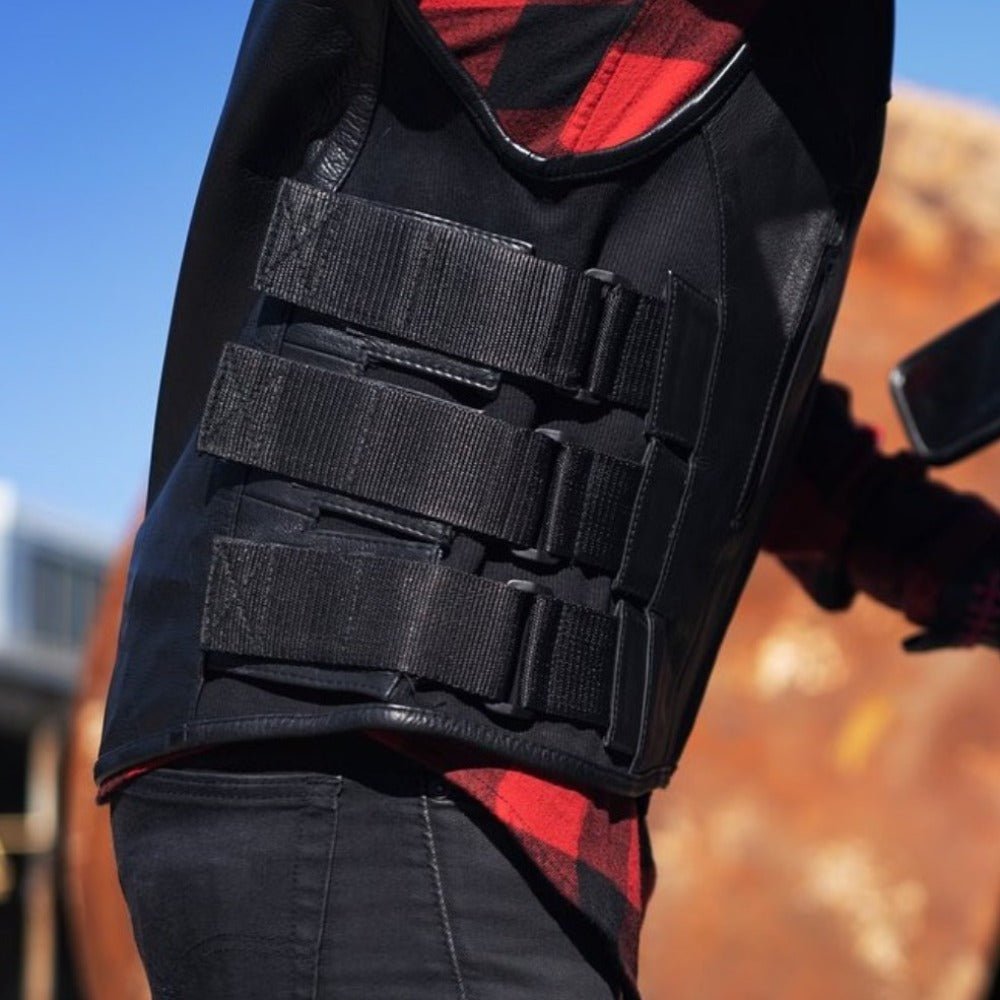
Side adjustment straps let you dial the fit across different layering setups, while stretch panels improve range of motion without losing structure. The best motorcycle vests move with you in riding posture.
Weather Resistance
A DWR (Durable Water Repellent) coating handles light rain without needing a full waterproof layer over the top. Removable liners push the usable temperature range into cooler weather.
Visibility
Reflective piping improves low-light visibility without changing how the vest looks in daylight. Hi-vis colorways like yellow and orange take that further and are worth serious consideration if you ride in heavy traffic daily.
Storage
Look for the following options:
-
Zippered pockets are safer than snap pockets at speed
-
Always check that your actual phone fits
-
Test pocket placement while seated on the bike
A waterproof inner pocket is a useful bonus if you get caught in unexpected rain
Closures & Hardware
YKK zippers are the industry benchmark - smooth, durable, and operable with gloves on. Generic zippers stick, corrode, and fail faster, especially on gear used every single day.
How Much Does a Mesh Motorcycle Vest Cost?
Mesh motorcycle vests typically range from $90 to $260+, depending on armor level, materials, and brand.
-
Budget ($90 - $120): Basic mesh construction, Level 1 armor or armor pockets sold separately, standard zippers.
-
Mid-range ($130 - $190): Level 2 CE armor included, YKK zippers, reflective trim, removable liners.
-
Premium ($200 - $260+): Advanced mesh weaves, Level 2 armor at shoulders and back, waterproof inner pockets, and reinforced stitching make these premium moto mesh vests for men and women well-suited for daily use.
For everyday commuting, a mid-range moto mesh vest offers the best balance of protection, durability, and airflow without overpaying for features you won't use.
Why Riders Wear a Mesh Vest for Everyday Riding
Mesh vests have become a go-to layer for daily riders who want protection without overheating. They're light enough to wear all season, easy to layer over a T-shirt, and small enough to toss in a bag when you don't need them. For commuters, that mix of airflow, protection, and packability is hard to beat.
Airflow & Heat Management
Open mesh panels move air directly across your torso that is the body's primary heat zone. Cooling your core can help lower your overall body temperature faster than a sleeve-based layer alone. At commuting speed, the difference between mesh and solid textile is immediate and noticeable.
Added Visibility & Protection Over a T-Shirt
-
A mesh vest over a plain T-shirt instantly adds CE armor, reflective trim, and a layer of abrasion resistance
-
That's a meaningful protection upgrade with almost no added heat, weight, or bulk
-
For commuters who skip a full jacket daily, a mesh vest is the most practical protection you can wear consistently, and consistent protection is the only kind that actually counts
Packability for Commuting
A textile motorcycle jacket packs down reasonably well. A mesh vest packs down even smaller, and that difference matters when you're commuting daily and don't want to carry gear around all day.
Mesh Vest Sizing Guide
Getting the sizing right on mens & womens motorcycle mesh vests matters more than most riders expect - sizing is built around chest measurement, not your jacket size, which can be very different. A vest that fits too loose won't hold armor in place, and one that's too tight limits airflow, defeating the whole point of wearing mesh. A quick measurement now saves you a return later.
How to Measure Chest and Torso for a Vest
Wrap a soft tape around the fullest part of your chest, under the arms, with arms relaxed at your sides. Vest sizing is built around chest measurement, not your jacket size, which can be very different. Also measure your torso length from the base of your neck down to your beltline to confirm the vest covers you properly in riding position. Always use the brand's specific size chart because vest sizing varies more between brands than jacket sizing does.
Sizing for Layering Under a Vest vs Over a Shirt
If you're wearing the vest over a plain T-shirt only, true-to-measurement sizing works well - go with your actual chest measurement. If you plan to layer it over a hoodie, armored shirt, or flannel, size up so the armor pockets still sit correctly over your shoulders and back. Regardless of how many layers you're wearing underneath, the armor should stay in position and the mesh panels should still be able to move air freely.
Common Fit Mistakes
-
Too loose: Armor shifts out of position during the ride, completely defeating the purpose of having it.
-
Too tight: Mesh panels compress and airflow drops - defeating the reason you bought mesh in the first place.
-
Only tried standing up: Always test in riding posture, sit down, reach forward, and check for pulling, gapping, or compression.
-
Ignoring torso length: A vest that's too short rides up when you lean forward, exposing your lower back to wind and leaving your back armor out of position.
-
Sizing off your jacket size: Vest sizing runs differently; always measure your chest and compare against the brand's actual size chart, not your usual jacket label.
The right fit sits close, moves with you, keeps armor locked in place, and leaves the mesh panels fully open.
FAQs
What is a mesh motorcycle vest used for?
Ventilation, armor carrying, and everyday commuting protection over a T-shirt, without the heat of a full jacket.
Difference Between Biker Vests and Motorcycle Vests?
Biker vests are built for identity and style, featuring patches, club colors, and a classic cut-off look, while motorcycle vests are built for function, offering armor pockets, storage, and weather resistance for real riding. Both can be worn on a bike, but one is symbolic while the other is protective.
Related Read: Biker Vest vs. Motorcycle Vest: What's the Real Difference?
Is a mesh vest as protective as a leather vest?
Leather wins on abrasion resistance because the material itself resists sliding. A mesh vest with Level 2 CE armor matches leather on impact protection, but the base material offers less slide resistance.
Can you wear a mesh vest in the rain?
Light rain with a DWR coating, yes. For heavy rain, you need a waterproof layer over the top.
Can You Wear a Mesh Vest in Cold Weather?
Yes, most mesh motorcycle vests are designed for three-season use, not just summer. A removable thermal or windproof liner extends the usable temperature range into cooler months, and layering an armored long-sleeve shirt underneath adds warmth without sacrificing armor placement. Below approximately 50°F (10°C), most riders switch to a full textile or leather jacket, since mesh alone offers limited wind resistance even with a liner installed.
Do mesh motorcycle vests come with armor?
Some do, some don't. Always check for CE-rated pockets at the shoulders, elbows, and back before buying.
What's the difference between a mesh vest and a perforated leather vest?
Mesh moves more air at lower speeds and works in stop-and-go traffic. Perforated leather vest offers stronger slide protection but needs forward motion to ventilate properly.
What should I look for when buying a mesh motorcycle vest?
CE armor pockets, YKK zippers, open-weave airflow zones, side adjustability, reflective trim, and pocket placement that actually works in riding posture, not just standing in a store.