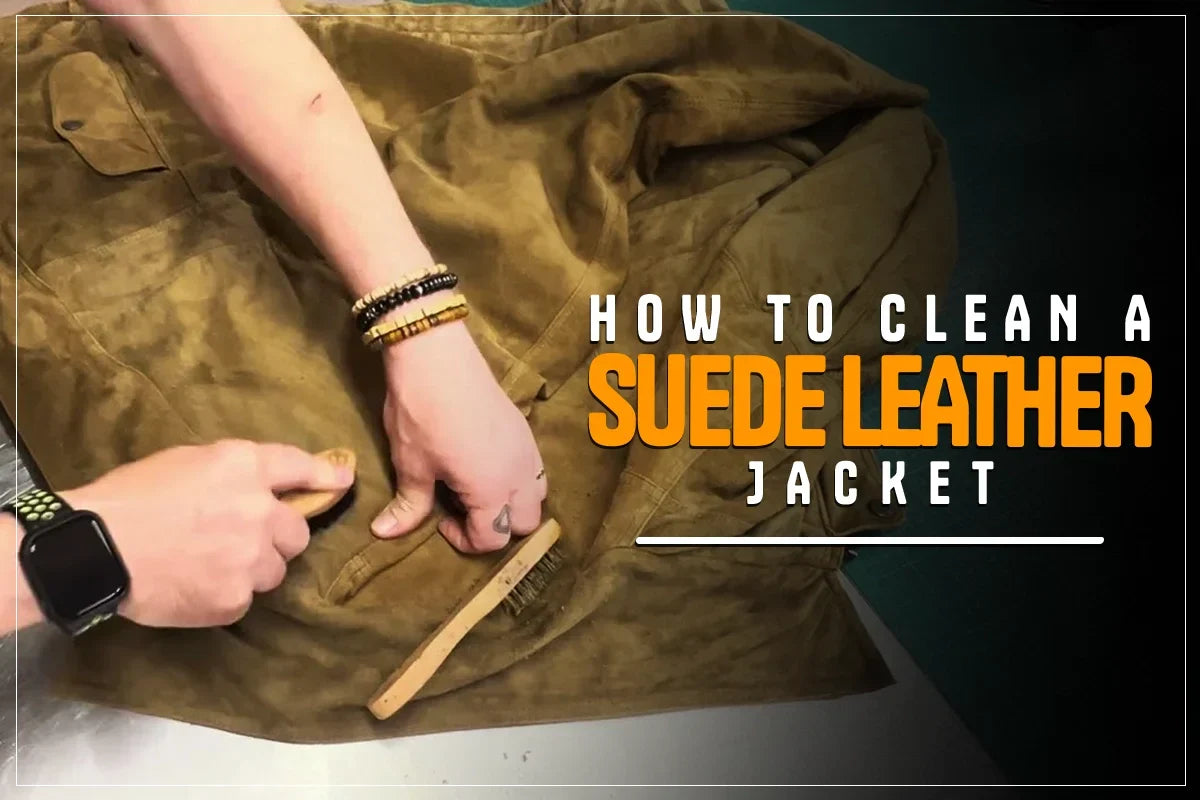
If you own a suede leather jacket, you already know why people love it. The surface feels soft, the finish looks refined, and it ages with character instead of wear, much like the Leather Jackets that become more personal over time. But suede also creates nervous questions the moment life happens. A coffee spill. Sudden rain. Dust settling into the fibers. Many people assume suede is delicate when in reality, it is simply different. The fibers are open and absorbent, which means stains sink in instead of sitting on top. That is why quick fixes like scrubbing, soaking, or wiping with water often make things worse.
The good news is that suede leather can be cleaned safely when you understand how it behaves. Once you learn how to lift dirt gently, restore the nap, and let the material dry at its own pace, maintenance becomes simple. This guide focuses on practical, step-by-step care, grounded in how suede leather actually responds to stains, moisture, and everyday wear. By the end, you will know how to protect your jacket, remove marks correctly, and keep that soft, natural texture intact for years.
What is Suede Leather?
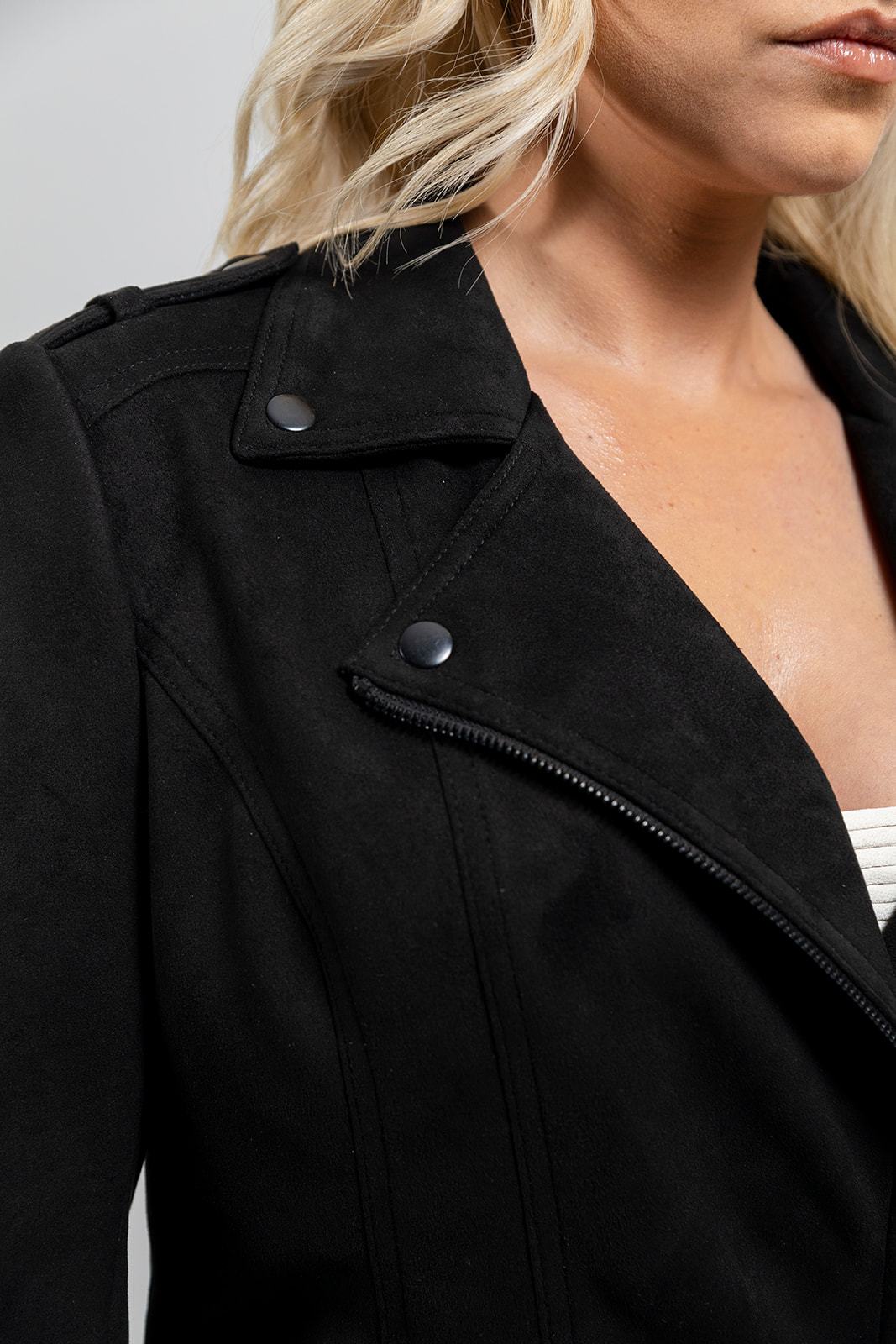
Suede leather is a soft, napped leather made from the inner, fuzzy layer of animal hides (like lamb, goat, calf) after the outer grain is removed or split off, resulting in a velvety texture ideal for flexible items like shoes, jackets, and bags, though it's less durable and more prone to staining than traditional leather you find in motorcycle leather jackets. It's known for its soft hand-feel, matte finish, and pliable nature, contrasting with smooth, tougher grain leather.
If you are dealing with faux or synthetic materials instead, make sure you check our guide on how to clean a vegan leather jacket.
How to Clean Suede Leather Jacket
Suede leather looks luxurious, but it reacts differently to dirt, water, and oils compared to regular leather. Cleaning it the wrong way can flatten the nap, leave dark patches, or permanently stain the surface. Whether you spot clean at home or choose to dry clean suede leather jacket with a professional, the goal is always to protect the nap and color.
To clean a suede jacket, start by brushing off loose dirt with a suede brush, then tackle stains with a suede eraser for scuffs or cornstarch/baking soda for oil, letting it sit overnight before brushing off. For tougher stains, use a cloth with white vinegar or rubbing alcohol, blotting gently, and always finish by brushing the nap to restore texture, with a protector spray adding future defense.
Tools You’ll Need
You don’t need expensive tools, but a few specific essentials are important. If you’re serious about your gear, keep these in a small kit
Care Kit
-
Brush: Choose a dual-purpose suede brush that includes crepe rubber for gentle surface revival and a brass-nylon blend for stubborn flattened nap. This combination lets you refresh texture without scratching delicate fibers.
-
Eraser: Go for a dense, non-pigmented suede eraser that crumbles slightly as you rub. The micro-crumbs lift embedded grime from the pores instead of smearing it across the surface.
-
Lint Roller: Pick a roller with low-tack adhesive sheets. It removes lint, dust, and pet hair sitting on top of the nap while avoiding any pull or tug on the fibers.
-
Vinegar or Alcohol: Distilled white vinegar at 5 percent acidity or 70 percent isopropyl alcohol works best. These break down salt marks and water rings while evaporating quickly, so the leather does not become oversaturated.
-
Protector Spray: Select a silicone-free, breathable protector made specifically for suede. Nanotechnology formulas create a hydrophobic barrier that repels moisture and stains without stiffening the jacket.
-
Steamer: Use a wide-nozzle handheld steamer kept at least 15 centimeters away. The light vapor relaxes fibers, lifts mild wrinkles, and opens the nap, so stains release more easily.
-
Soft Toothbrush: A soft-bristle toothbrush reaches stitching, seams, and hardware edges where buildup hides. It targets tiny areas that a full suede brush cannot safely reach.
-
Cornstarch: A reliable absorber for fresh oil or grease stains. It settles into the fibers and lifts residue toward the surface instead of pushing it deeper, making later cleaning easier and safer for the suede.
-
Vacuum With Brush Attachment: Use low suction with a soft brush head. This safely removes stored dust from jackets that have been sitting in closets without flattening the nap.
-
Cedar Hanger: A wide-shouldered cedar hanger supports the jacket’s shape while naturally absorbing mild moisture and odors. It prevents shoulder dents and keeps suede fresher during storage.
-
White Cloth: Use soft, lint-free cotton or high-quality microfiber. White ensures zero dye transfer, and the tight weave prevents loose threads from embedding into the suede, for example, a plain white cotton T-shirt.
Suede Leather Jacket Cleaning Process
Following the right process keeps you calm, reduces mistakes, and lets you clean a suede leather jacket without damaging the material.
Inspect Hidden Stains
Begin by hanging the jacket on a cedar hanger and placing it under bright natural light. Look carefully around seams, cuffs, underarms, and the back panel. These areas collect body oil and grime faster than the rest of the jacket.
Check “traffic zones” like elbows and pockets. If you spot anything wet, resist rubbing. Lightly blot with a clean white cloth and let the area dry completely. Wet suede spreads stains instead of releasing them, so patience matters here.
Identify Stain Types
Different stains call for different approaches. Start by lightly touching the area to understand what you are dealing with. A sticky feel or a darker tone when pressed usually points to oil, which benefits from absorbent powders such as cornstarch. Dry, crumbly residue tends to be ordinary dirt, something a good brushing can handle. Marks created by friction, like scuffs around pockets or sleeves, often respond well to a suede eraser that lifts the problem gently without harming the nap.
Apply Proper Treatment, Step by Step
Start gentle. Build gradually. Never jump straight to liquids.
-
Brush First: Use the suede brush and begin with the crepe rubber side to revive the nap and remove surface dust. If the fibers look flattened, switch to the brass-nylon blend lightly. Let the tool lift particles rather than forcing pressure.
-
Eraser for Scuffs: For shiny rub marks or light friction stains, work the suede eraser in small motions. The eraser crumbs pull embedded grime out of the pores instead of smearing it.
-
Cornstarch for Fresh Oils: If you discover a fresh oil or grease spot, sprinkle cornstarch and let it sit. It settles into the fibers and gradually draws residue upward. Later brushing becomes easier and safer.
-
Vinegar or Alcohol: If the mark resists everything above, dampen a white cloth with distilled white vinegar or 70 percent rubbing alcohol. Blot gently, never soak. These evaporate quickly and loosen salt rings and water marks. Let the jacket dry, then brush again to restore texture.
Important Reminder
Always test liquids on a hidden seam or inside hem first. Some suede leather slightly darkens depending on the tanning method. Wait at least 15 minutes before treating visible sections. One small test can save your jacket from permanent discoloration.
Avoid Aggressive Cleaning
Work slowly, using short strokes or gentle circular motions, and watch how the fibers respond. When you notice the surface beginning to resist, pause and reassess rather than pushing harder. Powders need time to absorb, steam gradually relaxes the fibers, and the tools are designed to do the work with minimal pressure.
Over-scrubbing damages the nap, creating shiny, smooth patches that cannot be repaired. Cleaning suede is a process of patience, not force.
Restore the Nap
Once the stain is gone and everything is fully dry, brush the suede leather in one steady direction. This blends the cleaned area with surrounding fibers and brings back that velvety finish. If the nap still looks crushed, gently roughen it, then finish with smoother passes.
Steam When Needed
If wrinkles or light stiffness remain, hold a handheld steamer at least 15 centimeters away. Let the gentle vapor relax the fibers. The nap opens slightly, making the surface look fresher and helping stubborn residue lift on the next brush pass. Avoid soaking, and always keep movement steady.
Protect for the Future
Finish by spraying a suede-specific protector. Use light, even mists from 15 to 20 centimeters away. Let it dry on the cedar hanger in a ventilated room. This breathable barrier repels moisture, reduces staining, and makes the next cleaning session far easier.
Dealing with Specific Stains on Suede Leather
Not all stains are created equal. Here is how you handle the big offenders without calling a professional immediately.
|
Stain Type |
Process |
|
Mud/Dirt |
Let the mud dry completely. Brush away the loose soil, then use the eraser on what remains. For faint residue, dab with a little white vinegar on a white cloth, allow it to dry, and brush again. |
|
Oil & Grease |
Cover the spot with cornstarch and leave it for 24 hours so it can absorb the residue. Brush it away gently. If the mark is still noticeable, reapply and repeat the process. |
|
Ink Marks |
Gently work the suede eraser over the mark using light strokes. Move slowly and stop if you notice color fading. Ink is stubborn, so avoid aggressive rubbing. |
|
Food/Drink |
Blot right away with a dry white cloth. After that, dab lightly with a little white vinegar, let the area dry, and finish with a gentle brushing to blend the nap. |
|
Salt Stains |
Mix two parts water with one part white vinegar. Dab gently with a white cloth, allow it to dry, then brush the area to smooth the nap. |
|
Makeup |
Work the suede eraser lightly over the spot or use a soft toothbrush for edges and seams. Once the residue lifts, brush gently to blend the nap back in. |
|
Pet Stains |
Blot with a dry white cloth, then dab lightly with white vinegar to neutralize odor. Allow it to dry fully, and brush afterward to restore the nap. |
How to Spot Clean Suede Leather Jacket
Look at the stain first, so you understand what you are dealing with. Dust and dry dirt usually sit on top, while oil, food, or liquid stains sink deeper. Knowing the difference helps you avoid damage.
Start by gently brushing the area to remove loose dirt, always moving in one direction so the nap stays even. If a faint scuff remains, use a suede eraser and work lightly, letting friction lift the mark instead of digging into the leather. If the spot looks oily, skip scrubbing. Sprinkle an absorbing powder like cornstarch and let it rest, then brush it away later. For marks like salt or water rings, lightly dab with a cloth dampened with white vinegar or rubbing alcohol, and let the area dry naturally before brushing again.
Watch the jacket as you work. If the suede darkens too much, feels sticky, or the spot begins to spread, stop immediately. That usually means the stain is deeper than it looks and needs professional care.
Spot cleaning should feel slow, gentle, and controlled. The goal is to lift the problem quietly, not force it out and risk permanent damage.
How to Clean Suede Leather Jacket at Home
Cleaning suede leather jackets at home works well when you move slowly and avoid water. Begin by checking the entire jacket in good light, then brush the surface in one direction to lift dust and loosen dirt. Use a suede eraser on scuffs, and always let any wet or freshly blotted stains dry fully before you touch them again.
For deeper stains, blot gently with white vinegar or rubbing alcohol, using only a small amount so the suede never becomes soaked. Allow the jacket to air dry on a hanger, away from heat, then brush again to restore the nap and blend everything in. Finish by applying a suede protector spray so future cleaning becomes easier and the jacket keeps its soft texture.
If anything looks worse instead of better, stop cleaning and switch to a professional suede leather Restorer.
When Should You Stop Cleaning At Home
If something feels “off,” pause and check. Stop right away if you notice any of the signs below:
-
The stain spreads, or the color becomes blotchy
-
The suede turns shiny or starts losing texture
-
A strong odor appears, or the jacket feels stiff
-
You see ink, heavy oil, mold, or mildew
At that point, continuing at home usually makes things worse. A professional suede cleaner is the safest option to protect the jacket and prevent permanent damage.
How to Clean Mold/Mildew off a Suede Leather Jacket
When mold shows up, the best way to clean a suede leather jacket surface is to take it outside first so spores do not spread indoors, then gently brush away any loose growth. Let it air out in fresh, dry air, and avoid using water because moisture feeds mould and mildew and forces them deeper into the suede.
Blot the affected areas lightly with white vinegar or rubbing alcohol, then let the jacket dry fully on a hanger, away from heat. Once dry, brush the nap to restore the texture and recheck the spots. If the smell lingers, discoloration spreads, or growth returns, stop cleaning and go to a professional suede specialist. For more detailed guidance on dealing with mold on other types of leather, read our guide on how to clean mold off leather jackets.
Remove Odor Without Damaging Suede Leather Jacket
Sometimes a suede jacket looks fine, but like any bikers leather jacket after long rides, it can trap smoke and sweat.If the odor comes from regular leather or a riding vest, follow our step-by-step guide on how to get odor out of a leather jacket or vest without damaging the material. Suede is a magnet for smoke and sweat. Removing odor from a suede leather jacket is simpler than you might think: it starts with airflow. Hang it outside in a shaded, breezy spot for a day. If that doesn't work, place the jacket in a large garment bag or a sealed plastic bin with an open box of baking soda at the bottom (without letting the powder touch the jacket). Leave it for 48 hours. The baking soda absorbs lingering smells.
For closet mustiness, a cedar hanger or a sachet of dried lavender works well. If the odor is strong and earthy, it may be mold, and that’s a job for the pros.
Maintenance Timeline For Suede Leather Jacket
If you want the Suede Leather jacket to be something you hand down to your kids, follow this schedule:
-
Weekly: A quick 1-minute brush-down to remove surface dust.
-
Monthly: Check for scuffs on the elbows and cuffs; use the eraser.
-
End of Season: When the riding season wraps up, give the jacket a quick prep before storing it.
-
-
Brush the jacket to lift dirt and refresh the nap.
-
Check seams, zippers, and any stains.
-
Hang on a wide, padded hanger, not wire.
-
Store in a breathable cloth garment bag, not plastic.
-
Keep it in a cool, dark, dry place to avoid fading and moisture.
-
Cleaning Mistakes That Ruin Suede Leather Jacket
Before you start, here are a few common mistakes that can ruin suede fast.
-
Direct Water: Dousing a stain with water creates a tide mark (a ring) that is harder to remove than the original stain.
-
Scrubbing: You’ll fray the fibers and create a bald spot on the suede.
-
Shoe Polish: Never, ever use smooth leather polish on suede. It will mat the fibers into a greasy paste.
-
Cleaning Half a Panel: If you’re using a liquid cleaner, try to clean the entire panel (e.g., the whole sleeve) so the drying is uniform, and you don't get water lines.
-
Plastic Storage: Suede needs to breathe. Plastic traps moisture and leads to mold.
Conclusion
A suede jacket is meant to be worn. It’s meant to go on adventures, catch some wind, and maybe a little dust. Don't let the fear of a stain keep it in the closet. With a brush, an eraser, and a little bit of patience, you can handle almost anything the world throws at it.And if you also own smooth leather gear, our guide on how to clean leather jackets walks you through that process as well. And when something feels beyond your skills, choosing to dry clean leather jacket suede is the smarter move. Proper maintenance keeps the material breathable and resilient against the elements for years to come.
High-quality leather deserves a foundation of excellence, which is why First MFG Co crafts its suede pieces with premium hides designed to endure this very cleaning process. Jackets provide the perfect canvas for developing a rich, personal patina while standing up to the rigors of daily wear. By choosing a well-constructed garment, you ensure that every brushing session restores a piece built to last a lifetime.
FAQs
Does cleaning suede Leather Jacket too often damage it?
Over-cleaning can wear fibers down. Focus on regular light maintenance, like brushing, and reserve deeper cleaning for visible stains or end-of-season care. Gentle upkeep protects the suede jacket without stressing the material.
Can you restore old suede leather jackets?
Often, yes, at least partially. Dry, dusty, or slightly faded suede can look dramatically better with:
-
Thorough brushing.
-
Gentle spot cleaning.
-
Professional reconditioning
However, if the fibers are badly worn down, the leather is cracked, or the structure has weakened over time, restoration has limits. In those cases, a leather cleaner can tell you realistically what is possible.
How to know when a stain needs professional cleaning?
Seek professional help if you see ink, heavy oil, mold, mildew, spreading stains, or color fading. Also, stop if the suede darkens unevenly, becomes sticky, or smells bad after cleaning. Continuing at home usually makes the damage permanent.
Is it safe to use household cleaners like dish soap or detergent on a suede Jacket?
No. Soaps and detergents leave residue, darken suede, and can permanently stain it. Stick to suede-safe methods such as brushing, erasers, cornstarch, white vinegar, or rubbing alcohol in small amounts.
What to do when a suede jacket gets caught in the rain?
Blot gently, hang it on a wide hanger, and let it dry naturally.
Do not;
-
Squeeze
-
Twist
-
Heat.
Once dry, brush the nap back up. If water spots remain, treat lightly with white vinegar or rubbing alcohol, then brush again.
Why do fingerprints sometimes appear on suede Leather?
Fingerprints show up because suede has a raised nap. When fingers brush across the surface, those tiny fibers shift direction, which changes how the light hits the jacket. That is why the area may look darker or lighter. A gentle pass with a suede brush usually evens everything out and restores a uniform look.