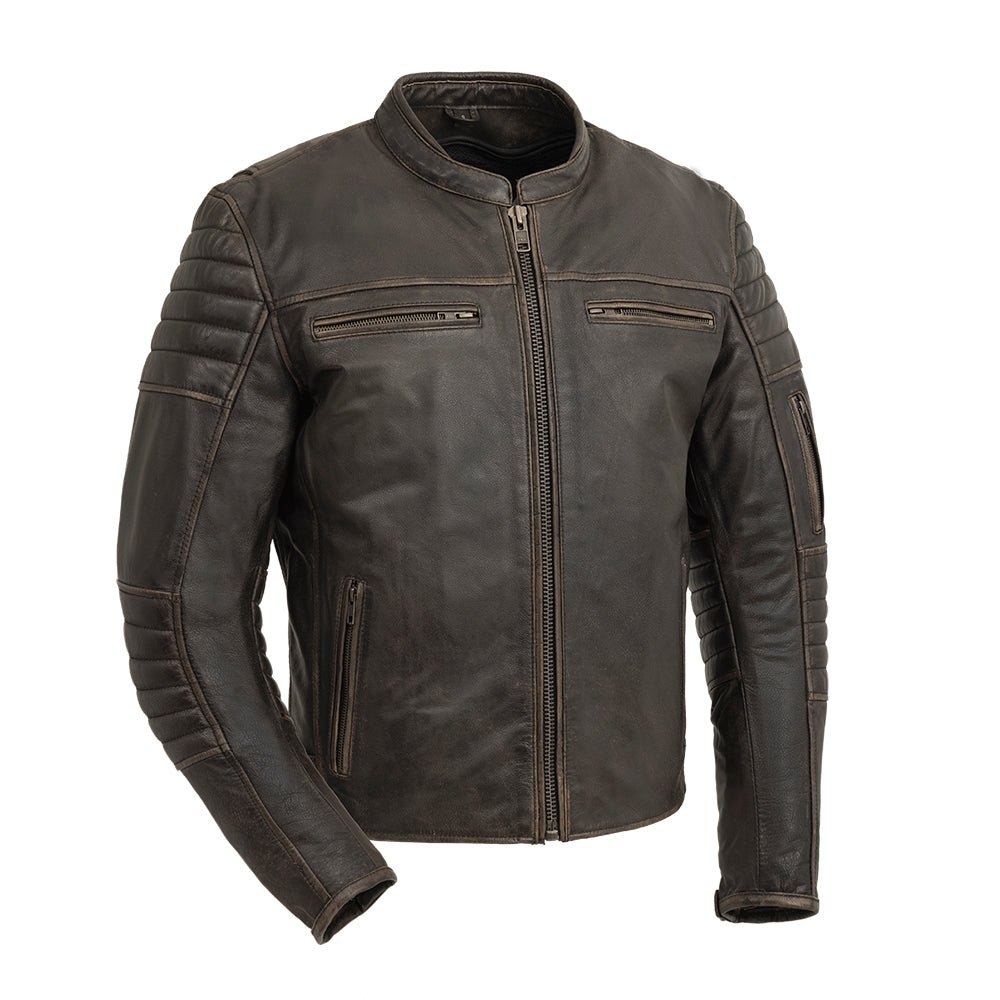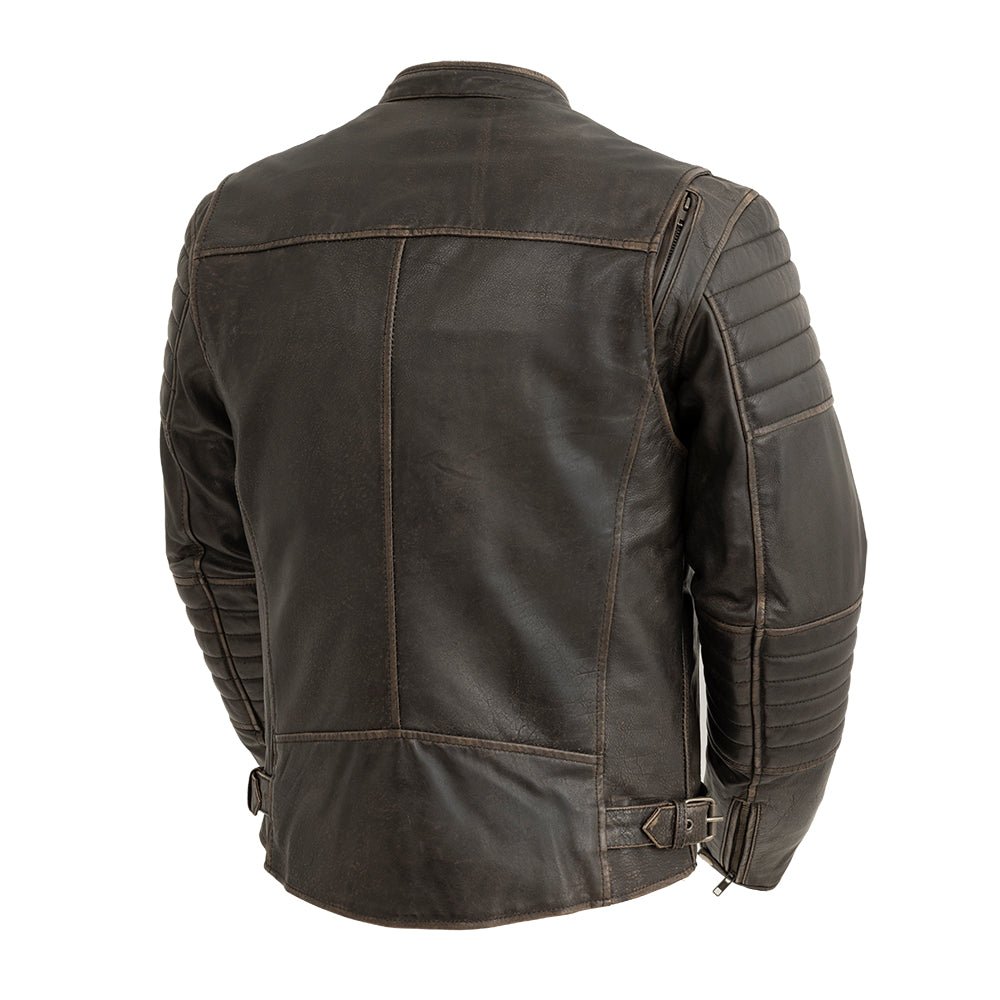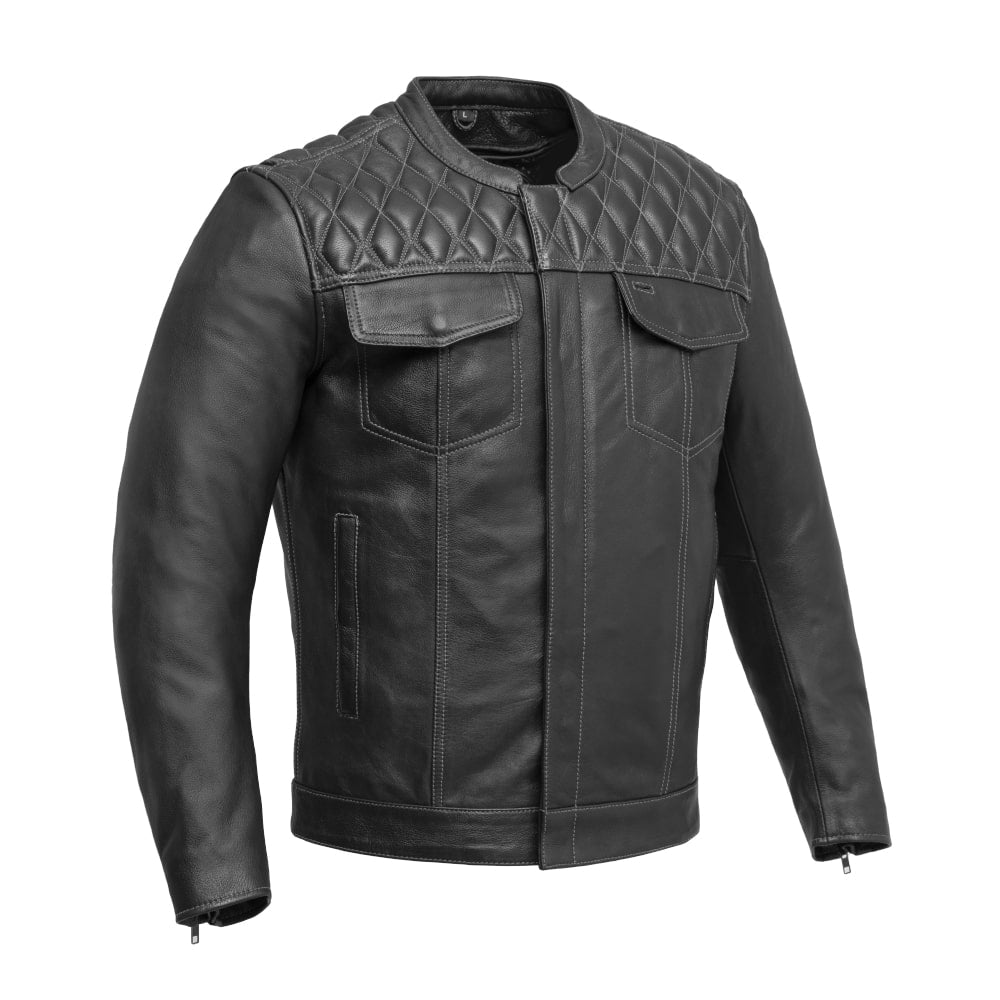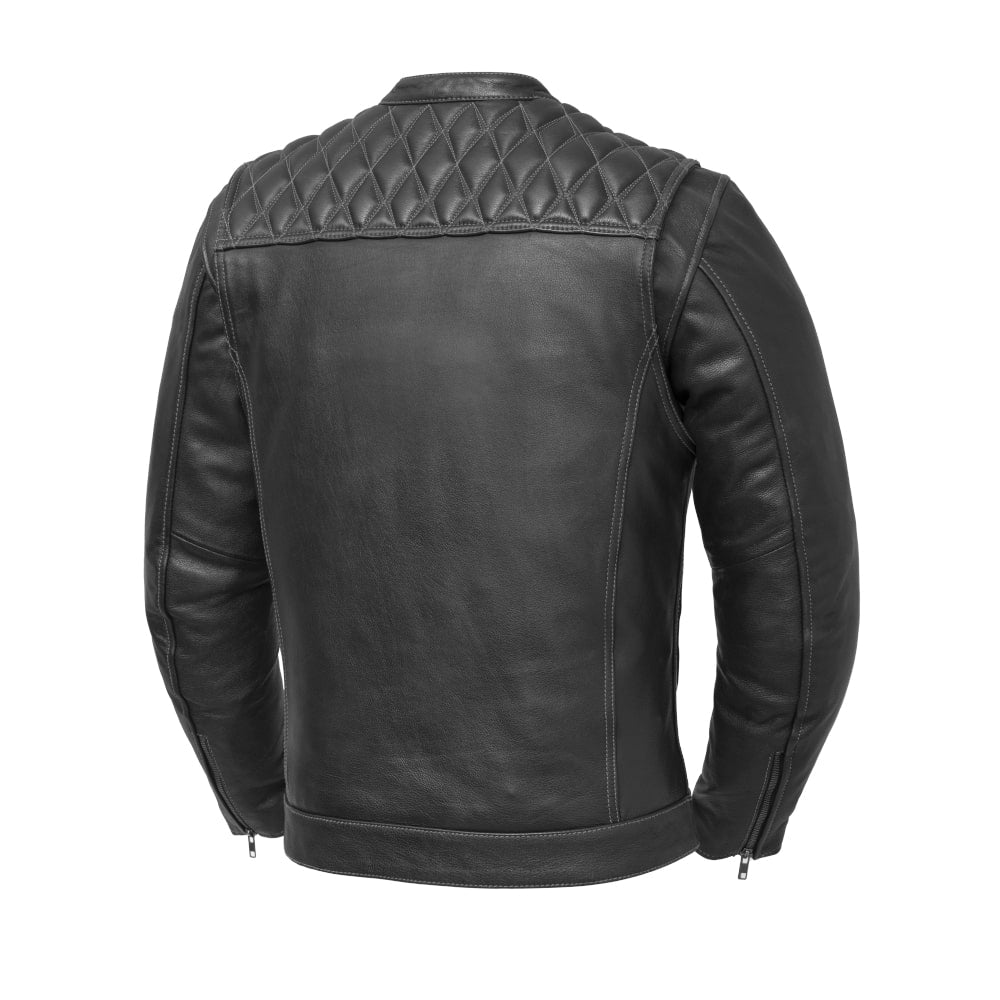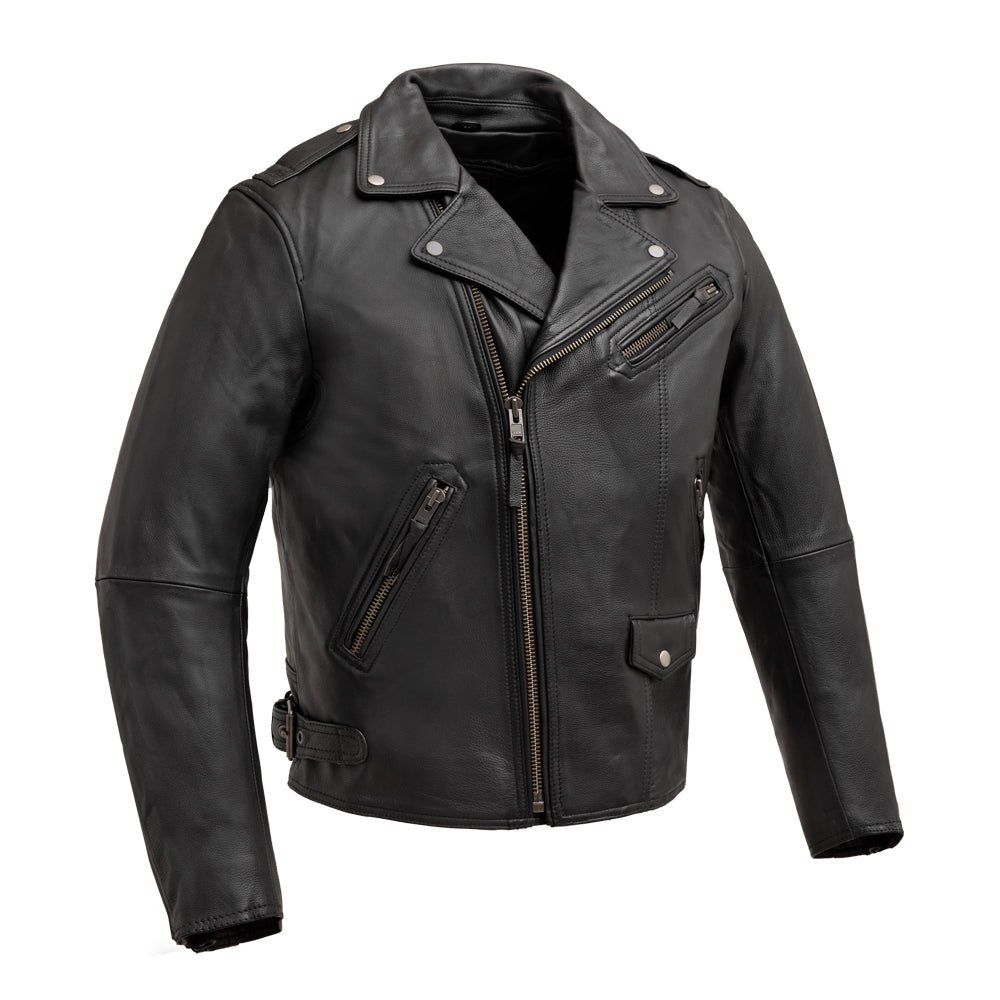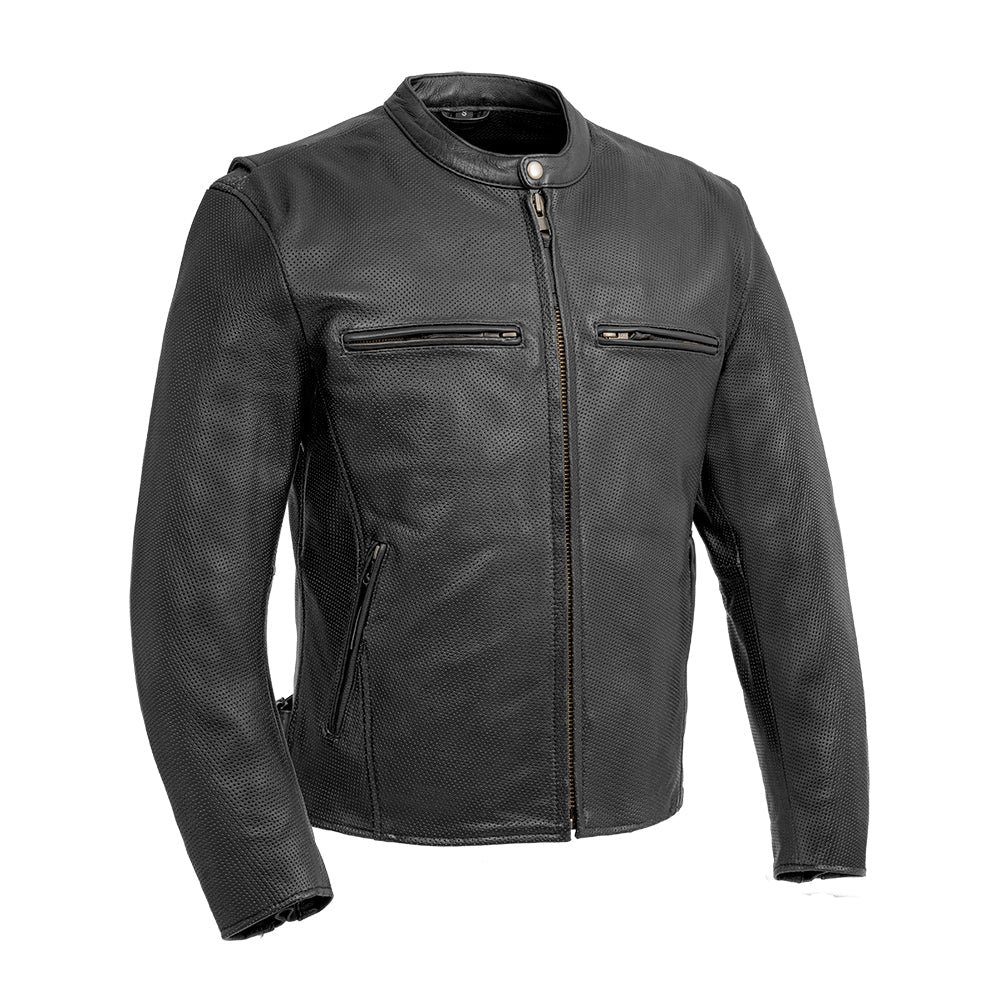
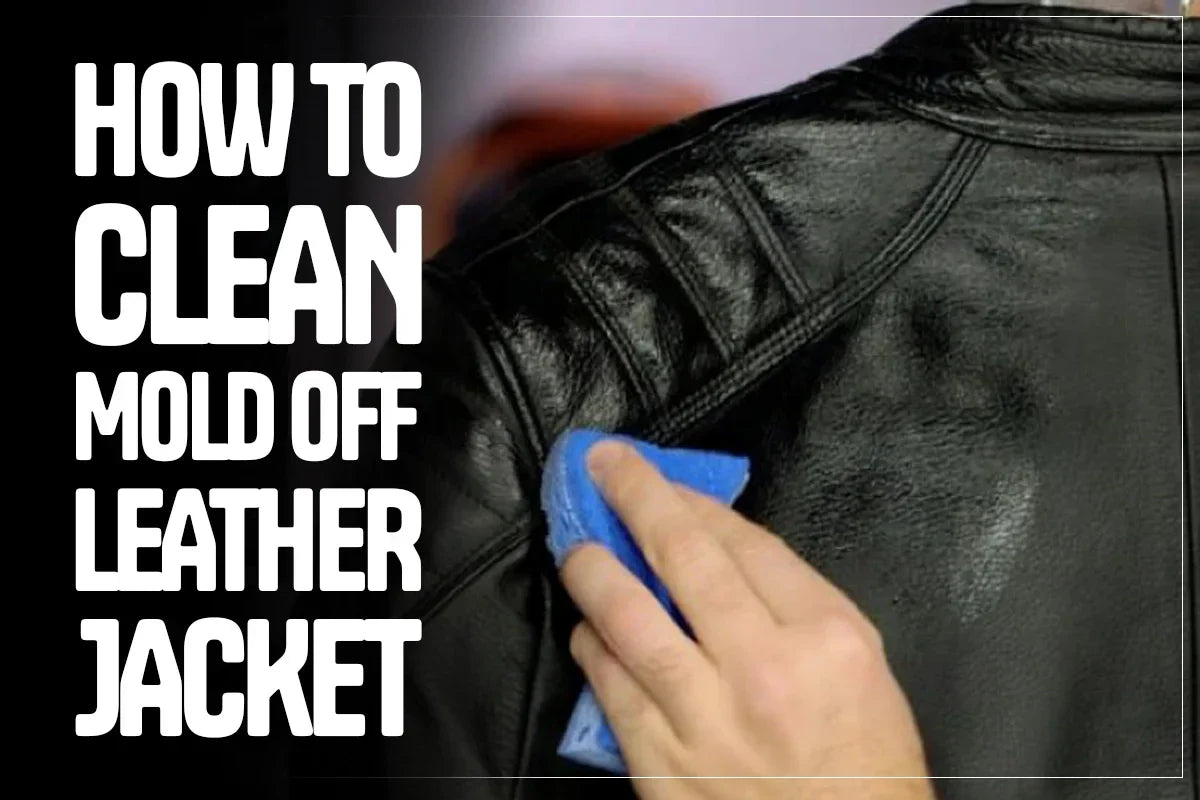
Leather jackets are timeless pieces that combine durability, style, and long term value. Whether worn as everyday outerwear, motorcycle gear, or a seasonal fashion layer, Motorcycle leather jackets are designed to last for years. However, because leather is a natural, porous material, it can become vulnerable to mold growth if exposed to moisture, humidity, or poor storage conditions. Mold on a leather jacket often appears as white, green, gray, or black spots and is usually accompanied by a musty odor.
The good news is that mold can be safely removed from leather jackets at home when the correct techniques, materials, and precautions are used. To clean mold off a leather jacket, first, take it outside and gently brush off loose mold with a soft brush or cloth, wearing gloves and a mask. Then, use a solution of equal parts white vinegar or rubbing alcohol and water (or mild soap/leather cleaner) on a cloth to wipe the affected areas, avoiding saturation. Let it air dry in a well-ventilated spot, then apply a good leather conditioner to restore moisture and prevent future growth. This guide explains everything a beginner needs to know, from understanding what mold is to step-by-step cleaning, prevention strategies, and knowing when professional help is required.
What Is Mould?
Mould is a type of fungus that exists naturally in the environment. Its spores are always present in the air, but they only grow when they land on a surface that provides the right conditions. These conditions include moisture, warmth, darkness, and limited airflow.
Leather is particularly susceptible to mould because it is organic and porous. It absorbs humidity, sweat, body oils, and environmental moisture. Once moisture becomes trapped within leather fibers, mould spores activate and begin spreading across the surface or deeper into the material.
On leather jackets, mould may appear as:
-
Powdery white or gray spots
-
Green or black patches
-
Fuzzy or velvety growth
-
A strong musty or earthy odor
If left untreated, mould does not simply stay on the surface. It gradually degrades leather fibers, weakens stitching, discolors finishes, and can permanently compromise the jacket’s structure.
What Causes Mold to Grow on Leather Jackets?
Mold growth on leather jackets is almost always the result of storage or environmental conditions rather than poor leather quality. Common causes include:
High Humidity
Leather stored in humid environments absorbs moisture from the air. Basements, poorly ventilated closets, and coastal regions are common problem areas.
Sweat and Body Oils
After wearing a leather jacket, sweat and natural oils remain on the surface. These organic residues provide nutrients that help mold spores grow.
Limited Airflow
Storing jackets in plastic garment bags, sealed closets, or overcrowded wardrobes traps moisture and prevents evaporation.
Dark Storage Spaces
Mold thrives in dark environments. Jackets stored under beds, in boxes, or in unlit closets are at higher risk.
Damp Leather
Leather that was stored while still slightly wet from rain, cleaning, or humidity is especially vulnerable to mold growth.
Difference Between Mold and Mildew on Leather
|
Aspect |
Mold |
Mildew |
|
Appearance |
Green, gray, black, or dark white patches |
White or yellowish residue |
|
Texture |
Fuzzy, velvety, or slightly slimy |
Dry, powdery, and chalk-like |
|
Depth of Growth |
Penetrates deep into leather pores |
Remains on the surface layer |
|
Spread Pattern |
Spreads aggressively when moisture remains trapped |
Spreads slowly and stays localized |
|
Odor Strength |
Strong, musty, earthy smell |
Mild to moderate musty odor |
|
Impact on Leather |
Can weaken fibers, cause stiffness, cracking, and discoloration over time |
Minimal damage if treated early |
|
Ease of Removal |
Requires careful, controlled cleaning and conditioning |
Easier to remove with gentle surface cleaning |
|
Risk if Untreated |
Permanent structural damage and odor retention |
Cosmetic issues and surface staining |
|
Cleaning Approach |
Needs disinfecting solutions, thorough drying, and conditioning |
Light cleaning and proper drying usually sufficient |
|
Urgency of Treatment |
High, immediate attention required |
Moderate, but still should be addressed promptly |
How to Identify Mold on Leather
Before starting any deep cleaning, it’s helpful to understand the basics of leather care. Our detailed guide on How to Clean Leather Jacket explains safe cleaning methods that protect the leather’s finish and structure.
Before beginning any cleaning process, it is important to confirm that the issue affecting your leather jacket is actually mold. Leather motorcycle jackets for men & women can develop several surface issues that look similar at first glance, including dust buildup, salt residue from sweat, water stains, or general discoloration. Treating these incorrectly as mold can lead to unnecessary moisture exposure or damage to the leather finish.
Mold has distinct characteristics that set it apart from ordinary surface marks. Careful inspection helps ensure the correct cleaning method is used and prevents further damage.
Visual Appearance
Mold does not appear evenly across the leather surface. Instead, it forms irregular, uneven patches that often spread outward over time. These patches may appear white, gray, green, or black depending on the stage of growth and environmental conditions. Unlike salt stains or water marks, mold spots usually look organic and uneven rather than flat or uniform.
Texture
The texture of mold is one of the most reliable indicators. Mold often feels fuzzy, velvety, or slightly tacky when touched gently. In contrast, dust and residue feel dry and powdery and typically wipe away cleanly with a soft cloth. If the surface resists wiping or leaves behind a faint stain, mold may be present.
Odor
A persistent musty or earthy smell is a strong sign of mold growth. This odor is especially noticeable when the jacket has been stored in a closed space. Unlike surface dirt, mold produces a scent that lingers even after brief airing, indicating fungal activity within the leather pores.
Location on the Jacket
Mold tends to develop in areas where moisture and limited airflow combine. Common problem zones include collars, cuffs, underarms, inner linings, seams, pockets, and folded sections of the jacket. These areas trap body oils and humidity, creating ideal conditions for fungal growth.
Inspection Tip
Using a flashlight to examine seams, folds, stitching lines, and interior panels can help reveal early mold growth that may not be visible under normal lighting. Catching mold in its early stages makes cleaning easier and reduces the risk of permanent leather damage.
Things You Need to Remove Mould
The best way to clean mold off a leather jacket is to approach the process carefully and methodically. Mould spores spread easily, and incorrect handling can push them deeper into the leather or contaminate nearby surfaces. Having the right tools ensures safe, controlled, and effective removal.
Essential Tools
-
Protective gloves: Prevent direct skin contact with mould spores and stop natural skin oils from transferring onto the leather during cleaning.
-
Face mask: Reduces the risk of inhaling airborne mould spores, especially when working with larger affected areas or in enclosed spaces.
-
Soft-bristled brush or lint roller: Helps lift loose mould from the leather surface without aggressive scrubbing that could damage the grain or spread spores.
-
Microfiber cloths: Non-abrasive and effective for wiping, drying, and applying cleaning solutions without scratching or dulling the leather.
-
Spray bottle: Allows controlled, light application of cleaning solutions to avoid oversaturating the leather.
-
Absorbent towels: Used to gently blot moisture during and after cleaning, helping prevent further mould growth.
-
Well-ventilated workspace: Cleaning should be done in an area with good airflow, preferably near an open window or outdoors in the shade, to reduce spore concentration and support proper drying.
Materials You Need to Remove Mould
Using leather-safe materials is essential to clean mold mildew off leather jacket. Harsh or incorrect products can strip natural oils, cause discoloration, weaken fibers, and permanently damage the leather surface. The materials listed below are widely recommended across professional leather-care guidelines.
Recommended Cleaning Materials
-
White vinegar: A mild acidic solution that neutralizes mould spores and prevents regrowth. When diluted, white vinegar is safe for most finished leathers and effective against surface mould and mildew.
-
Isopropyl alcohol (70%): A fast-evaporating disinfectant that kills mould spores on contact. Particularly useful for stubborn mould patches, seams, and textured leather surfaces. Must always be diluted and spot-tested.
-
Distilled water: Free from minerals and impurities that can leave water stains or residue on leather. Distilled water is preferred over tap water for mixing cleaning solutions.
-
Leather conditioner: Restores natural oils lost during mould removal and cleaning. Conditioning helps maintain flexibility, prevents cracking, and adds a protective moisture-resistant barrier to the leather.
-
Clean sponges or soft cloths: Used to apply cleaning solutions gently without scratching or wearing down the leather grain. Microfiber or cotton cloths are ideal for controlled wiping.
-
Cotton swabs: Helpful for detailed cleaning in seams, stitching, folds, pockets, cuffs, collars, and zipper edges where mould often hides.
-
Paper towels or absorbent cloths: Used to blot moisture during and after cleaning, helping prevent additional mould growth.
-
pH-balanced leather cleaner: Can be used after mould removal to gently clean the entire jacket and remove residual spores, odors, or surface contaminants.
-
Activated charcoal or silica gel packets: Useful after cleaning to absorb excess moisture during drying and storage, helping prevent mould recurrence.
Clean Leather Jacket Mold: Step-by-Step
Cleaning mould from a leather jacket requires patience, controlled moisture, and the correct sequence of steps. Leather is porous and sensitive. Rushing the process, oversaturating the surface, or scrubbing aggressively can push mould spores deeper into the material, weaken the leather fibers, and cause discoloration or cracking.
Follow each step carefully to clean off the leather jacket safely and effectively without damaging it.
Prepare and Protect Yourself
Before touching the jacket, personal safety and proper environment setup are essential.
-
Wear protective gloves to avoid direct contact with mould spores.
-
Use a face mask to prevent inhalation of airborne spores.
-
Perform the cleaning in a well-ventilated area, preferably outdoors or near an open window.
-
Keep the jacket away from other clothing or leather items to prevent cross-contamination.
Remove Loose Mold Gently
Dry mold should always be removed before introducing any moisture. Using a lint roller or a soft-bristled brush, gently lift visible mold from the surface of the jacket. This step reduces the amount of mold present and prevents spores from being spread during wet cleaning. Scrubbing should be avoided, as pressure can force mold deeper into the leather pores and damage the natural grain.
Create a Safe Cleaning Solution
Only use leather-safe, diluted solutions. Choose one of the following options:
-
White vinegar solution: Mix equal parts white vinegar and distilled water (1:1 ratio). Vinegar kills mould spores and helps prevent regrowth.
-
Isopropyl alcohol solution (70%): Mix isopropyl alcohol and distilled water (1:1 ratio). Alcohol disinfects quickly and evaporates faster, reducing moisture exposure.
Note: Never use undiluted vinegar or alcohol directly on leather.
Perform a Spot Test
Spot testing prevents irreversible damage. Apply a small amount of the cleaning solution to a hidden area such as: inside hem, inner lining, and under the collar
-
Wait 10 to 15 minutes
-
Check for:
-
Color fading
-
Darkening
-
Stiffness or texture change
If the leather remains unchanged, it is safe to proceed.
Clean the Moldy Areas
To clean mold from the leather jacket, begin by focusing only on the affected sections. Lightly dampen a microfiber cloth with the cleaning solution—the cloth should be moist, not wet. Gently wipe the mold-affected areas using slow, circular motions, working in small sections. This controlled technique helps lift mold without oversaturating the leather. Excess liquid should always be avoided, as moisture trapped in mens & womens leather motorcycle jackets can encourage future mold growth and damage the leather over time.
Allow the Jacket to Air Dry Properly
Once cleaned, the jacket must be allowed to dry naturally. Hang it on a wide, supportive hanger in a shaded, well-ventilated area with steady airflow.
Direct sunlight, radiators, heaters, or hair dryers should never be used, as heat can dry out the leather unevenly, leading to cracking, shrinkage, or fading. Proper air drying ensures any remaining moisture evaporates safely.
Restore with Leather Conditioner
After the jacket is completely dry, conditioning is essential. The cleaning process removes not only mold but also some of the leather’s natural oils. Applying a quality leather conditioner helps restore flexibility, softness, and moisture balance. Conditioning also adds a protective barrier that reduces the risk of future mold growth and extends the jacket’s lifespan.
How to Clean Mold Off of a Black Leather Jacket
Black leather can hide early mold growth, so careful inspection of seams, folds, collars, and linings is essential, especially in biker jackets, where darker finishes can conceal early damage. The cleaning process is similar to other leather jackets, but gentler handling is required to protect the finish.
Use a lightly dampened microfiber cloth with a diluted vinegar or isopropyl alcohol solution and gently wipe mold-affected areas. Avoid scrubbing or over-wetting, as dark leather surfaces show damage more easily.
After the jacket fully air dries, apply a quality leather conditioner. Conditioning restores lost oils, deepens color, and helps prevent fading, dryness, and future mold growth.
How to Clean Mold Off of a Wet Leather Jacket
A common question riders and leather owners ask is, can you clean mold leather jacket while it is still wet? The answer is no. Wet leather has open pores, which allows mold spores and cleaning solutions to sink deeper into the material, increasing the risk of damage and recurring mold.
If mold appears on a damp jacket, the priority is drying, not cleaning. Gently blot excess moisture with absorbent towels and allow the jacket to air dry completely in a shaded, well-ventilated area. Heat sources and direct sunlight should be avoided, as they can stiffen or crack the leather.
Once fully dry, mold can be cleaned safely using standard leather-safe methods. After cleaning, applying a leather conditioner is essential to restore lost oils, maintain flexibility, and reduce the chance of future mold growth.
What to Do After Cleaning
Cleaning mold from a leather jacket solves the immediate problem, but what happens next determines whether mold stays away or returns.
-
Give the jacket time to breathe: Once cleaning is finished, hang the jacket in an open, dry space with good airflow. Letting it remain exposed for at least 24 hours allows hidden moisture to escape, especially from seams, linings, and folds.
-
Keep heat away: Leather should never be rushed dry. Direct sunlight, heaters, or radiators dry leather unevenly, which can lead to stiffness, cracking, or color damage. Natural air drying is always the safest option.
-
Restore lost oils: Cleaning removes not only mold but also natural oils from the leather surface. Applying a leather conditioner after drying helps restore flexibility, maintain texture, and rebuild a moisture-resistant barrier that discourages future mold growth.
-
Make inspection a habit: During humid months, leather should not be forgotten in storage. A quick inspection every few weeks helps catch early signs of moisture, dryness, or odor before mold has time to develop again.
Even after mold removal, some jackets may retain a musty smell. In such cases, learning How to Get Odor Out of a Leather Jacket or Vest can help eliminate lingering odors without damaging the leather.
How to Prevent Mold on Leather Jackets
Preventing mold is far easier than removing it later, and proper prevention significantly extends the life of a leather jacket. Mold develops when moisture remains trapped, so long-term care focuses on understanding how to clean mold on leather jacket surfaces while keeping leather clean, dry, and able to breathe. This is especially important for premium styles like the biker jacket women riders invest in, as proper airflow and storage help preserve both appearance and durability over time.
-
Control indoor humidity: Leather should be stored in spaces where humidity stays below 55 percent. In naturally damp environments such as basements or coastal areas, a dehumidifier helps maintain safe conditions and limits fungal growth.
-
Reduce excess moisture in storage areas: Moisture absorbers like silica gel packets, activated charcoal, or humidity crystals help pull dampness from the air. These are especially useful inside closets, wardrobes, or storage bins.
-
Allow regular airflow: Leather benefits from movement and exposure. Removing jackets from storage every few weeks allows trapped moisture to escape and prevents stale air from settling into folds and seams.
-
Avoid plastic garment covers: Plastic traps condensation and restricts airflow, creating ideal conditions for mold. Breathable cotton or fabric garment bags protect leather from dust while allowing moisture to evaporate naturally.
-
Clean before seasonal storage: Sweat, body oils, and dirt feed mold spores over time. Light cleaning and conditioning before storing a jacket for long periods reduces organic buildup and helps preserve the leather’s structure.
How to Clean Mold Off Leather Jacket at Home
-
Protect yourself first: Wear gloves and a face mask to avoid direct contact with mold spores.
-
Choose the right space: Always clean leather in a well ventilated area or outdoors to prevent spores from spreading indoors.
-
Prepare a leather-safe solution: Mix equal parts white vinegar or isopropyl alcohol with distilled water.
-
Test before treating: Apply the solution to a hidden area and wait a few minutes to ensure the leather reacts safely.
-
Lift surface mold gently: Use a soft brush or lint roller to remove loose mold without pushing it deeper.
-
Wipe with care: Lightly clean affected areas using a microfiber cloth, never soaking the leather.
-
Condition to protect: Finish with a leather conditioner to restore oils and prevent future mold growth.
-
Allow full air drying: Hang the jacket in a shaded area with steady airflow until completely dry.
Improper drying or storage can also cause leather to stiffen or crease over time. If your jacket develops visible folds, this guide on How To Get Wrinkles Out Of Leather Jackets or Vest explains safe ways to restore a smooth appearance.
When to Call a Professional Leather Cleaner
Some mold issues go beyond safe home cleaning. Professional help is the better option in these situations.
When mold spreads deep
If mold reaches seams, inner linings, padding, or hidden folds, surface cleaning will not fully remove it. Deep mold often causes persistent odors and recurring growth.
When the jacket is valuable
Vintage, motorcycle or designer jackets with armor and layered construction can be damaged by incorrect cleaning. Professional cleaners know how to treat different leather types safely.
When mold keeps returning
Repeated mold growth usually means spores remain inside the leather or storage conditions are still too humid. Professional antifungal treatments address the root cause.
When health is a concern
Strong mold spores can trigger allergies or respiratory irritation. Professional cleaning reduces exposure and contamination risks.
It’s important to note that cleaning methods vary depending on material. If your jacket is made from synthetic materials, follow a different approach outlined in How to Clean a Vegan Leather Jacket to avoid surface damage.
Conclusion
Mold on a leather jacket is a serious concern, but it does not mean the jacket is beyond repair. When mold is identified early and removed using leather-safe methods such as diluted white vinegar or isopropyl alcohol, the material can be cleaned without compromising its structure or appearance.
Long-term protection depends on proper aftercare. Consistent conditioning, controlled humidity, breathable storage, and regular ventilation significantly reduce the risk of mold returning. These habits help maintain the leather’s strength, flexibility, and finish over time.
High-quality jackets, such as those produced by First MFG Co, are built with durable hides and reinforced construction, which respond well to proper care and maintenance. With the right knowledge and gentle techniques, a well made leather jacket can remain clean, resilient, and visually sharp for many years, even through changing climates and storage conditions.
FAQs
Can you clean mold off a leather jacket?
Yes. Mold can be safely removed from a leather jacket using diluted white vinegar or isopropyl alcohol, followed by thorough air drying and proper conditioning to restore moisture balance.
Is Mold on Leather Toxic & Return after cleaning?
Mold on leather is not always toxic, but it can be harmful. Mold releases spores into the air, and prolonged exposure may cause respiratory irritation, allergies, headaches, or skin reactions, especially for people with asthma or sensitive immune systems. And yes. Mold can return if the jacket is stored in a damp, dark, or poorly ventilated environment. Controlling humidity, allowing airflow, and regular conditioning are essential to prevent recurrence.
What Home Remedy Removes Mold and Mildew from Leather?
The most effective home remedies for removing mold and mildew from leather are:
-
White vinegar diluted with distilled water
-
Isopropyl alcohol (70%) diluted with distilled water
Both solutions kill mold spores without damaging leather when used correctly. After cleaning, applying a leather conditioner is essential to restore natural oils and prevent drying or cracking.
Is Alcohol or Vinegar Better to Kill Mold on Leather?
Both alcohol and vinegar work well, but they serve slightly different purposes:
-
Isopropyl alcohol kills mold spores quickly and evaporates fast, making it ideal for active mold growth.
-
White vinegar not only kills mold but also helps prevent regrowth due to its acidic nature.
For light to moderate mold, vinegar is often preferred. For heavier or recurring mold, alcohol can be more effective. In all cases, spot testing is necessary before full application.
Can Vinegar Be Used to Clean Mold Off Leather?
Yes. White vinegar can safely be used to clean mold off leather when diluted properly. Mix equal parts white vinegar and distilled water, apply lightly with a microfiber cloth, and avoid soaking the leather.
How often should a leather jacket be cleaned?
Light surface cleaning is recommended once a month to remove dust and oils. A deeper cleaning should be done once a year or before long-term storage, especially in humid climates.