A motorcycle jacket is far more than a stylish piece of outerwear. For new riders, it is the first major upgrade after a helmet. For experienced motorcyclists, it becomes a dependable layer of protection, comfort, weather control, and identity. A well built motorcycle jacket supports the body during high speed travel, protects against impact or abrasion during accidents, and helps the rider manage wind, rain, heat, and cold across different riding environments. Whether someone rides a cruiser, a sportbike, an adventure motorcycle, a touring bike, a café racer, or a simple daily commuter, the jacket plays a central role in safety and performance.
This guide explains the entire world of motorcycle jackets in clear, beginner friendly language. You will learn what motorcycle jackets are designed to do, how they protect the body, what materials are used to build them, how armor systems work, what different jacket styles mean, and how to choose the right jacket for your riding style. The goal is to help every rider understand why a motorcycle jacket is engineered differently from a normal jacket and how to choose one that actually enhances your safety on the road.
What a Motorcycle Jacket Is Designed to Do

A motorcycle jacket has two main responsibilities. The first is to protect your body during an accident. The second is to help your body handle the environment while riding. Both are equally important. Many riders focus on abrasion resistance only, but real riding proves that wind, heat, and temperature changes can be just as challenging. A good motorcycle jacket balances all of these factors to create a safe, comfortable riding environment.
Abrasion Protection During a Slide
When a rider falls, the body usually makes contact with the pavement and begins to slide. Normal jackets tear open almost instantly because fabric fibers cannot resist friction. Motorcycle jackets use materials like cowhide leather, buffalo leather, goatskin, Kevlar reinforced textiles, Cordura nylon, and ripstop fabrics. These materials delay the moment when the road can break through the jacket and reach the skin. The more resistant the material, the safer the rider is during a slide.
Impact Protection in High Risk Zones
Impact injuries cause broken bones, damaged joints, and spine injuries. That is why modern jackets include armor pockets for CE certified armor at the shoulders, elbows, and the spine. Some jackets include chest armor as well. CE Level 1 armor is flexible and comfortable for daily riding while CE Level 2 armor absorbs more force and is used for touring, highway, and performance riding. Without proper armor, even the strongest leather jacket is incomplete. Protection depends on both materials and armor systems working together.
Understanding how jackets reduce injury also helps riders understand the bigger picture of motorcycle safety. If you want a clearer idea of real risks on the road and why protective gear matters, you can explore our detailed guide on How Dangerous Is Riding a Motorcycle? It breaks down accident statistics, rider behavior, and practical steps to stay safer every day.
Weather Protection During Real Riding Conditions
Riding exposes the body directly to wind pressure, sudden rain, sunlight, sweat buildup, and extreme temperature fluctuations. A motorcycle jacket must help regulate body temperature so the rider stays focused and alert. Waterproof membranes, breathable textiles, thermal liners, UV resistant coatings, ventilation systems, and moisture wicking linings work together to maintain comfort. A jacket that cannot control heat or wind will make a rider tired, distracted, and less safe.
Types of Motorcycle Jackets and What They Are Meant For

Motorcycle jackets are not universally designed. Each type is engineered around a specific riding style, climate, posture, and environment. Knowing the major jacket categories helps new riders avoid choosing gear based on appearance alone.
Leather Motorcycle Jackets
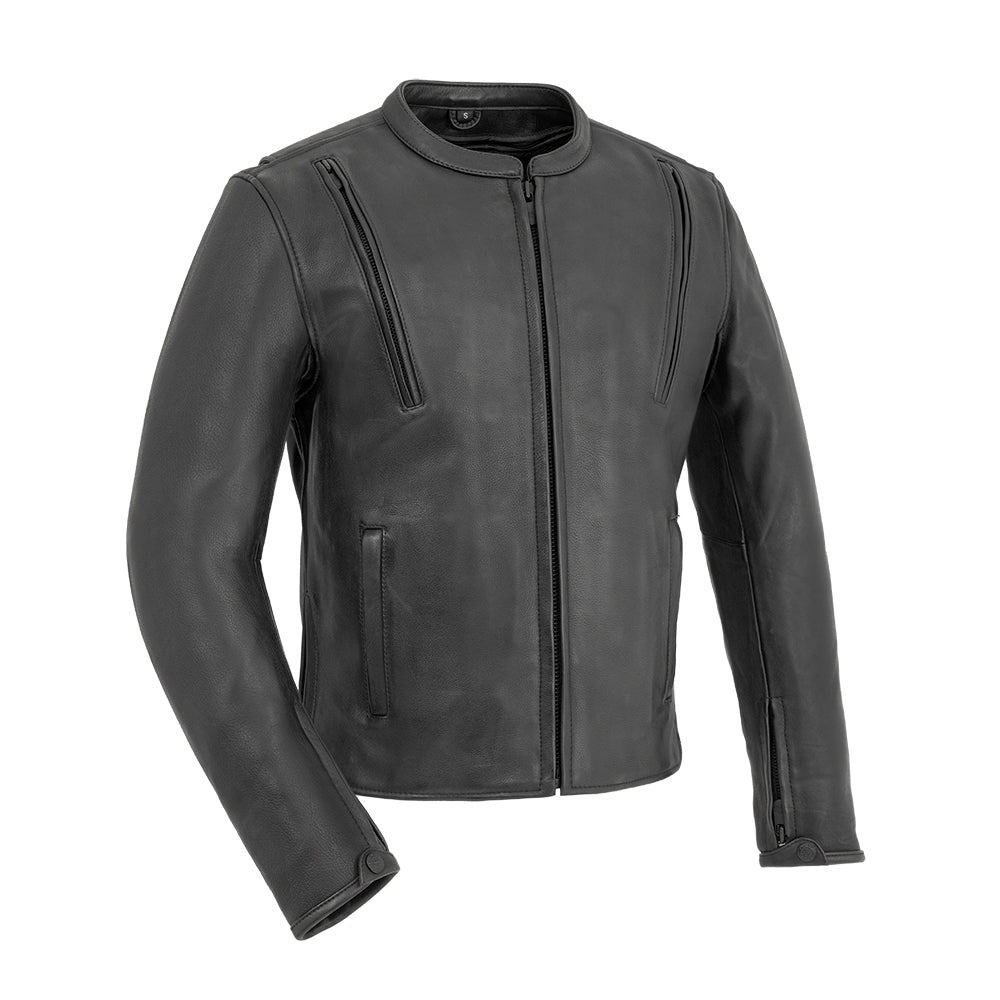
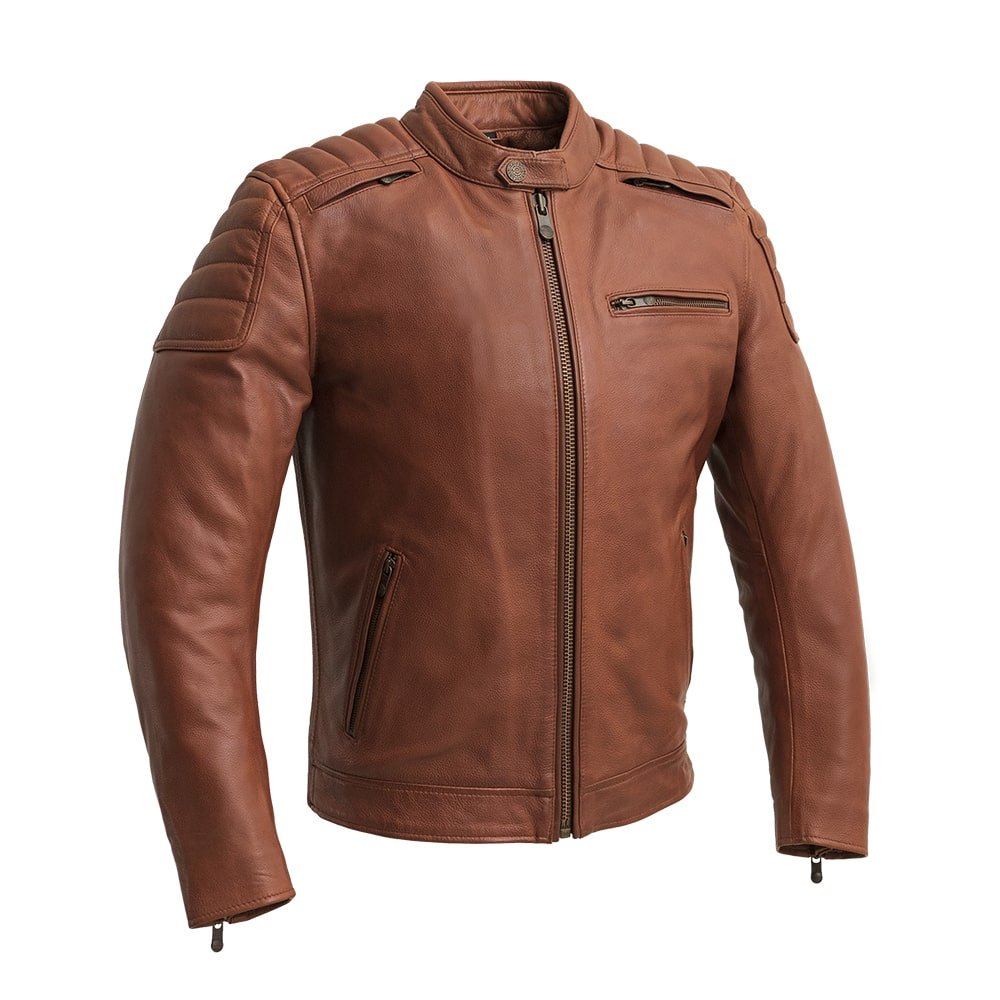
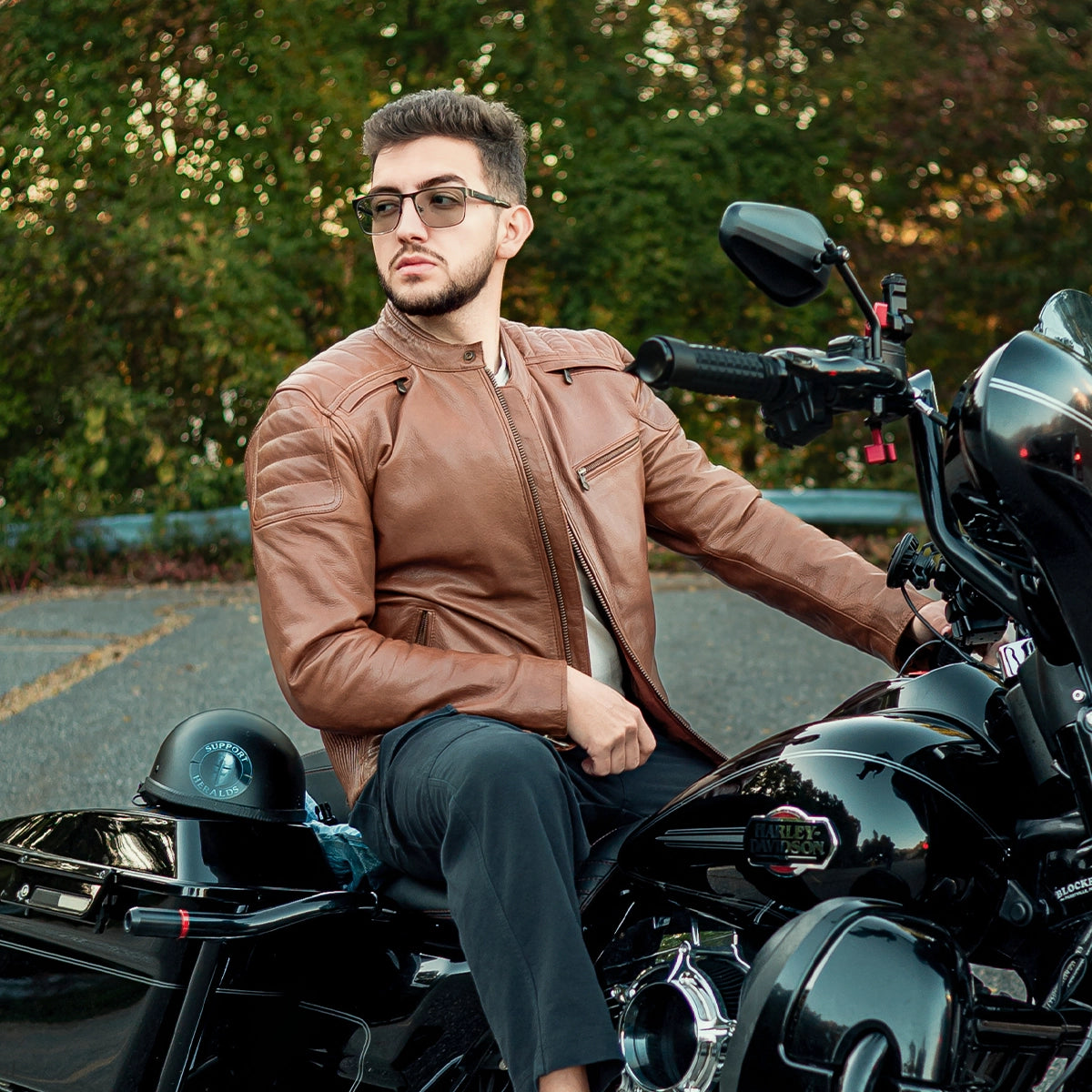
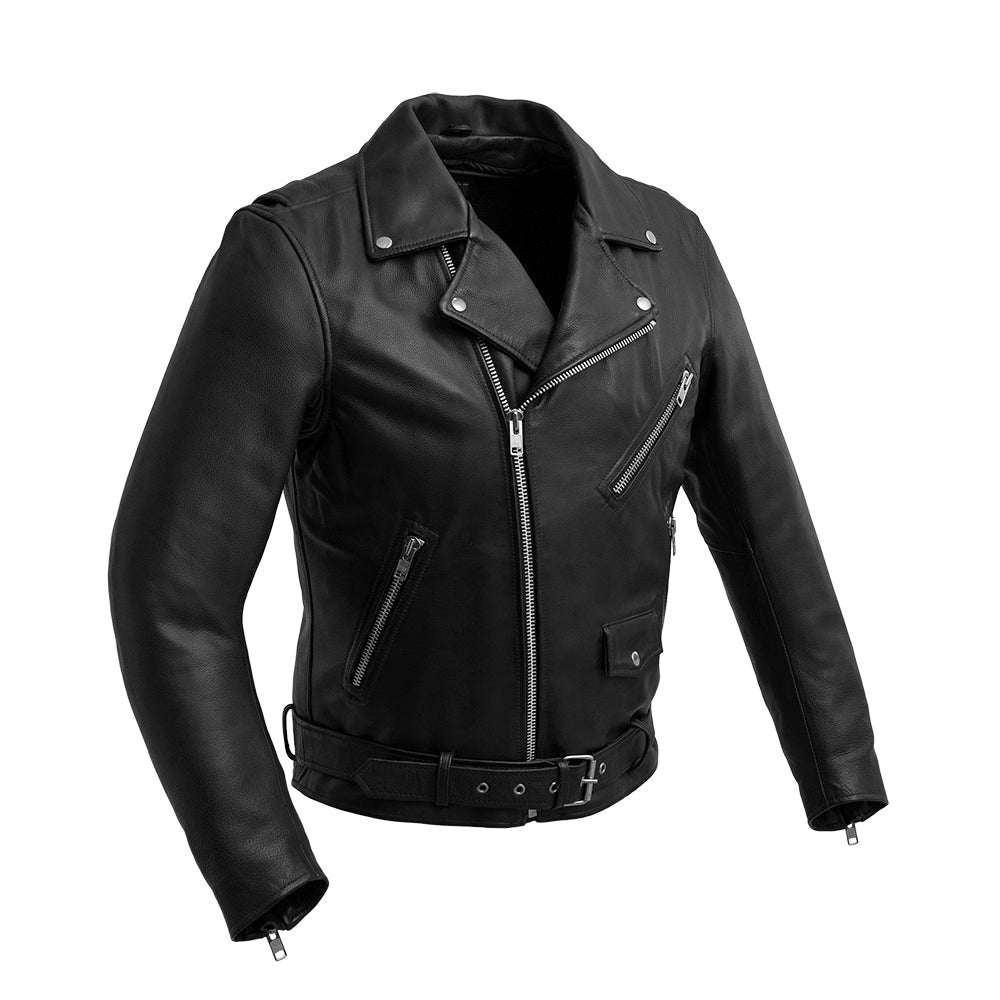
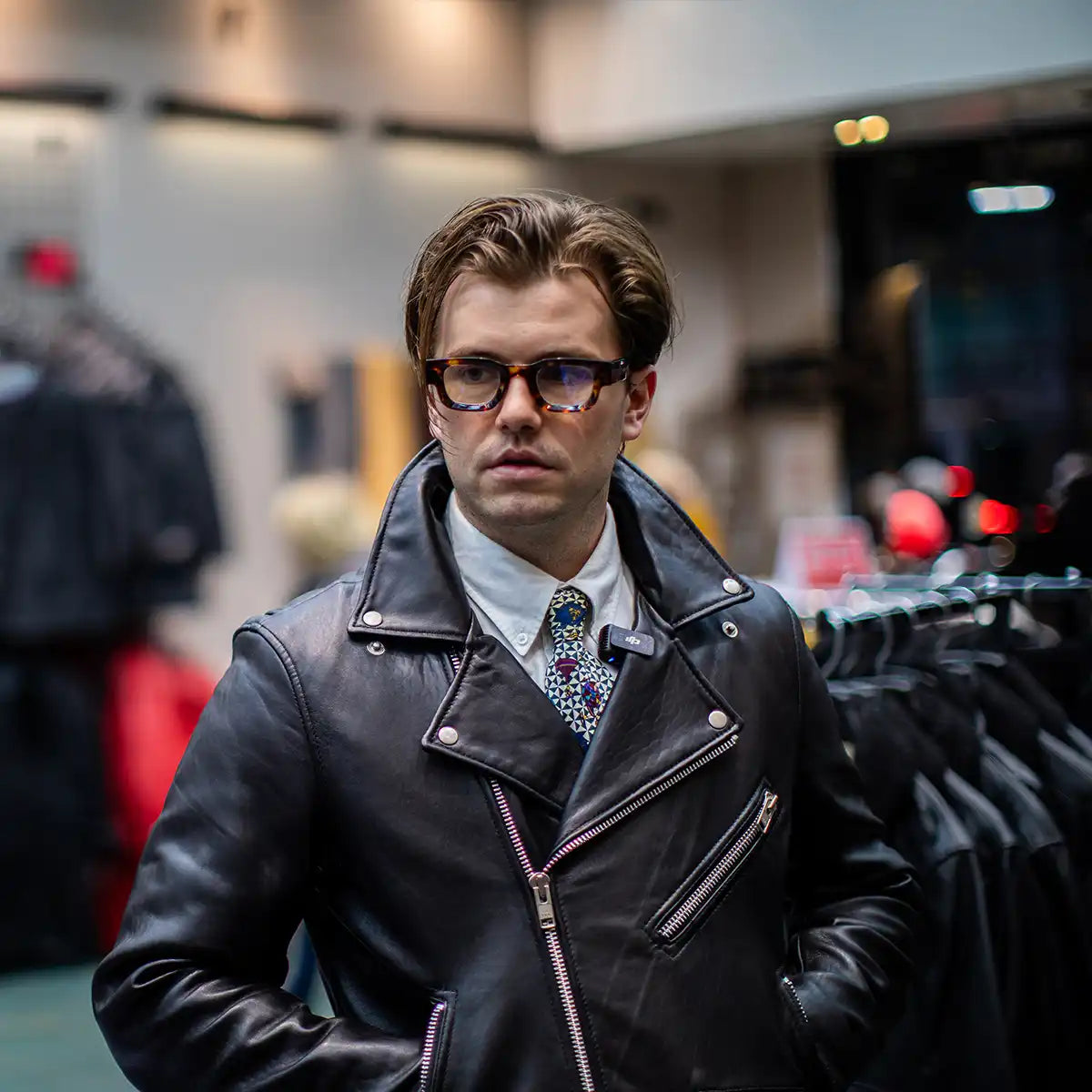
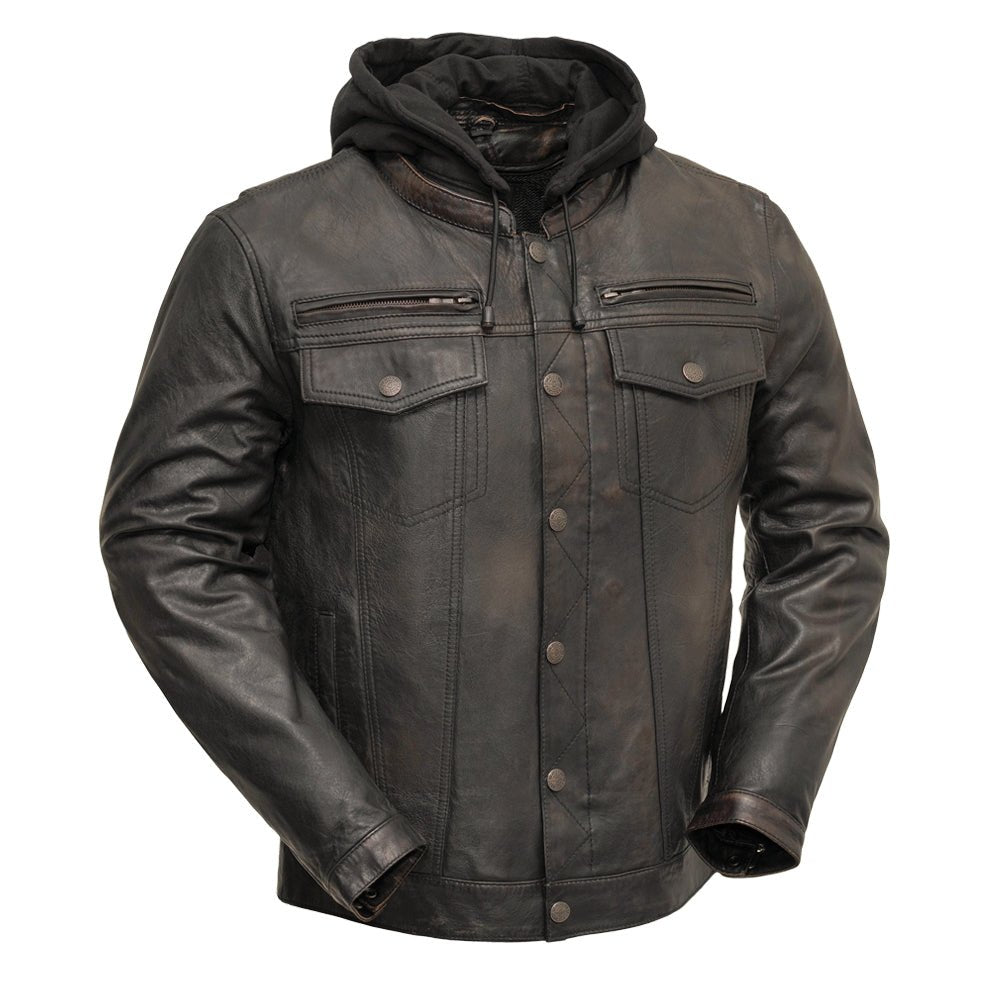
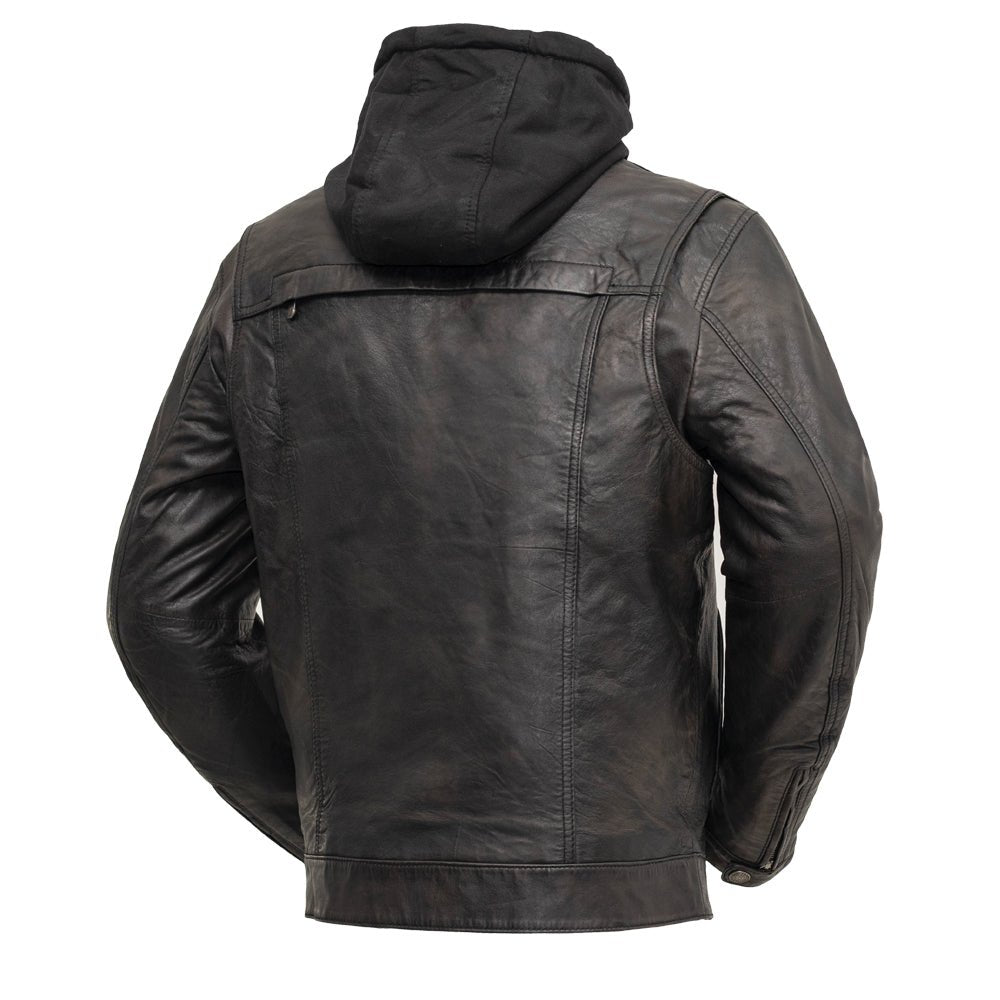
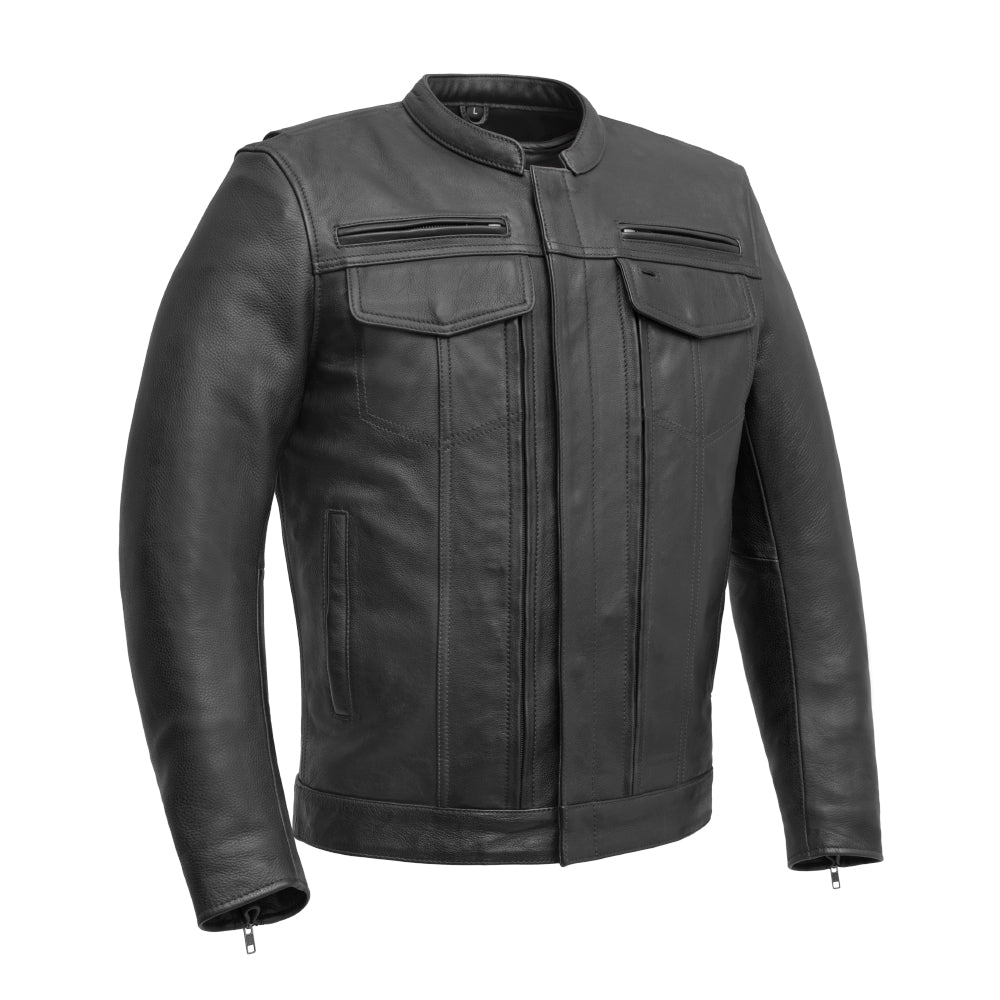
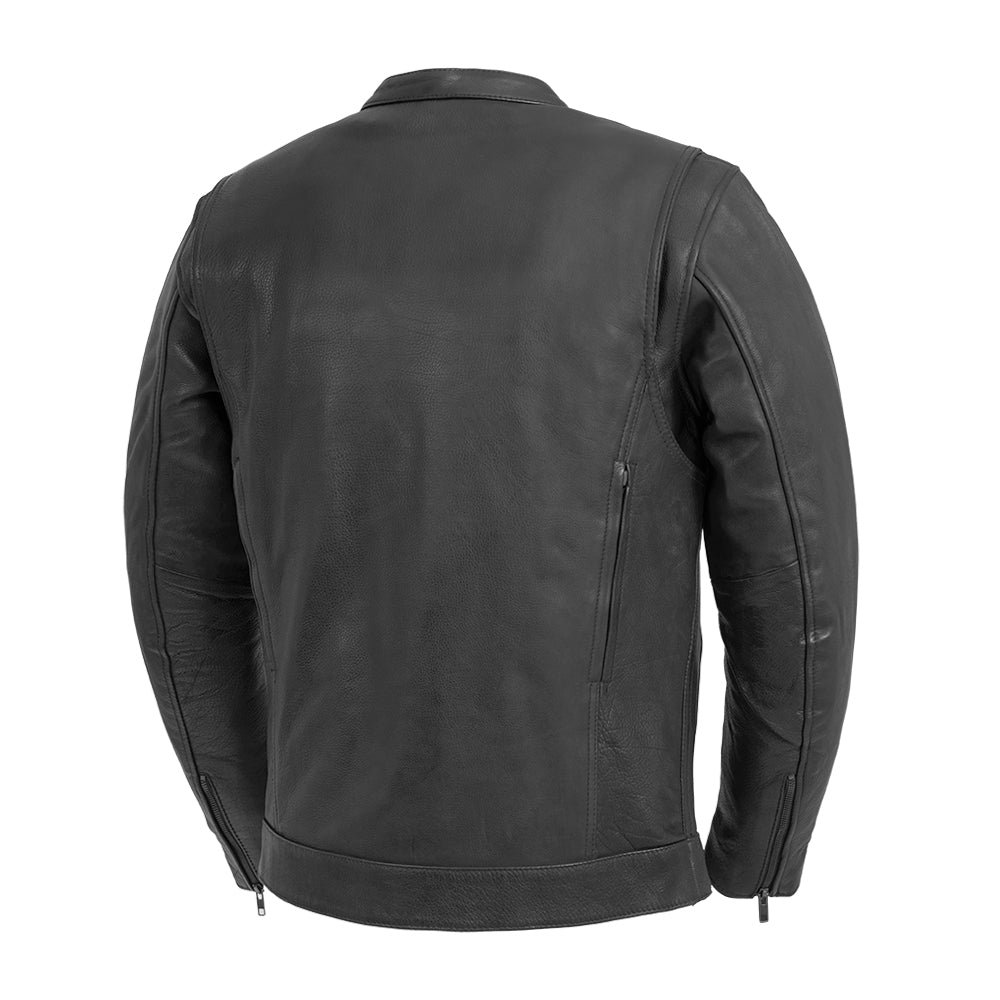
Leather remains the most iconic choice among riders. Thick cowhide and buffalo leather provide dependable abrasion resistance and a classic look associated with cruiser and café racer culture. Leather molds to the body over time, becoming more comfortable with use. It performs well in cool or mild weather but can become warm in summer and requires maintenance to stay in good condition.
Textile Motorcycle Jackets
Textile jackets use materials like Cordura nylon, ripstop polyester, Kevlar reinforcement, and softshell fabrics. They are lighter than leather and handle rain, heat, and cold better. Textile jackets dominate the touring and adventure categories because they can integrate waterproof membranes, thermal liners, and multiple ventilation channels easily.
Mesh Motorcycle Jackets
Mesh jackets rely on breathable panels that allow air to pass directly through the jacket. Riders in hot climates use mesh jackets to prevent overheating. They include armor and reinforced impact zones while maintaining airflow, making them ideal for summer or desert riding conditions.
Touring Jackets
Touring jackets are built for long distance travel. They include hydration pockets, multiple vents, waterproof liners, removable thermal liners, large storage compartments, and adjustment points. Riders who travel across states or continents rely on touring jackets to stay comfortable in unpredictable climates.
Adventure Jackets
Adventure jackets combine the toughness of off road gear with the comfort of touring jackets. They use reinforced textiles, dust resistant materials, multi season ventilation, and rugged construction suitable for dirt roads, gravel trails, and highway transitions.
Cruiser Jackets
Cruiser jackets use heavier leather and relaxed fits designed for upright riding positions. They often include classic styling, concealed carry pockets, and thick leather panels that add wind resistance during long open road rides.
Sportbike and Racing Jackets
Racing jackets are engineered for aggressive riding with pre-curved sleeves, aerodynamic structures, elbow sliders, and CE Level 2 armor. These jackets are designed for maximum abrasion resistance and impact protection during high speed riding. They are tight fitting to keep armor locked in place.
Cafe Racer Jackets
Cafe racer jackets prioritize a minimal, clean aesthetic with a fitted silhouette. They combine style with moderate protection and remain popular for riders who want a sleek road presence without bulky gear.
Commuter Jackets
Commuter jackets are lightweight, flexible, and neutral in appearance. They look natural off the bike and are easy to wear in city environments. Commuters appreciate features like breathable fabrics, waterproof pockets, and practical storage.
All Season and Modular Jackets
All season jackets use removable thermal liners, waterproof shells, and adjustable vents to adapt to winter, summer, and rainy conditions. Riders who want a single jacket for every climate prefer modular designs.
Difference Between a Regular Fashion Jacket and a Motorcycle Jacket

Many new riders assume a regular leather jacket or casual fashion jacket can offer some level of protection on a motorcycle, but the two are built with completely different purposes in mind. Motorcycle jackets for womens is a technical safety garment designed for abrasion resistance, impact protection, and high speed environments. A fashion jacket is made for daily wear, style, and comfort, but not for the road.
This comparison table makes the difference easy to understand even for beginners.
|
Feature |
Motorcycle Jacket |
Regular Fashion Jacket |
|
Primary Purpose |
Protects rider from impact, abrasion, weather, and road hazards |
Designed for styling, casual comfort, and aesthetics |
|
Material Strength |
Uses abrasion resistant cowhide, buffalo hide, goatskin, Cordura, Kevlar, or reinforced textiles |
Made from soft leather, PU leather, denim, cotton, or polyester without protection |
|
Armor Protection |
Includes CE-certified armor in shoulders, elbows, and spine |
No armor or impact protection |
|
Safety Certifications |
Rated under EN 17092 (A, AA, AAA) for abrasion and tear resistance |
No safety certification, not tested for riding environments |
|
Stitching Quality |
Reinforced double or triple stitching to prevent seam failure during a slide |
Standard fashion stitching not built for impact or abrasion |
|
Fit and Structure |
Snug, secure fit to hold armor in place and stay stable during a fall |
Loose or fashion-fit design meant only for comfort and style |
|
Ventilation and Airflow |
Designed with vents, exhaust ports, and airflow channels for climate control |
Basic lining or no ventilation system |
|
Weather Resistance |
Can include waterproof membranes, DWR coating, and thermal liners |
Minimal weather resistance, not suitable for rain or wind at highway speeds |
|
Durability in Accidents |
Engineered to survive slides, impacts, and road friction |
Offers little to no protection during crashes |
|
Riding Ergonomics |
Pre-curved sleeves, action back panels, stretch zones for riding posture |
Straight cut design not meant for riding positions |
|
Weight and Thickness |
Heavier, thicker, and built with multiple protective layers |
Lightweight and thin with limited structural integrity |
Materials and Fabrics Used in Motorcycle Jackets
Each material behaves differently during a slide, in heat, or in rain. Understanding these materials makes it easier to choose the right mens leather motorcycle jackets for your environment and riding style.
Cowhide, Buffalo, Lambskin, and Goatskin Leather
- Cowhide Leather: Cowhide is thick and offers strong abrasion resistance. It is the most common leather used in motorcycle jackets and provides predictable protection during accidents.
- Buffalo Leather: Buffalo hide has natural grain texture and high durability. It performs well against road wear and usually lasts longer than cowhide.
- Lambskin Leather: Lambskin feels extremely soft and lightweight. While comfortable, it is more suitable for fashion or casual riding, not high-speed protection.
- Goatskin Leather: Goatskin is flexible and tough. It is lighter than cowhide and offers excellent comfort while maintaining reliable abrasion performance.
- Nubuck and Suede Leather: These leathers have a velvety texture. They look stylish but are less abrasion resistant. Riders choose them for fashion-oriented jackets rather than high-impact riding.
Vegan Leather and PU Leather
These synthetic materials mimic the look of real leather but do not match its abrasion resistance. Riders choose vegan leather or PU leather for fashion or casual riding. They are easier to clean and more affordable, but not recommended for high speed protection.
Textile Technologies: Cordura, Kevlar, and Ripstop
- Cordura: Cordura is a durable nylon fabric known for its strength and abrasion resistance. It is common in high-end textile jackets used for commuting and touring.
- Kevlar: Kevlar panels are used to reinforce elbows, shoulders, and high-abrasion zones. Kevlar resists tearing and increases slide time during accidents.
- Ripstop Fabric: Ripstop uses a grid pattern that stops small tears from spreading. It is lightweight and strong, used in many adventure and touring jackets.
Waterproofing Systems: Gore-Tex, Membranes, and DWR Coatings
- Gore-Tex and Waterproof Membranes: These membranes use micro pores to block water while allowing sweat to escape. Gore-Tex is the industry standard for premium waterproofing.
- DWR Coating; Durable Water Repellent coating helps water bead off the fabric surface. DWR improves rain resistance and keeps jackets lighter during storms.
Armor and Impact Protection Systems

Armor plays a major role in motorcycle safety. Even the toughest leather cannot prevent impact injuries. Armor absorbs energy, reduces trauma, and helps the body survive crashes with fewer injuries. Modern motorcycle jackets rely on armor just as much as their outer materials. Armor is critical for protecting bones, joints, and the spine from sudden impacts.
Understanding CE Certifications
CE certification confirms that the motorcycle armor pads meet European safety standards. EN 1621-1 applies to elbow and shoulder armor. EN 1621-2 covers spinal protectors. EN 17092 rates the overall jacket for abrasion and tear resistance.
- CE Level 1 Armor: CE Level 1 armor absorbs moderate impact. It is thinner and more flexible, making it comfortable for daily commuting.
- CE Level 2 Armor: CE Level 2 armor absorbs almost double the impact energy of Level 1. It is the preferred choice for touring, highway, and high-speed riders.
Shoulder, Elbow, and Back Protection
These zones are the first to hit the ground in most crashes. Shoulder and elbow armor prevent fractures while back protectors reduce spinal injury risk.
Chest Protectors
Common in racing and ADV jackets. Chest armor protects ribs and sternum from front-impact crashes.
Abrasion Resistance and Reinforced Stitching
Abrasion resistance determines slide time. Reinforced double or triple stitching prevents seams from splitting open during impact.
- Kevlar Panels: Kevlar is placed in high-risk areas to improve tear resistance and durability.
- Reflective Panels: These help other drivers see the rider at night or in fog. Visibility is a major safety factor on highways.
Essential Construction Features That Define Quality

Construction quality determines how long the jacket lasts and how well it performs over time.
Zippers, Collars, Sleeves, and Action Back Panels
- YKK Zippers: YKK zippers are known for durability. Weak zippers break easily and can cause a jacket to fail during impact.
- Snap-down Collars: Collars that secure firmly prevent wind flapping and improve comfort at high speed.
- Action Back Panels: These expandable panels allow shoulder movement and comfort when reaching forward to grip handlebars.
- Pre-curved Sleeves: Sleeves shaped to match the riding posture reduce muscle fatigue.
Ventilation Zippers and Exhaust System
Vent zippers let cool air enter. Exhaust ports at the back push warm air out. This airflow prevents overheating.
Liners: Mesh, Thermal and Waterproof
- Breathable Mesh Lining: This interior mesh reduces sweat buildup and improves comfort during long rides.
- Thermal and Waterproof Liners: Many jackets include removable thermal liners for winter and waterproof liners to block rain. These liners make jackets adaptable across seasons.
Adjustments for Fit and Comfort
Adjustable waist straps, cuff closures, and hem systems allow riders to secure armor in place. A proper fit ensures safety and prevents the jacket from shifting during a crash.
Choosing a Jacket Based on Riding Style

Different riding styles demand different jacket features. Choosing the right style ensures your jacket matches your environment, posture, and safety needs.
While protection always comes first, style still matters because riders want gear that feels personal and confident. Choosing the right cut, color, and outfit combinations can transform how a jacket looks both on and off the bike. If you are curious about pairing jackets with different outfits, check out How to Style a Leather Jacket for practical, rider-friendly styling ideas.
Touring and Long Distance Riding
Touring jackets must handle unpredictable weather, long hours of riding, and constant temperature shifts. Waterproof membranes, large vents, multiple pockets, and removable thermal liners help riders stay comfortable and alert over long distances.
Daily or City Commuting
Commuters need jackets that balance protection with everyday practicality. Lightweight constructions, breathable fabrics, waterproof pockets, and a casual appearance make these jackets ideal for urban environments.
Highway Cruising
Cruiser riders prefer heavy leather for wind resistance and long term durability. The relaxed fit supports upright riding positions and provides comfort during extended highway travel.
Track Riding
Track and sportbike riders require tight fitting jackets with Level 2 armor, sliders, and aerodynamic shaping. These jackets support high speed safety and aggressive riding postures.
Off Road and Adventure Riding
Adventure jackets must handle dirt, dust, bumps, and temperature changes. They use reinforced textiles, strong ventilation systems, hydration pockets, and rugged construction to support off road movement.
Hot Weather Riding
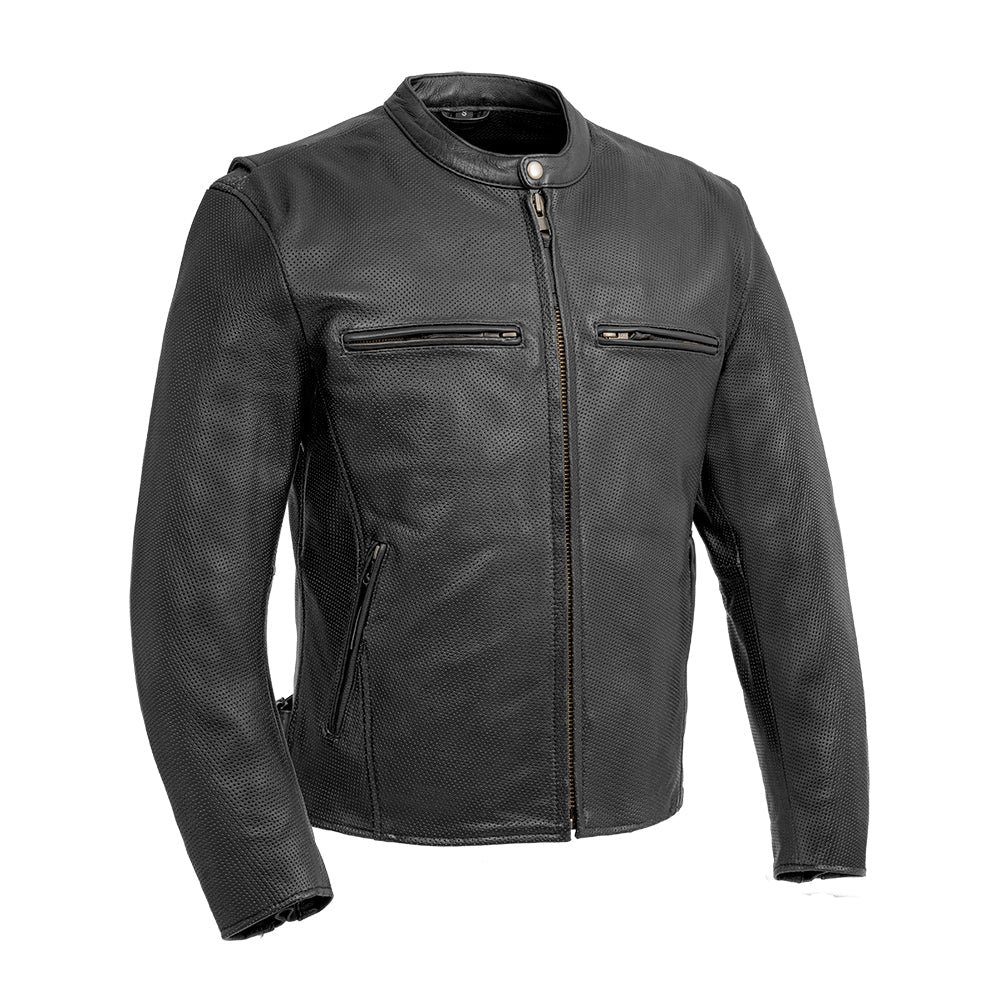
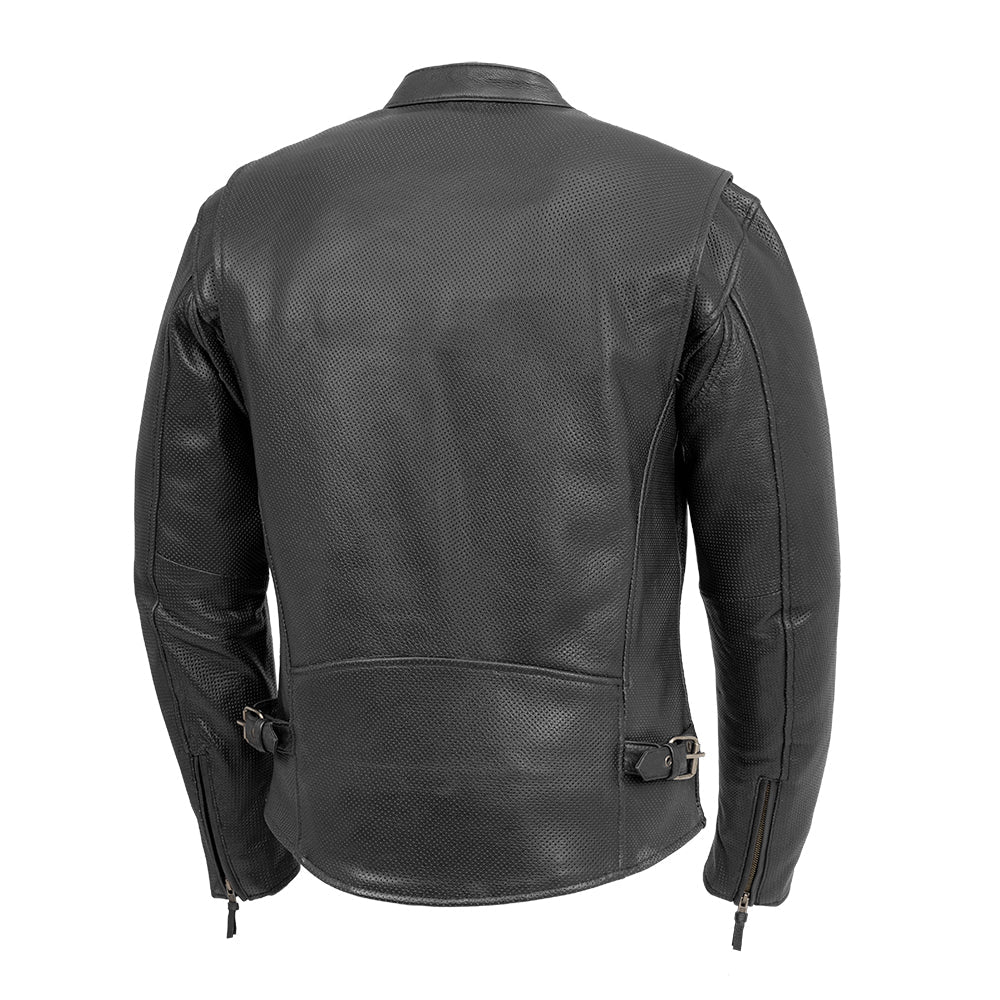
Mesh or perforated leather jackets allow maximum airflow to prevent overheating. These jackets are essential in tropical or desert climates.
Winter Riding
Winter jackets use insulated liners, windproof shells, and sealed cuffs to protect riders from cold exposure. Maintaining warm core temperature is critical for reaction time and riding control.
All Season Riding
Modular jackets allow riders to adjust layers for summer, winter, and rain. They are cost effective and versatile for mixed climate regions.
7. Weather and Climate Performance
Weather has a direct impact on rider safety and comfort. A jacket must help regulate body temperature and protect against environmental hazards.
- Wind Management: Strong wind can increase fatigue and reduce body heat. Windproof materials and secure closures help maintain comfort and focus.
- Rain Protection: Waterproof membranes, sealed seams, and storm flaps block rain from entering the jacket. Staying dry prevents cold related fatigue and maintains control.
- UV Protection: UV resistant materials help prevent fading and protect leather or textile fibers from long term damage.
- Insulation for Cold Weather: Thermal liners trap body heat and help maintain warm muscles and reaction times.
- Airflow for Hot Weather: Ventilation panels allow cool air to enter and warm air to escape. Proper airflow prevents overheating and heat exhaustion.
- Moisture Wicking Liners: These liners manage sweat by pulling moisture away from the skin. This increases comfort and reduces temperature spikes during long rides.
Safety Standards and Certifications
Safety ratings help riders understand how each jacket performs during slides or impacts. EN 17092 is the primary standard used today. Jackets receive ratings based on abrasion resistance and tear strength.
-
CE Certification: Confirms armor meets European safety requirements.
-
EN 1621-1: Covers armor used in the shoulders and elbows.
-
EN 1621-2: Covers armor for the spine.
-
EN 17092: Rates the entire jacket for abrasion and tear resistance.
-
A rating: A rated jacket offers basic protection practical for city speeds.
-
AA rating: AA rated jackets suit everyday road riding and touring.
-
AAA rating: AAA rated jackets offer the highest strength and are commonly used in racing and high performance environments.
Features Riders Care About Most
Riders look for features that balance safety, comfort, and convenience.
- Fit and Sizing: Motorcycle jackets must fit snugly to keep armor aligned. Loose jackets can twist during a fall.
- Pre-curved Arms: A natural riding position reduces fatigue.
- Vent Panels: Hot-weather airflow is critical in many climates.
- Concealed Carry Pockets: Popular in American cruiser jackets. They offer storage and security.
- Waterproof Pockets: Useful for protecting phones, documents, and wallets.
- Zipper-to-pant Connections: Prevents the jacket from riding up during accidents.
- Storage Compartments: Touring riders value extra pockets for tools, maps, and essentials.
Maintenance and Care
Proper maintenance keeps jackets performing well.
-
The leather conditioner prevents cracking.
-
Leather cleaner removes dirt without damaging fibers.
-
Waterproof sprays restore rain protection.
-
Textile cleaners keep fabrics fresh.
-
Air drying prevents heat damage.
-
Avoiding direct sunlight reduces color fading.
Over time, even well cared for jackets can develop wrinkles from storage, riding posture, or moisture. Many riders think these marks are permanent when they can often be treated safely at home. Our step-by-step guide How To Get Wrinkles Out Of Leather Jackets Or Vest shows simple ways to restore shape without damaging the leather.
Buying Decisions That Matter
New riders often struggle to choose the premium motorcycle jacket. These factors help guide decisions.
-
Your budget influences the type of material you can choose.
-
Premium jackets offer better protection and durability.
-
Fit accuracy determines how well armor performs.
-
Men and women have different fit structures for comfort.
-
Your riding purpose decides the jacket type you need.
-
Style preference shapes what you want to wear daily.
Final Thoughts
A motorcycle jacket is a carefully engineered safety system designed to protect the rider during crashes, stabilize body temperature in different climates, and enhance overall comfort and performance on the road. Whether the jacket is made from leather, textile, or mesh, its effectiveness depends on abrasion resistance, impact protection, ventilation, waterproofing, and fit. Riders can choose from many styles, including touring, adventure, cruiser, sport, commuter, and all season jackets, based on their riding habits and environment.
Buying high quality motorcycle jackets is not just about looking good. It is an investment in safety, confidence, and long term comfort. With the right knowledge, every rider can choose a jacket that fits their riding style and offers dependable protection on every journey.
If you want gear that reflects real riding experience with durable construction, premium materials, and designs trusted by the motorcycle community, First MFG Co offers a complete range of leather and textile motorcycle jackets built for protection, comfort, and long lasting road performance. Explore the collection to find the jacket that matches your riding style.
Frequently Asked Questions
What is a good motorcycle jacket?
A good motorcycle jacket provides abrasion resistance, CE certified armor, proper fit, and weather control. High quality options use cowhide leather, Cordura textile, or reinforced mesh with ventilation, waterproofing, and adjustable features. The best womens leather motorcycle jacket is one that matches your riding style, climate, and speed.
What is a mesh motorcycle jacket?
A mesh motorcycle jacket is a hot weather riding jacket made with large ventilated panels that allow maximum airflow. It includes shoulder and elbow armor, abrasion resistant reinforcements, and airflow channels to prevent overheating during summer rides. Riders in warm climates prefer mesh for breathability.
What is a motorcycle jacket called?
A motorcycle jacket may be called a riding jacket, biker jacket, leather motorcycle jacket, textile jacket, mesh jacket, touring jacket, or racing jacket depending on the material and riding purpose. Each name reflects different construction styles and protection levels.
What is a textile motorcycle jacket?
A textile motorcycle jacket uses materials like Cordura, polyester, Kevlar blends, or nylon to provide abrasion resistance, waterproofing, ventilation, and flexibility. Textile jackets are popular for commuting, touring, and all weather riding because they perform well in rain, wind, heat, and cold.
What is a convertible motorcycle jacket?
A convertible motorcycle jacket is a modular design that allows parts of the jacket to be removed or added. Common features include zip off sleeves, removable thermal liners, detachable waterproof layers, and adjustable vents. These jackets transition between seasons without needing multiple jackets.
What is a drop liner motorcycle jacket?
A drop liner motorcycle jacket uses a waterproof membrane that hangs separately inside the jacket shell. This floating liner keeps water out while allowing breathability. Many touring and adventure jackets use drop liners to manage rain, sweat, and wind without adding bulk.
What is a good motorcycle jacket for beginners?
Beginners benefit from jackets that balance protection, comfort, and affordability. A good starter jacket includes CE armor, abrasion resistant fabric or leather, ventilation, a snug fit, and features suitable for daily riding. Textile and mesh options work well for most climates, while leather provides long lasting durability