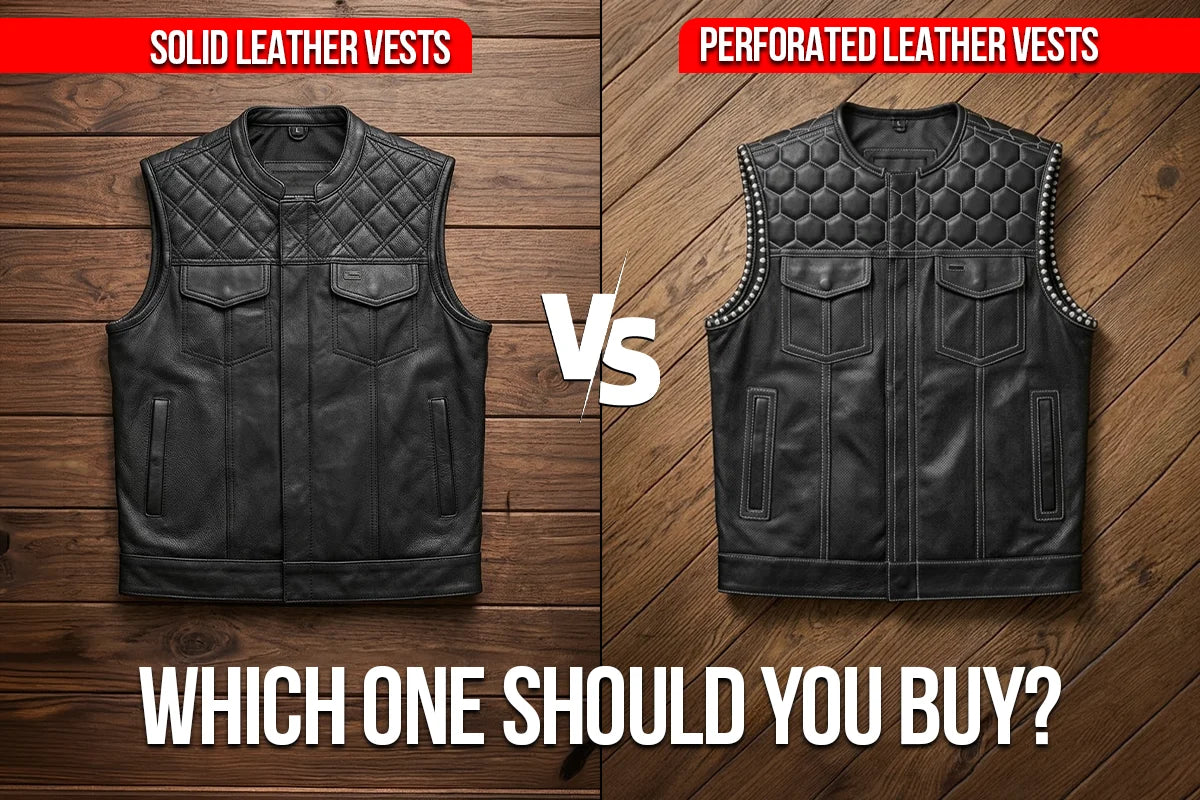
Your climate decides it. If your rides are hot and humid, a perforated leather vest keeps you cool. If they're cold, windy, or year-round, a solid leather vest keeps you protected. Airflow is the whole difference: perforated lets it in, solid shuts it out.
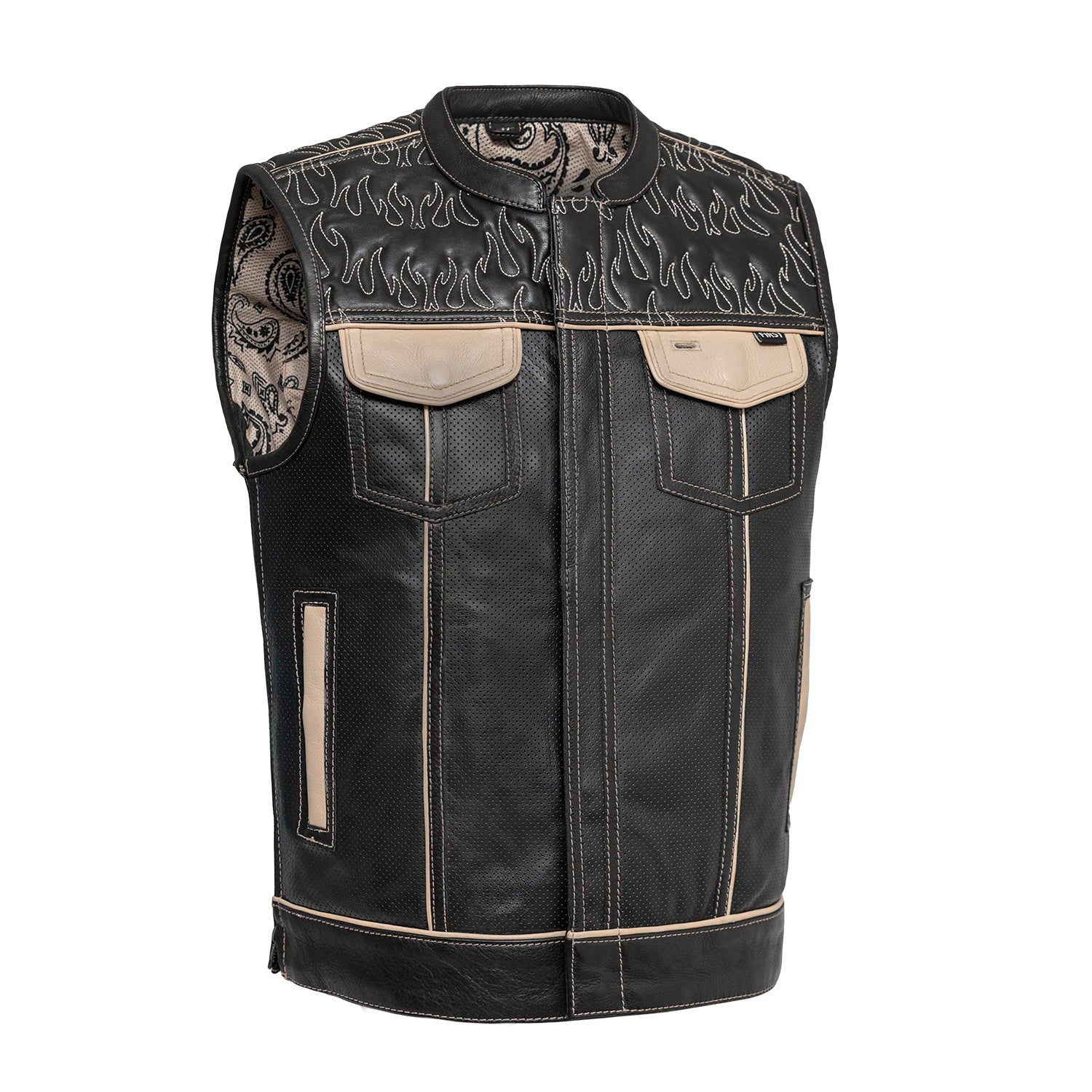
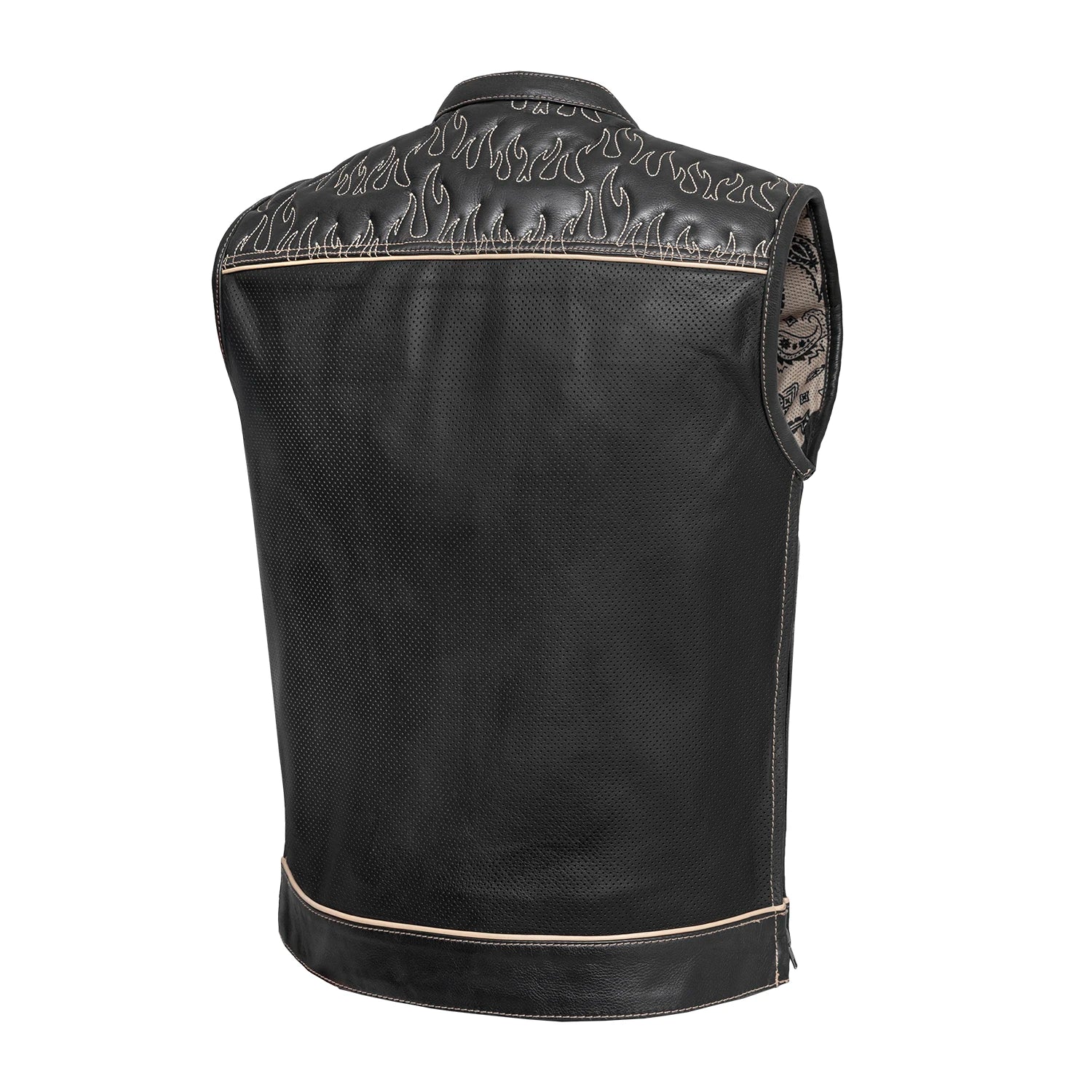
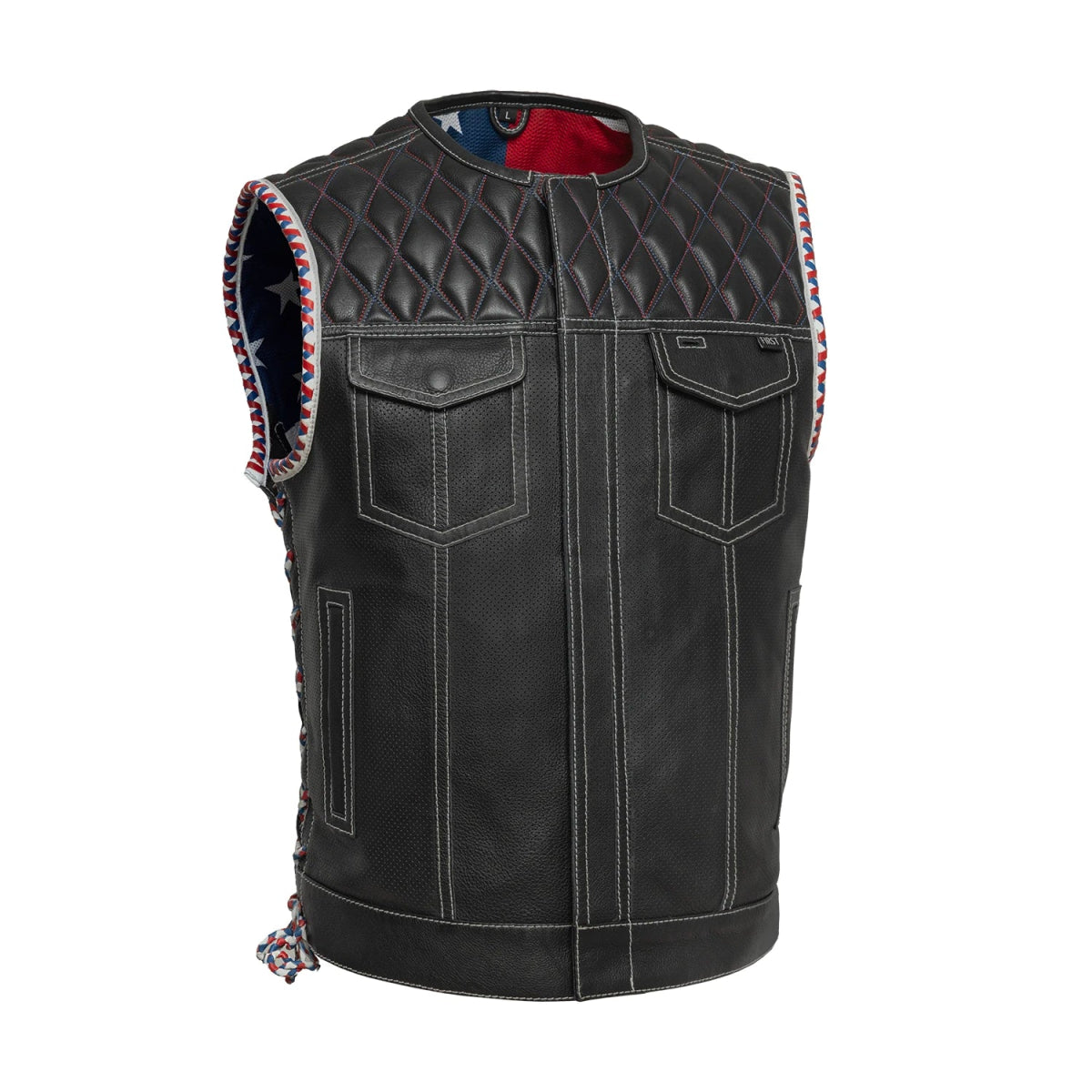
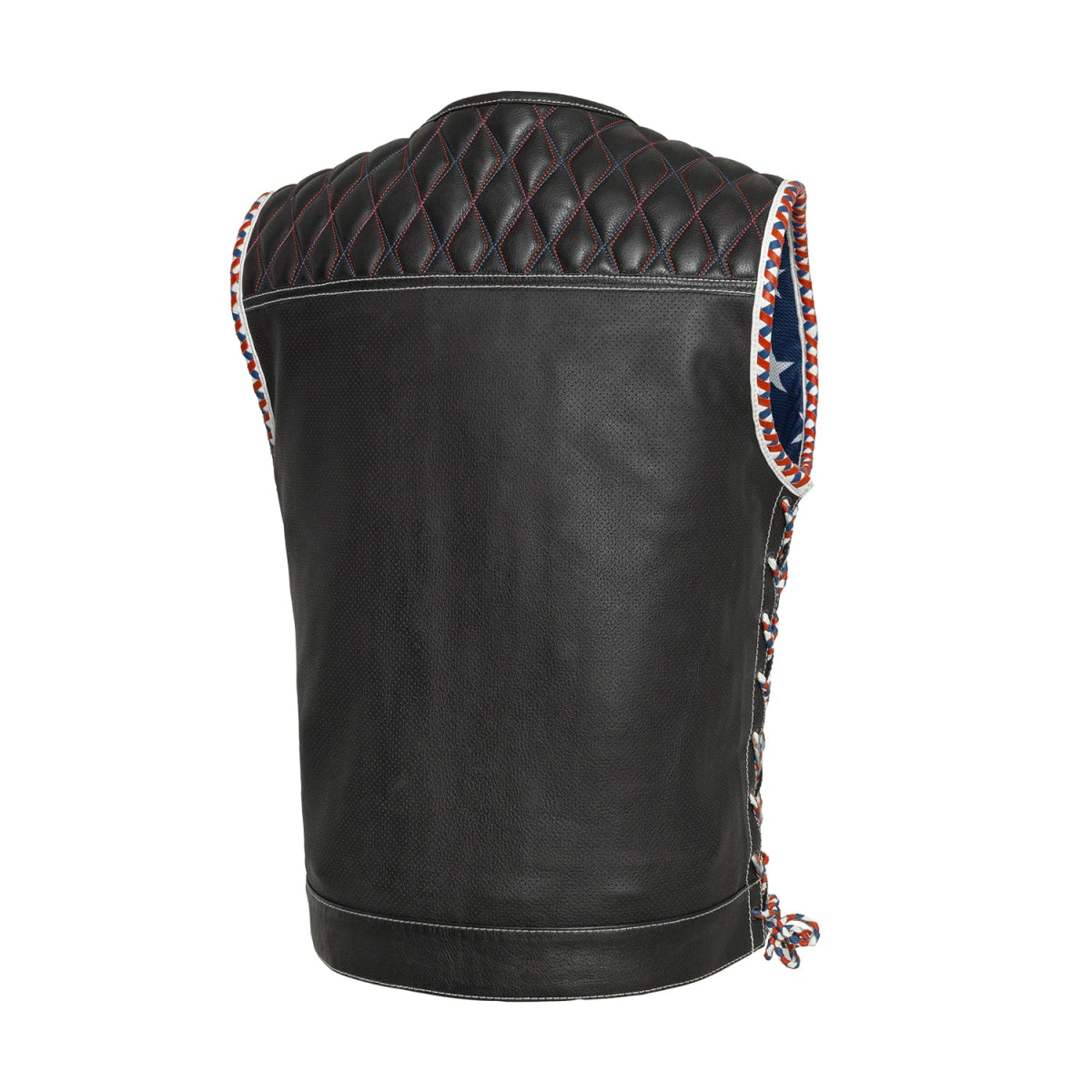
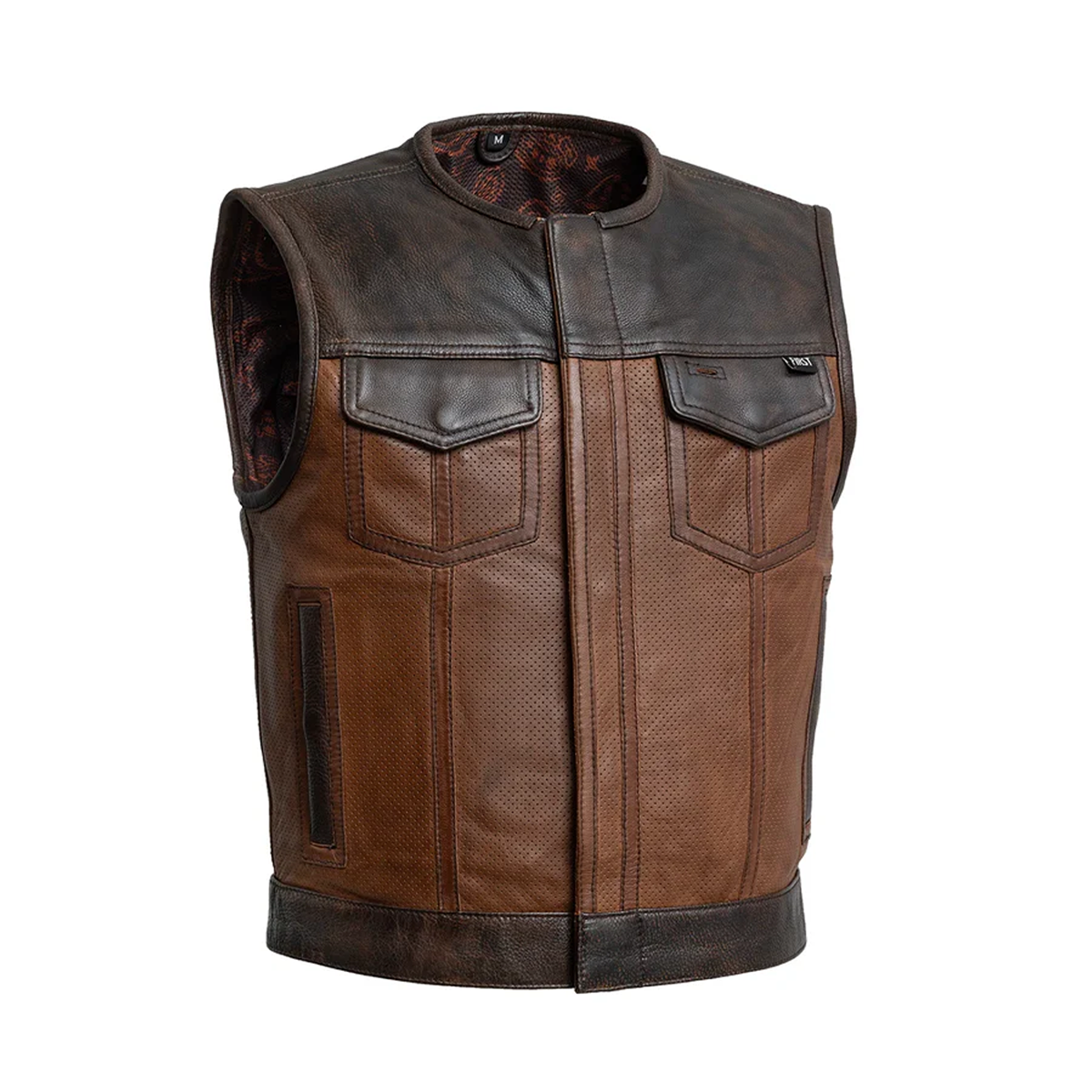
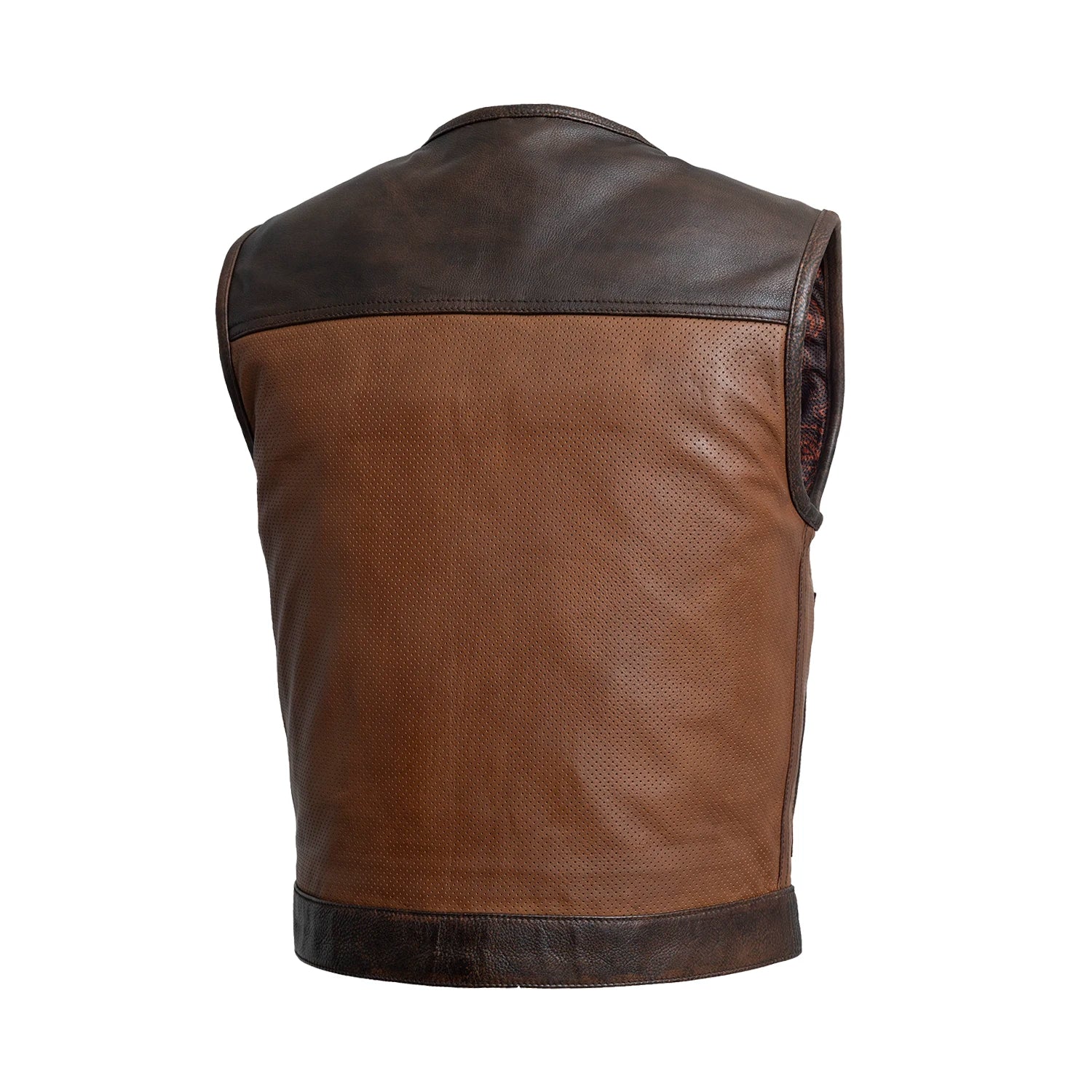
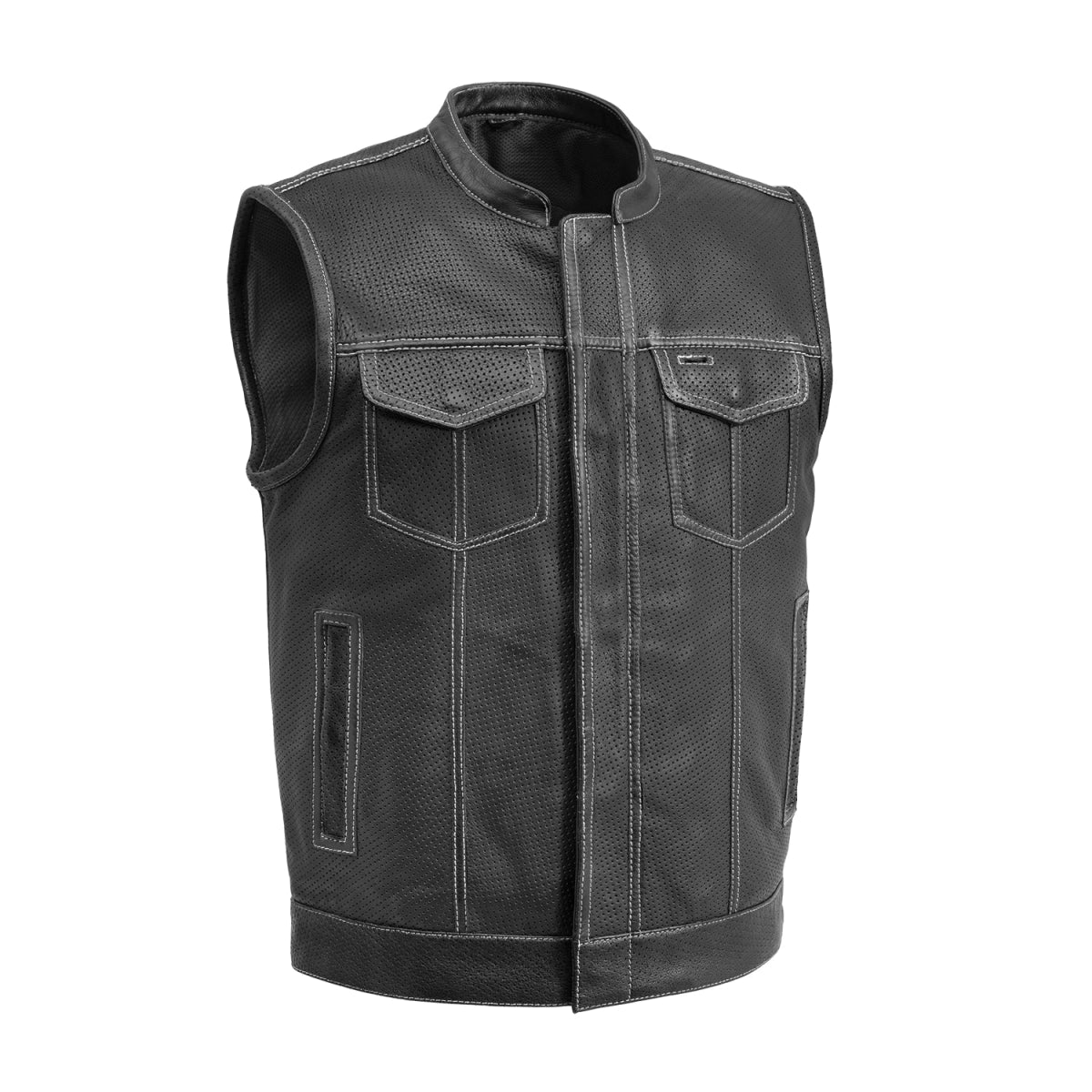
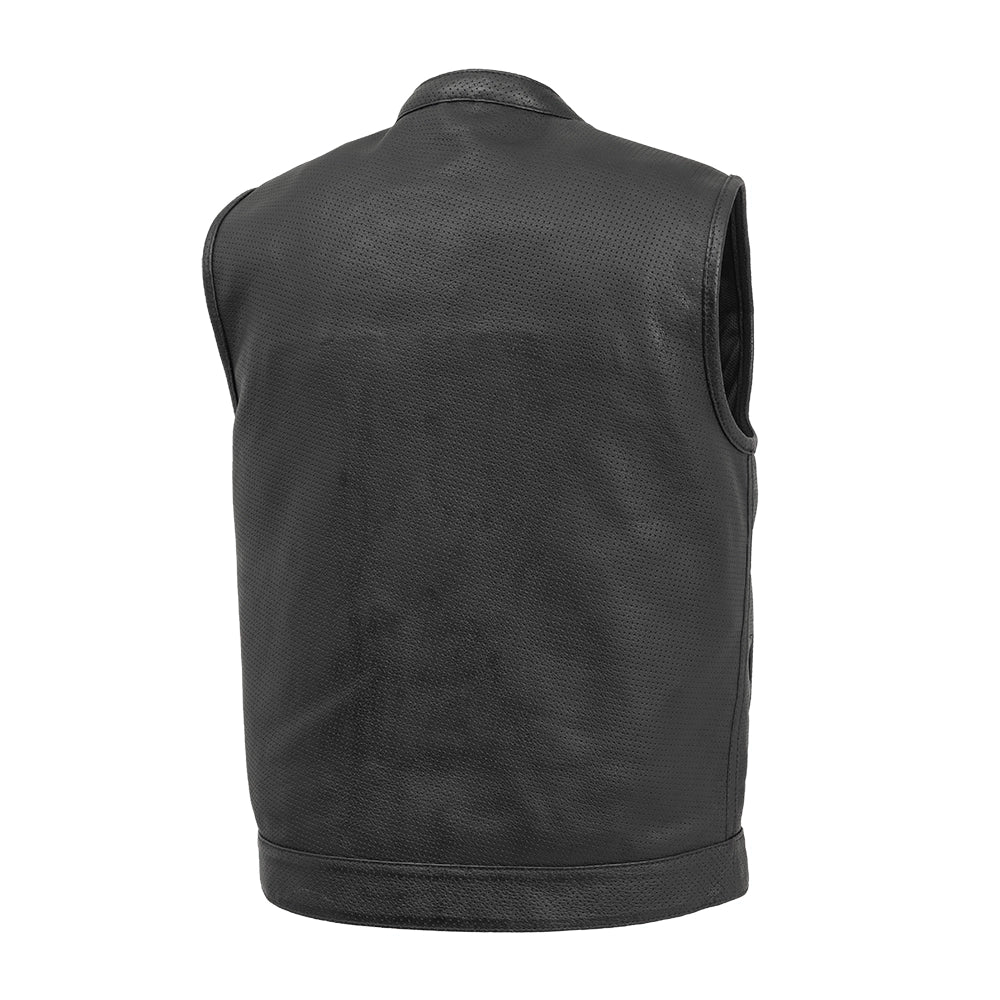
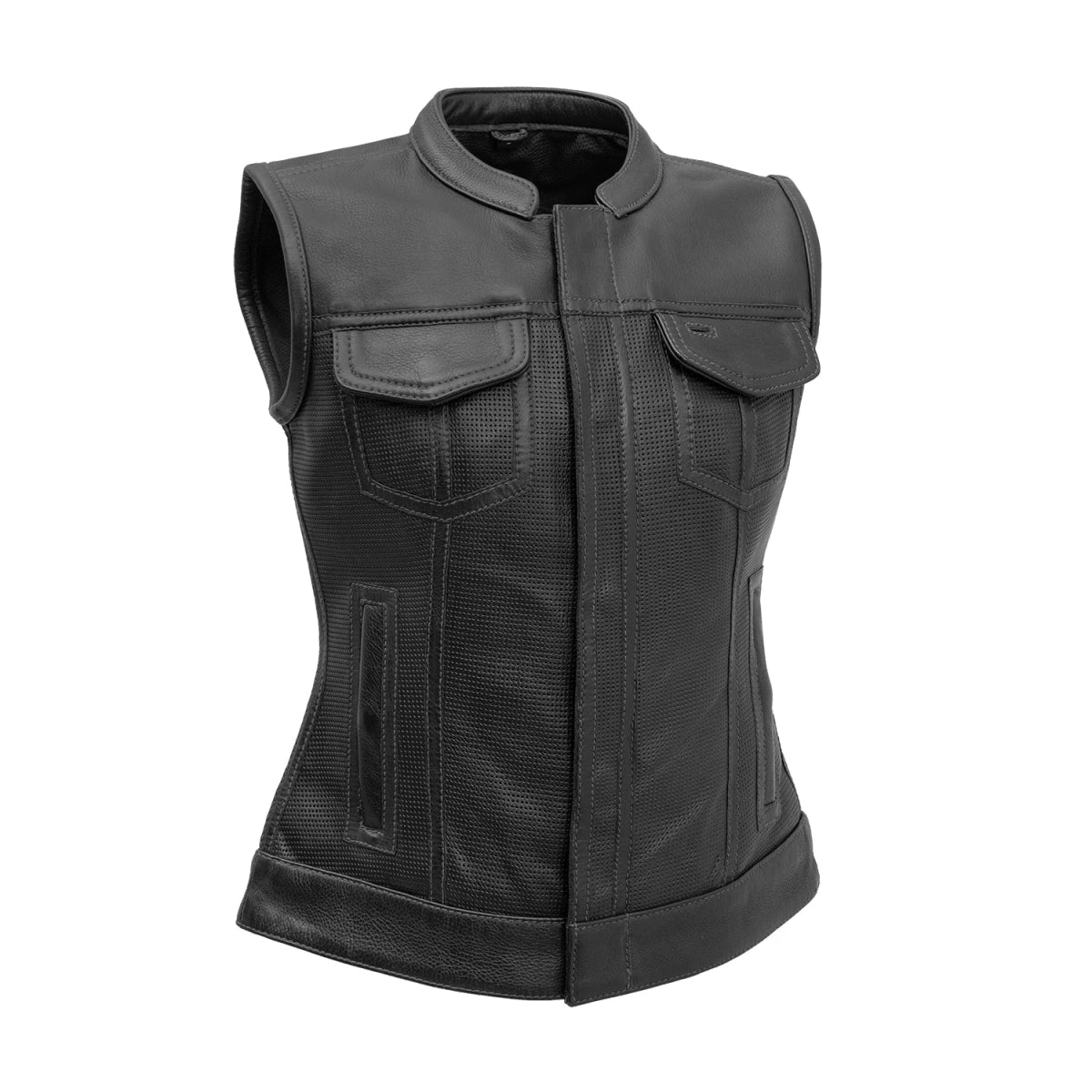
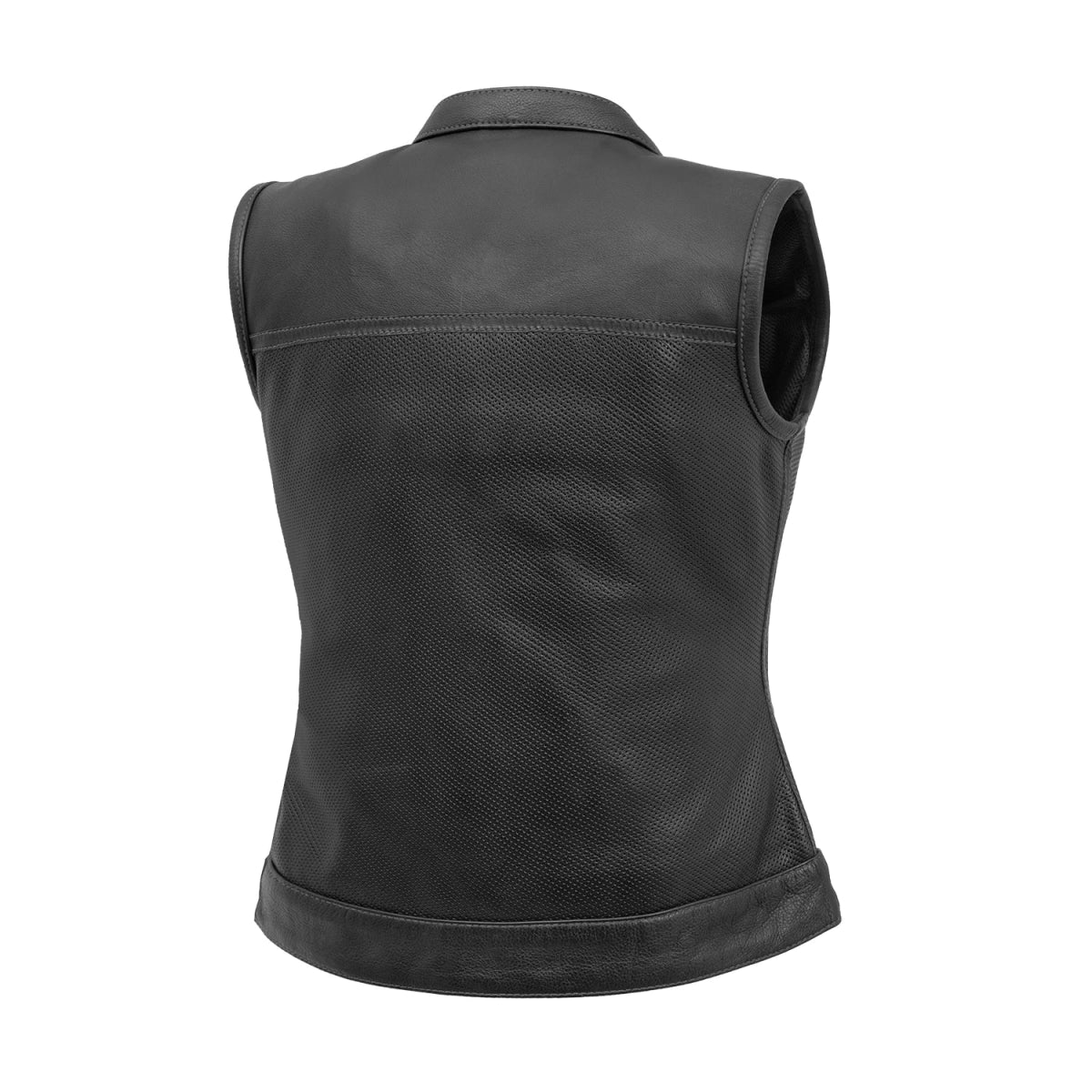
A perforated leather vest has thousands of small punched holes that let air move across your chest and back, so sweat evaporates faster and heat doesn't build up. It's built for summer cruising, warm-weather touring, and humid regions. Because the holes remove some material, it has slightly lower tear resistance than solid hide, but thick cowhide, reinforced seams, and solid shoulder panels close that gap.
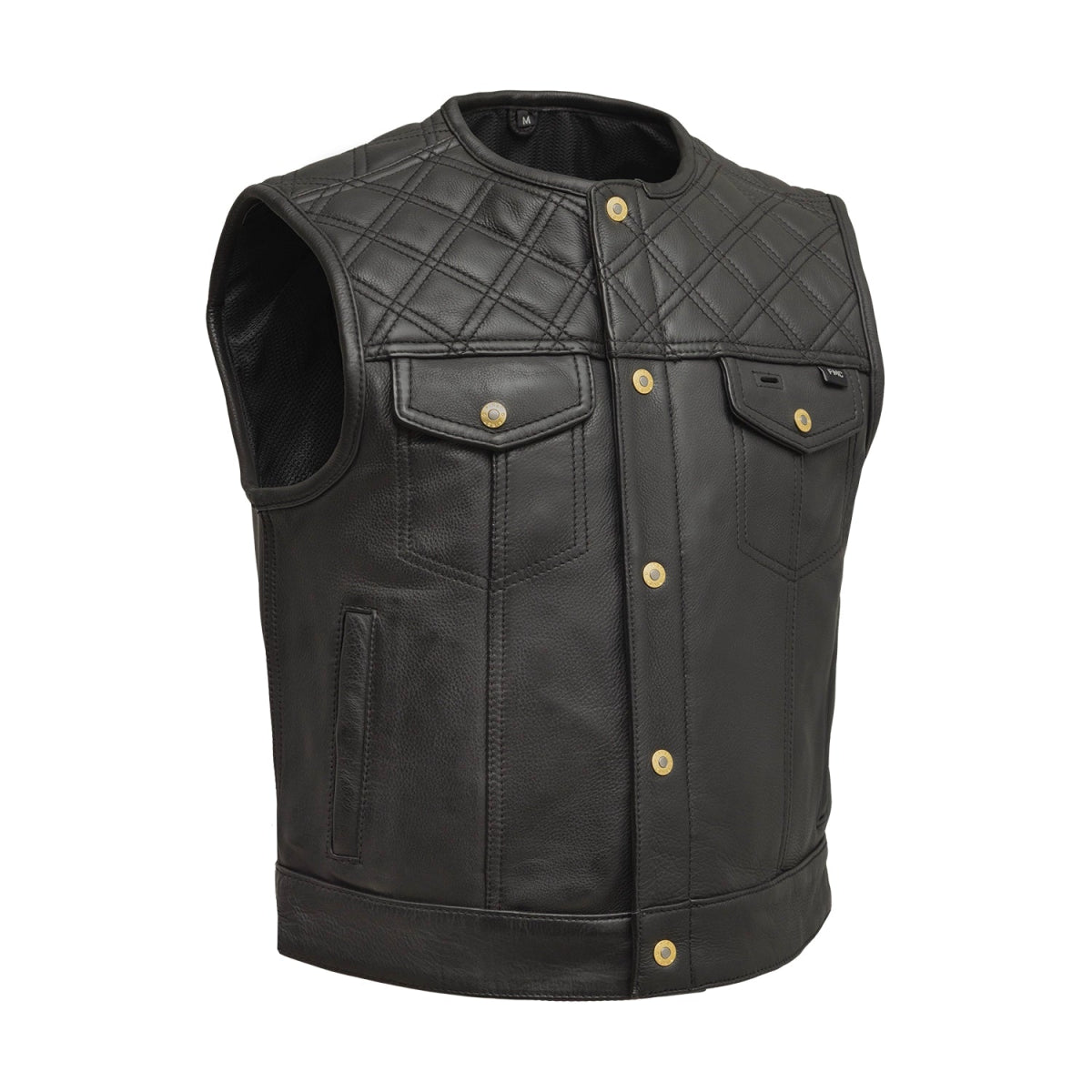
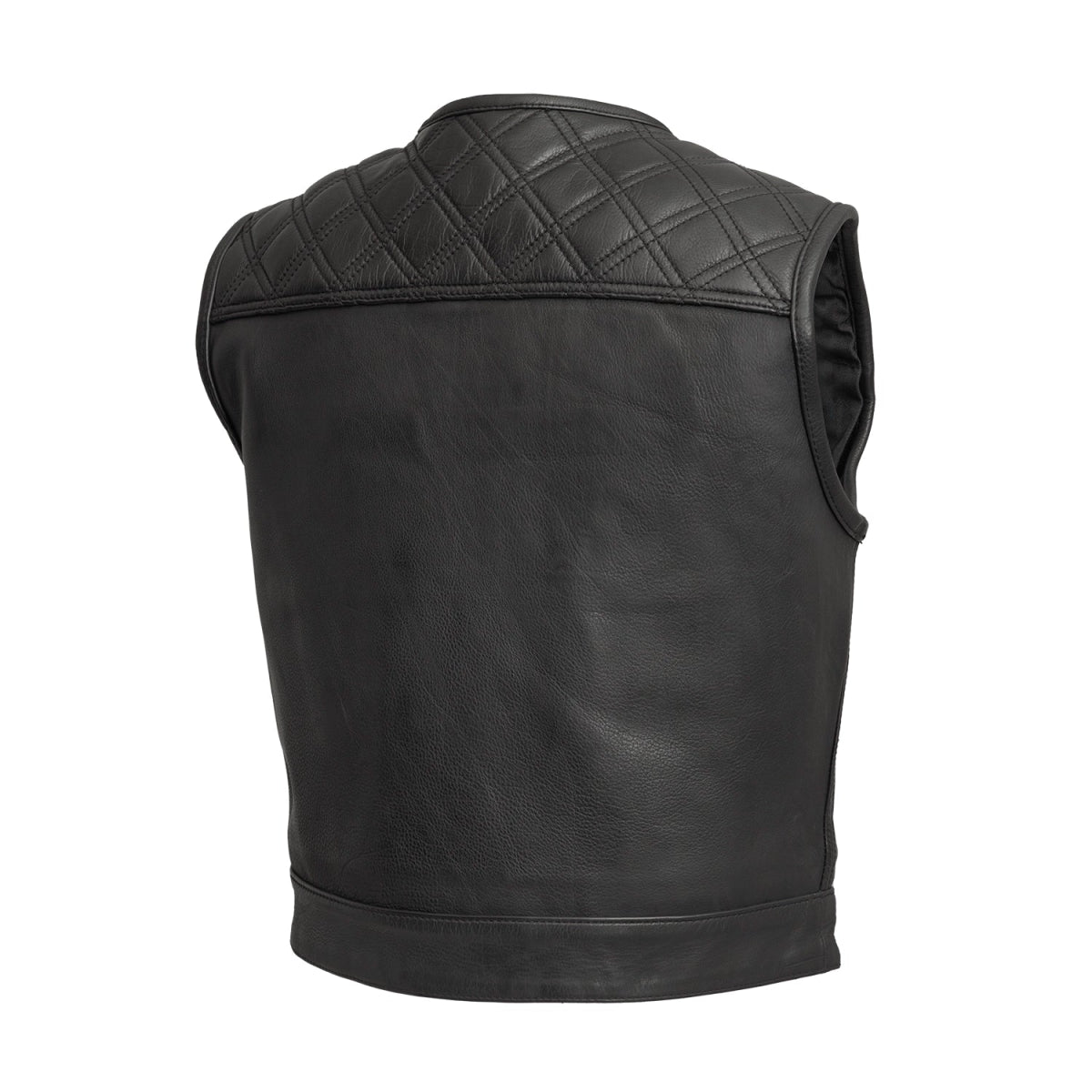
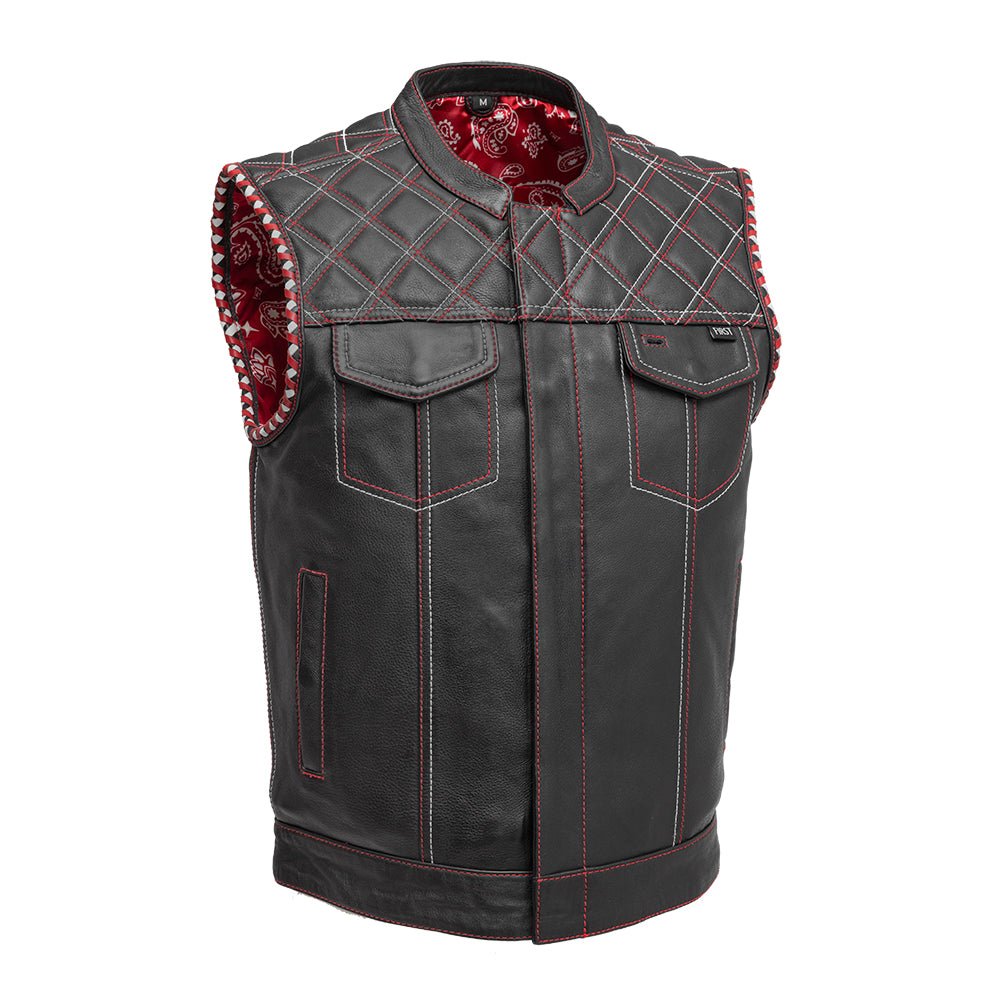
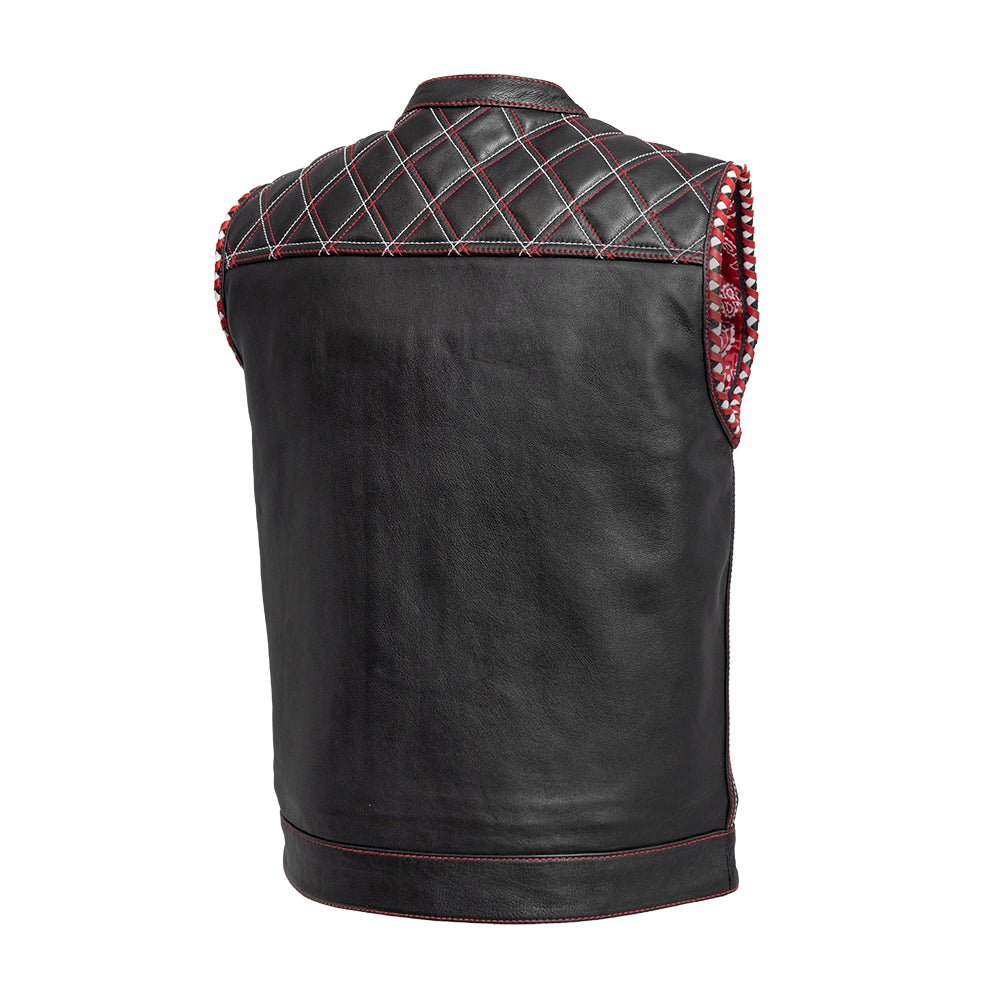
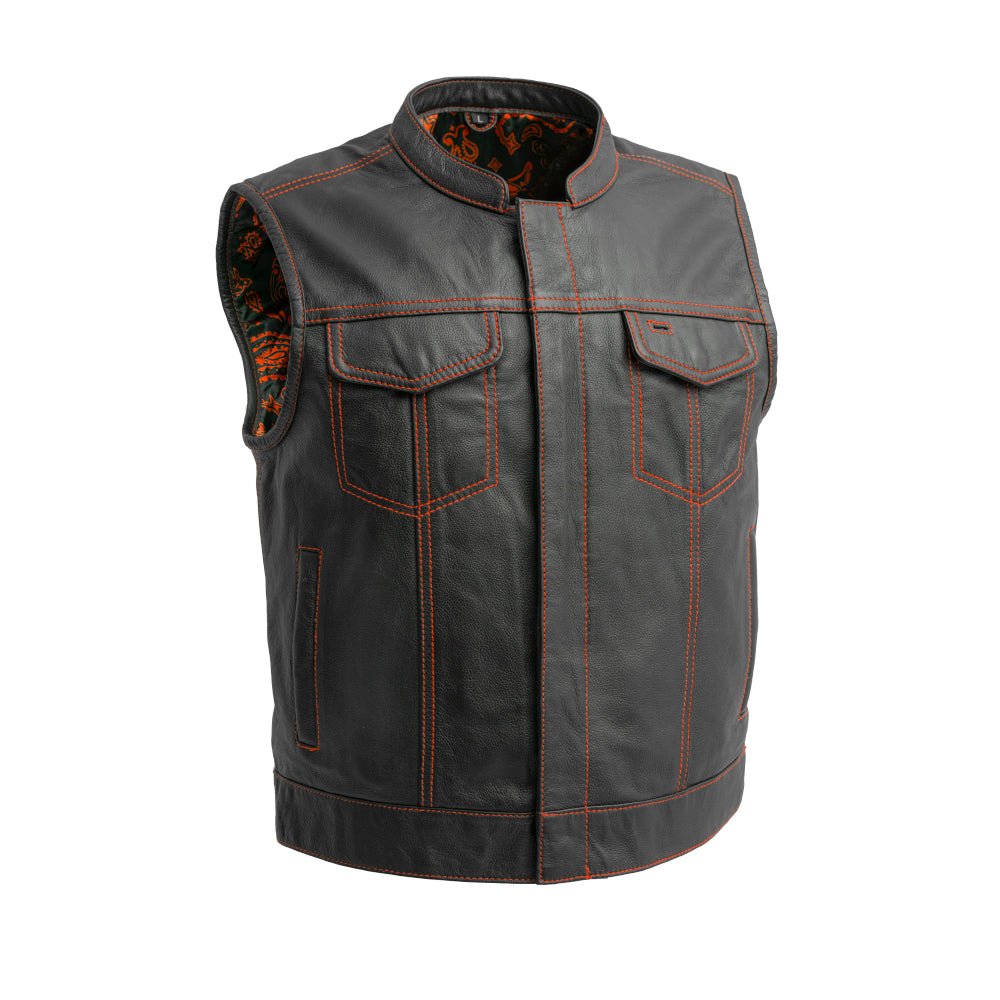
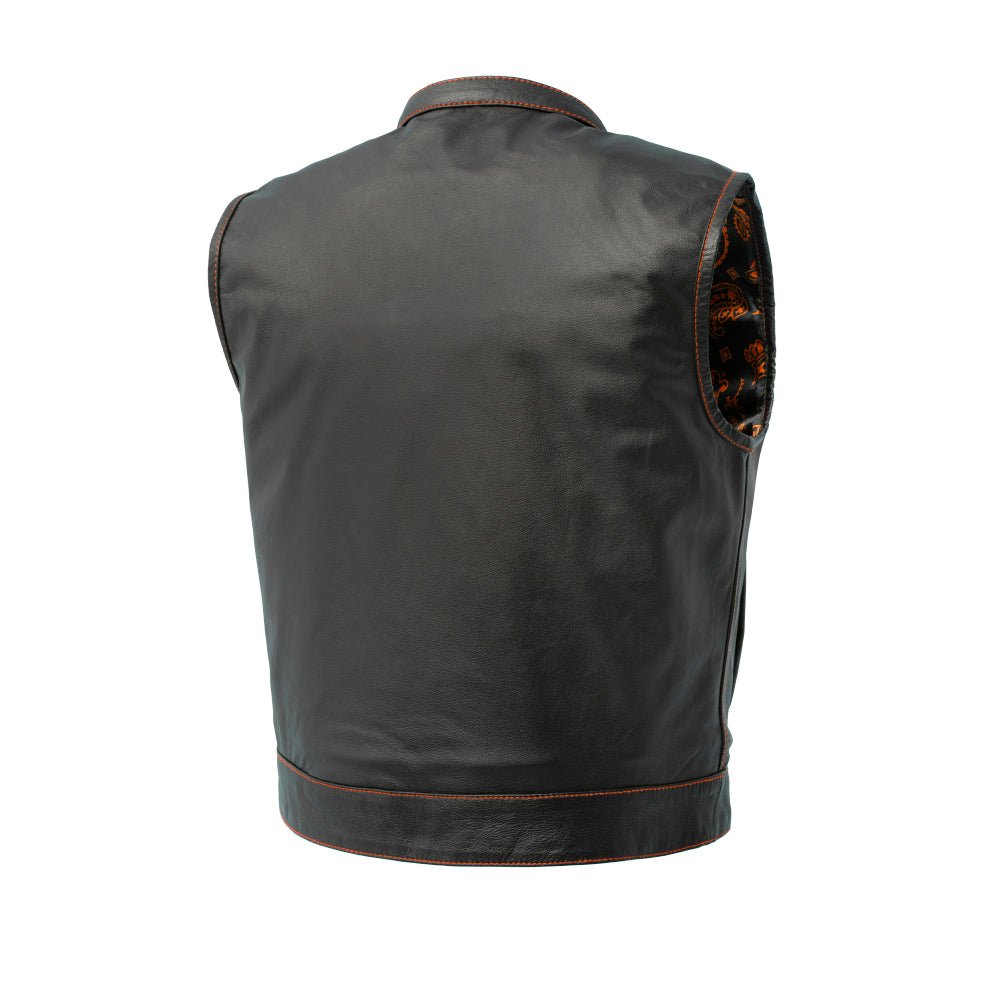
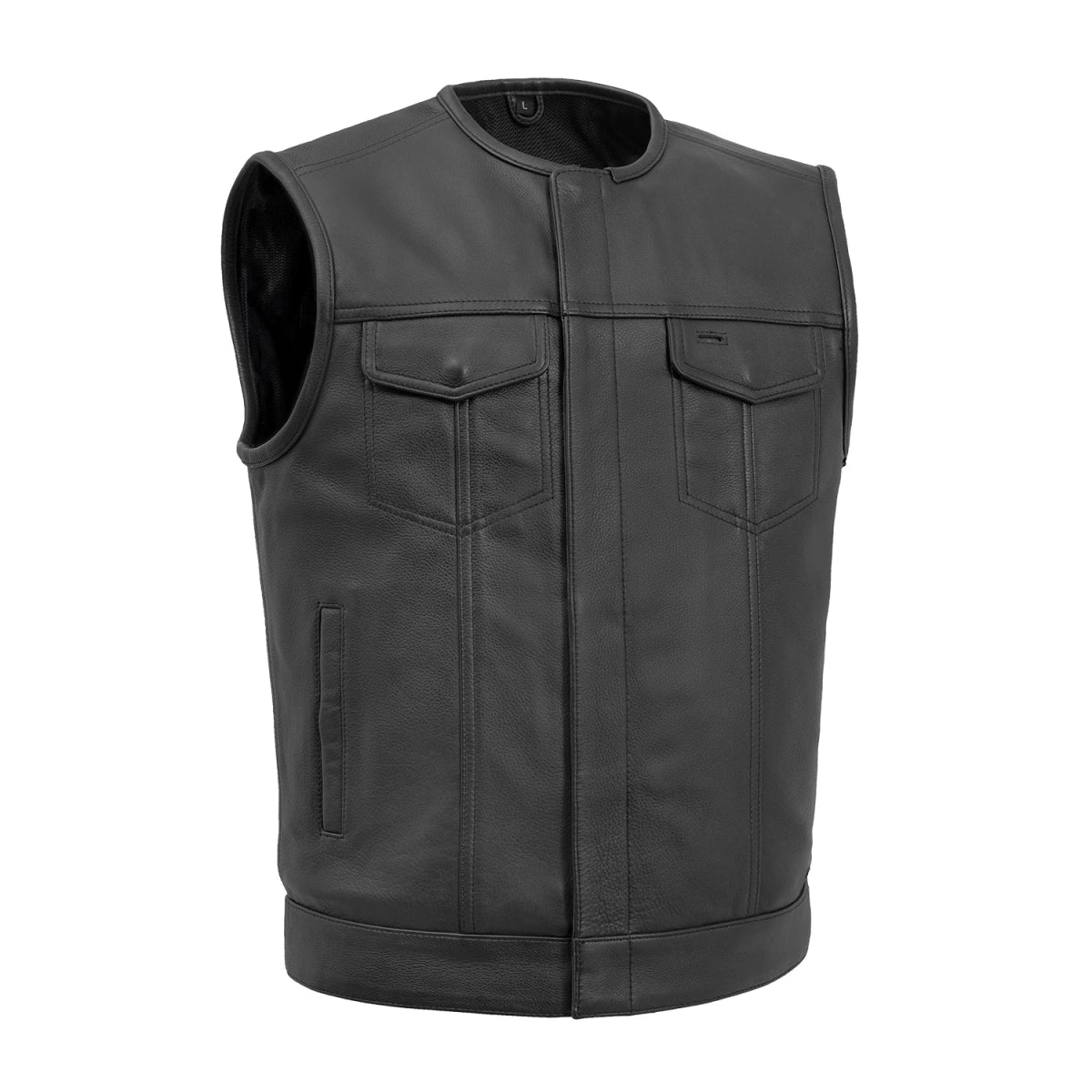
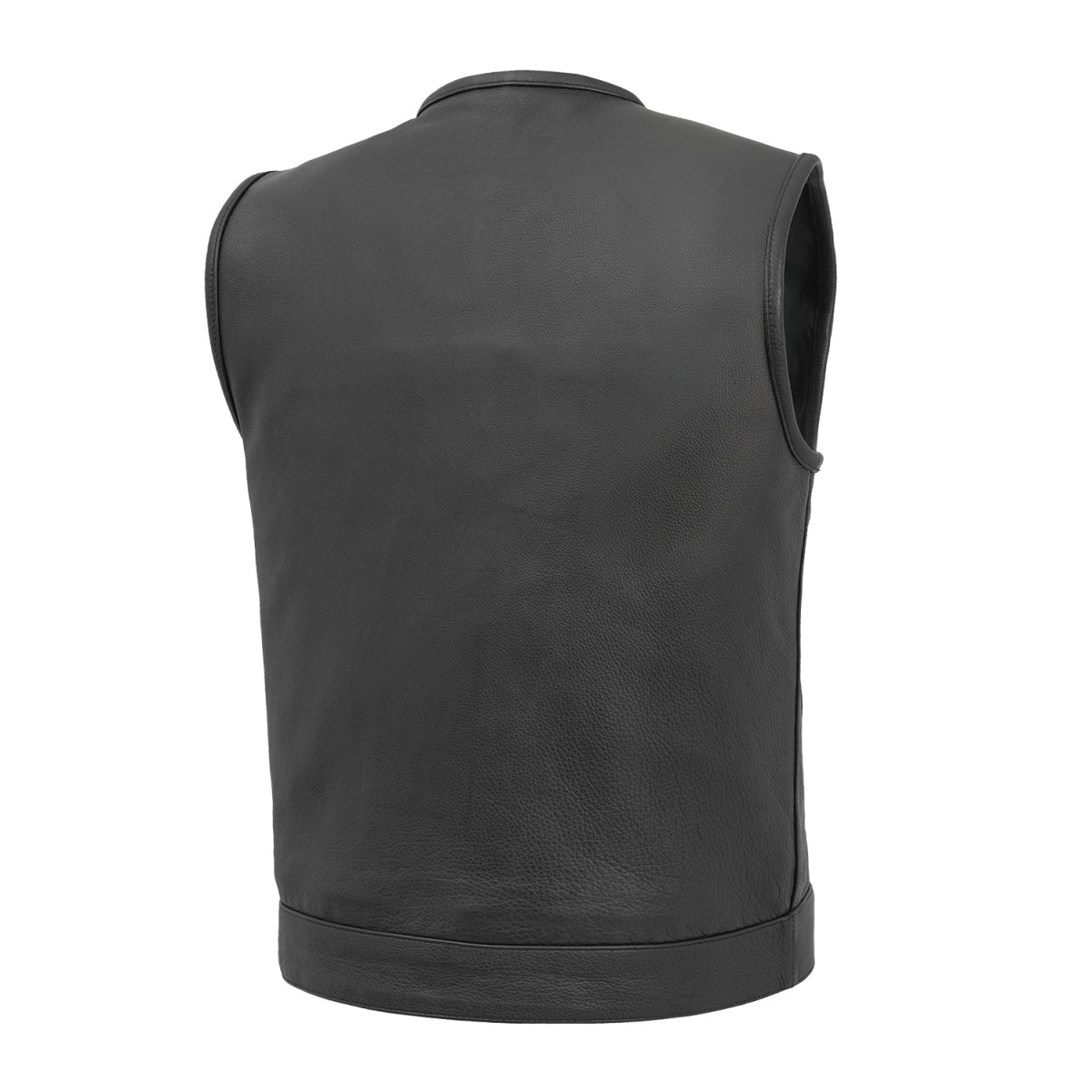
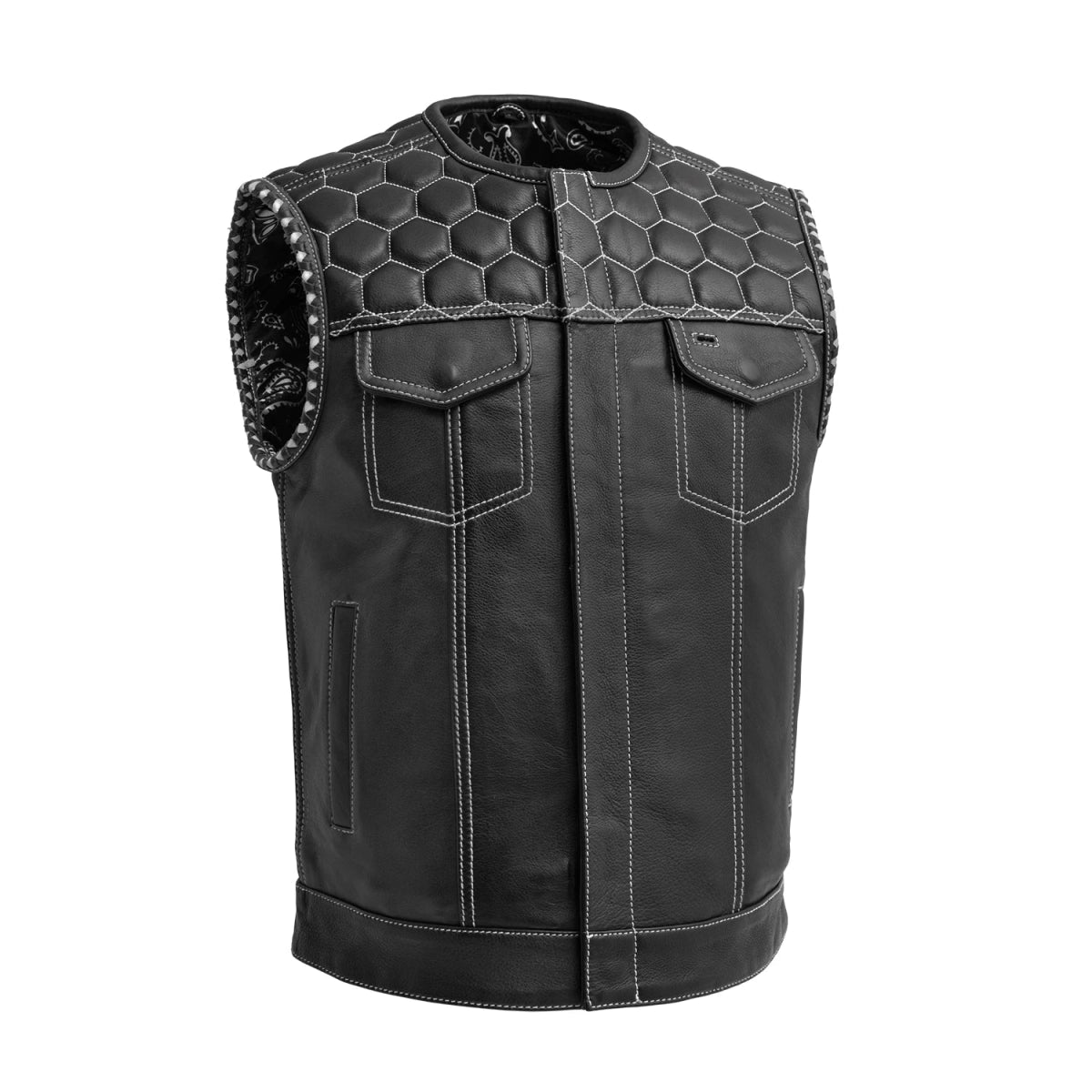
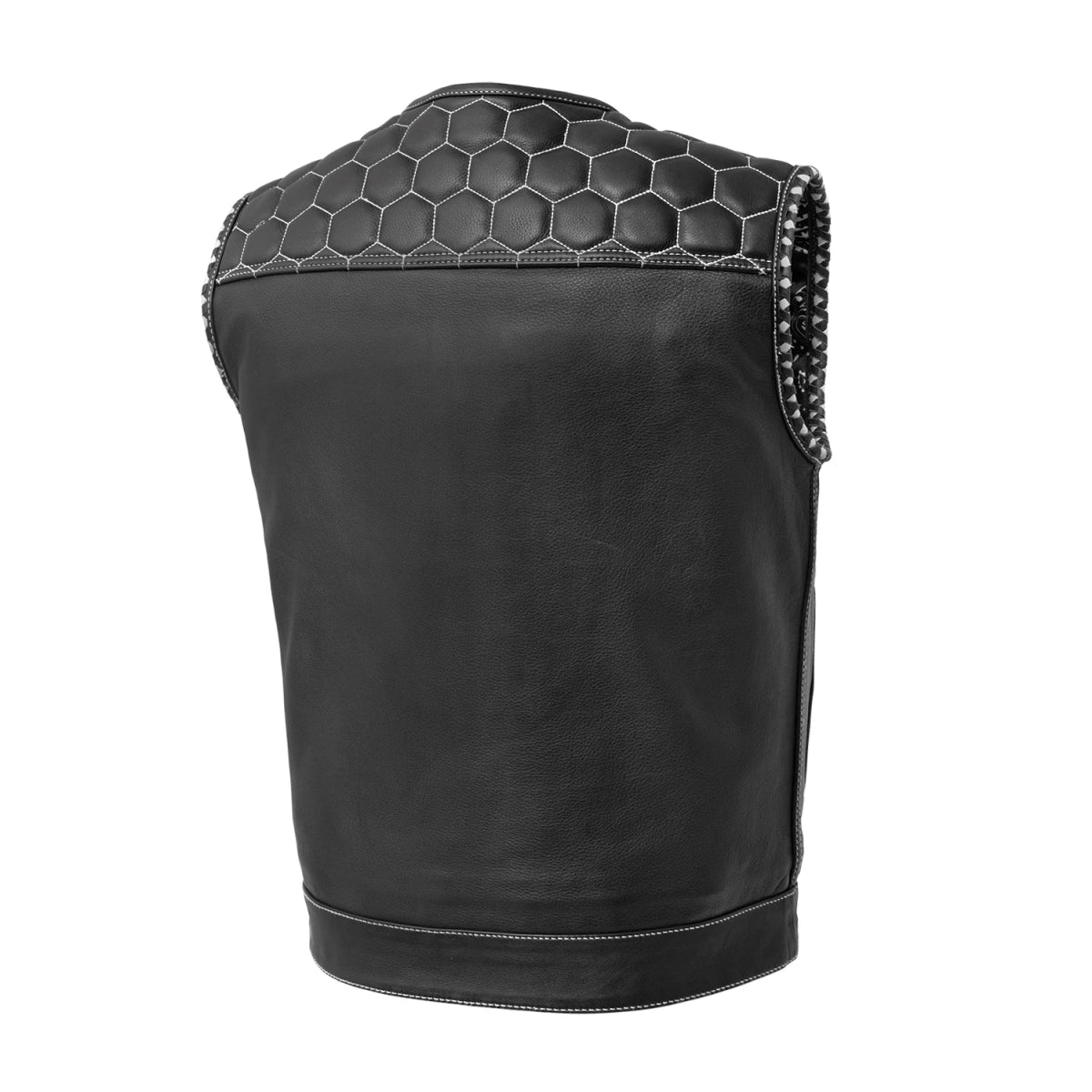
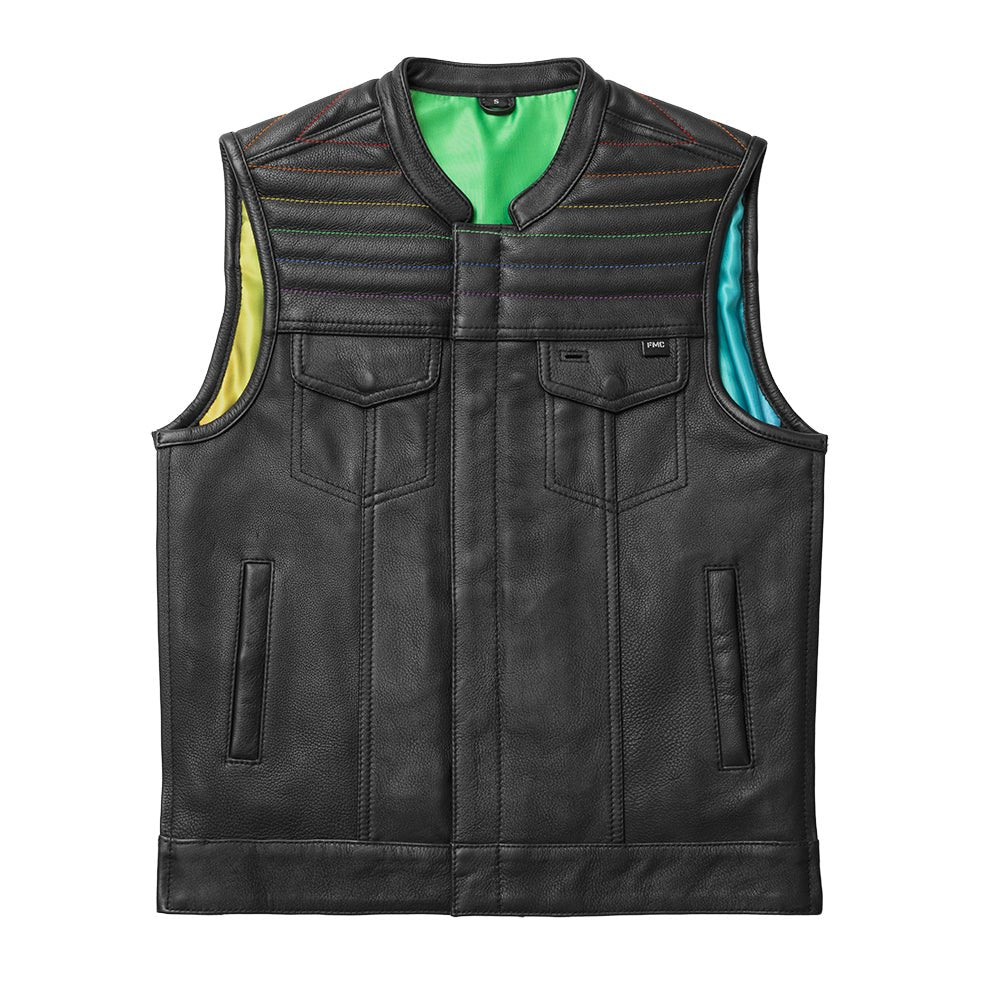
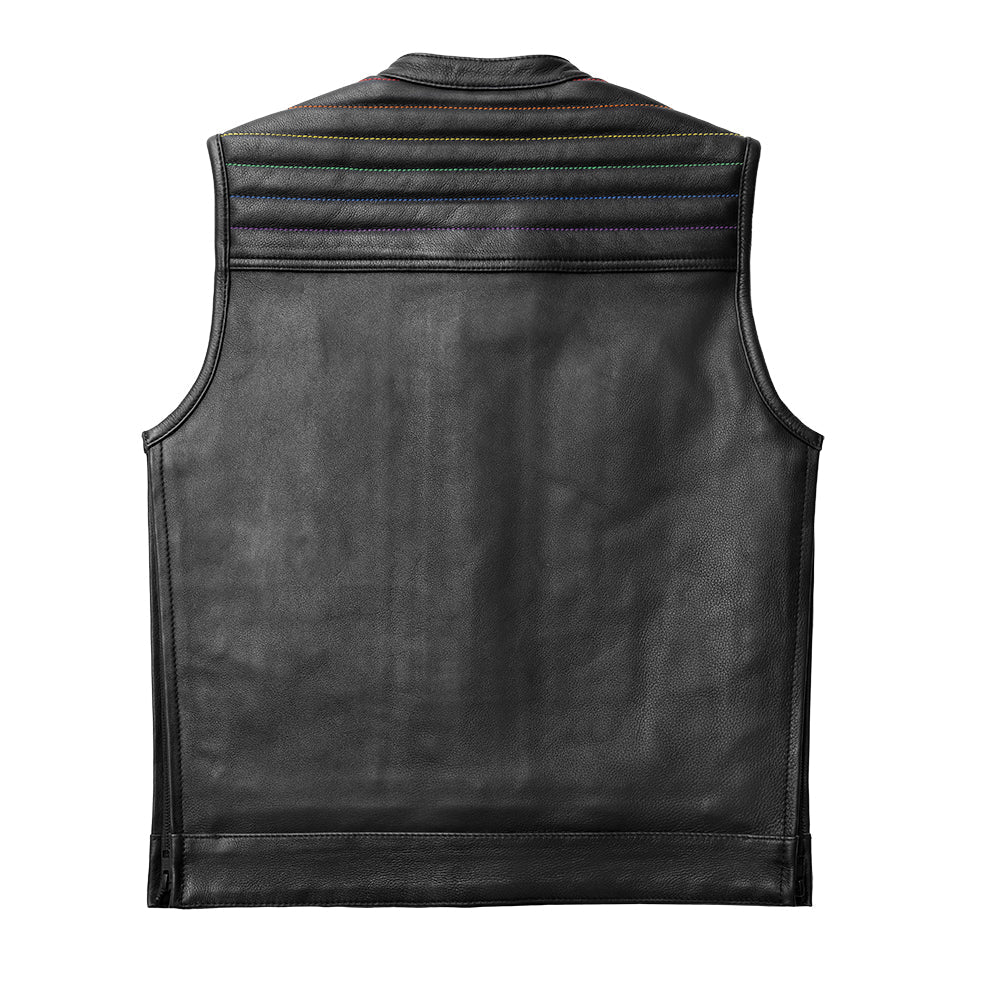
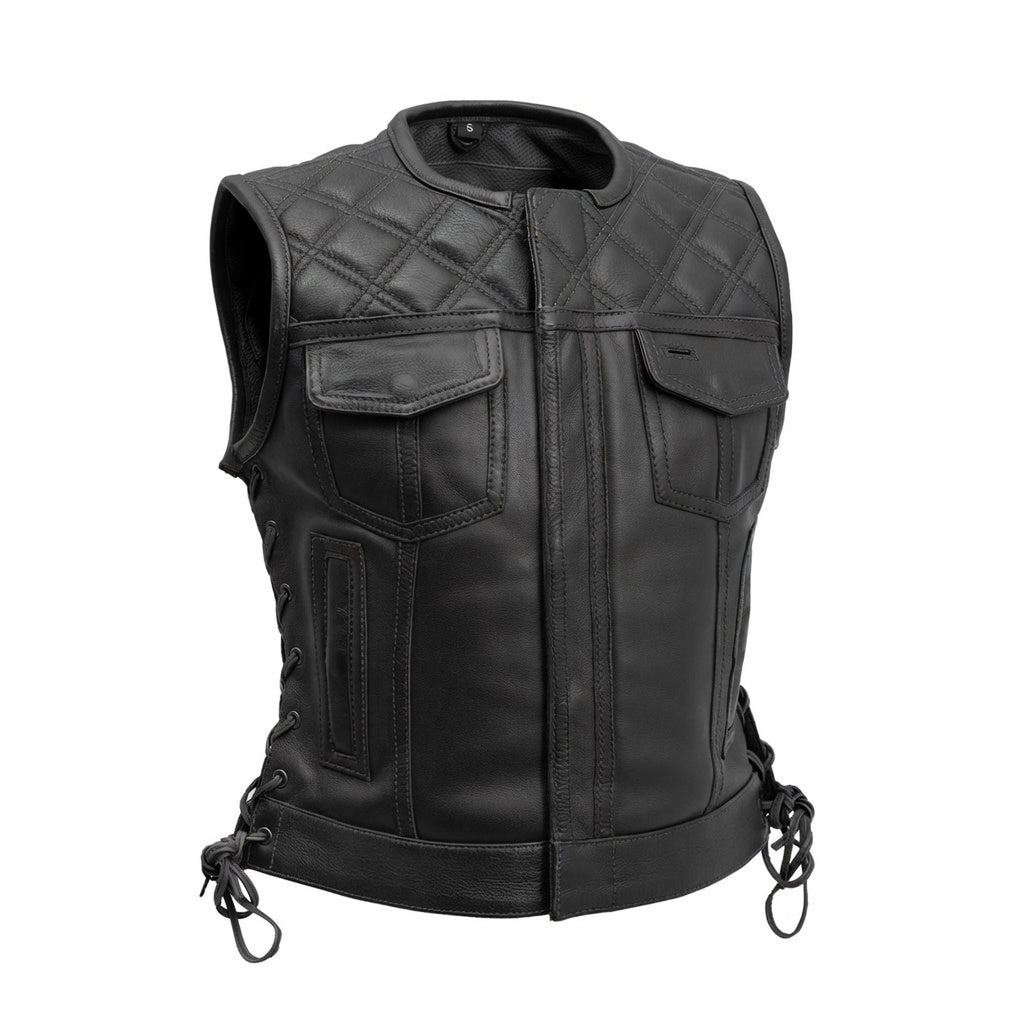
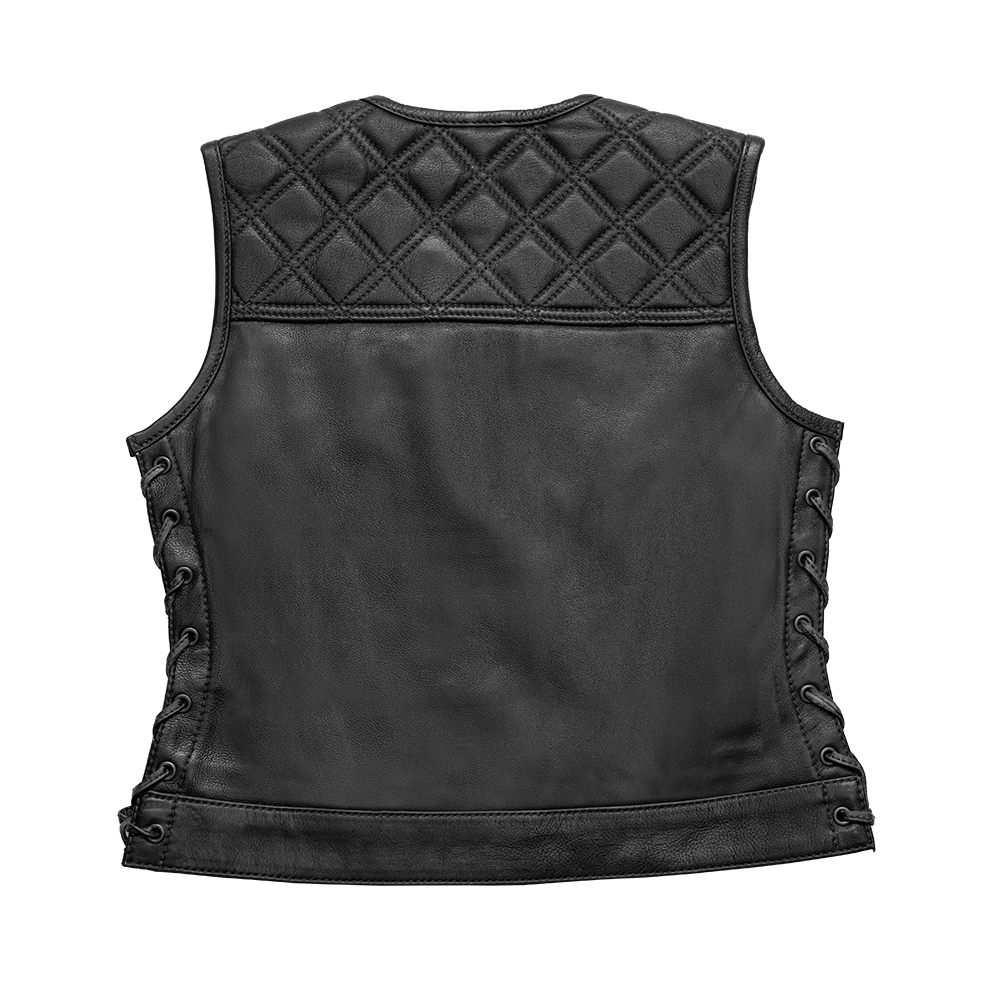
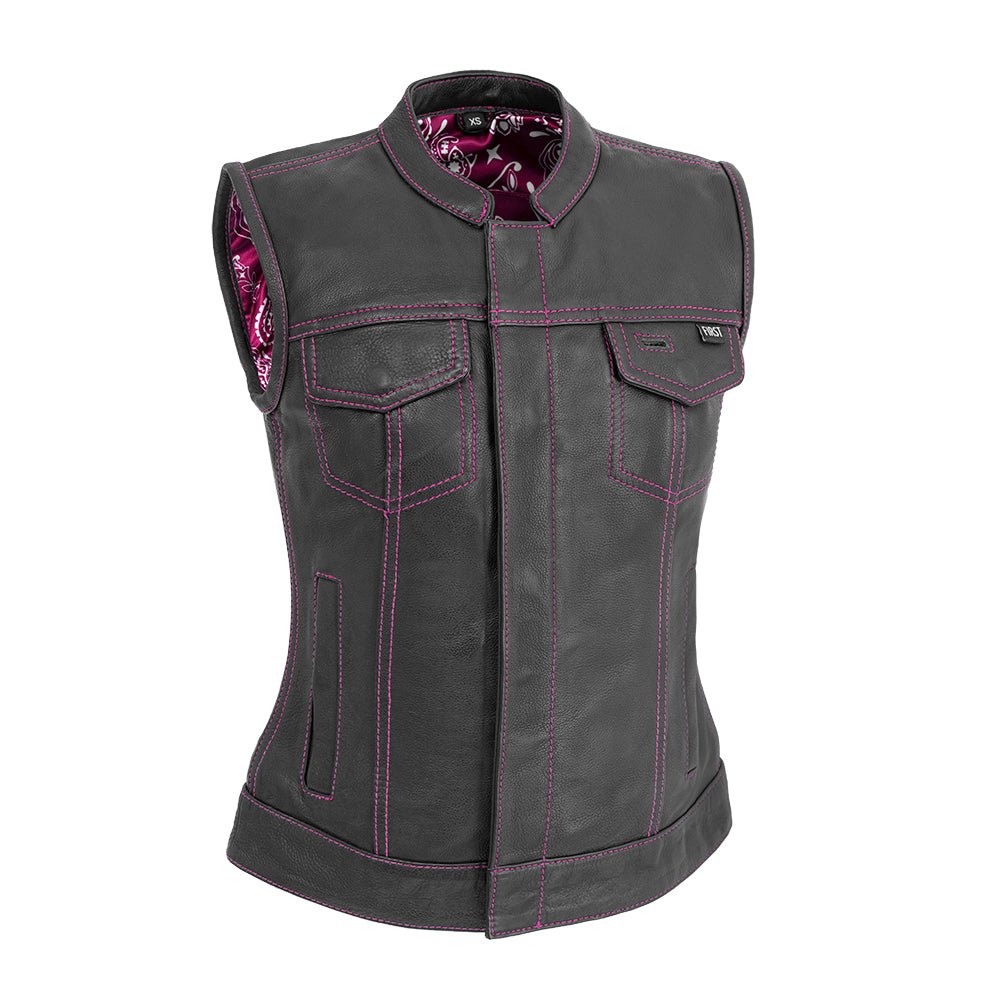
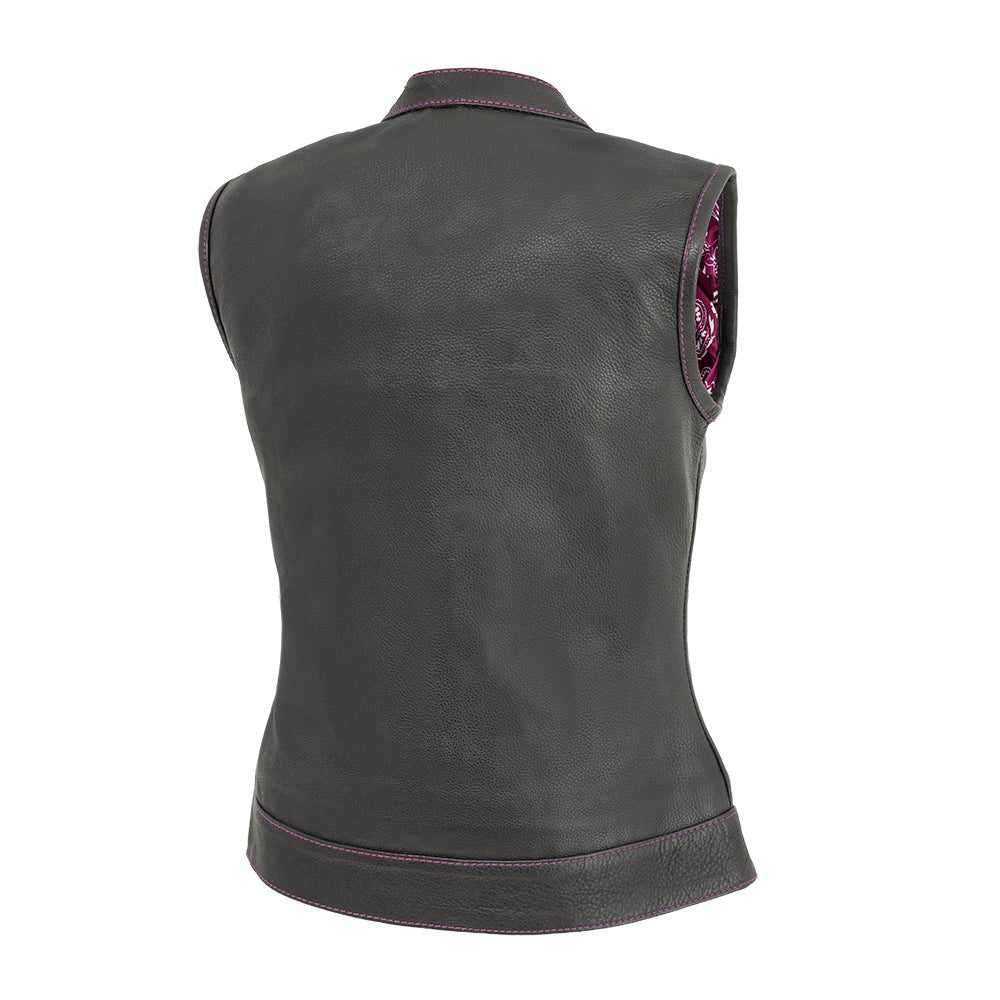
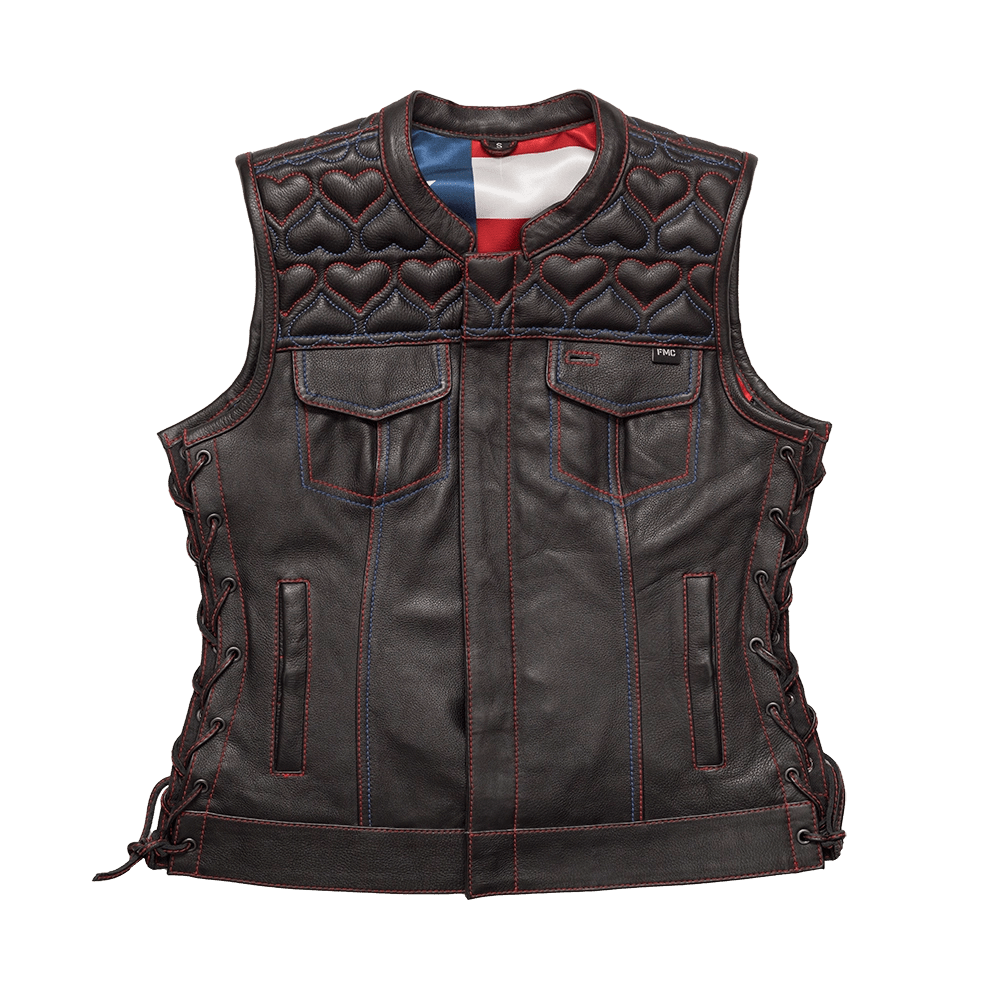
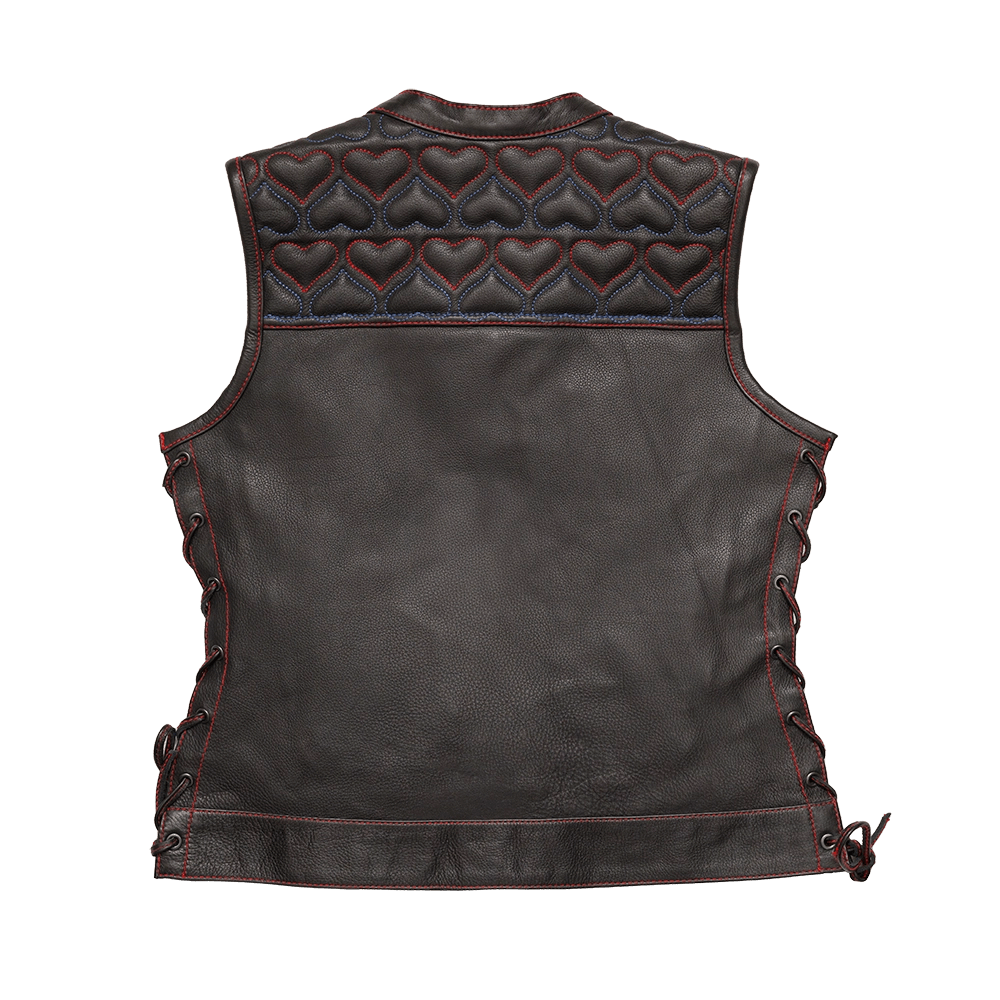
A solid leather vest is made from one continuous piece of hide with no openings, so it blocks cold wind completely and holds your body warmth. It works in cooler seasons and mild climates all year, and it fits easily over hoodies or heavy jackets. Its smooth, classic surface also gives you maximum abrasion resistance, simpler long-term care, and better protection against sudden rain, wind, and road grit.
Perforated vs Solid Leather Vest: Key Differences
The main difference comes down to airflow, with perforated vests using thousands of tiny punched holes to keep you cool. Solid leather vests skip the ventilation holes to provide complete wind blocking, added weight, and a classic look. Here are some factors to consider before making your purchase:
Airflow & Climate Performance
If you've ever sat in traffic on a 90°F (32°C) afternoon, you know how hot leather can get. Here is the difference explained:
-
Perforated leather: Works like built-in ventilation. Small holes let air flow across your chest and back, helping sweat evaporate and heat escape so you stay noticeably cooler when moving.
-
Solid leather: Does the opposite and acts as a windbreaker. It blocks chilly gusts, keeping your core warm on crisp spring mornings and cold night rides.
Strength, Durability, and Abrasion Resistance
Both styles are durable when made from full-grain or top-grain cowhide. Solid leather has a slight edge in abrasion resistance because the hide has no holes. A well-built perforated vest is still strong, especially with reinforced seams, double stitching, and solid leather shoulder panels.
Leather Type and Thickness
Most quality motorcycle vests use cowhide between roughly 1.0 and 1.4 mm thick. Thicker hide holds up better to wear, especially on perforated vests, where holes remove some material. Lambskin feels softer and lighter but is less abrasion-resistant, so it suits casual wear more than regular riding. Full-grain leather is the most durable; top-grain is slightly smoother and more uniform.
Style & Everyday Look
-
Solid Leather: Delivers that timeless, traditional club-style look. It has a smooth, sleek finish that looks just as good at a bar as it does on the highway. It also provides a smooth, flat canvas for club patches.
-
Perforated Leather: Carries a sportier, high-performance edge. The textured pattern adds a modern, technical vibe that looks great over a simple t-shirt or riding flannel.
Whether you choose solid or perforated, the right outfit makes the vest. For ideas on pairing it with tees, flannels, denim, and boots, see our guide on how to style a leather vest.
Price & Value Comparison
Perforated vests can cost slightly more because the punching adds a manufacturing step, but leather grade, stitching, and hardware matter more. Price comes down to materials, hardware, and features like YKK zippers, interior concealed-carry pockets, and breathable mesh linings.
Perforated vs Solid Leather Vest Comparison Table
|
Feature |
Perforated Leather Vest |
Solid Leather Vest |
|
Airflow |
Maximum cooling via ventilation holes |
Low airflow, high wind blocking |
|
Best Season |
Late spring, summer, early fall |
Fall, winter, early spring (or year-round) |
|
Best Climate |
Hot, dry, or humid regions |
Mild, cool, or changing climates |
|
Look & Style |
Sporty, technical, modern biker |
Classic club style, smooth, traditional |
|
Maintenance |
Requires detailed cleaning around holes |
Easy to wipe down, condition, and polish |
|
Layering |
Best over lightweight tees or shirts |
Easy over hoodies and flannels |
|
Primary Value |
Total hot-weather riding comfort |
Multi-season versatility |
Which One Should You Choose?
If you live in the South, the desert, or ride mostly in high humidity, a men's perforated leather vest or a women's perforated leather vest will give you the most mileage. If you ride across all four seasons, a classic solid leather motorcycle vest is the most versatile choice.
Which Vest Fits Your Riding Style?
|
Rider type |
Best choice |
Why |
|
Touring or rally rider |
Perforated |
Long hours in summer heat make airflow the top priority |
|
Club member or patch wearer |
Solid |
The flat, smooth surface displays patches cleanly |
|
Daily commuter, mild climate |
Solid |
Wind protection and use in every season |
|
Rider in a hot, humid region |
Perforated |
Airflow is useful for most of the year |
|
Casual or weekend wearer |
Either |
Pick on style: sporty (perforated) or classic (solid) |
|
Buying only one vest |
Solid |
The most versatile across seasons |
|
Concealed-carry rider |
Solid |
Better holster concealment |
Care & Maintenance Tips for Both
Both styles need regular conditioning to keep the hide soft and prevent the leather from drying out or cracking. Here are the details:
-
Wipe down: Clean with a damp microfiber cloth and a gentle liquid based leather cleaner.
-
Condition lightly: Every 3 to 6 months, apply a thin layer of light liquid conditioner.
-
Buff: After conditioning, buff gently with a dry, soft cloth.
-
Air dry: Always hang your vest to dry naturally, away from direct heat sources.
-
Store right: Keep it on a wide, sturdy hanger inside a breathable garment bag, never in sealed plastic.
Note: Before wiping perforated leather vests, dust the vest off with a soft-bristled brush to lift dry dirt from the holes. Thick creams and waxes can clog the holes, and over-applying can leave the surface sticky.
For a step-by-step routine covering dust, stains, conditioning, and storage, read our full guide on how to clean a leather vest.
How Perforated & Leather Vest Should Fit
A vest should sit snug across the chest and shoulders without pulling at the armholes. Size for what you'll wear underneath: if you'll layer over hoodies, size up or choose a solid vest with adjustable side laces. Perforated vests are usually worn over a tee, so a closer fit works well. Leather also stretches slightly with wear, so avoid buying too loose.
Fit changes with leather thickness, layering, and how you ride. Our detailed guide explains how a motorcycle vest should fit, including chest, shoulder, and armhole checks.
Final Thoughts
There's no wrong choice, only the right vest for your climate and riding habits. If heat fatigue is ruining your summer rides, a perforated leather vest gives you airflow and a modern, sporty look. If you want a classic, wind-blocking layer you can wear in every season, a solid leather vest is the safer pick.
Whichever you choose, look for full-grain or top-grain cowhide, reinforced stitching, and a fit that suits the layers you'll wear. Keep it conditioned and clean, and it will last for years. And remember, a leather vest is a style layer, so pair it with CE-rated gear when safety matters.
Want a vest that holds up to real miles? First MFG Co offers perforated and solid leather vests in premium cowhide. Pick the one that matches your climate, then customize your own design vest with the fit, patches, and details that make it yours.
Frequently Asked Questions
What is the difference between a perforated and solid leather vest?
A perforated vest has tiny precision cut holes for ventilation. A solid vest has a continuous, smooth leather surface designed to block wind.
Do perforated vests offer less protection?
Solid leather has slightly more abrasion resistance because its surface is continuous. Well-made perforated vests in thick cowhide with reinforced seams are still durable. Neither type replaces CE-rated riding gear.
Which leather vest lasts longer, perforated or solid?
Both will last for years if cared for properly. Solid leather is slightly easier to clean and condition over time.
Are perforated vests more expensive?
Perforated vests can cost slightly more because the punching adds a manufacturing step, but the bigger price drivers are leather grade, stitching, lining, and hardware like YKK zippers.
Can perforated leather vests tear easily?
Not when well made. Quality vests use thick hides and reinforced stitching around the holes. Cheaper vests made from thin, heavily perforated leather can tear more easily at stress points like armholes and seams, so check hide thickness and stitching before buying.