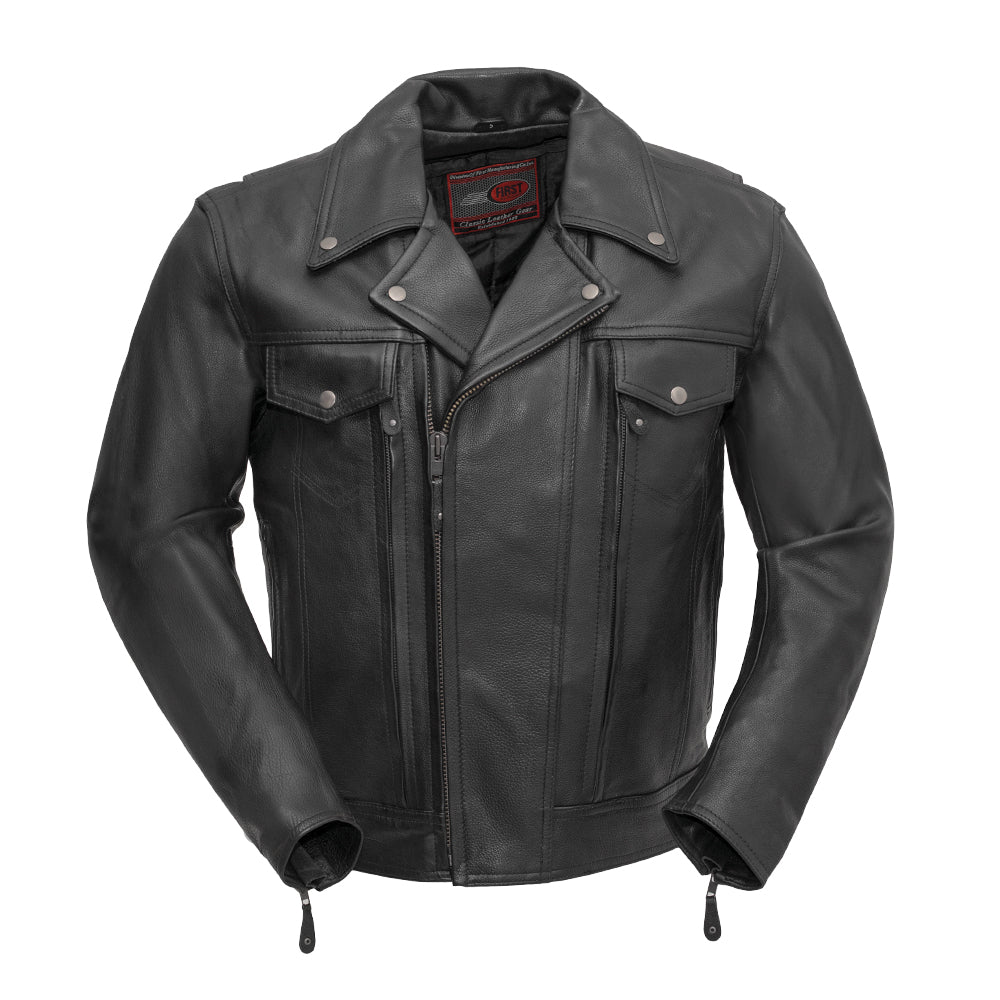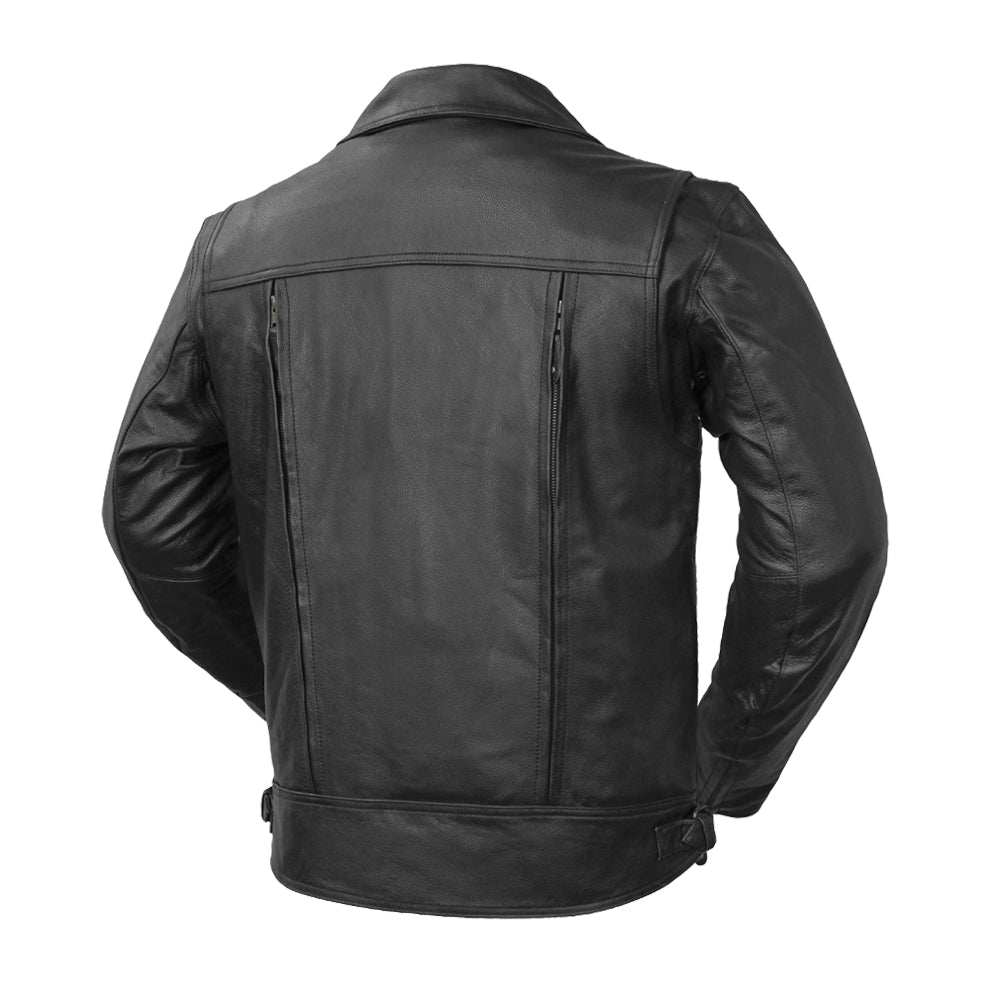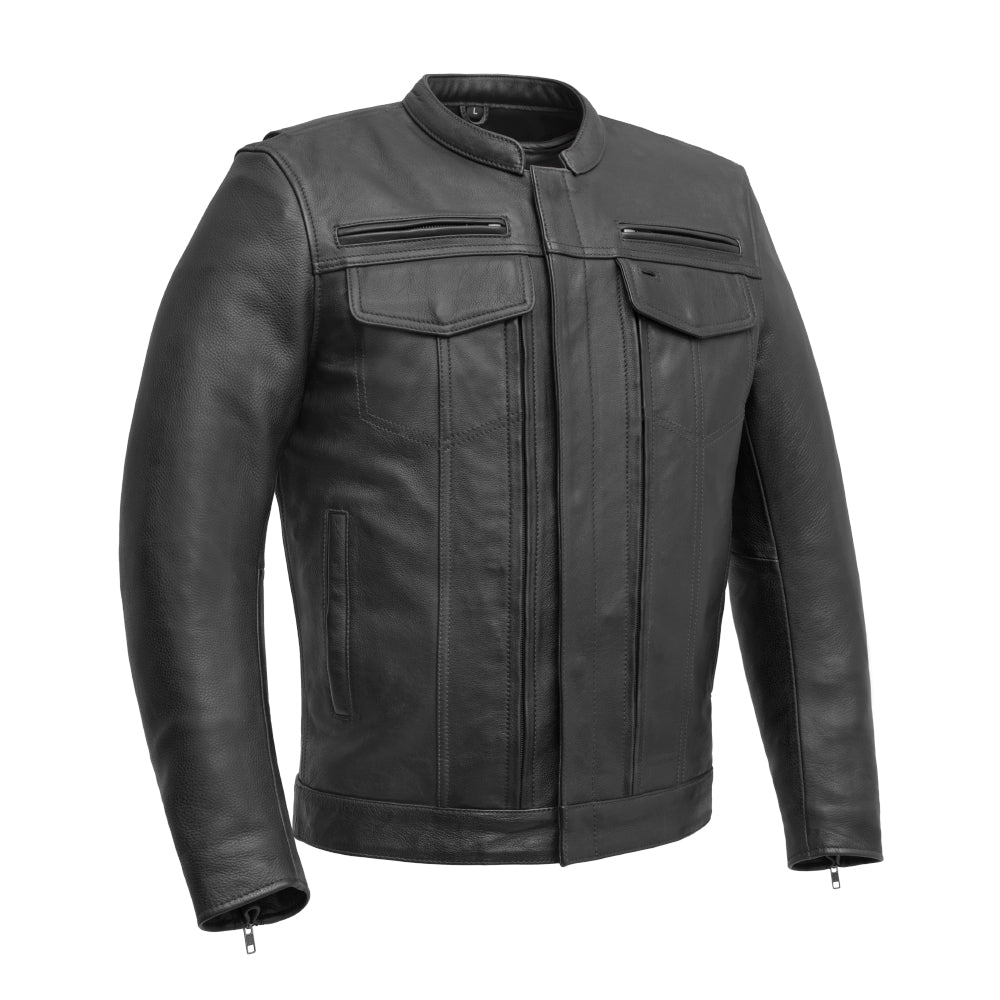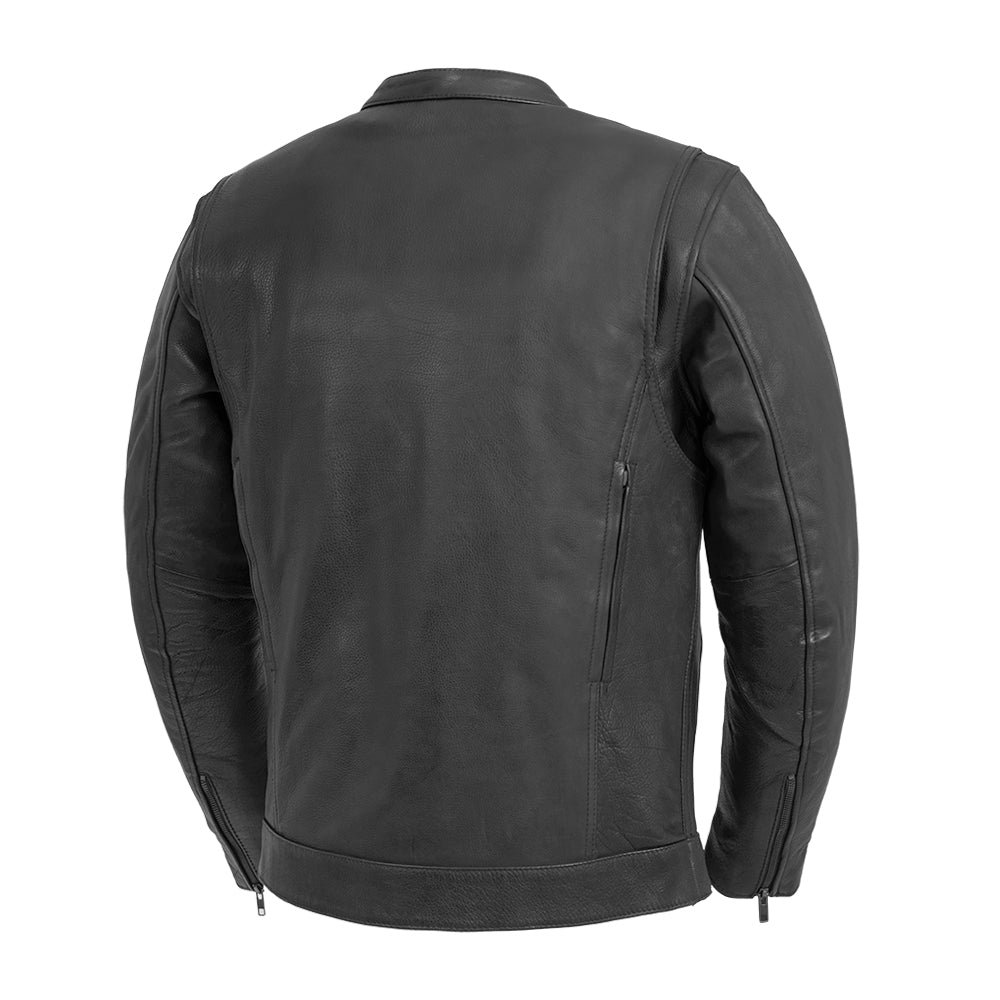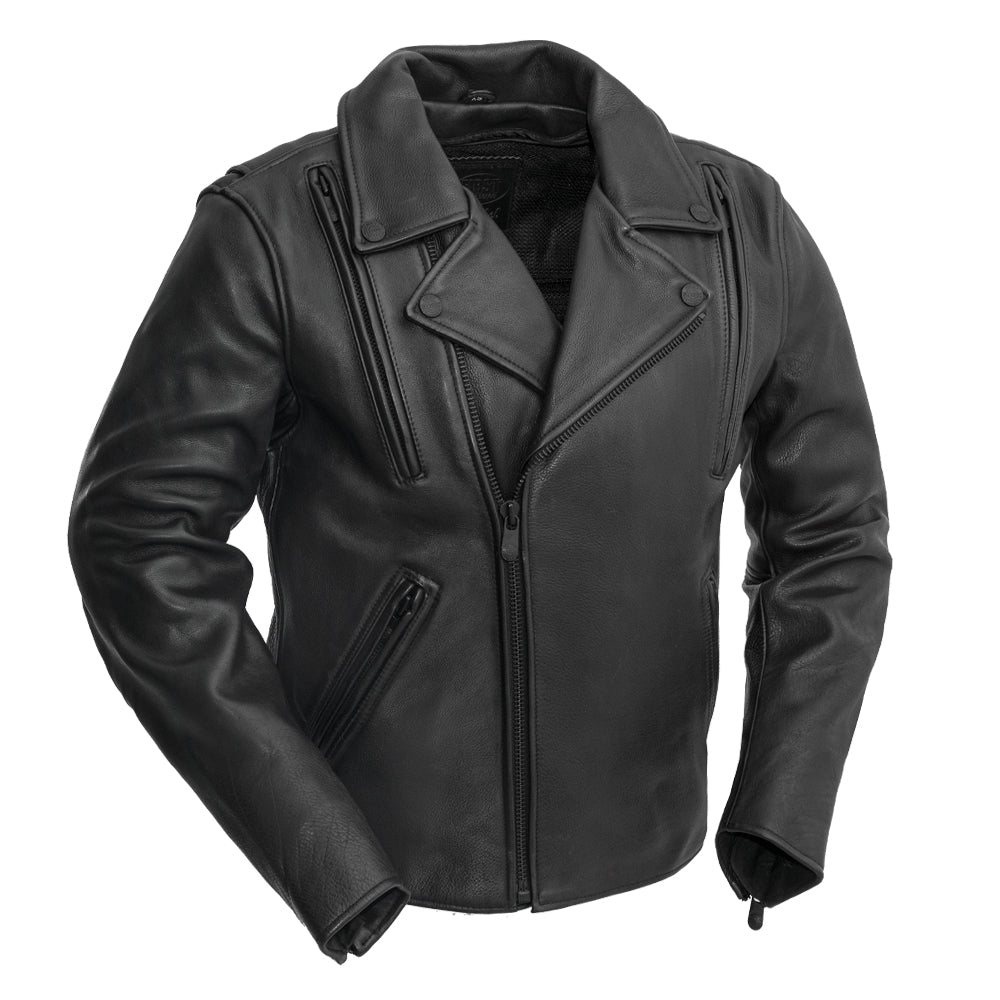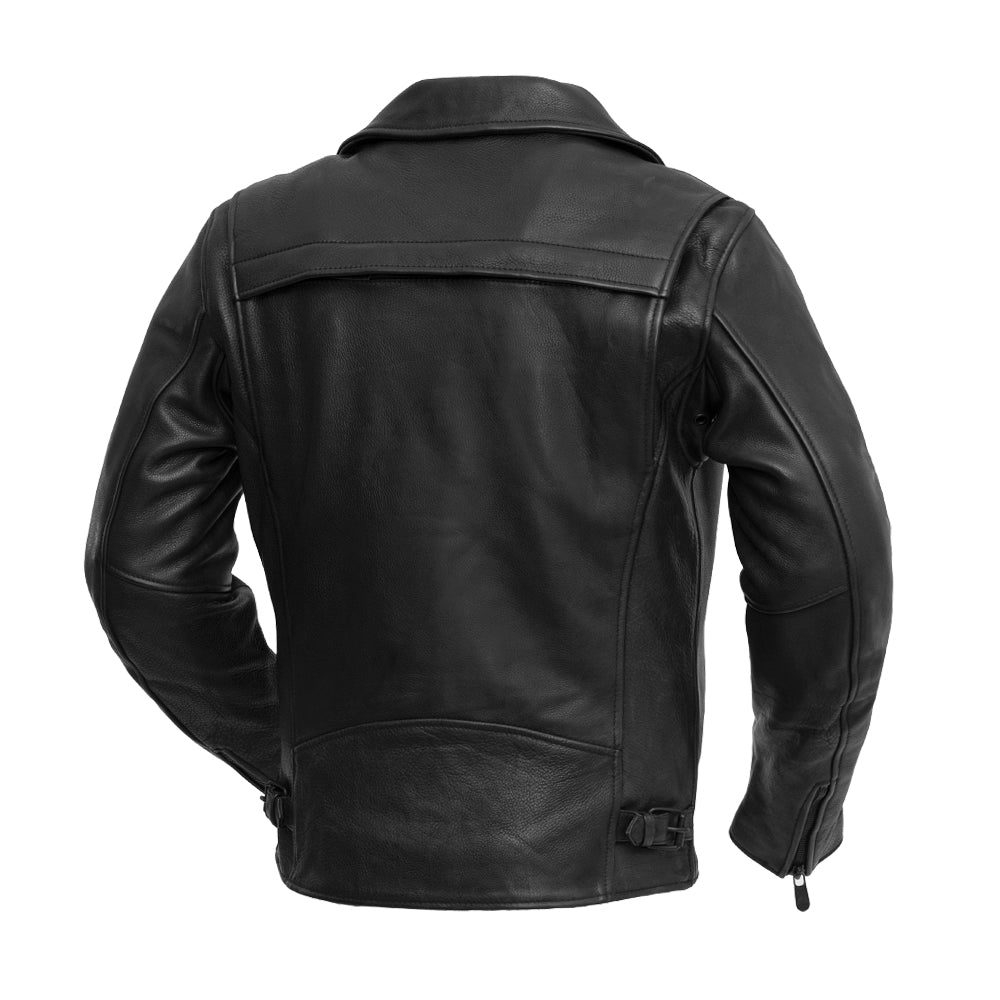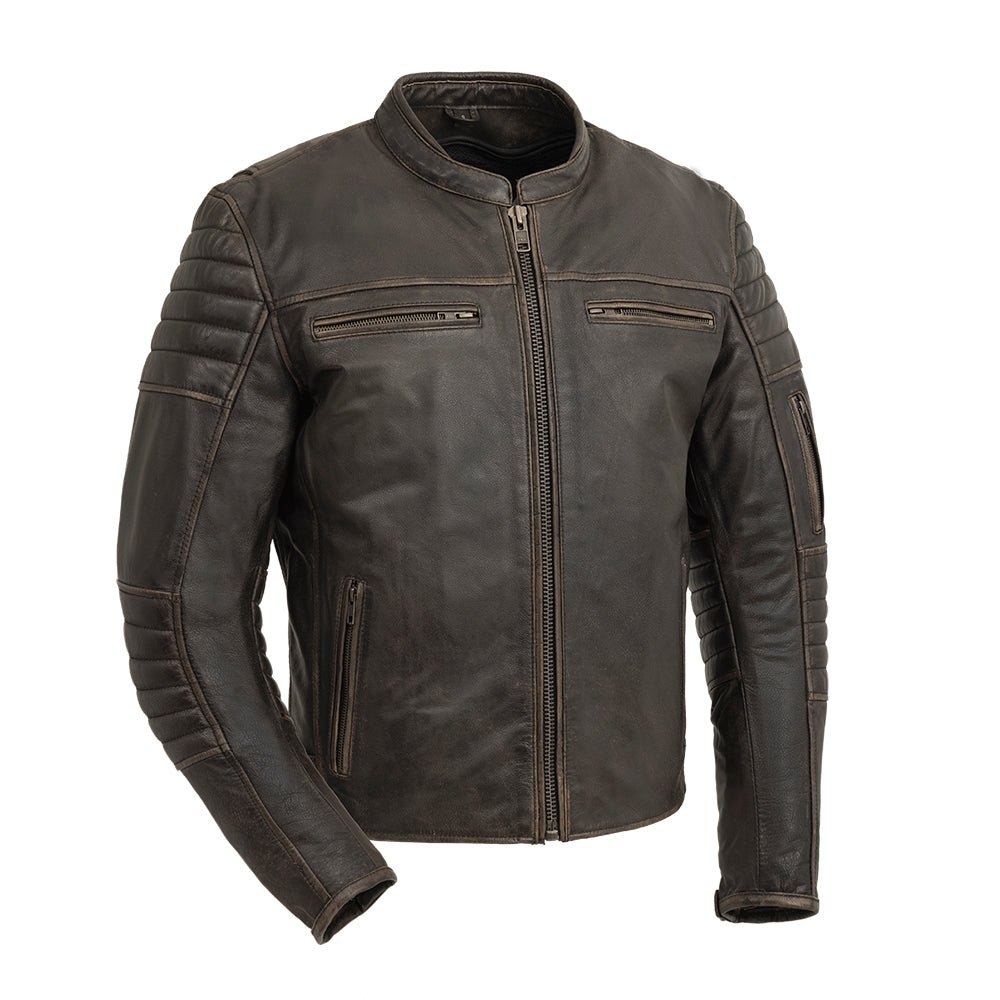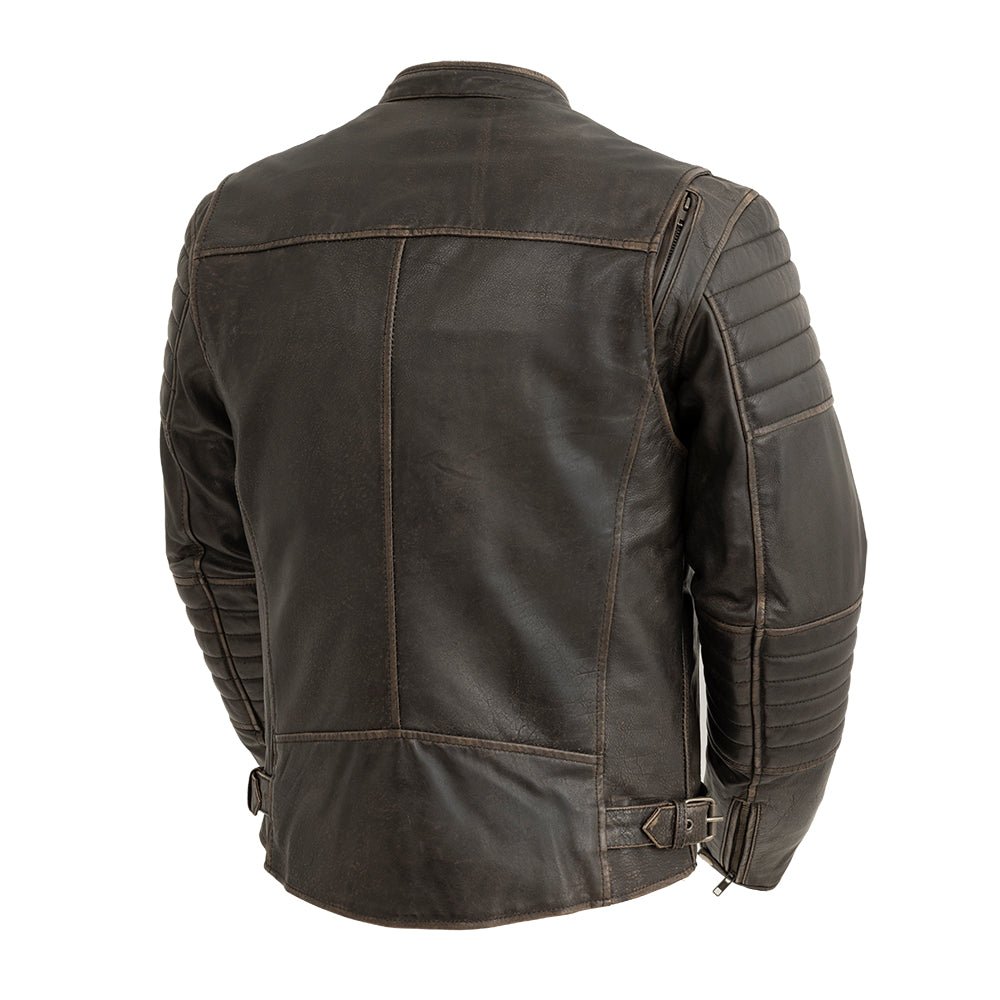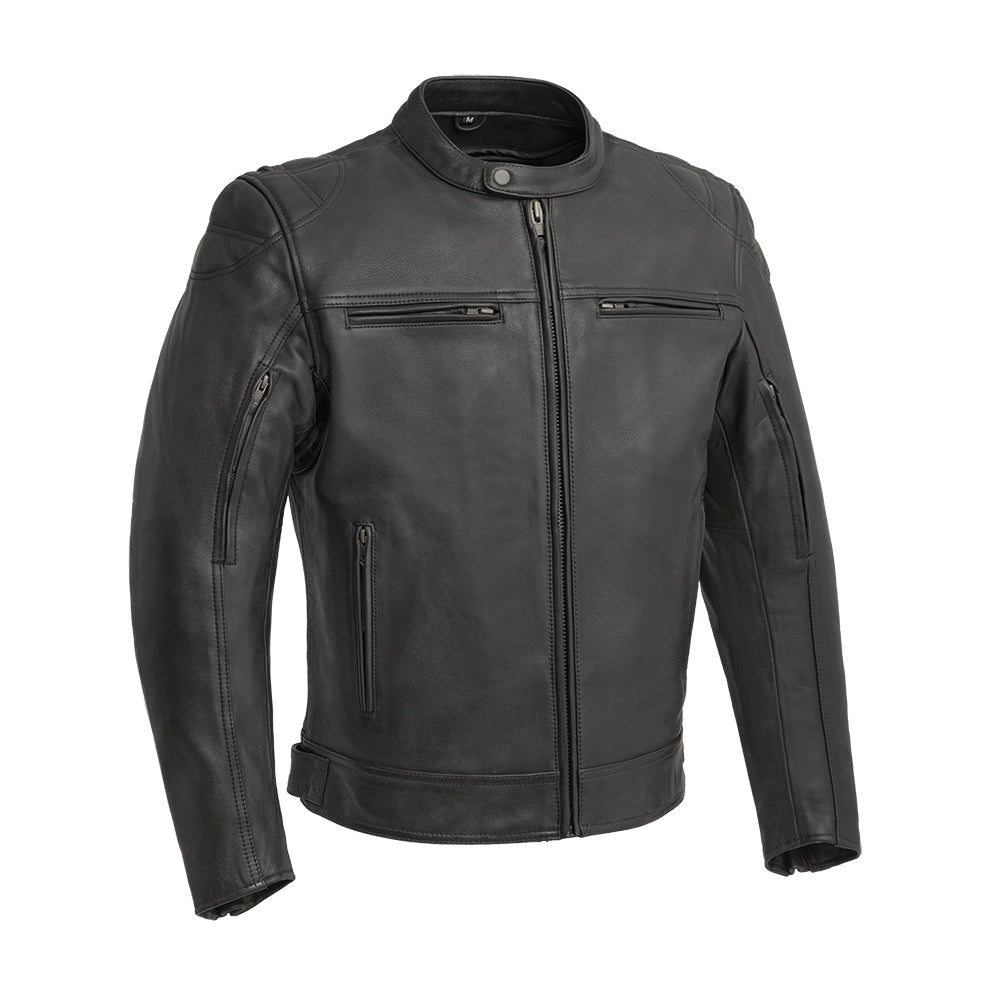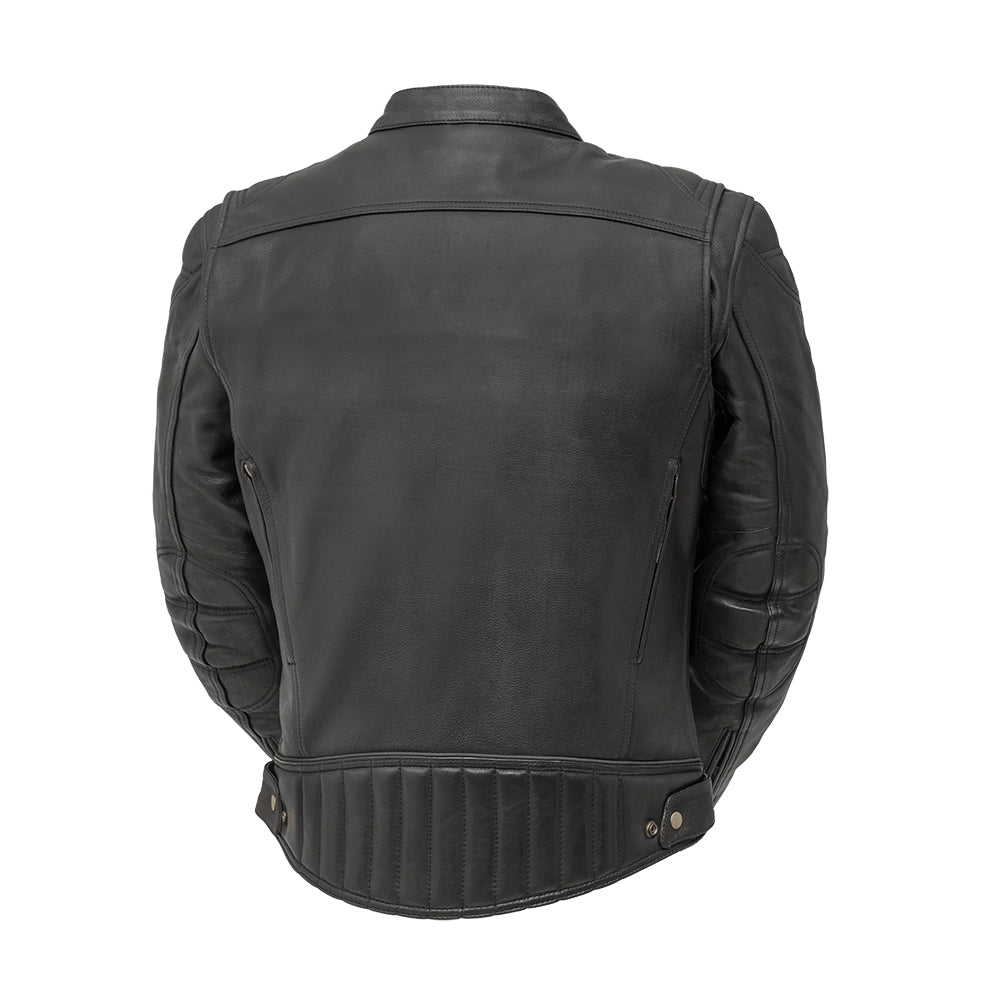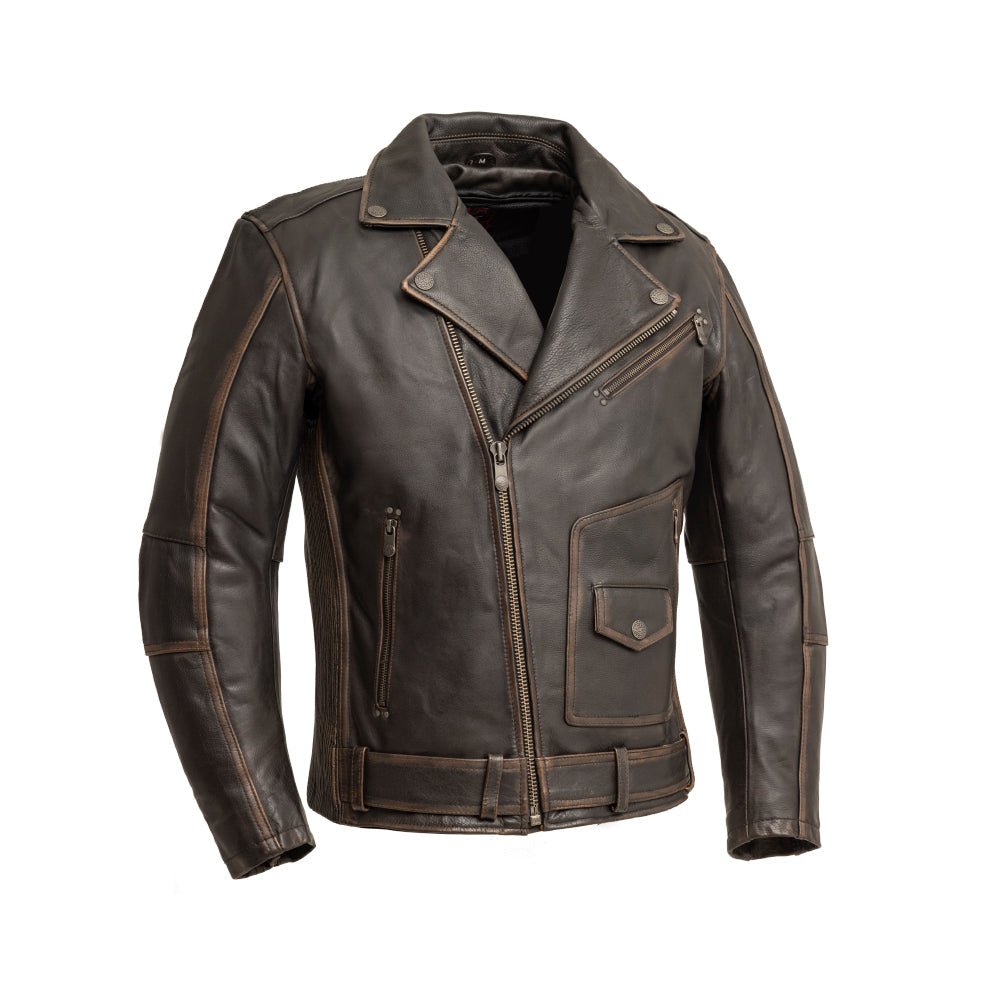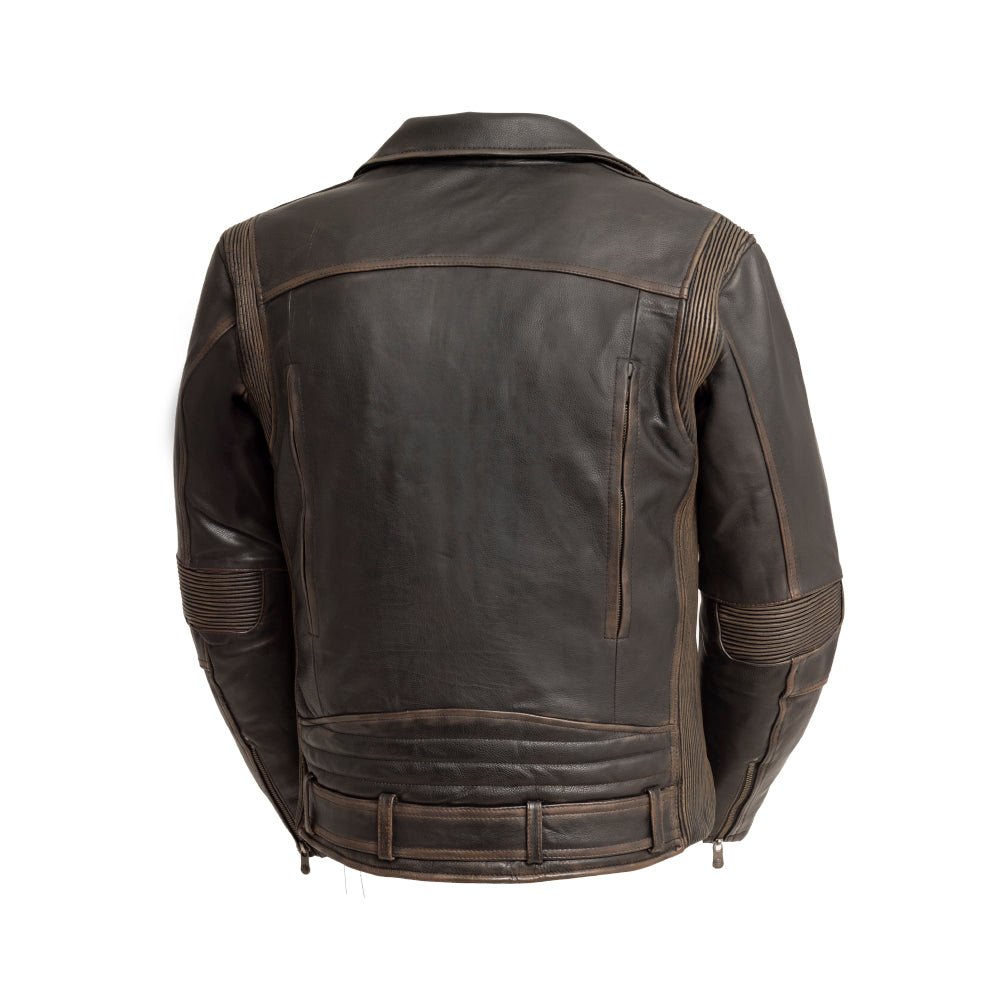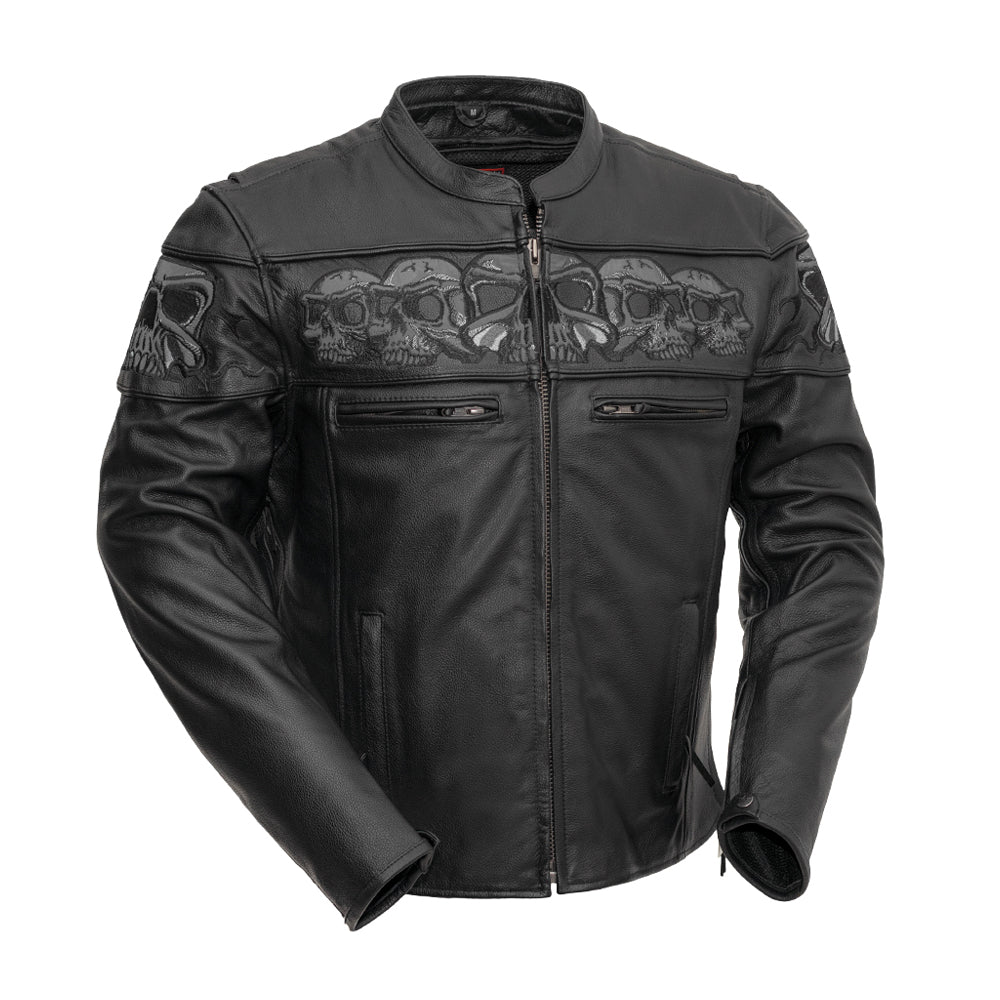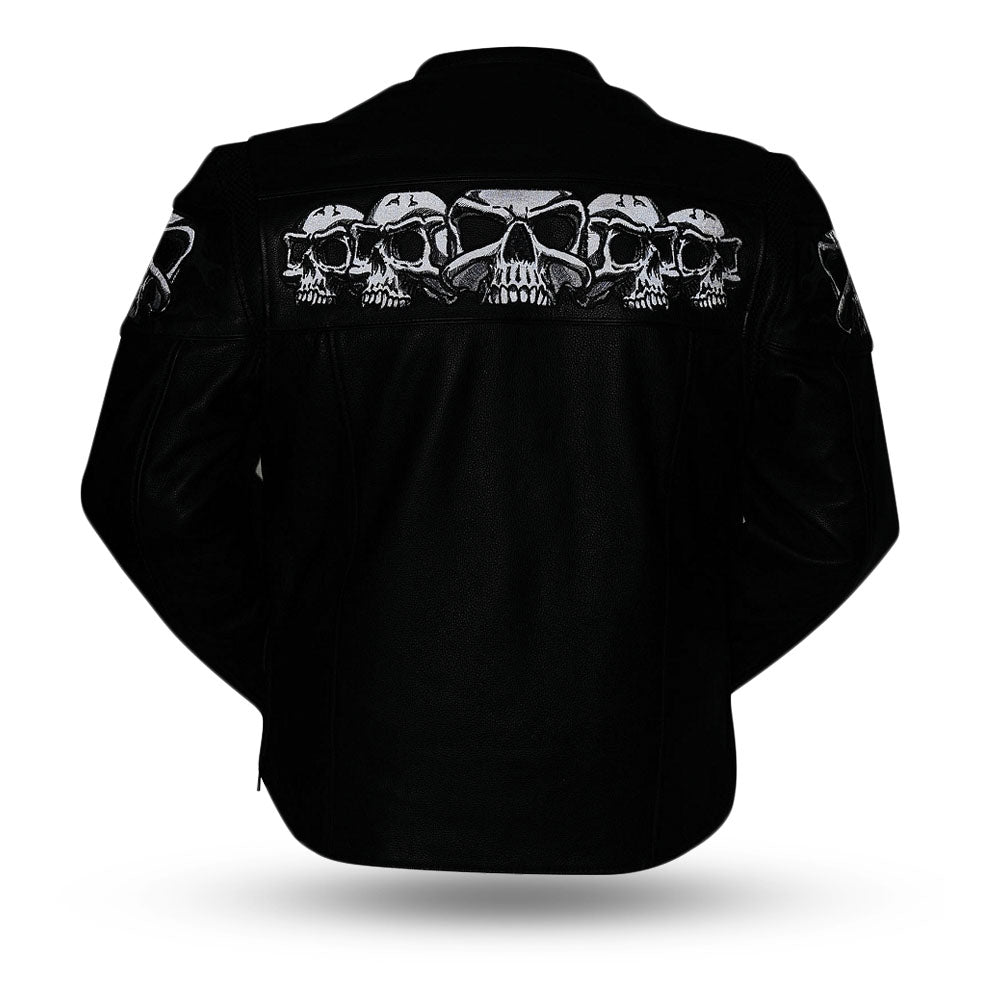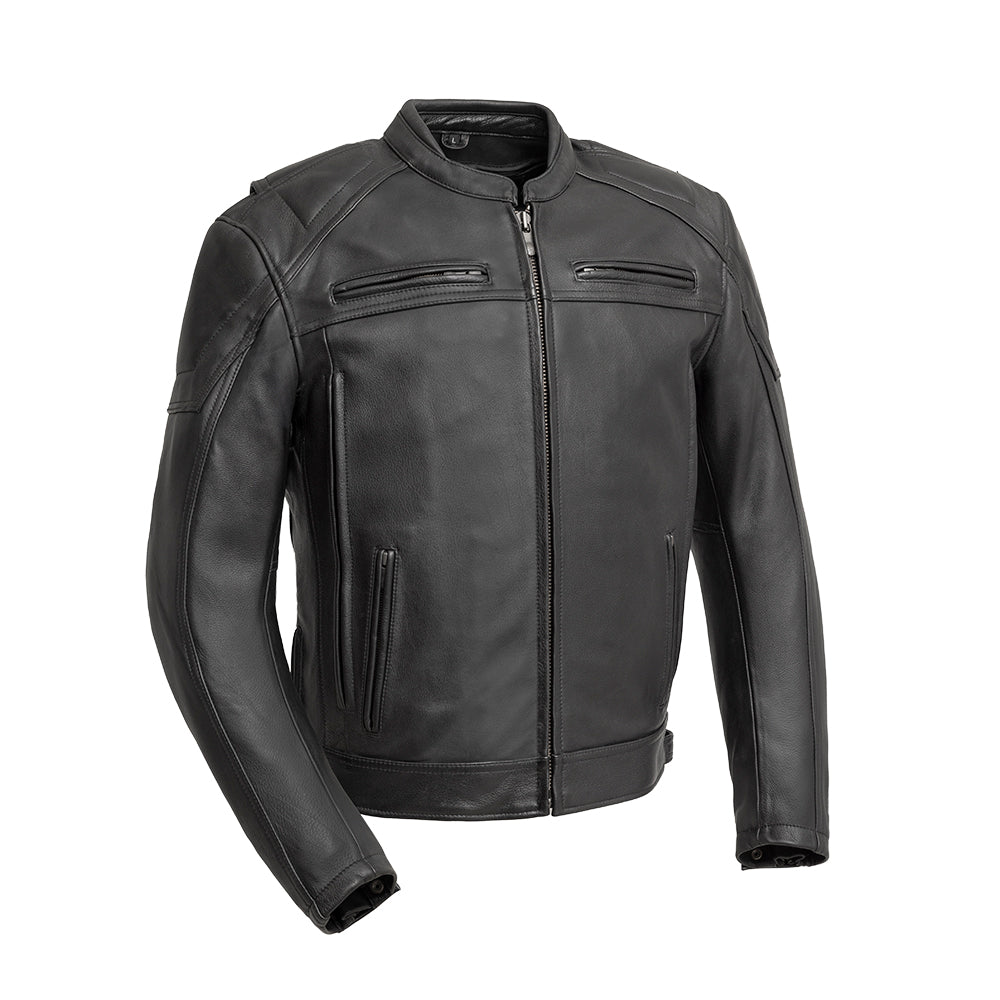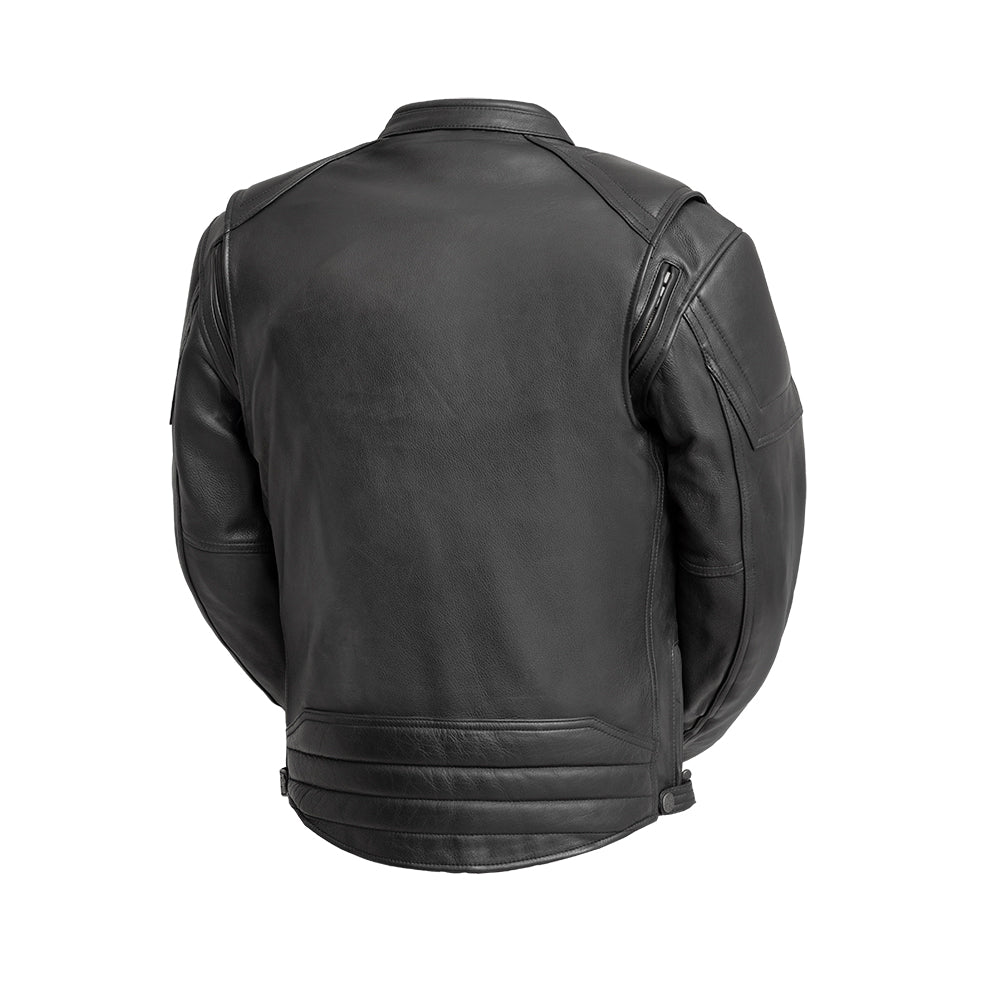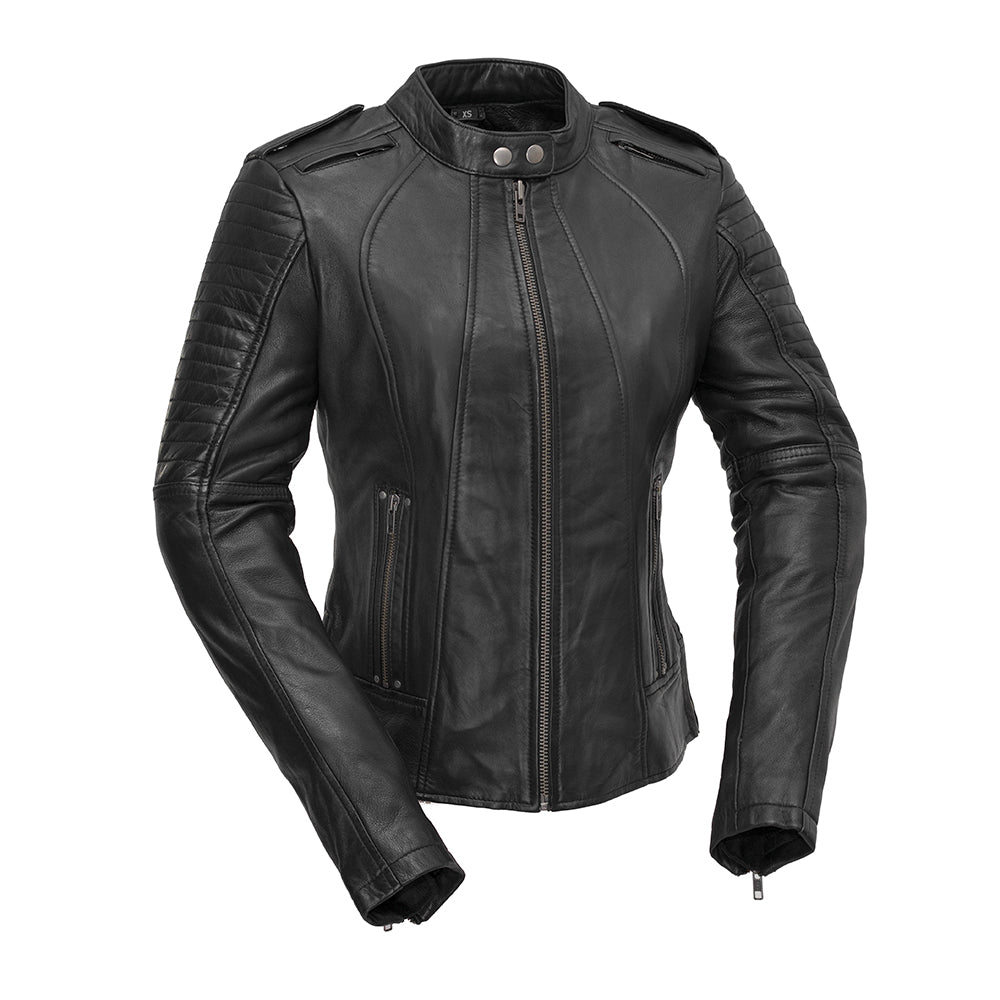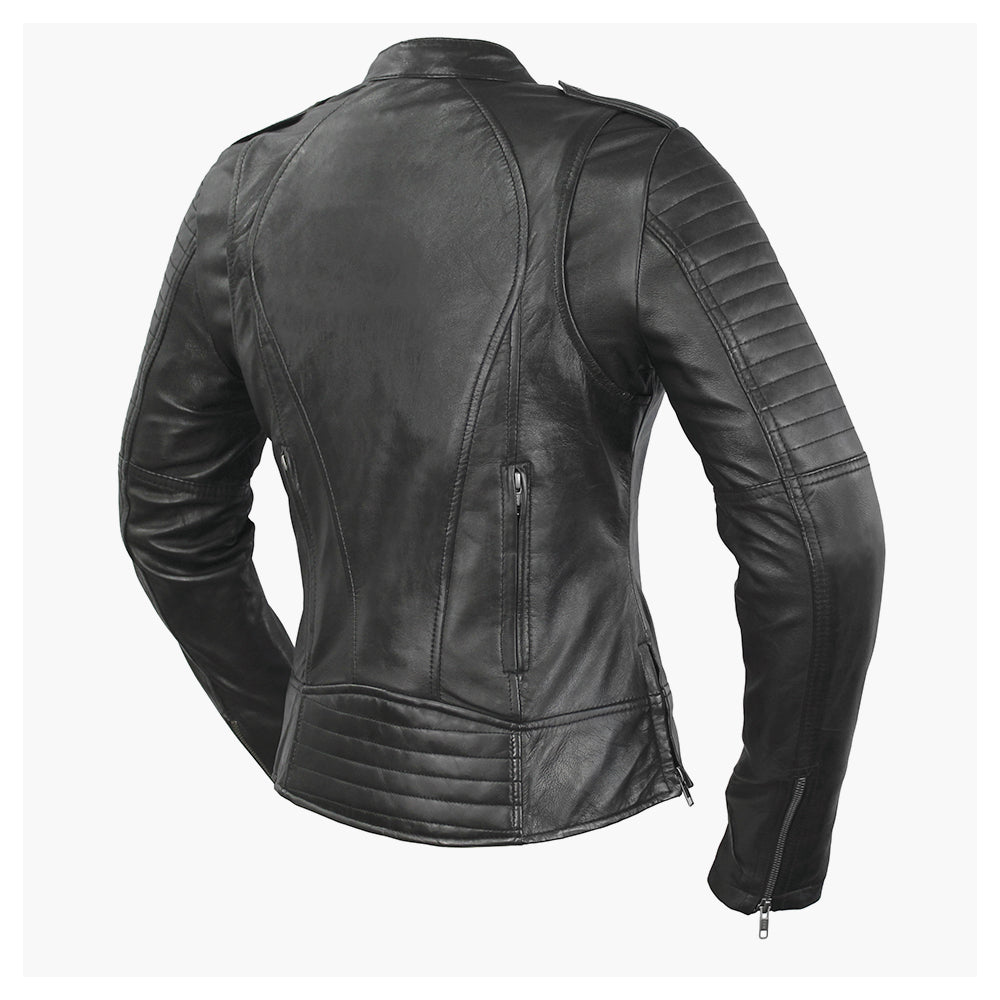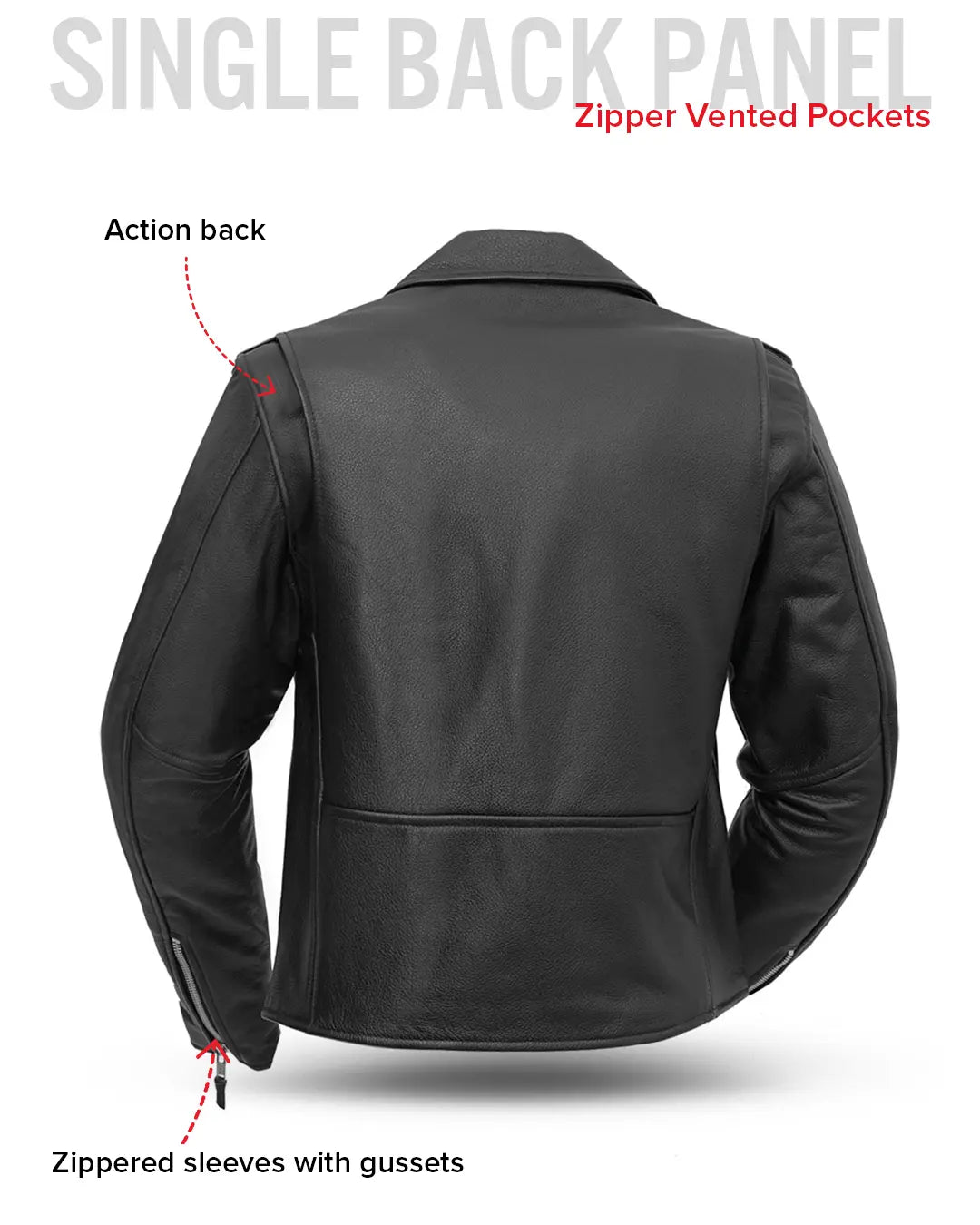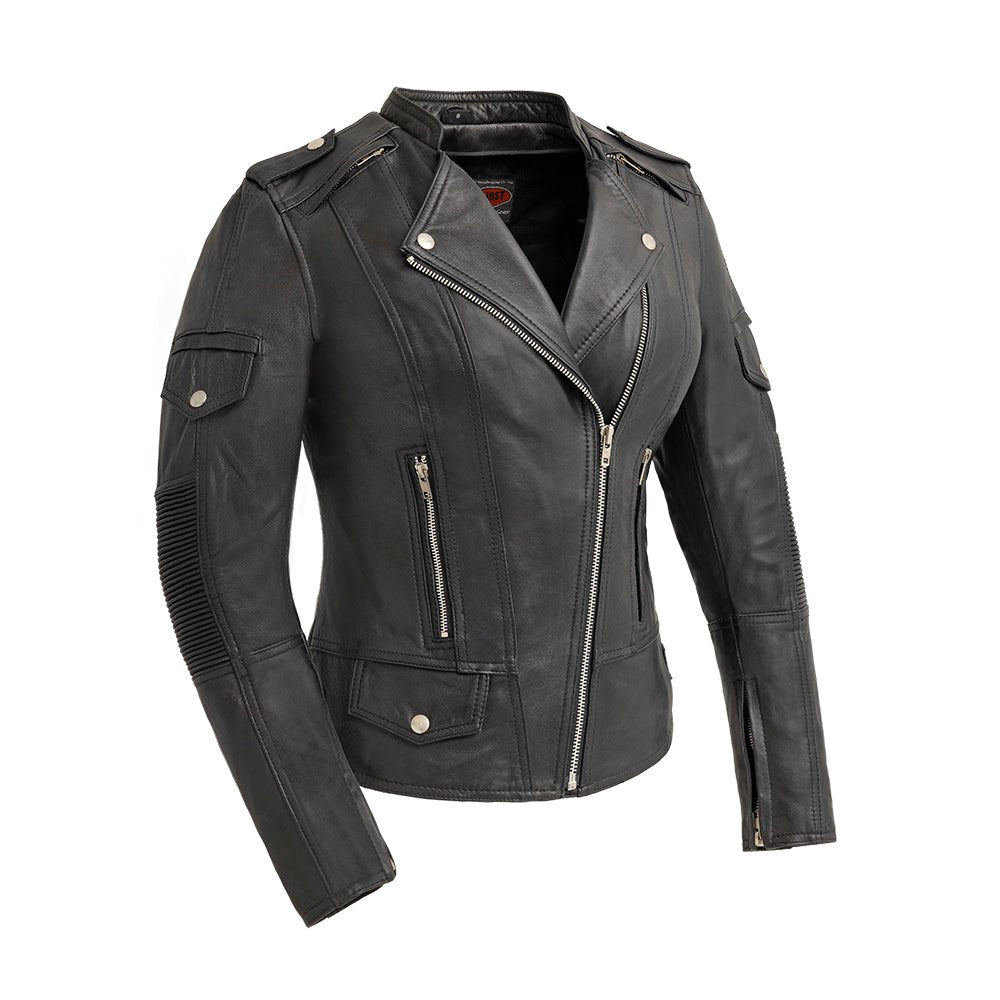
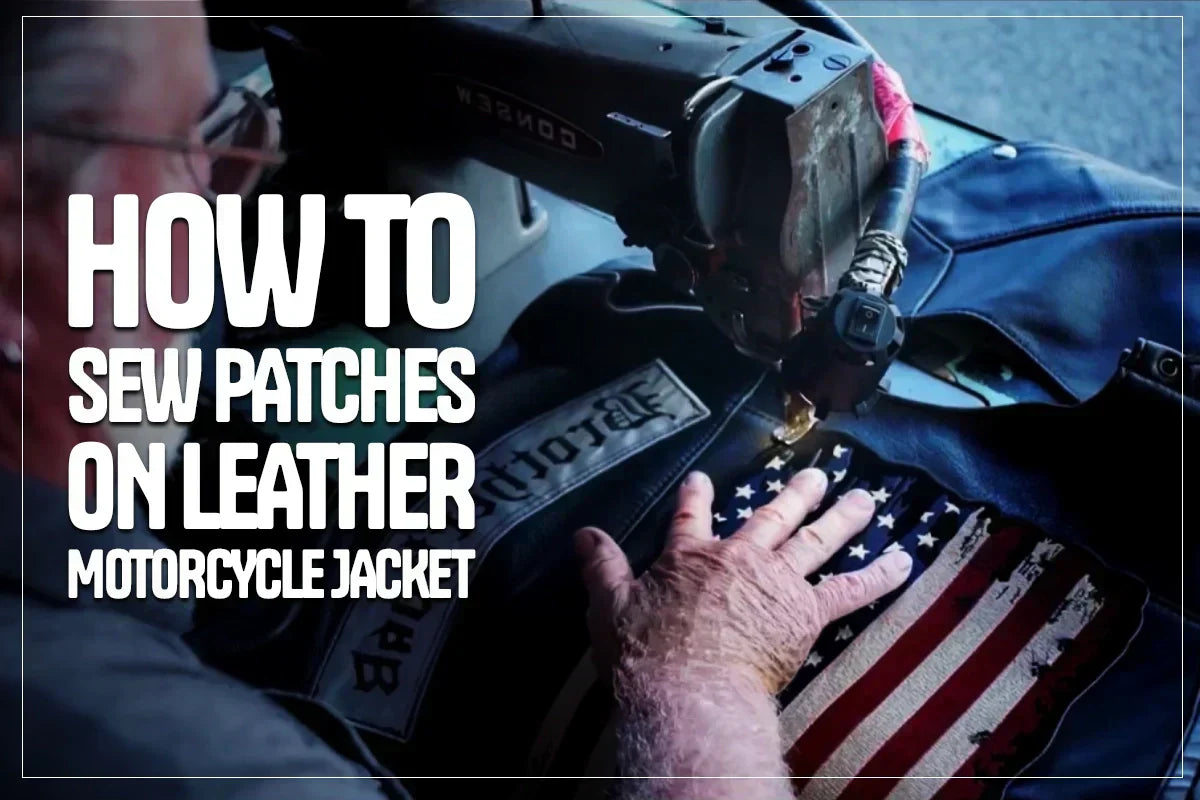
Sewing patches on leather jacket is a permanent modification. Unlike denim or fabric, leather does not self-heal. Every needle hole remains visible for the life of the jacket. That’s why knowing how to sew patches on a leather motorcycle jacket correctly? matters far more than speed or convenience.
Whether you’re attaching patches for customization, covering wear and tear, or adding event or club-related patches, success depends on choosing the right method, using proper tools, and controlling stitch tension and placement. This guide focuses on the practical sewing process, covering all reliable methods without damaging thick motorcycle leather.
What Are Motorcycle Patches?
Motorcycle patches are pieces of fabric, leather, or molded material sewn onto jackets or vests to display identity, achievements, or personal expression. From a sewing perspective, patches matter only for how they attach to leather, not what they represent.
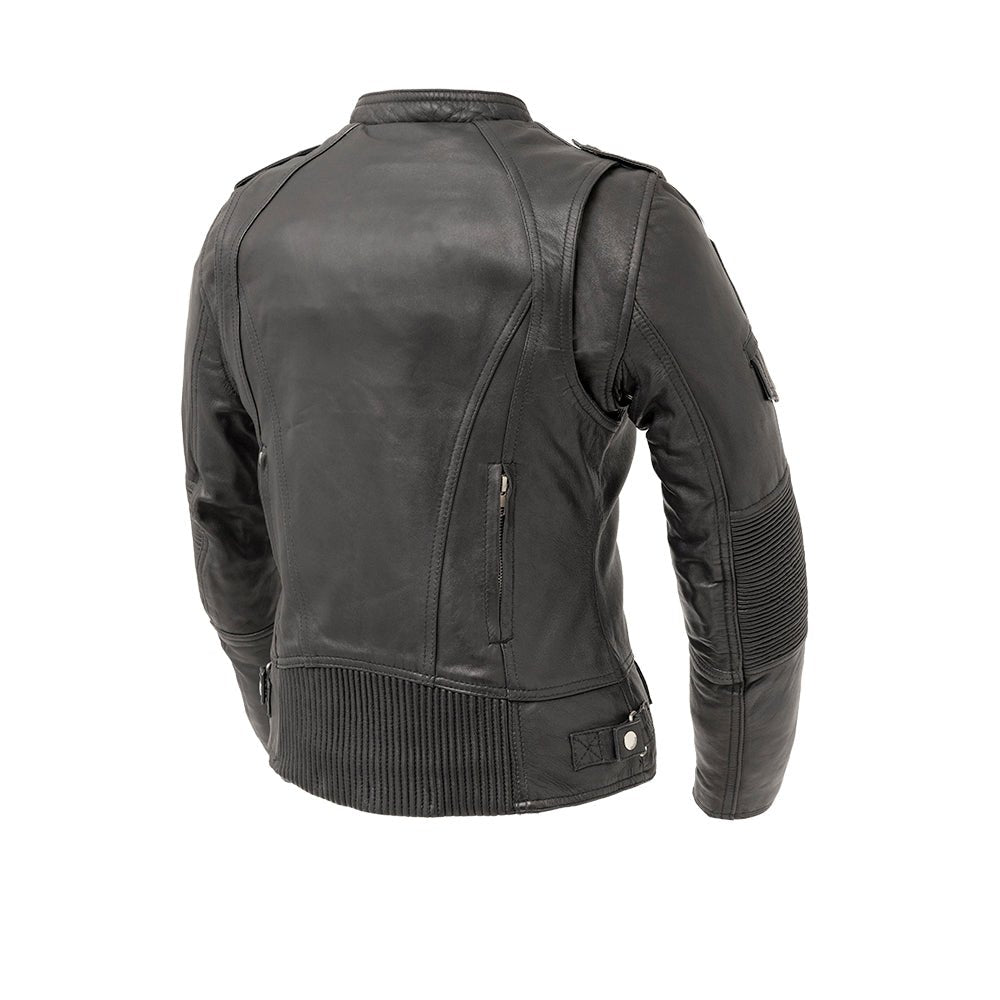
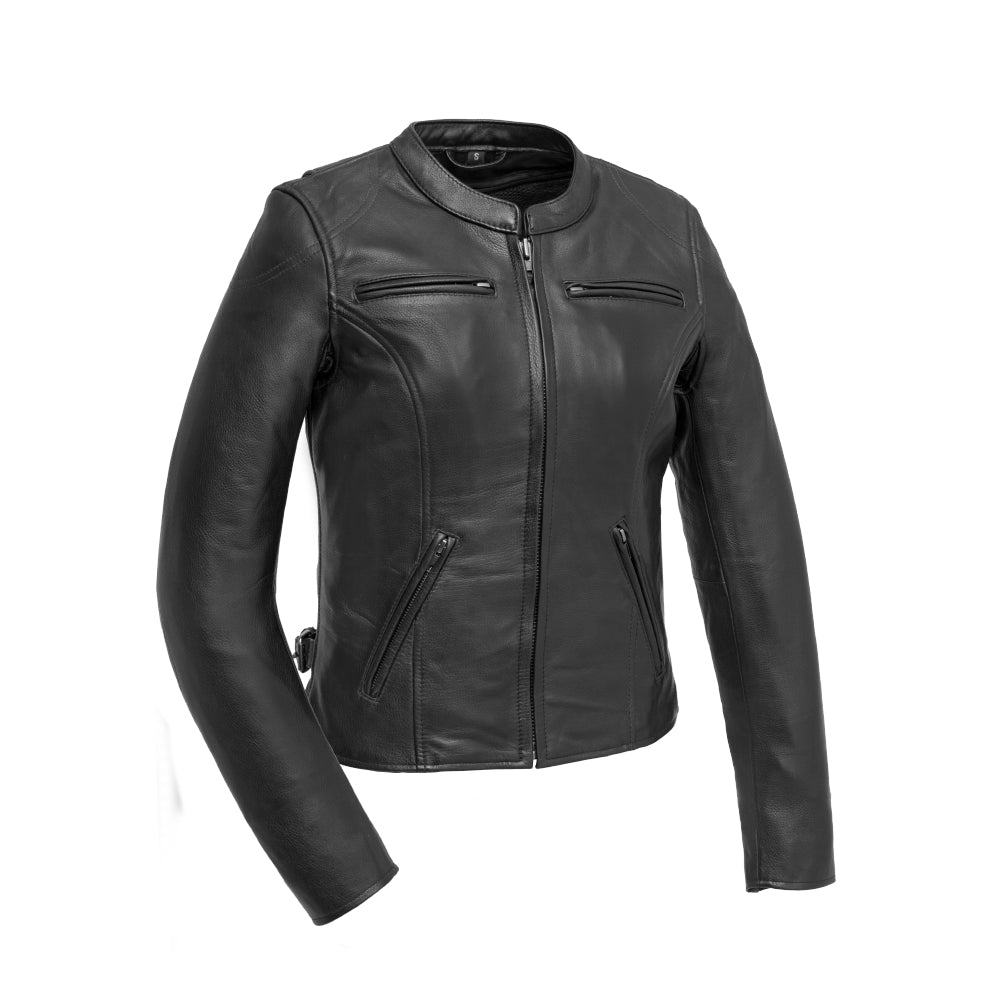
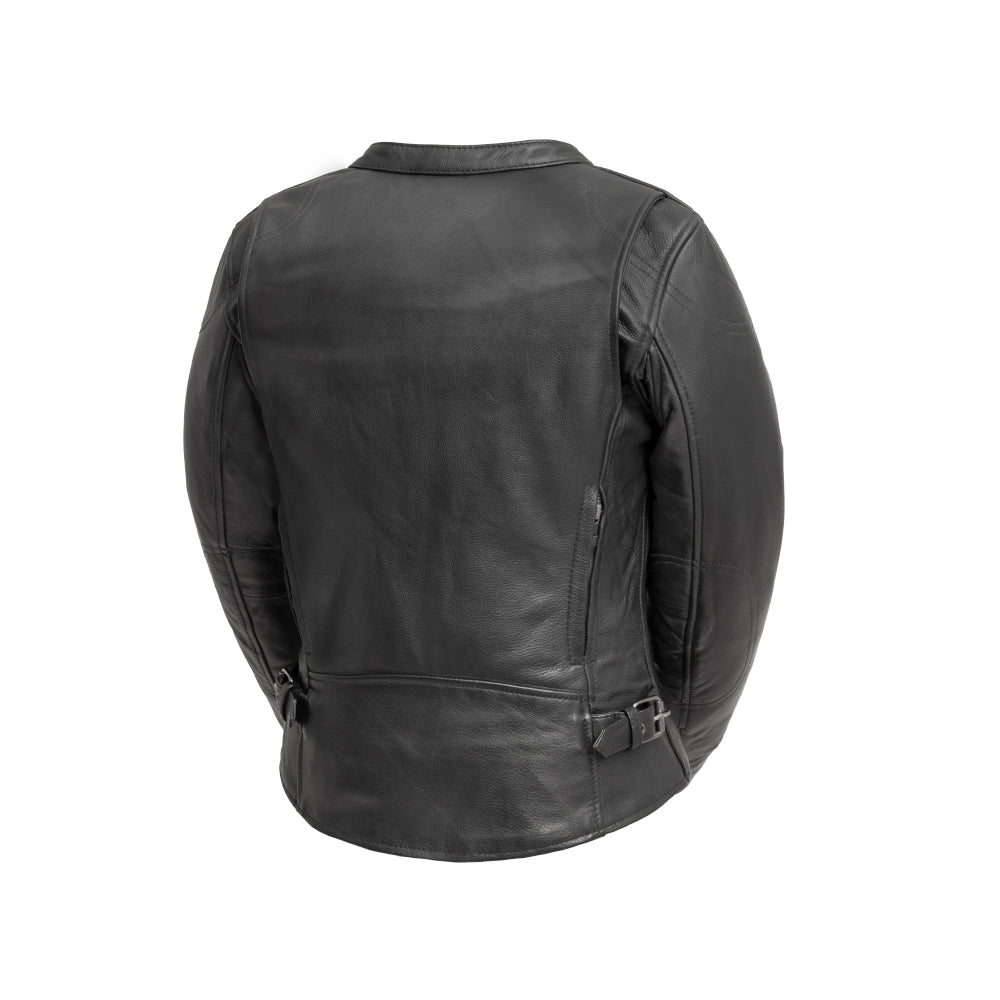
Understanding how a motorcycle jacket is constructed helps explain why sewing techniques matter. If you want a breakdown of materials and design, see What Is a Motorcycle Jacket?
Common Patch Types
-
Sew-on patches: Designed for stitching, easiest and safest to sew on leather.
-
Iron-on patches: Have adhesive backing but must be sewn, not ironed, on leather.
-
Embroidered patches: Thicker borders that require steady tension and wider stitch spacing.
-
Leather or embossed patches: Stiffer, need sharp leather needles and slower sewing.
-
Velcro-backed patches: Removable, but the Velcro base still must be sewn.
Common Patch Shapes
-
Round or Oval: Curved edges require consistent stitch spacing.
-
Rectangular: Straight edges, easiest for clean alignment.
-
Triangular: Corners need anchoring stitches.
-
Diamond: Angled edges make mistakes more visible.
Patch Layouts & Meanings
-
1-piece patches: Single design, easiest to align and sew.
-
2-piece patches: Center design plus one rocker, spacing matters.
-
3-piece patches: Top rocker, center logo, bottom rocker, alignment must be precise.
Can You Put Patches on Leather? How to Do It Right
To sew patches on leather jacket, use a leather needle, strong polyester or nylon thread, and fabric glue to temporarily hold the patch, sewing slowly around the edge with a moderate stitch length for a durable finish that won't damage the leather, using a thimble or pliers for control and a smooth presser foot if machine sewing.
While the process is similar for jackets, the steps can differ slightly when working with sleeveless gear, especially if you’re sewing patches on a vest. You can read a detailed guide here: How to Sew Patches on a Leather Vest.
Choose the Right Method (Quick Guide)
-
Hand sewing: Best control, safest for thick leather and curved patches.
-
Machine sewing: Faster, but only with a leather-capable machine.
-
Iron-on patches: Must be sewn, never ironed.
-
Velcro (hook and loop): Allows removable patches but still requires sewing.
-
Glue: Positioning aid only, never a permanent solution.
Tools and Materials You’ll Need
-
Leather needle or heavy-duty needle
-
Polyester thread or nylon thread
-
Thimble
-
Scissors
-
Masking tape or light spray adhesive
-
Needle threader (optional)
-
Sewing machine (only if designed for leather)
Where to Place a Patch Before Sewing
-
Flat areas are easier to sew.
-
Avoid seams, edges, and folded leather.
-
Keep patches away from high-stress bend zones.
Large back patches demand precise alignment and even stitch spacing to prevent warping. Patch placement also affects how the jacket looks once worn. If appearance matters as much as durability, this guide on How to Style a Leather Jacket? explains how patch positioning influences overall style.
Method 1: Hand Sewing Patches on a Leather Motorcycle Jacket

Hand sewing is the safest and most controlled method for attaching patches to a leather motorcycle jacket, especially when the leather is thick or the patch has curved edges.
When to Use Hand Sewing
Use this method if:
-
The leather is thick or stiff.
-
The patch has curves, corners, or heavy embroidery.
-
The patch is near seams or panels.
-
The jacket lining limits machine access.
How to Sew Patches on Leather Jacket by Hand
-
First, place the patch where you want it and secure it with masking tape or a light spray adhesive so it does not move while sewing. Double-check alignment before starting, because repositioning will leave visible holes.
-
If possible, separate the jacket lining from the leather in the sewing area to avoid stitching through it.
-
Cut 16–20 inches of polyester or nylon thread. Thread a leather needle and tie a secure knot.
-
Start stitching from the inside of the jacket so the knot remains hidden. Use a whip stitch or backstitch, keeping stitch spacing consistent at about 1/8 to 1/4 inch.
-
Pull the thread snug, not tight. The patch should lie flat without puckering the leather.
-
Slow down at corners and curves. Place an anchoring stitch at each corner to keep the edge clean.
-
Once you reach the starting point, overlap the first stitch slightly, move the needle to the inside, tie off securely, and trim the excess thread.
Method 2: Machine Sewing Patches onto a Leather Motorcycle Jacket

Machine sewing is faster than hand sewing, but it leaves less room for error. A sewing machine creates multiple holes quickly, so this method should only be used when the machine is designed for leather and the patch placement is easy to control.
When to Use Machine Sewing
Use this method if:
-
You have a leather-capable, heavy-duty sewing machine.
-
The patch will be placed on a flat, low-stress area.
-
You are confident controlling sewing speed and stitch length.
How to Machine Sew a Patch on a Leather Motorcycle Jacket
-
Install a leather needle and thread the machine with polyester thread in both the top and bobbin. Set a longer stitch length to prevent creating a perforation line in the leather.
-
Position the patch and secure it with masking tape or a light adhesive. Do not use pins, as they leave permanent holes.
-
Place the jacket under the presser foot and lower the needle at the edge of the patch. Sew slowly and let the machine feed the leather naturally. Do not pull or force the jacket, as this can cause skipped stitches or uneven holes.
-
Keep the stitching close to the patch edge and consistent. When turning corners, stop with the needle down, lift the presser foot, rotate the jacket, then continue sewing.
-
When you reach the starting point, overlap the stitch slightly and use minimal backstitching to lock the seam. Trim the threads and inspect the stitching.
-
If the machine skips stitches, binds, or struggles to feed the leather, stop immediately and switch to hand sewing to avoid permanent damage.
Method 3: Sewing Iron-On Patches on Leather (Without Heat)
Iron-on patches should never be ironed directly onto leather. Heat can scorch, stiffen, or permanently discolor the leather, causing damage that cannot be reversed.
How to Sew an Iron-On Patch on a Leather Motorcycle Jacket
-
Skip heat entirely. Position the patch where you want it using masking tape or a light spray adhesive. The adhesive backing can help hold the patch in place, but it should not be relied on for long-term attachment.
-
Once positioned, sew the patch exactly like a standard sew-on patch. Use hand sewing or a leather-capable sewing machine, keeping stitch spacing even and tension controlled.
-
Stitch completely around the edge, secure the thread on the inside of the jacket, and trim any excess thread. Sewing provides the durability that adhesive alone cannot offer on finest quality mens leather motorcycle jackets.
Method 4: Velcro (Hook and Loop) Patches

Velcro patches allow you to remove or swap designs, but the Velcro base still requires sewing onto the leather jacket. This means the jacket will have permanent stitch holes, even though the patch itself is removable.
When to Use Velcro Patches
This method works best if:
-
You want interchangeable or removable patches.
-
You use event-based or seasonal designs.
-
The patch is small and placed on a flat, low-flex area.
How to Install Velcro on a Leather Motorcycle Jacket
-
Position the loop (soft) side of the Velcro on the jacket and secure it with tape or light adhesive. Sew the Velcro base onto the leather using hand sewing or a leather-capable sewing machine, keeping stitch spacing even and tension controlled.
-
Once the Velcro base is secured, press the patch firmly onto it so the hook and loop surfaces bond evenly.
-
Velcro works well for flexibility, but it should not be used on high-stress or heavily flexing areas, as edges can lift over time.
Method 5: Using Glue on Leather Motorcycle Jackets

Glue should never be used as the only method to attach patches to a leather motorcycle jacket. On riding gear, glue alone does not hold up to heat, sun exposure, or constant vibration.
When Glue Is Useful
Glue works best as a support method:
-
To hold a patch in place before sewing
-
To provide extra edge support along with stitching
How to Use Glue Correctly
-
Clean the leather surface so it is free of dust and oils. Apply a thin, even layer of leather-safe or fabric glue to the back of the patch. Press the patch firmly into position and allow it to set according to the manufacturer’s instructions.
-
Once the patch is positioned, sew around the edge using hand or machine sewing. Stitching provides the long-term durability that glue alone cannot.
-
Avoid using thick layers of glue or relying on adhesive without stitching, as this often leads to edge lifting and residue on the leather.
Common Mistakes When Sewing Patches on Leather Jackets
Avoiding these mistakes is just as important as choosing the right sewing method. Leather does not forgive errors, and most damage happens because of poor technique.
-
Stitching too close to the patch edge can cause the border to lift over time or tear through the leather. Always leave enough space for the stitch to hold securely.
-
Pulling the thread too tight puckers the leather and distorts the patch. Stitches should be snug, not tight.
-
Sewing through the jacket lining by accident can cause the jacket to bunch up and feel uncomfortable when worn. Always separate the lining before stitching when possible.
-
Using weak or inappropriate threads leads to broken stitches, especially with riding vibration. Polyester or nylon thread is essential for durability.
-
Relying only on fabric glue is a common failure point. Glue alone does not withstand heat, sun exposure, or movement and should only be used as a support, not a primary attachment.
Aftercare: Protecting the Leather and Stitches
-
Clean the jacket gently using a leather-safe cleaner. Avoid soaking the stitched area or using harsh chemicals.
-
Apply leather conditioner around the stitched sections to keep the leather flexible and prevent drying or cracking near needle holes.
-
Inspect the stitches periodically, especially after long rides, to catch loose threads before they become a problem.
-
Avoid prolonged exposure to heat and direct sunlight, as both can dry out leather and weaken stitching over time.
-
Proper cleaning plays a major role in preserving stitched areas. For detailed steps, see our guide on How to Clean a Leather Jacket.
Final Thoughts
Knowing how to sew patches on a womens leather motorcycle jacket correctly protects both the leather and the patch. The method you choose matters less than how carefully you execute it. Hand sewing offers the most control, machine sewing works when the equipment is right, and iron-on or Velcro patches can be adapted safely when stitched properly. Take your time, control stitch tension, and respect the leather.
High-quality motorcycle jackets made for riding, such as those from First MFG Co, are built to handle customization when done correctly. With proper tools and technique, your patches will stay secure, and your jacket will remain strong and ride-ready for years to come.
FAQs About Sewing Patches on Leather
Can sewing patches damage a leather motorcycle jacket?
Yes, if done incorrectly. Leather holes are permanent, and damage usually comes from using the wrong needle, pulling stitches too tight, or sewing in high-stress areas.
Is hand sewing better than machine sewing for leather?
Hand sewing offers more control and lower risk, especially for thick leather or detailed patch edges. So it's the best way to sew patches on a leather jacket. Machine sewing works only with proper equipment and experience.
What needle should I use to sew patches on leather jackets?
Use a leather needle or a heavy-duty needle designed to pierce thick hides cleanly without tearing.
Can iron-on patches be sewn instead of ironed?
Yes. Sewing iron-on patches without heat is the safest method for leather and provides long-term durability.
Can patches be removed later?
Patches can be removed, but the needle holes will remain visible permanently.
What is the best thread to sew patches on leather?
Polyester or nylon thread is best. Avoid cotton thread, as it weakens and breaks over time.