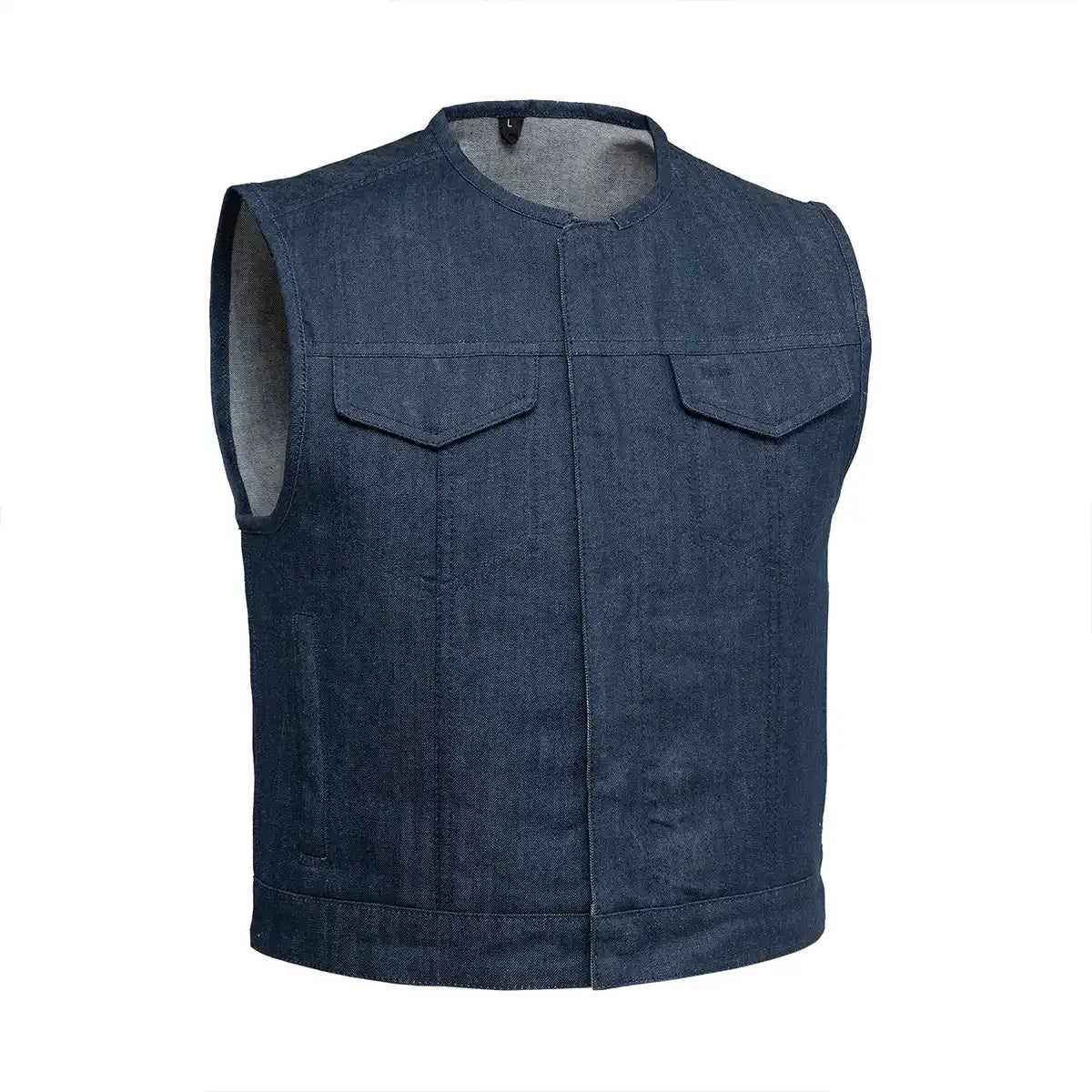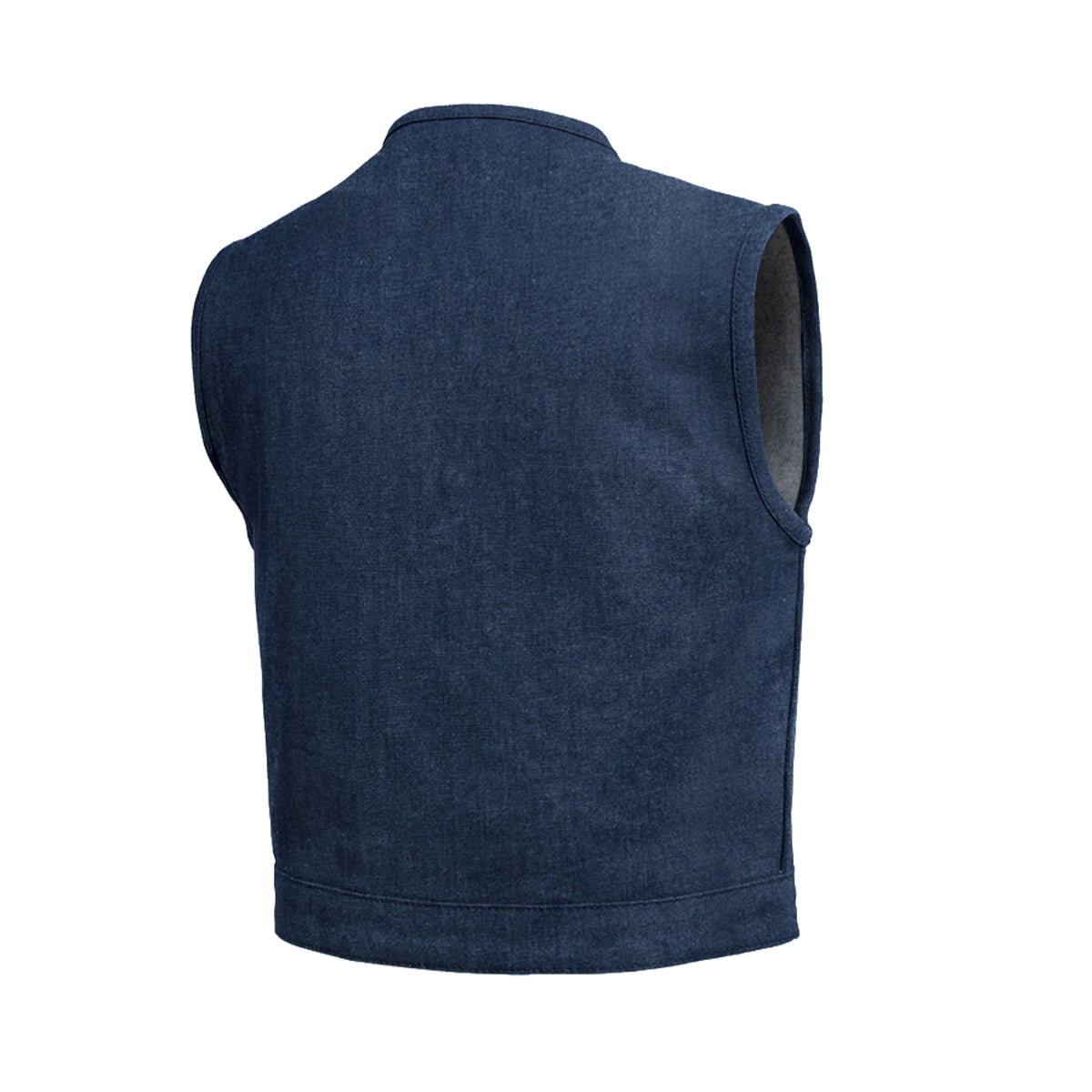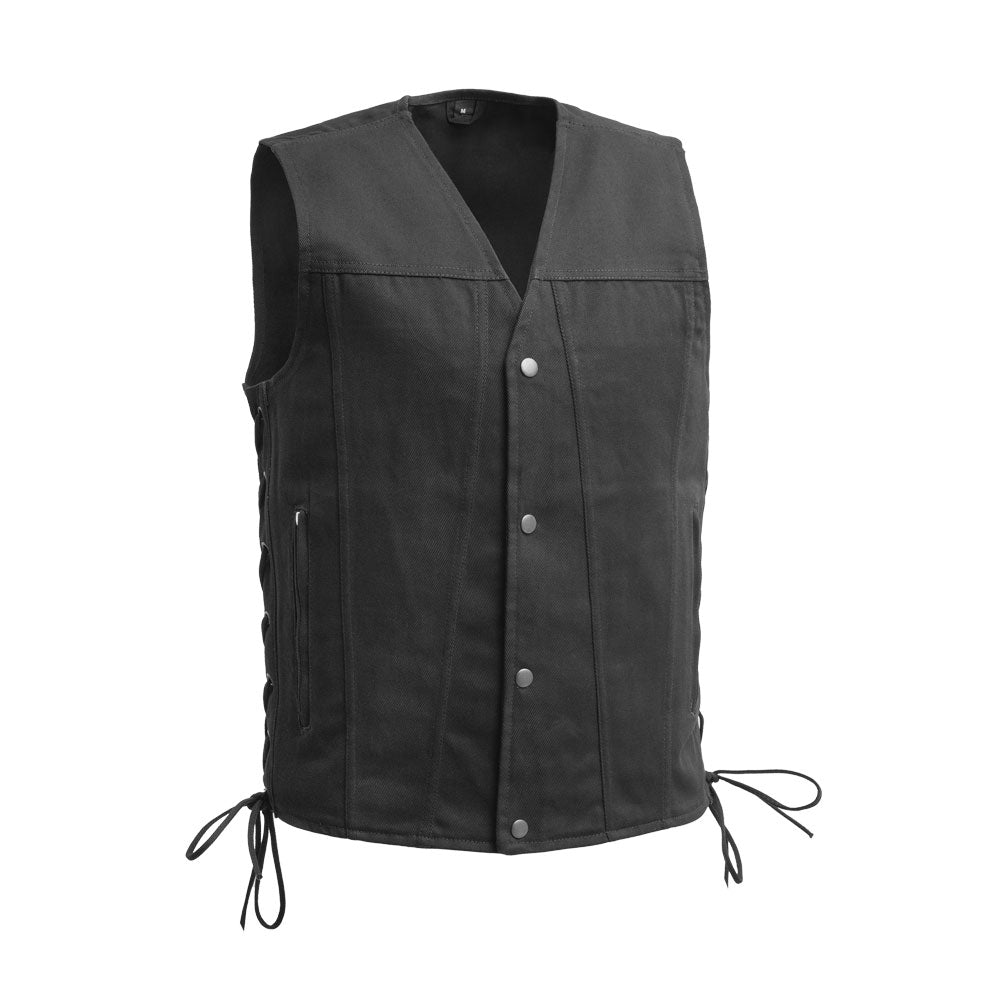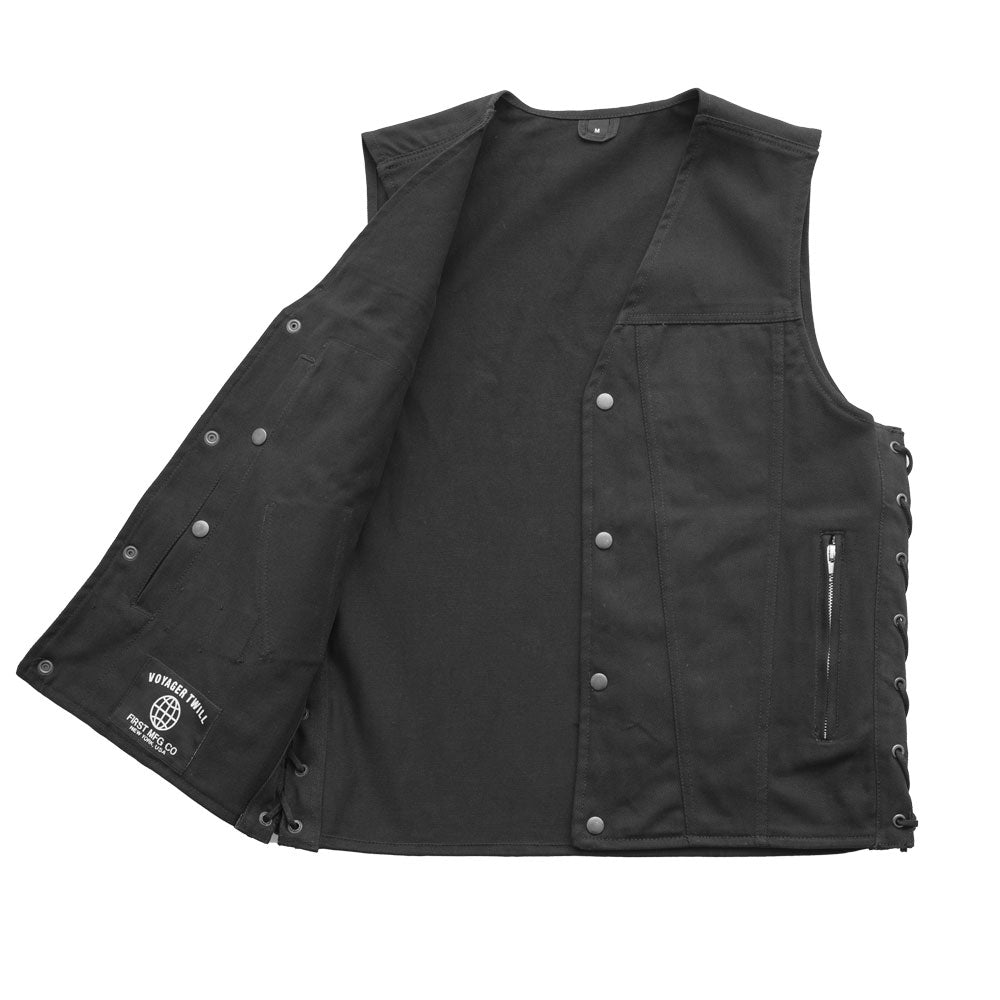
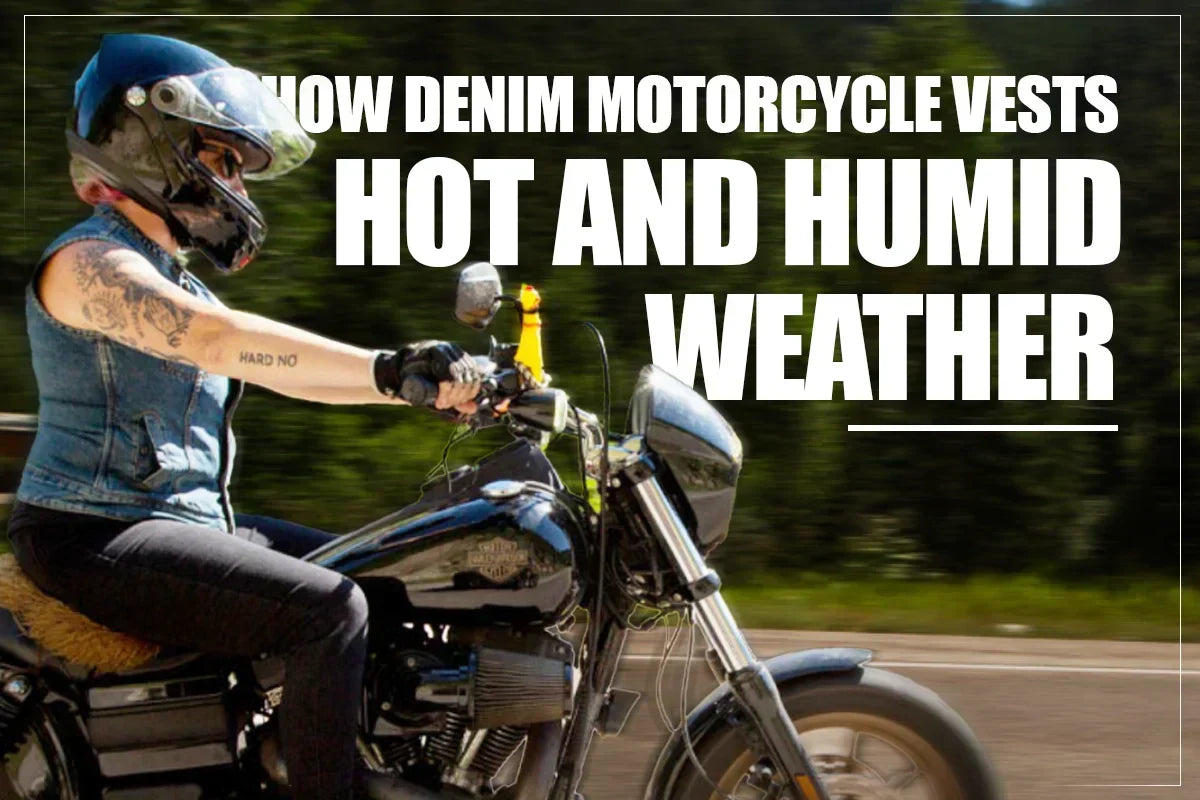
Les chaudes journées d'été mettent à l'épreuve chaque pièce de votre équipement de motard. Des températures dépassant les 32 degrés Celsius, une humidité palpable, et ce gilet en cuir devient soudain la dernière chose que vous voulez sentir sur votre corps. Mais rouler sans protection du torse n'a pas non plus beaucoup de sens.
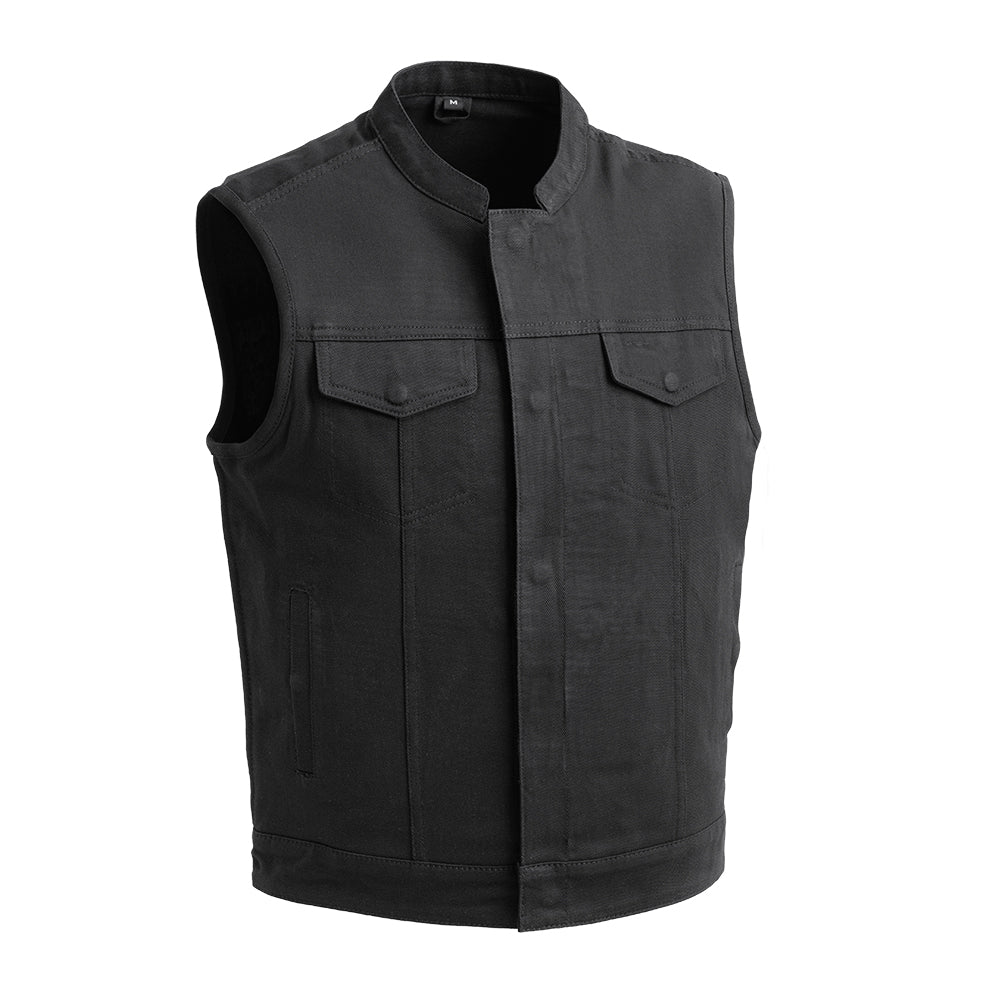
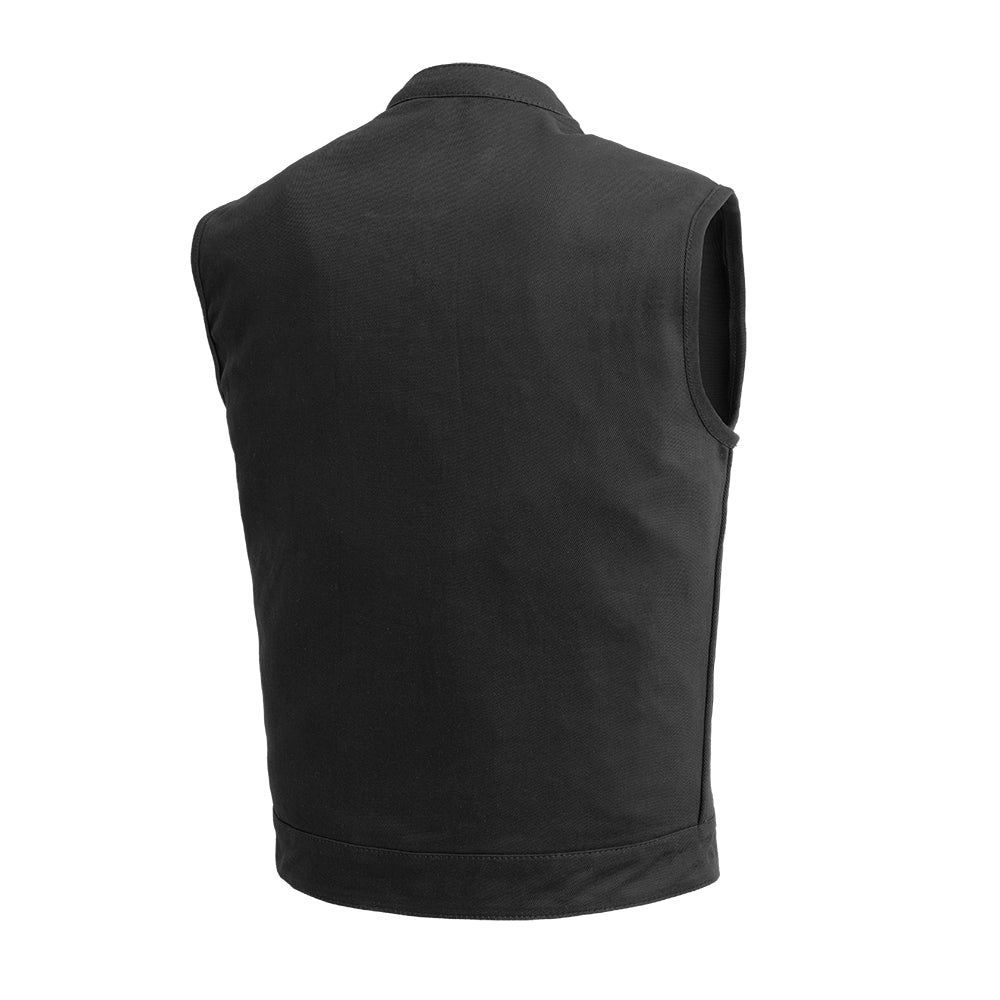
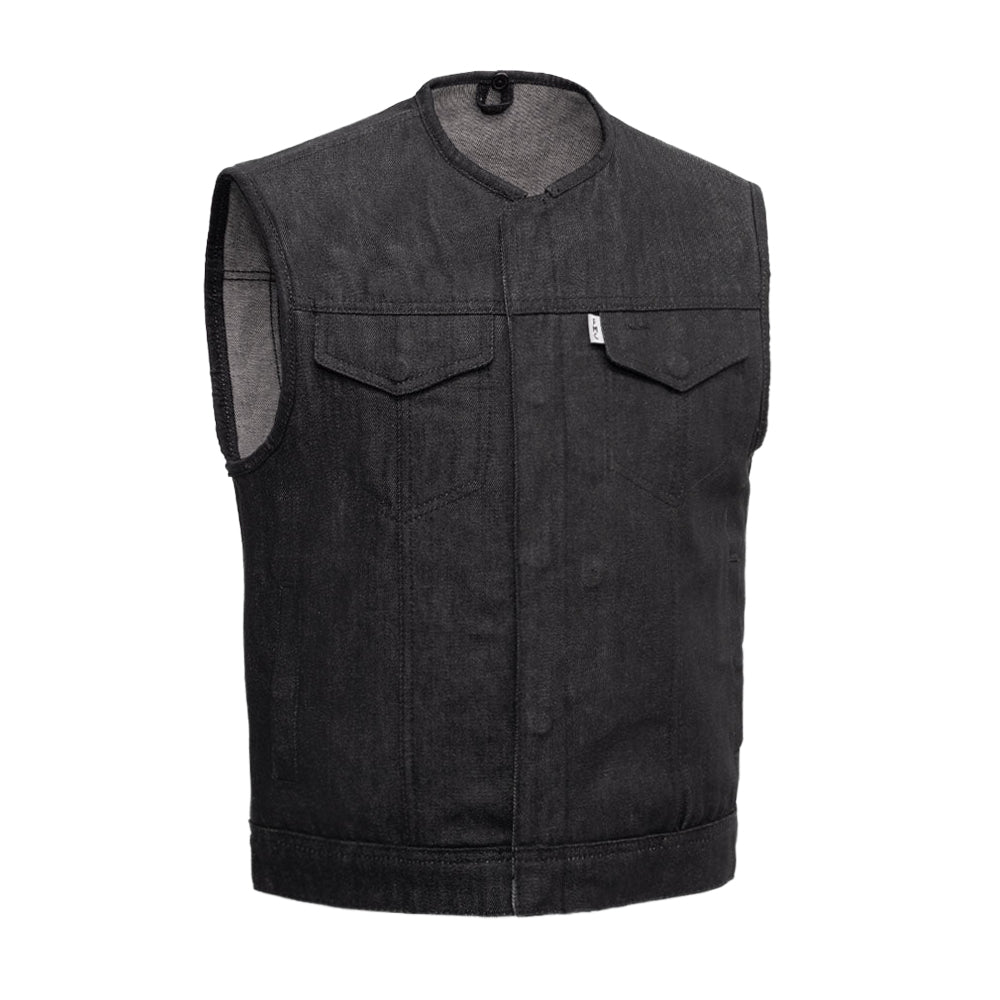
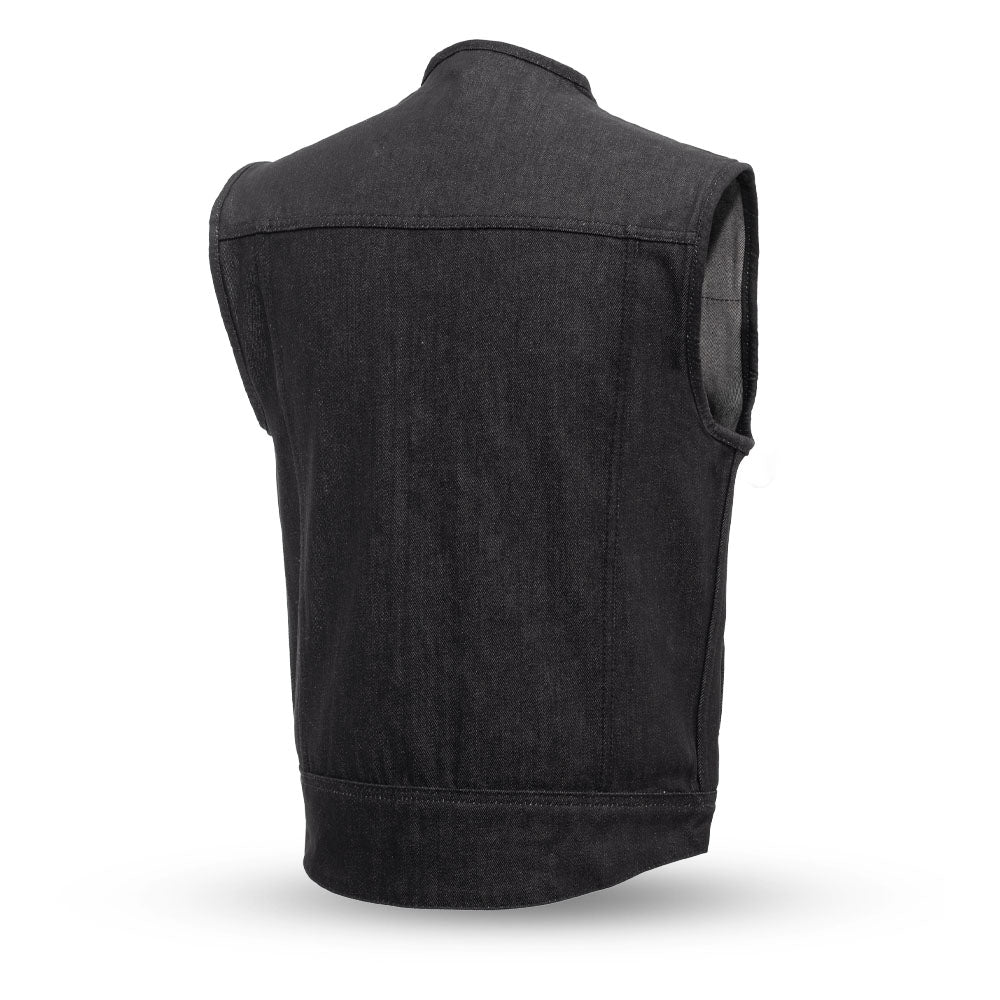
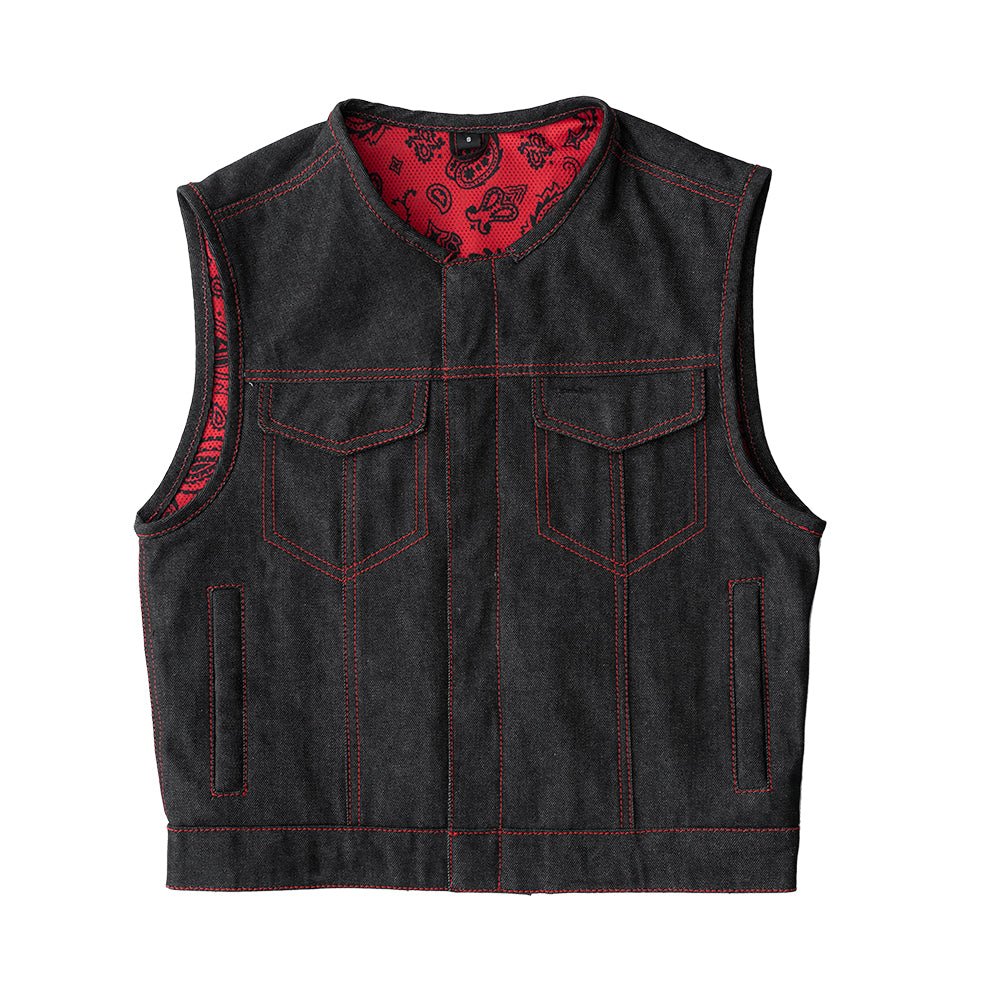
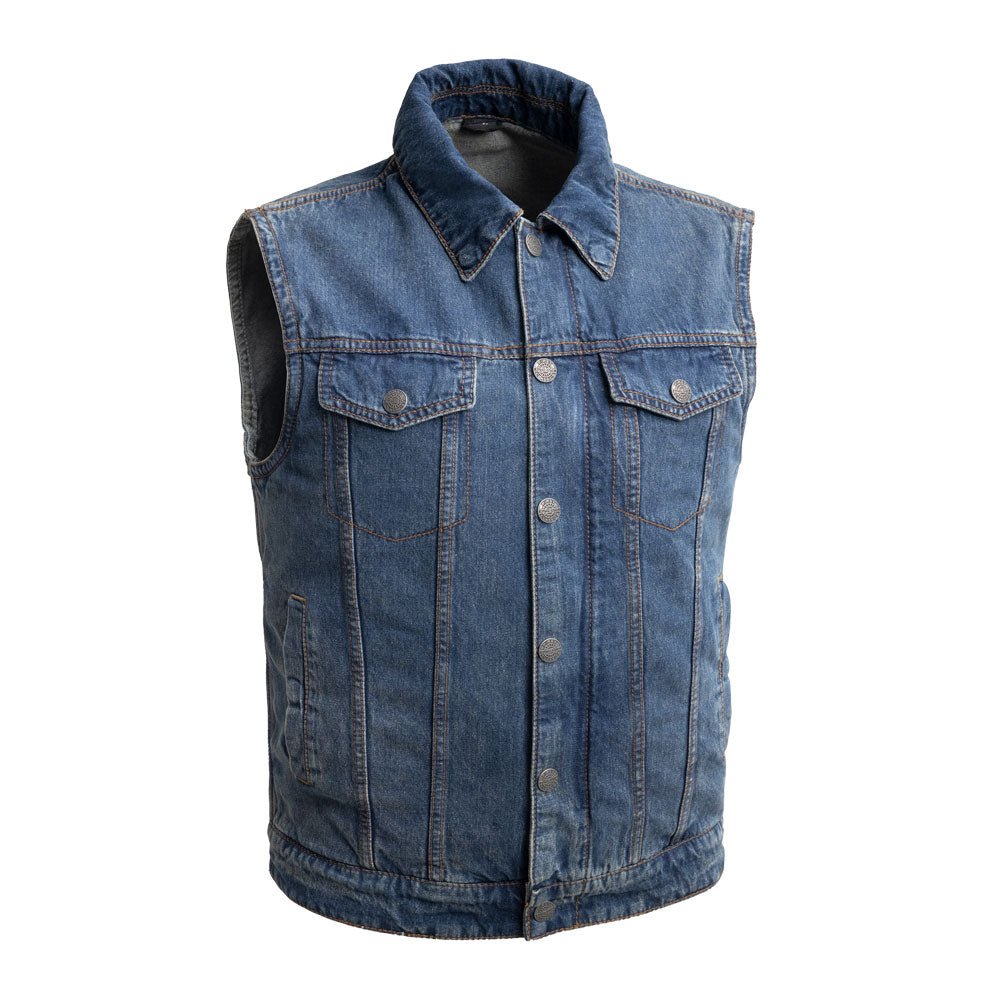
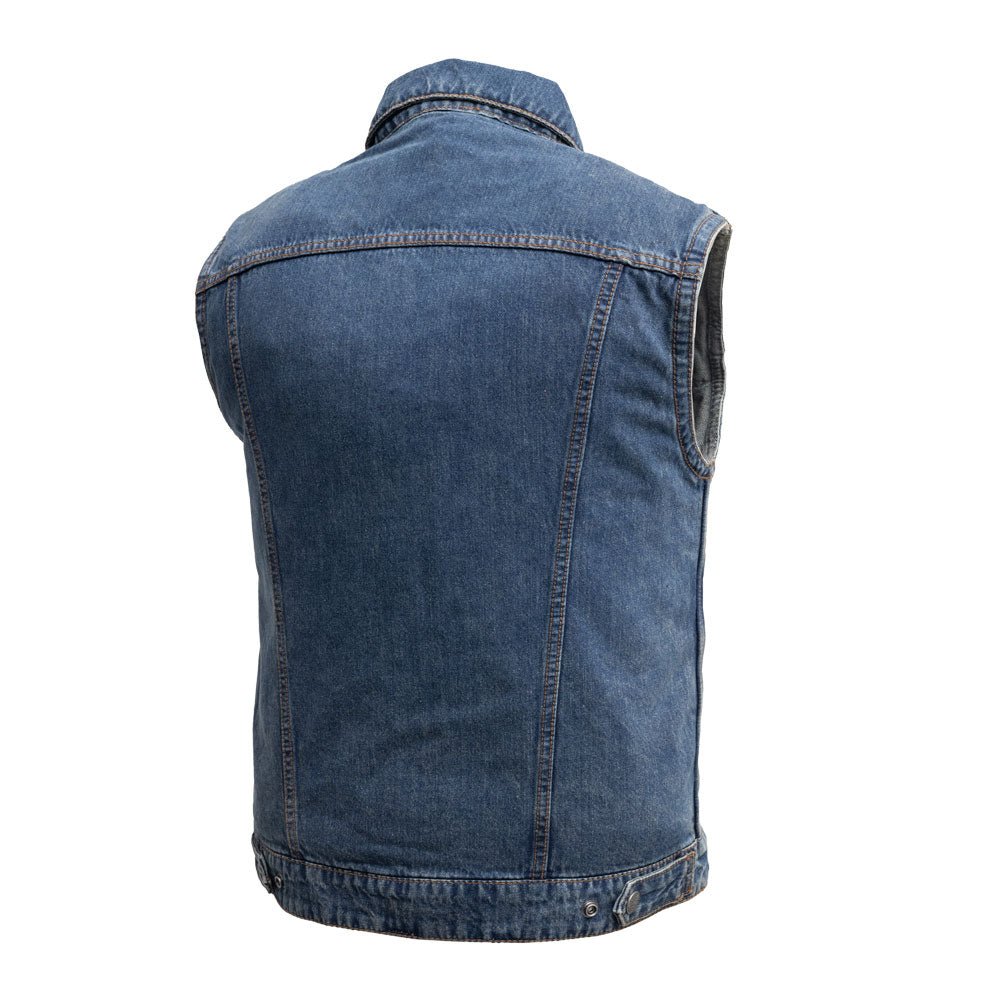
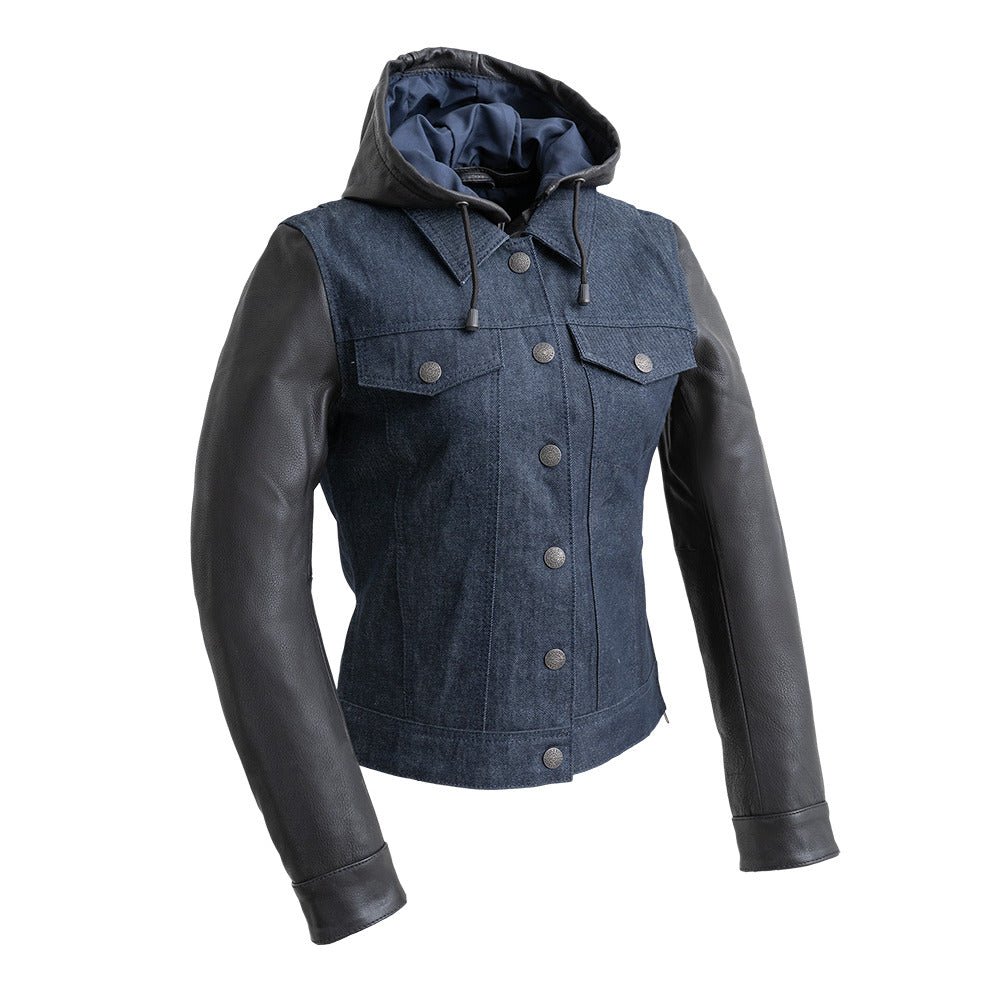
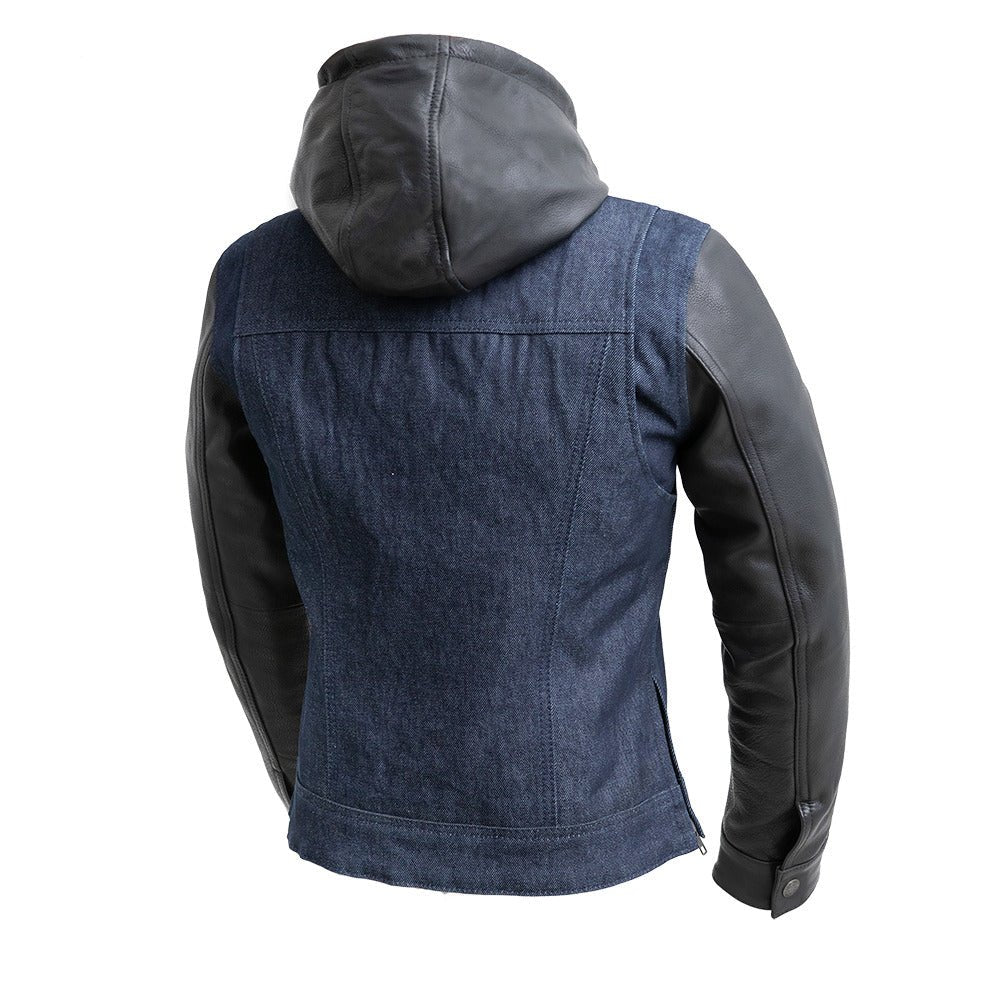
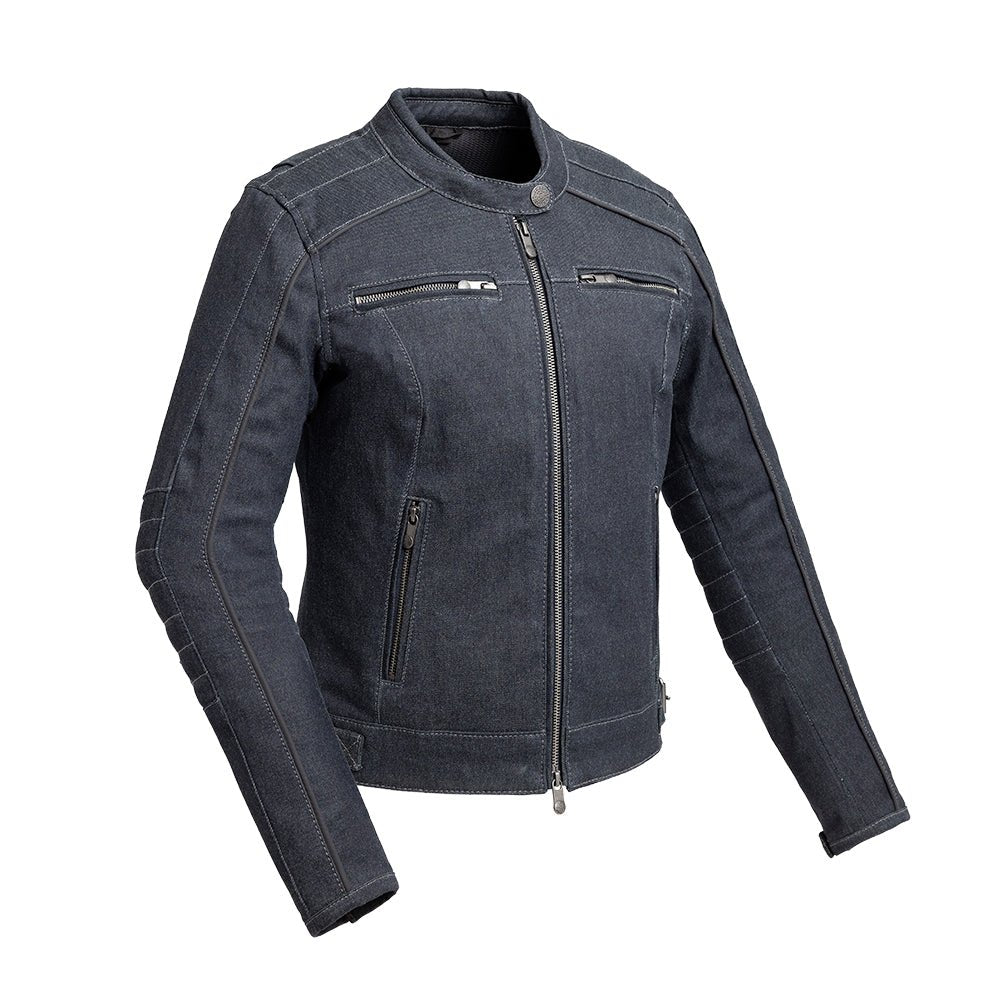
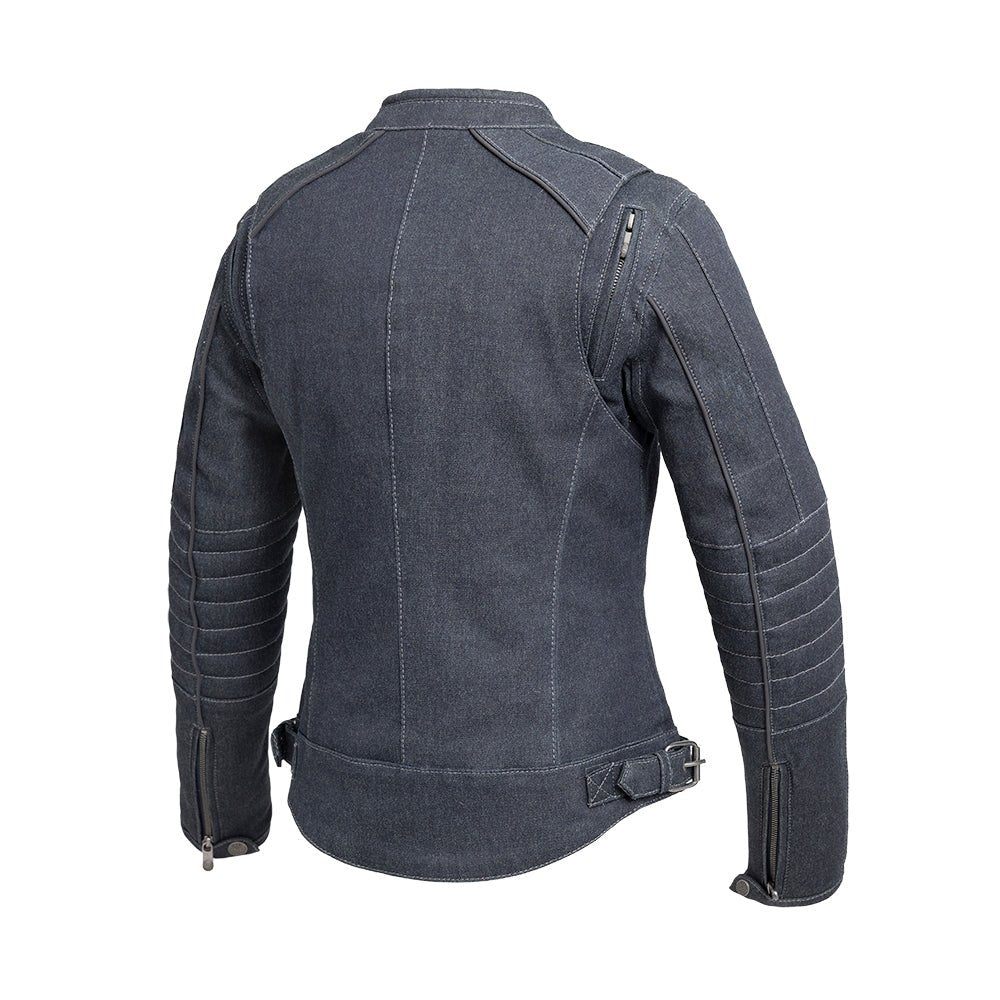
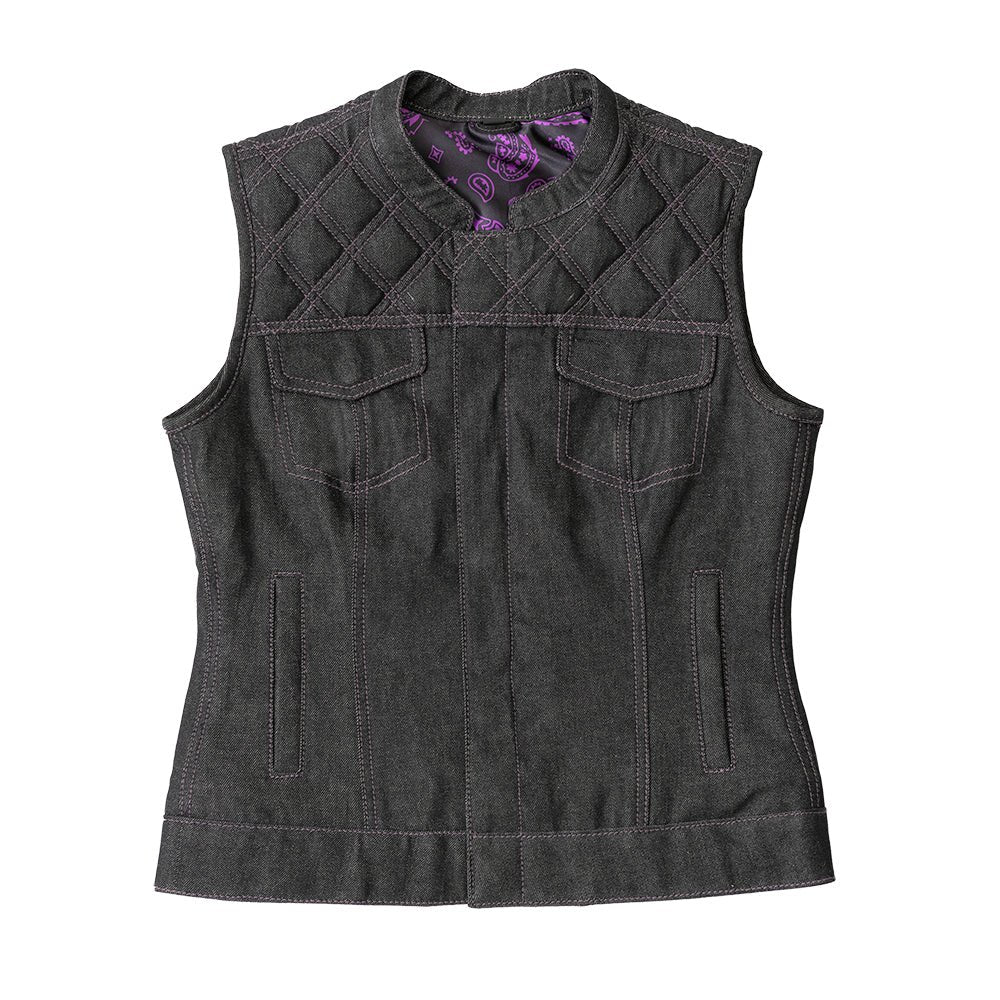
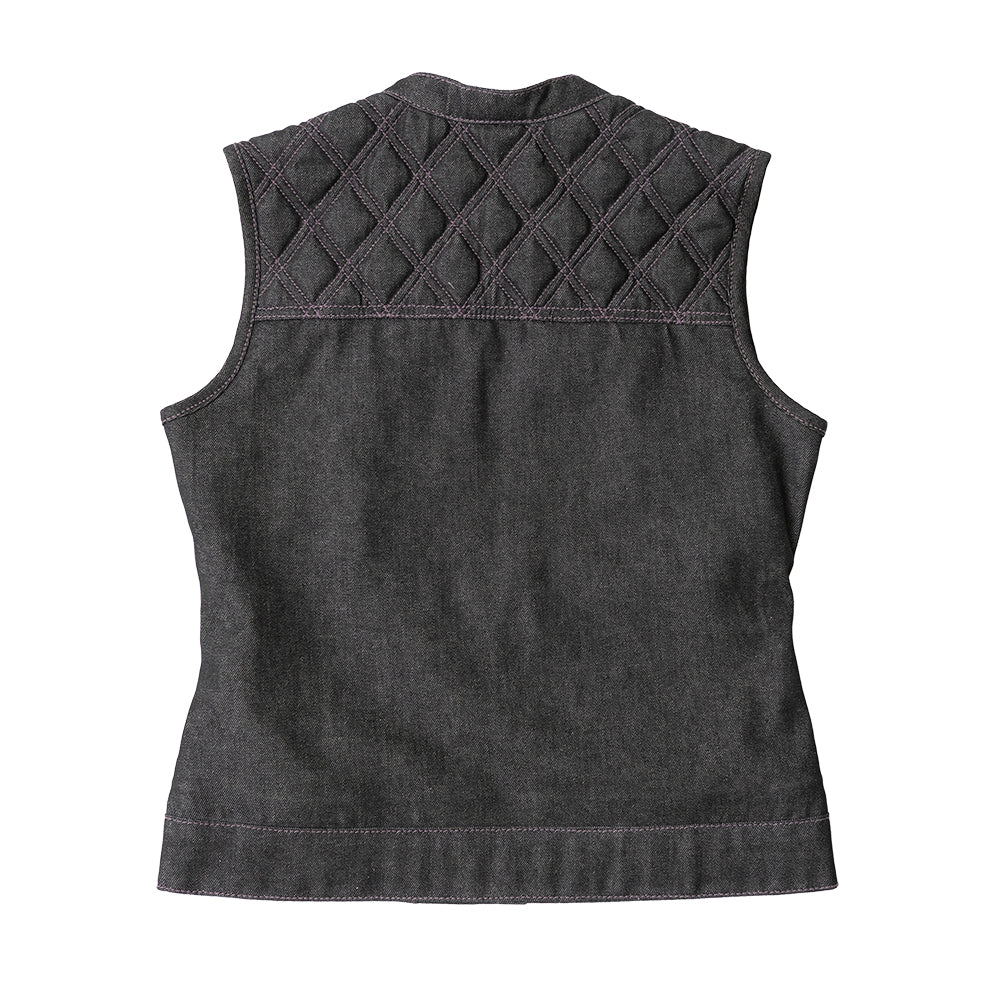
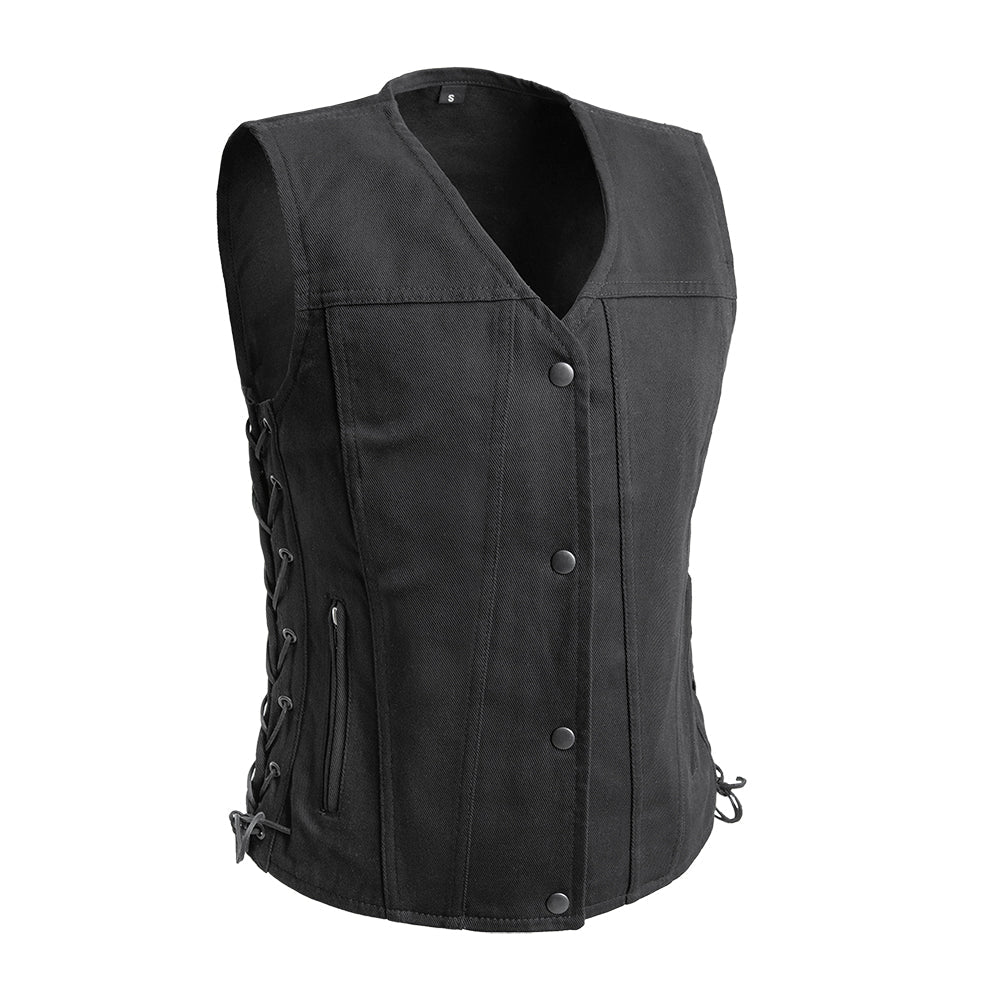
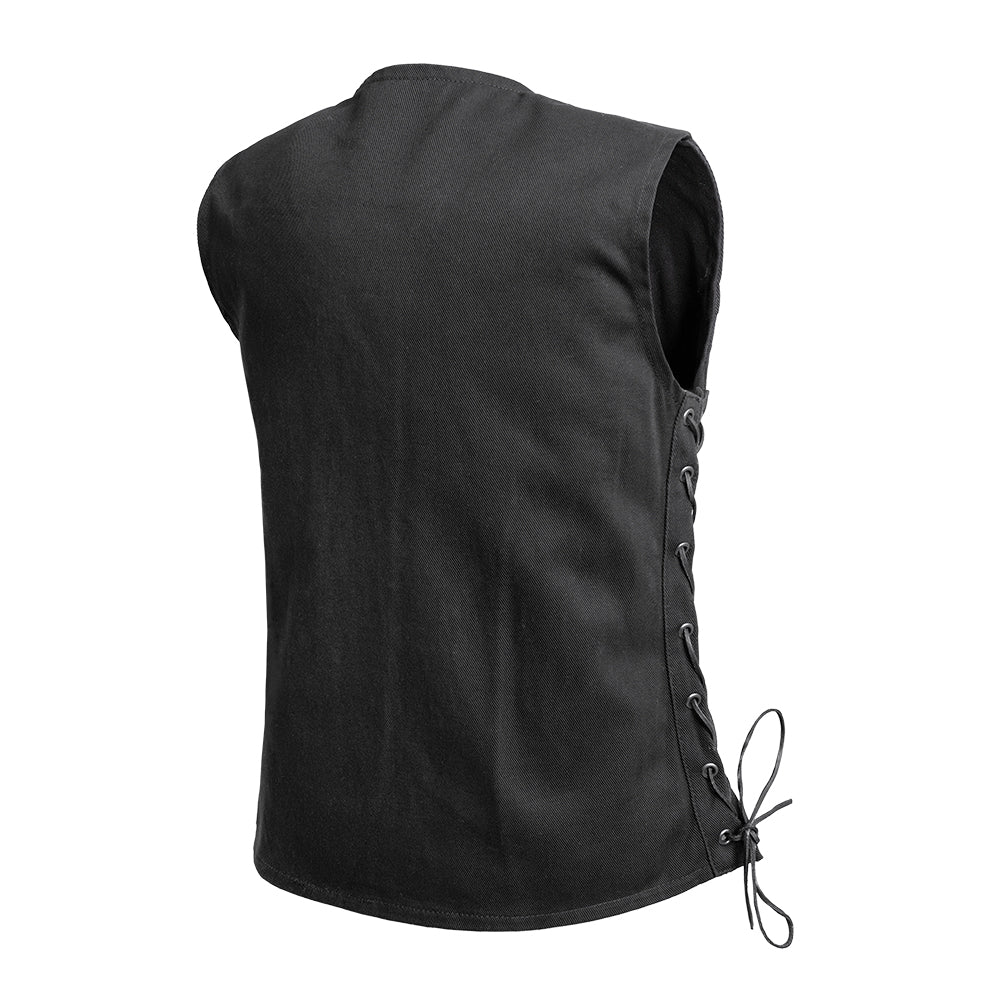
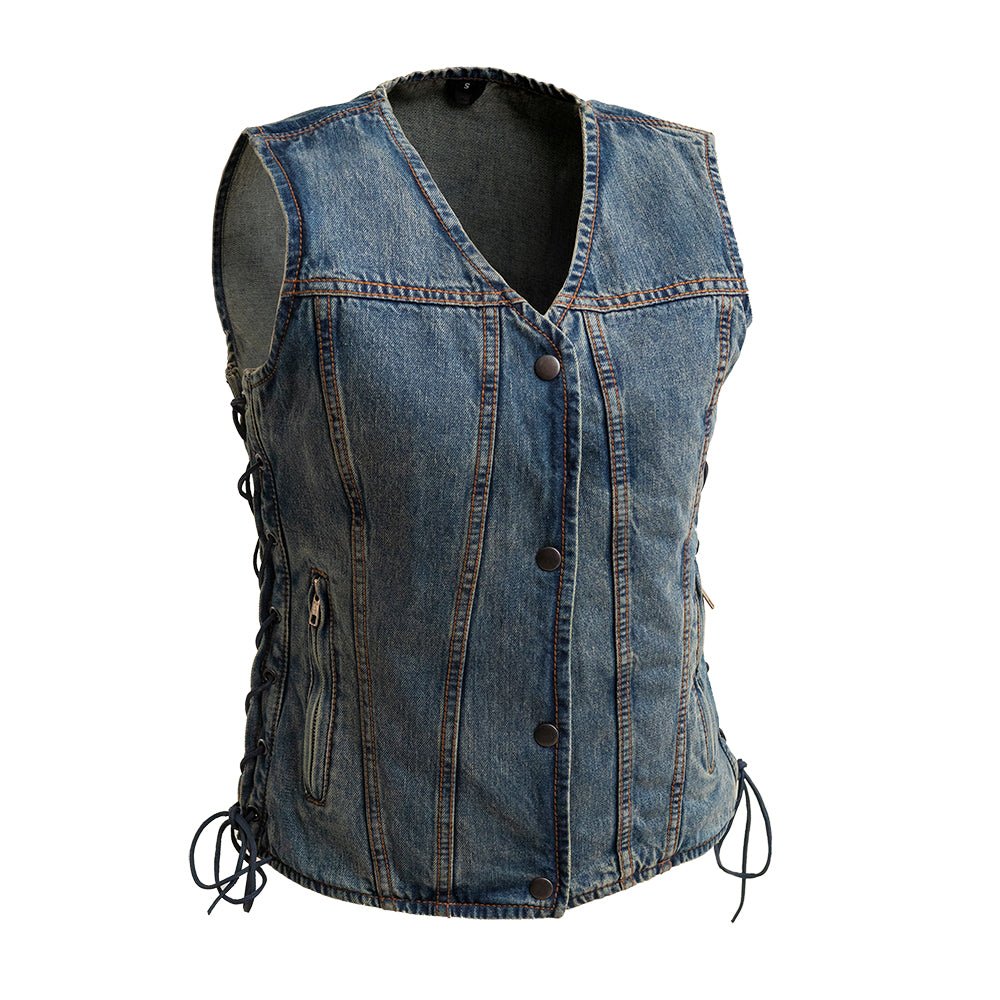
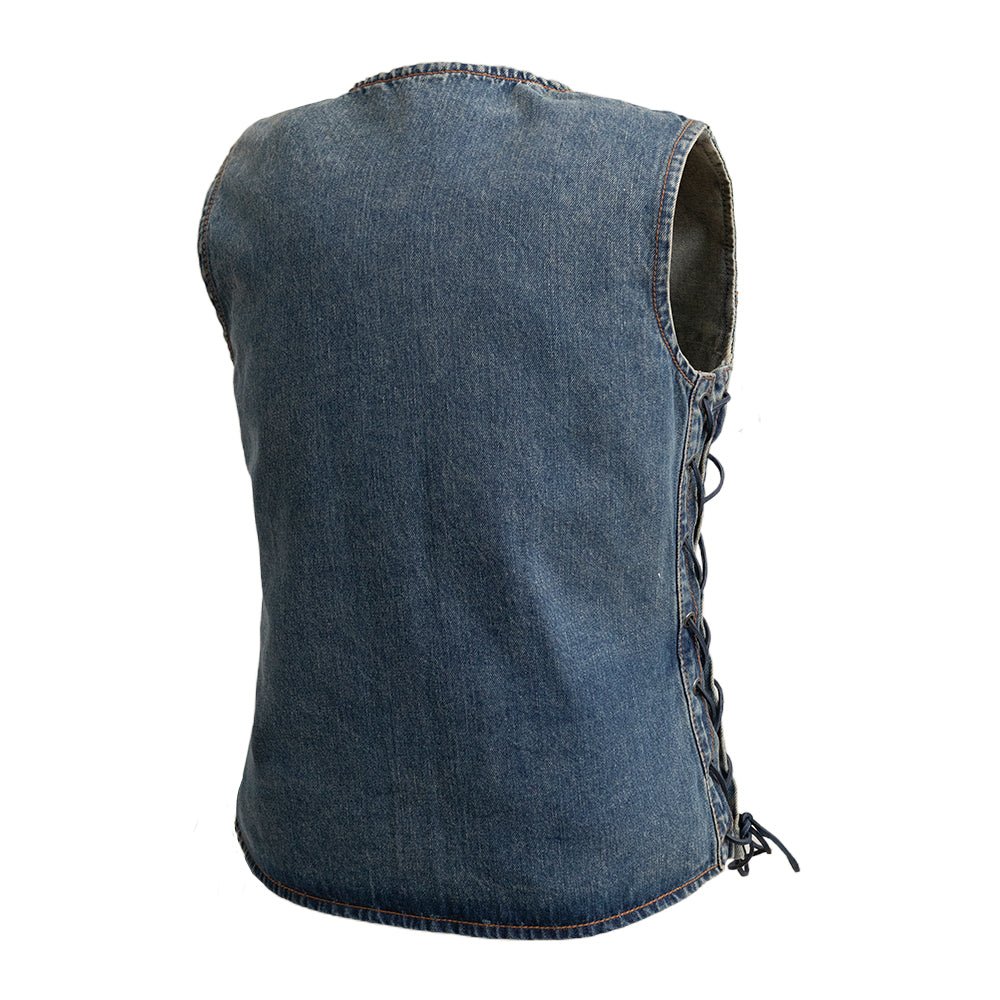
C'est là que le denim gagne sa réputation auprès des motards des climats chauds. Les gilets de moto en denim pour hommes et pour femmes dominent les journées d'été pour des raisons pratiques que la plupart des guides d'équipement n'expliquent jamais correctement. Le tissu se comporte fondamentalement différemment du cuir lorsque les conditions météorologiques deviennent extrêmes. Comprendre la science derrière la performance du denim par temps chaud vous aide à vous équiper plus intelligemment avant votre prochaine sortie estivale.
La science derrière la respirabilité du denim
Le coton denim fonctionne différemment du cuir au niveau des fibres, et cette différence est très importante, surtout lorsque les températures grimpent. En effet, les fibres de coton contiennent des structures tubulaires creuses qui traversent leur cœur. Ces canaux microscopiques permettent à l'air de traverser le tissu plutôt que de s'arrêter net à la surface. À grande vitesse sur autoroute, le vent pénètre activement les gilets de motard en denim et atteint votre peau directement. Ce flux d'air crée un refroidissement convectif, selon le même principe qui rend les ventilateurs efficaces dans notre vie quotidienne. L'air en mouvement évacue continuellement la chaleur corporelle. Votre système de refroidissement naturel fonctionne au lieu de lutter contre votre équipement.
Le cuir ne possède pas du tout ces structures creuses. Le cuir animal est composé de fibres protéiques denses et étroitement tassées. Cette densité offre une excellente protection contre l'abrasion et le vent, parfaite pour rouler par temps froid. Pendant les mois d'été, ces mêmes propriétés emprisonnent la chaleur corporelle contre votre torse sans qu'elle puisse s'échapper. La différence pratique devient évidente en quelques minutes. Le denim laisse votre corps respirer. Le cuir le fait travailler davantage.
Comment le denim gère l'humidité et la transpiration
N'oubliez pas que la chaleur seule crée des défis, et l'humidité les aggrave de façon exponentielle. Lorsque l'air est déjà saturé d'humidité, la sueur s'évapore lentement, voire pas du tout. C'est pourquoi 30 degrés Celsius en Arizona sec sont supportables, tandis que 30 degrés Celsius en Floride sont étouffants. Le système de refroidissement de votre corps dépend de l'évaporation. L'humidité le met en échec.
Le denim de coton offre une solution grâce à son action naturelle de mèche. Ces mêmes structures de fibres creuses éloignent l'humidité de la peau par capillarité. La sueur pénètre dans le tissu plutôt que de s'accumuler à la surface de votre corps. Une fois absorbée, l'humidité s'évapore de l'extérieur du tissu pendant que vous roulez. Le vent passant sur le denim humide accélère cette évaporation, créant un effet de refroidissement supplémentaire.
Les gilets de moto en denim pour femmes et pour hommes bénéficient tous deux de cette gestion de l'humidité, sans traitements spéciaux ni technologies synthétiques. Le pur coton fait le travail naturellement. Comparez cela au comportement du cuir. Le cuir absorbe également l'humidité, mais la libère extrêmement lentement. Un gilet en cuir trempé de sueur reste humide pendant des heures, parfois toute la nuit. Le denim semble souvent presque sec à votre prochain arrêt.
Des différences de poids qui comptent vraiment
Voici quelque chose que la plupart des comparaisons d'équipement négligent : le poids du tissu affecte considérablement le confort par temps chaud.
-
Alors que les gilets de motard en denim de qualité pèsent considérablement moins que le cuir. Cette différence de poids s'accumule sur des heures de conduite. Un équipement lourd appuyant sur les épaules et le torse ajoute un stress physique que votre corps doit gérer en plus de la régulation de la température.
-
Un équipement plus léger signifie moins de dépenses énergétiques. Et moins de dépenses énergétiques signifie une température corporelle plus basse. La relation semble indirecte, mais les motards qui parcourent de nombreux kilomètres en été remarquent la différence en roulant l'après-midi.
-
Le rangement s'améliore aussi. Le denim se compresse facilement dans les sacoches lorsque vous voulez enlever des couches. Le cuir conserve sa forme, quelle que soit la gêne occasionnée pour le rangement.
Choisir le bon poids de denim pour la chaleur
N'oubliez pas que tous les denims ne fonctionnent pas de la même manière lorsque les températures grimpent. Le poids du tissu, mesuré en onces par verge carrée, détermine les niveaux de respirabilité.
-
Options légères (10-12 oz) : Respirabilité maximale pour la chaleur extrême. Ces gilets permettent une circulation d'air substantielle mais sacrifient une certaine durabilité. Idéal pour les motards confrontés à des températures élevées constantes.
-
Options de poids moyen (12-14 oz) : Performance équilibrée pour la conduite sur trois saisons. Respirabilité adéquate avec une durabilité améliorée. Choix le plus polyvalent pour des conditions variées.
-
Options lourdes (14+ oz) : Mieux adaptées aux climats plus frais. Le tissage dense réduit la circulation de l'air. Gardez-les pour l'automne et le printemps.
Veuillez noter que pour la conduite en plein été, les poids plus légers font une différence de confort notable. Vérifiez les spécifications du tissu avant d'acheter si la gestion de la chaleur est importante pour vos conditions de conduite.
Caractéristiques pratiques qui maximisent le refroidissement
Au-delà du poids du tissu, certaines caractéristiques de conception améliorent les avantages naturels du denim par temps chaud. Voici ces caractéristiques pratiques expliquées :
-
Les coupes décontractées améliorent la circulation de l'air : Les gilets ajustés ont fière allure mais restreignent la circulation de l'air sous le tissu. Les coupes plus amples permettent au vent de se déplacer plus efficacement sur votre torse.
-
Les couleurs claires réduisent l'absorption de chaleur : Le denim noir absorbe plus de rayonnement solaire que les délavages plus clairs. Les options bleu moyen et gris restent sensiblement plus fraîches sous le soleil direct.
-
La quincaillerie minimale empêche les points chauds : Les grands boutons-pression métalliques et la quincaillerie décorative conduisent agressivement la chaleur. Les designs plus simples évitent de créer des points de brûlure localisés contre la peau.
Conseils pour rouler confortablement en été
Des pratiques intelligentes maximisent le confort, quel que soit le gilet que vous portez.
-
Hydratez-vous avant d'avoir soif : Un équipement respirant aide, mais rien ne remplace un véritable apport en liquide. Par conséquent, buvez régulièrement tout au long de vos trajets.
-
Planifiez vos itinéraires de manière stratégique : Les sorties tôt le matin et le soir permettent d'éviter les pics de chaleur. Les pauses en milieu de journée dans des endroits climatisés rendent les itinéraires estivaux ambitieux gérables.
-
Humidifiez intentionnellement votre gilet : Mouiller le denim avant de rouler accélère considérablement le refroidissement par évaporation. L'eau s'évapore lorsque vous bougez, évacuant activement la chaleur de votre corps.
-
Emportez des sous-vêtements de rechange : Changer de sous-vêtement imbibé de sueur lors des arrêts rafraîchit immédiatement le confort. Vos gilets de motard en denim restent également plus frais.
-
Choisissez des sous-vêtements de couleur claire : Le blanc et le gris clair réfléchissent mieux la chaleur que les t-shirts noirs. De petits choix se combinent pour faire des différences de confort significatives.
Qu'en est-il de la protection ?
C'est une question juste. Le cuir a acquis sa réputation en partie grâce à ses véritables qualités de protection. Et voici la réponse honnête : le denim offre moins de protection contre l'abrasion que le cuir, mais le contexte est très important ici !
-
Le denim épais de qualité résiste aux déchirures lors de glissades à basse vitesse. Votre torse est protégé contre l'exposition au soleil, les coups de vent et les impacts de débris. Pour les scénarios de conduite urbaine typiques, le denim offre une protection significative.
-
Le cuir conserve des avantages pour les incidents à grande vitesse où les distances de glissade augmentent considérablement. Les motards privilégiant une protection maximale devraient reconnaître ce compromis.
Cependant, la protection ne compte que si vous la portez réellement. Les gilets de moto en denim pour femmes que vous choisirez chaque matin chaud protègent mieux que les options en cuir laissées à la maison parce que la chaleur estivale les rendait insupportables.
Trouver le bon gilet de moto pour vous
Le choix entre les gilets de moto en denim pour hommes ou les options pour femmes par temps chaud se résume à l'adéquation des caractéristiques à vos conditions spécifiques. Les motards par temps de chaleur extrême devraient privilégier les tissus plus légers et les coupes décontractées. Les motards par temps de forte humidité bénéficient le plus des propriétés naturelles d'évacuation de l'humidité du coton. Ceux qui traversent des zones climatiques différentes lors de voyages uniques apprécient l'adaptabilité du denim grâce à de simples changements de couches.
Notre collection comprend des options conçues spécifiquement pour les performances par temps chaud, des poids plus légers, une construction respirante et des caractéristiques pratiques répondant aux exigences réelles de la conduite estivale.
Roulez au frais, roulez plus
Le temps chaud et humide ne devrait pas mettre fin à votre saison de moto ni vous obliger à des compromis inconfortables. La respirabilité naturelle du denim, sa gestion de l'humidité et son poids plus léger créent de véritables avantages en termes de performances lorsque les températures grimpent.
Les bons gilets en denim vous protègent sans vous faire surchauffer à l'intérieur de votre équipement. Ce confort se traduit directement par plus de kilomètres, des saisons plus longues et de meilleures expériences sur deux roues. La conduite estivale devrait ressembler à la liberté, pas à la survie. Choisissez un équipement qui fonctionne avec la météo plutôt que contre elle.