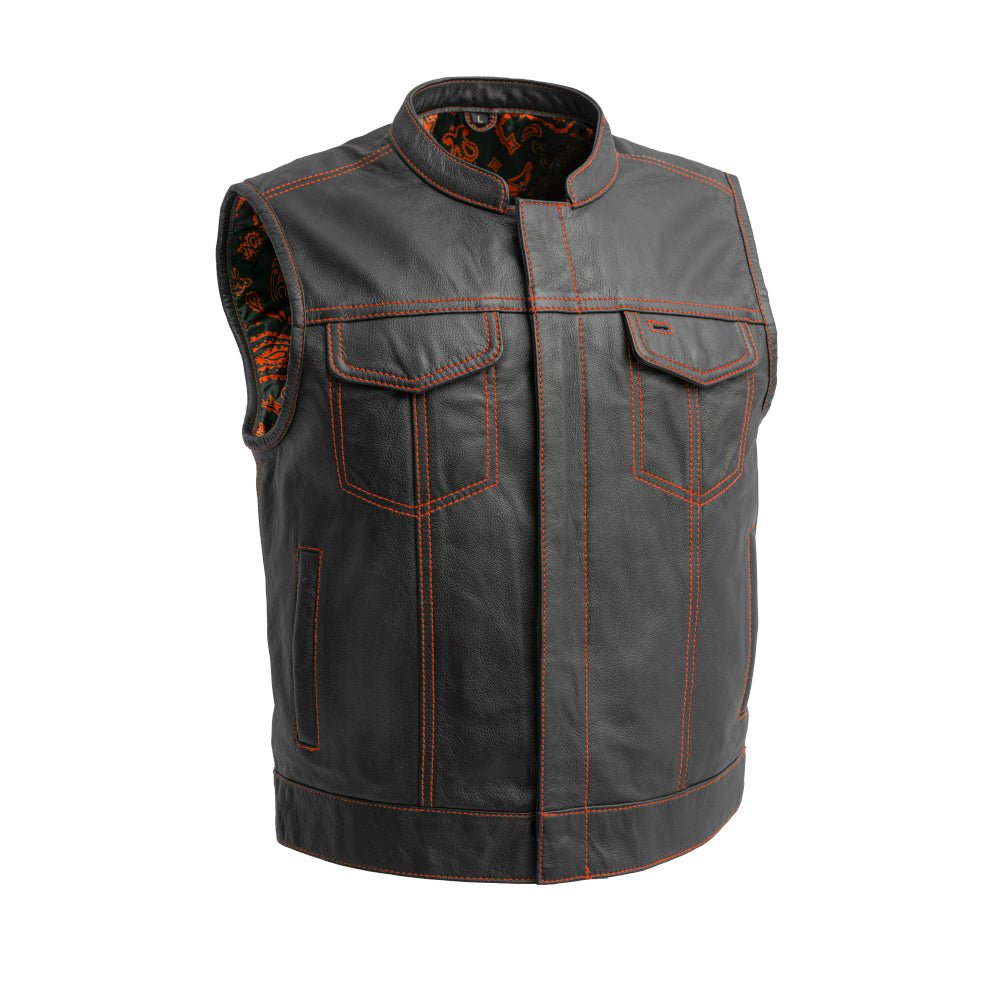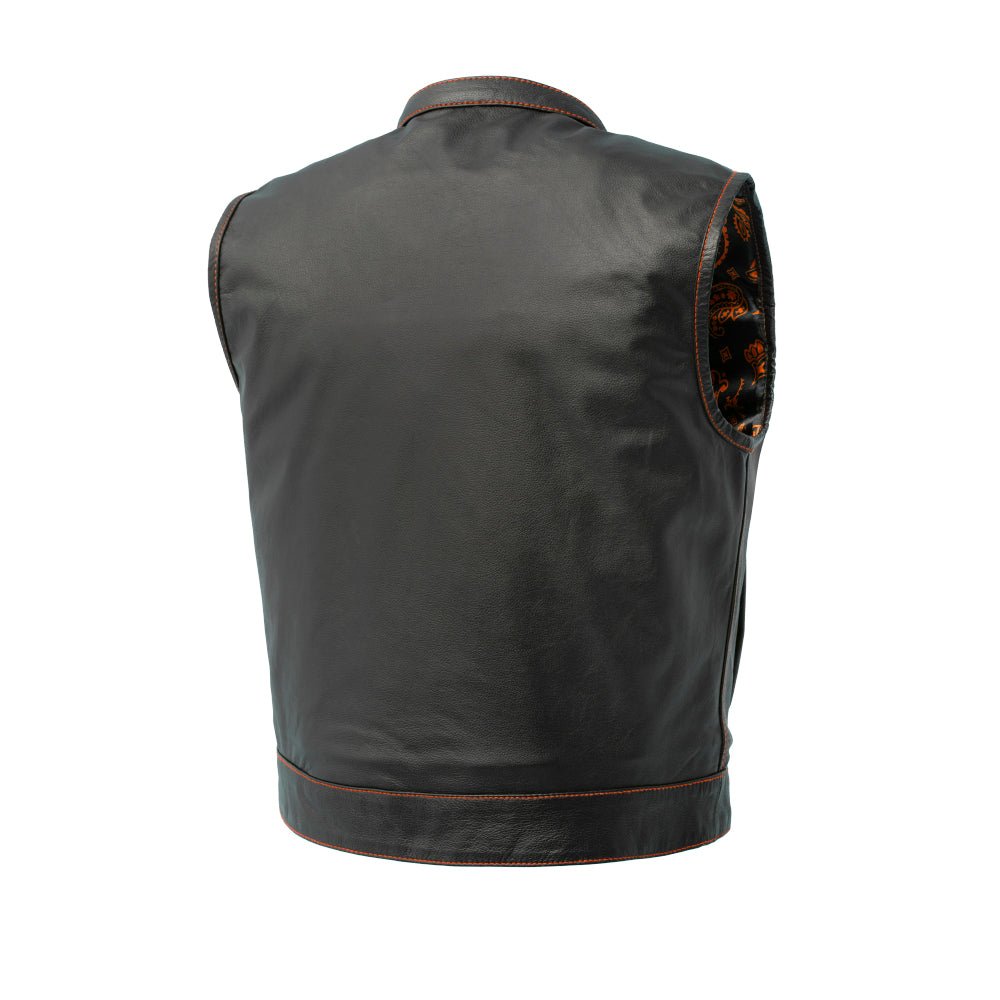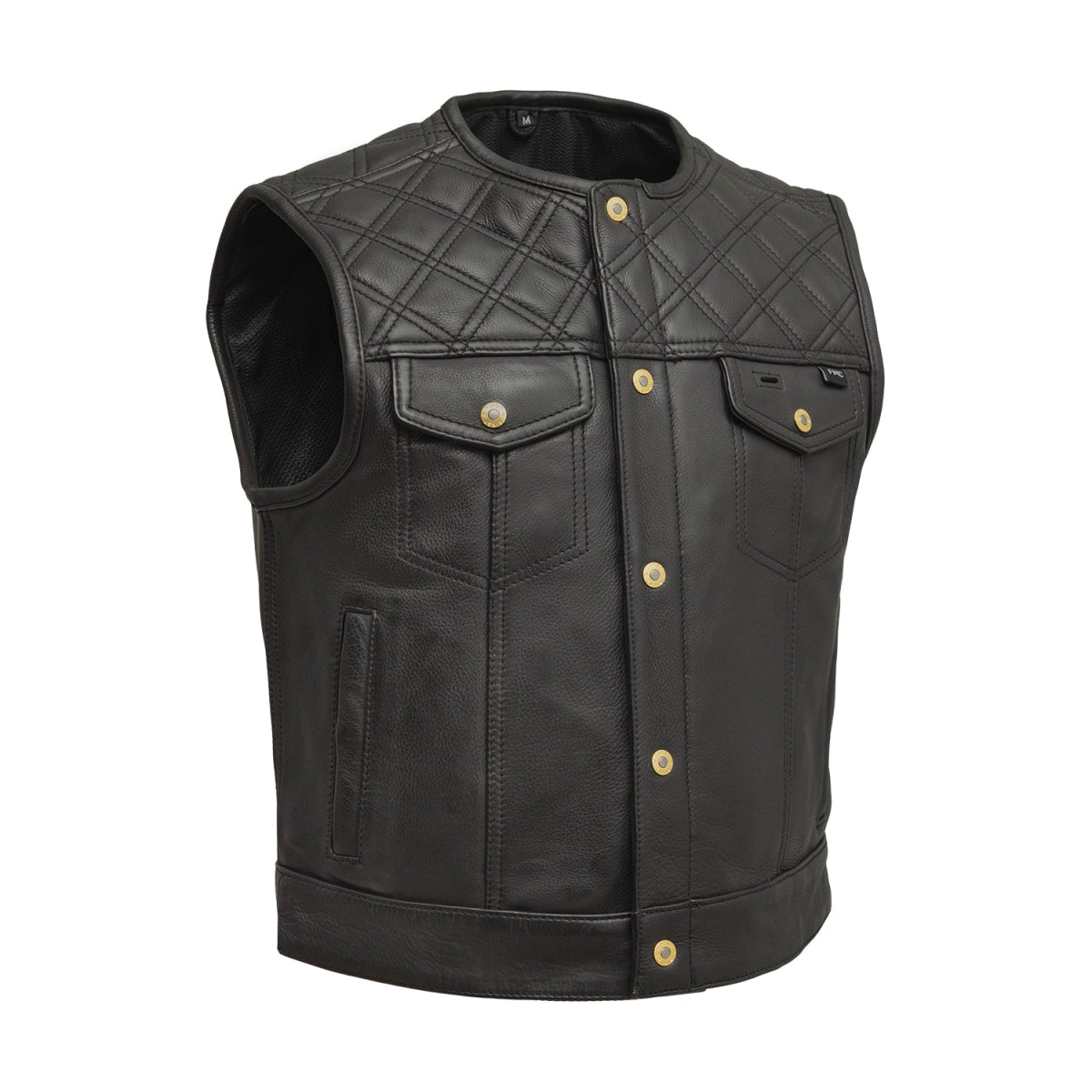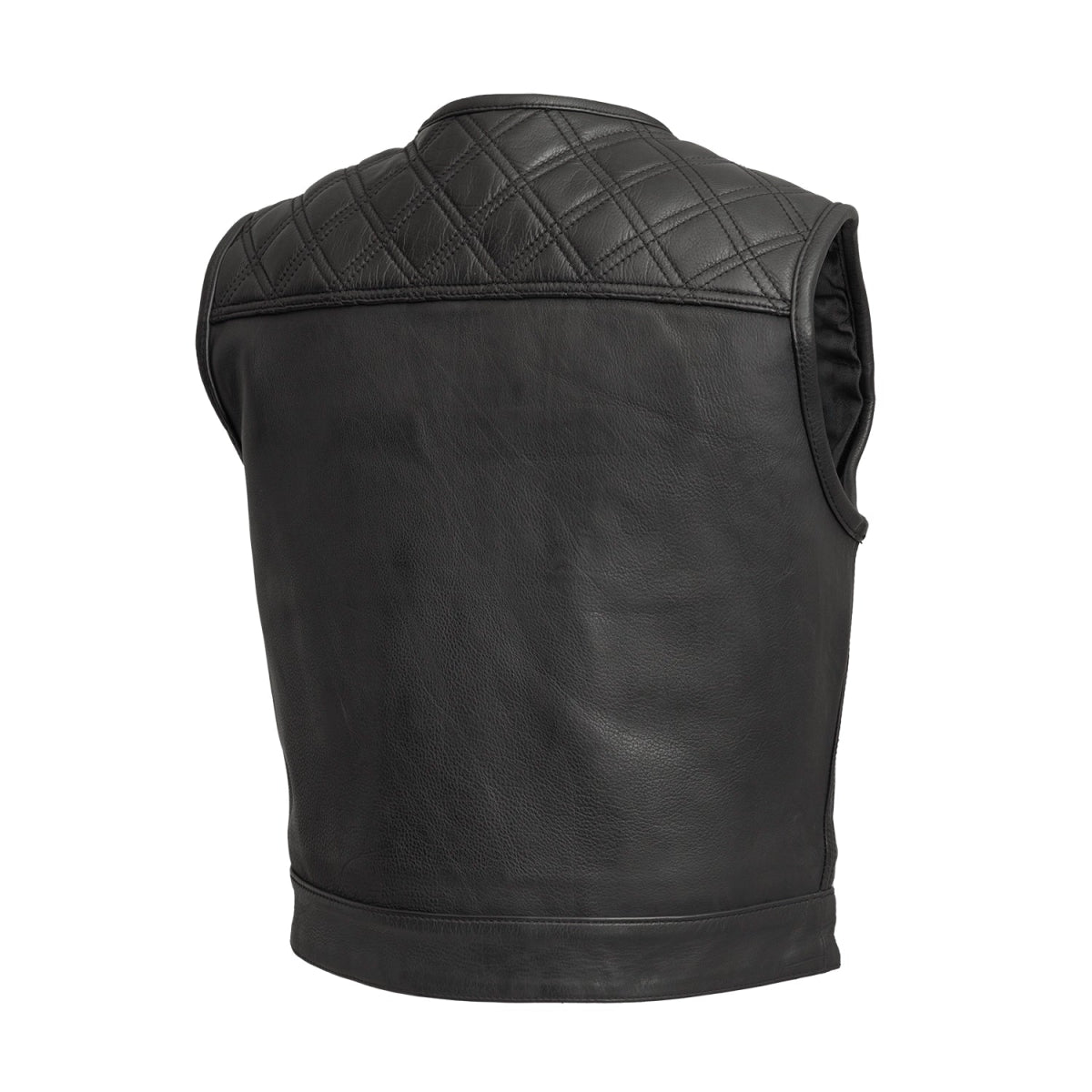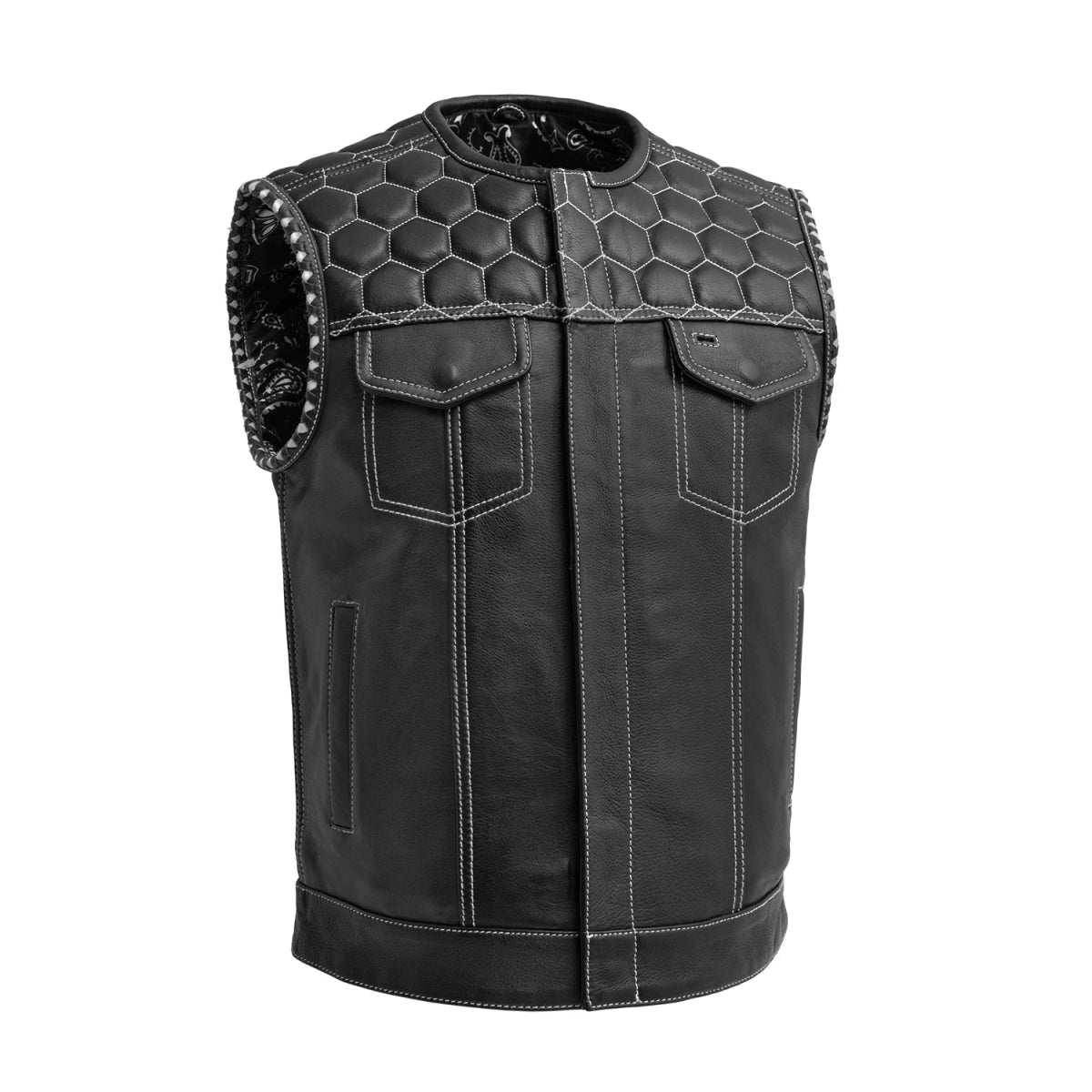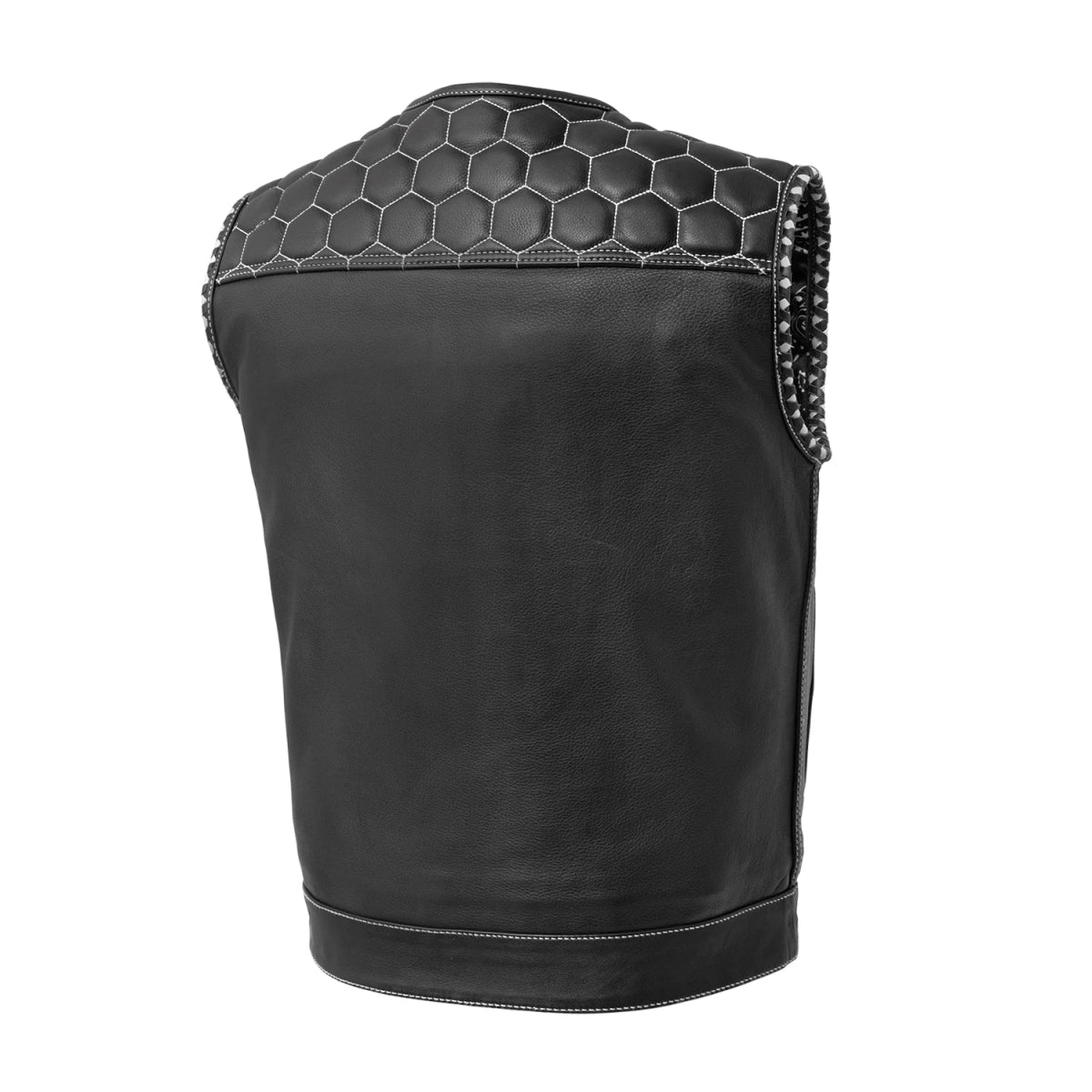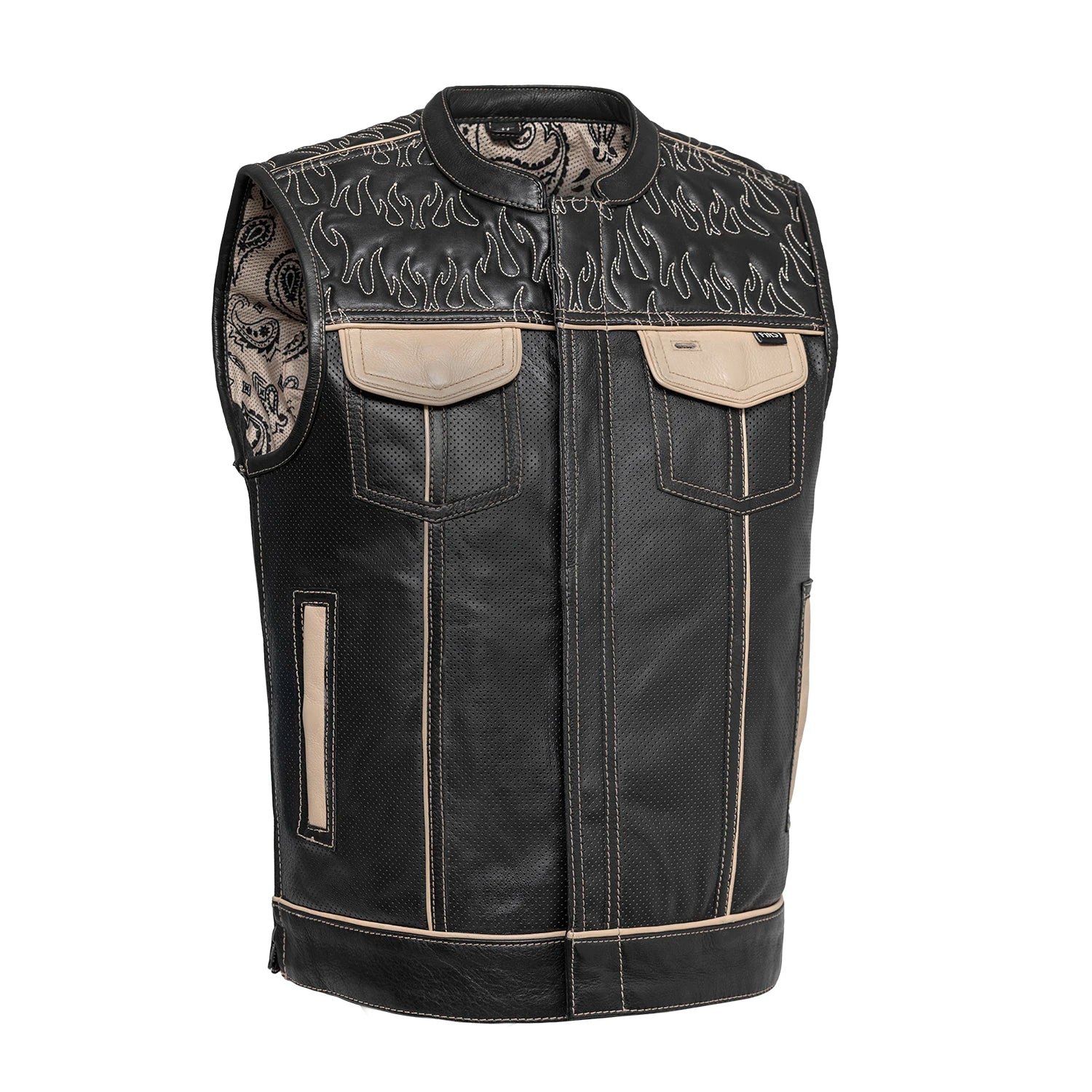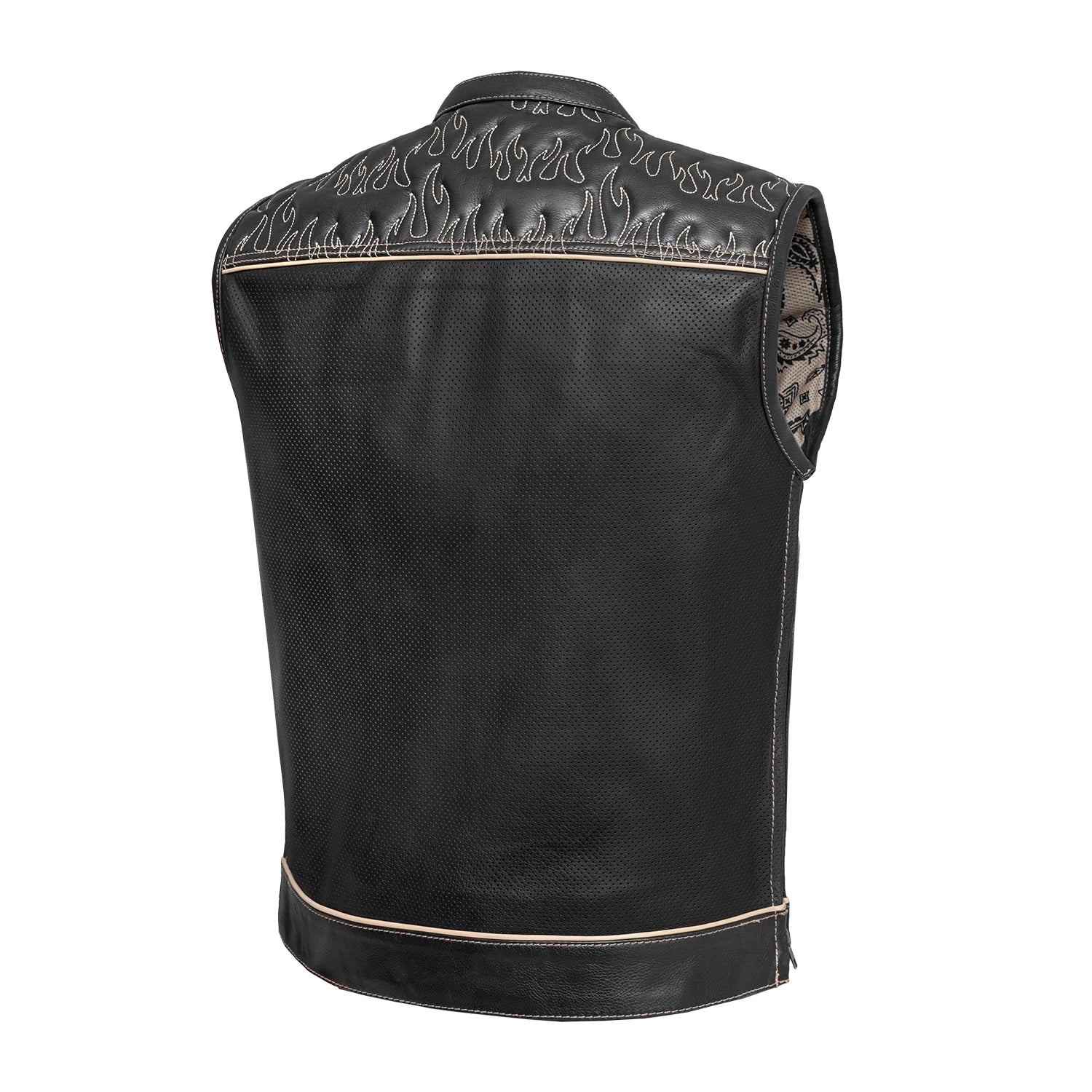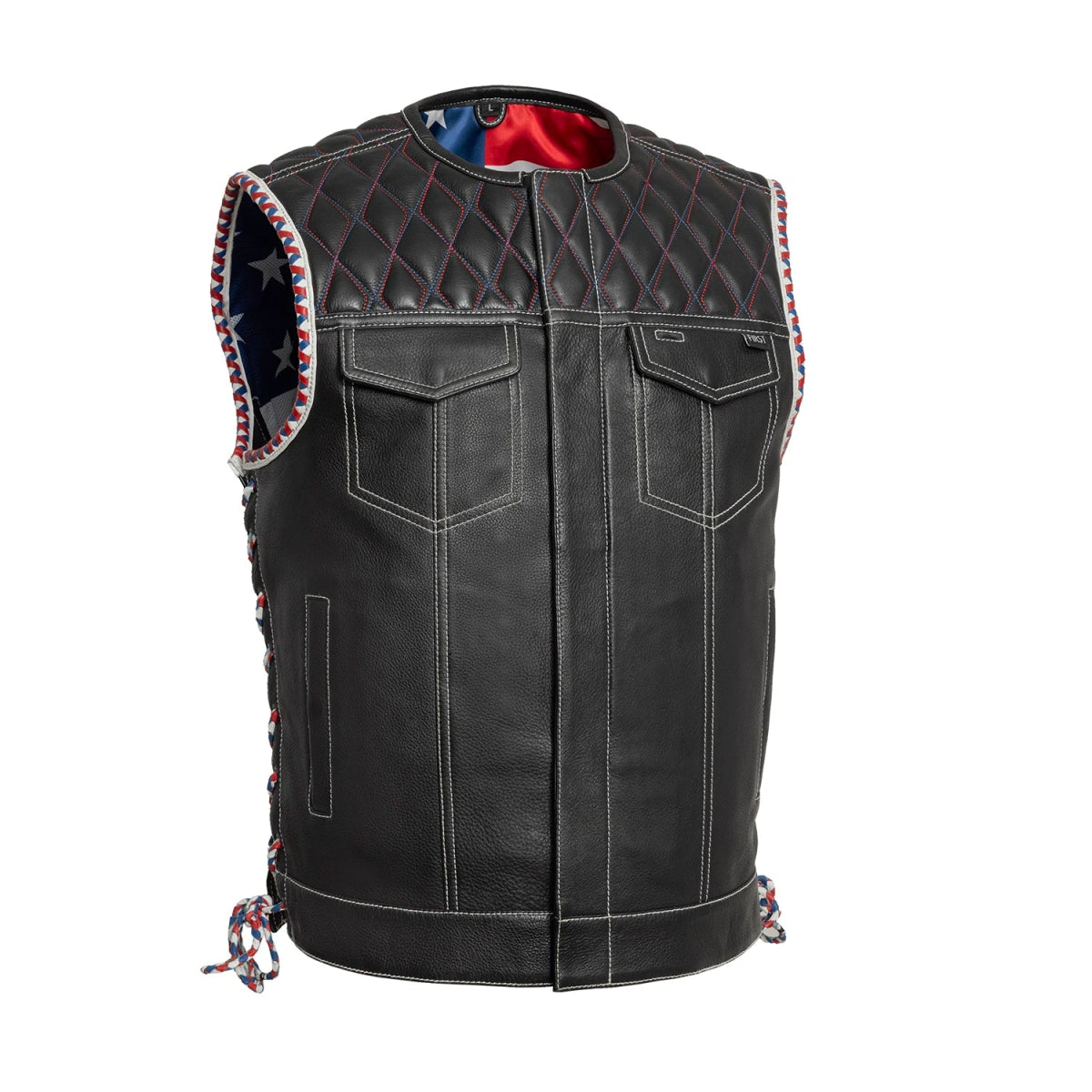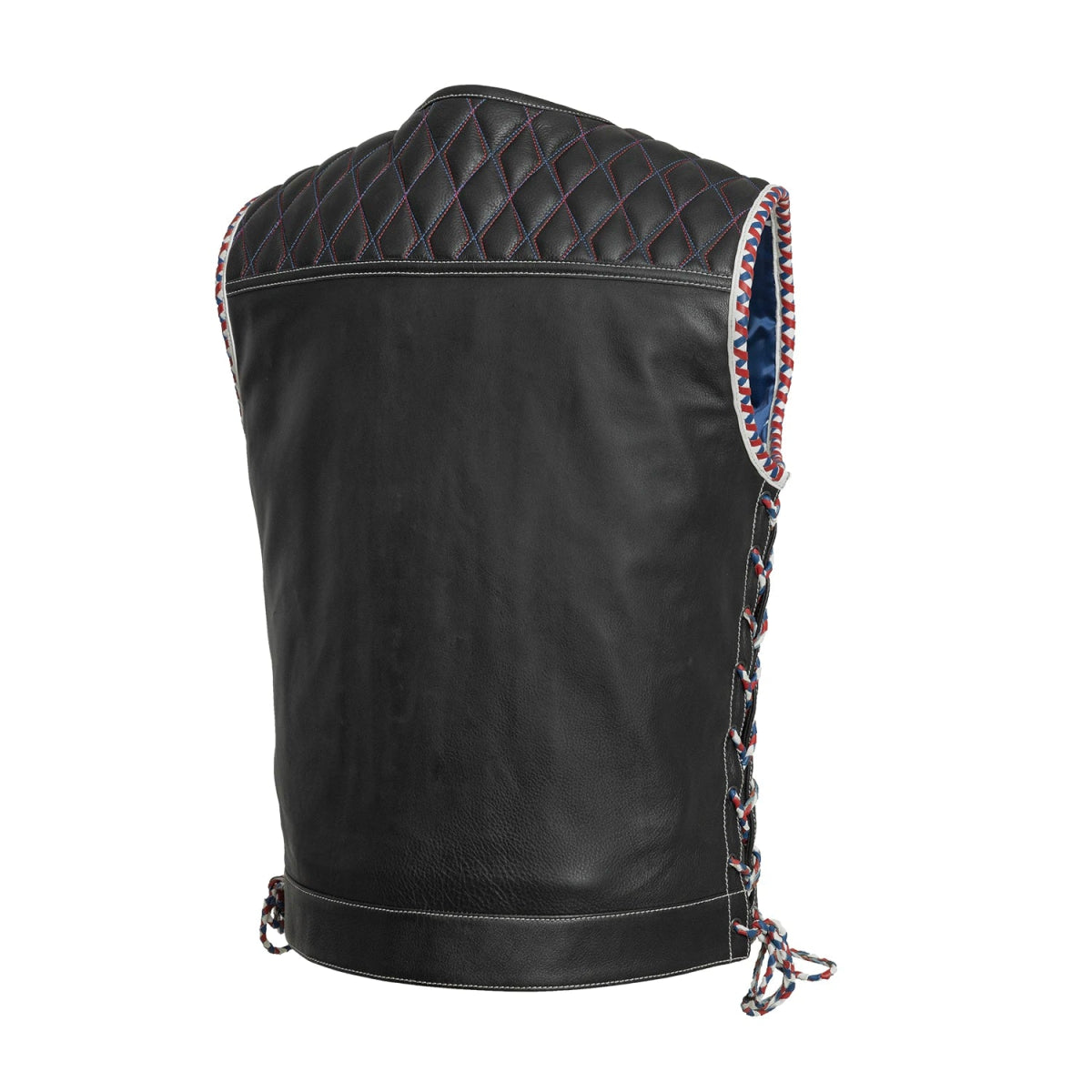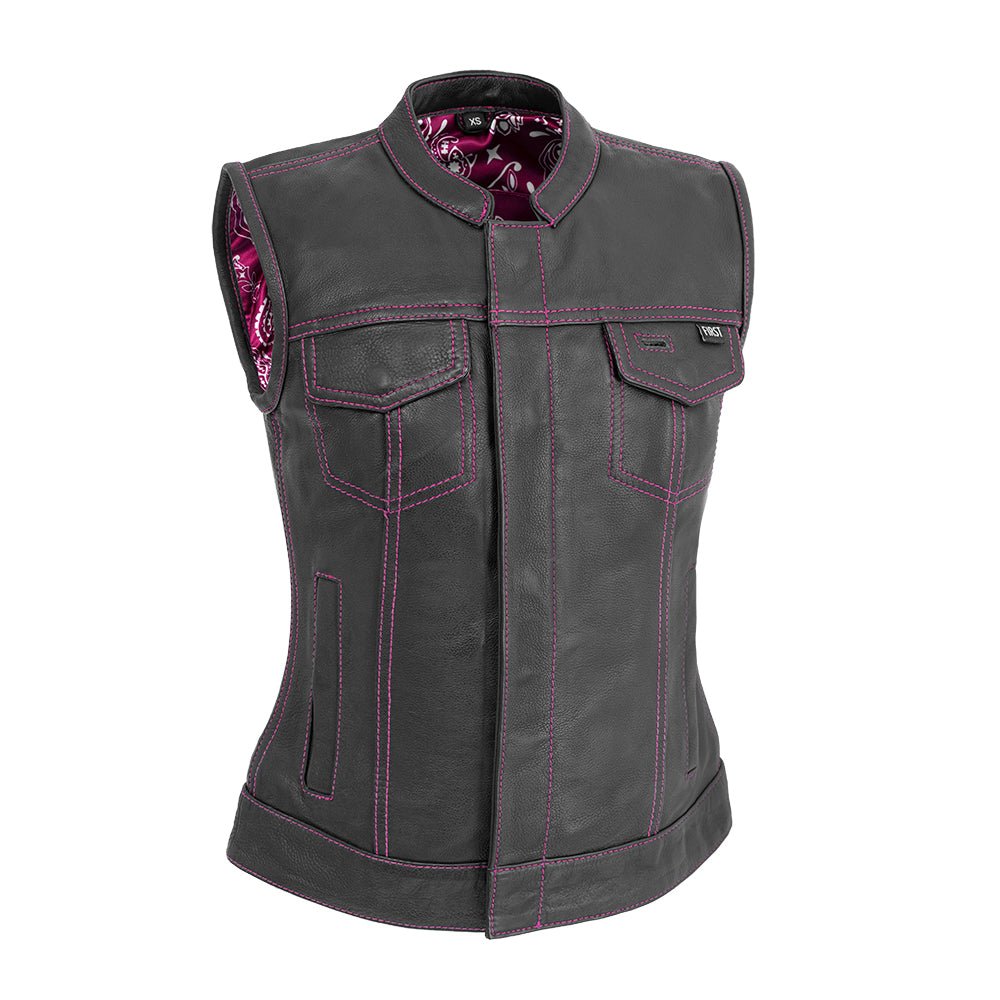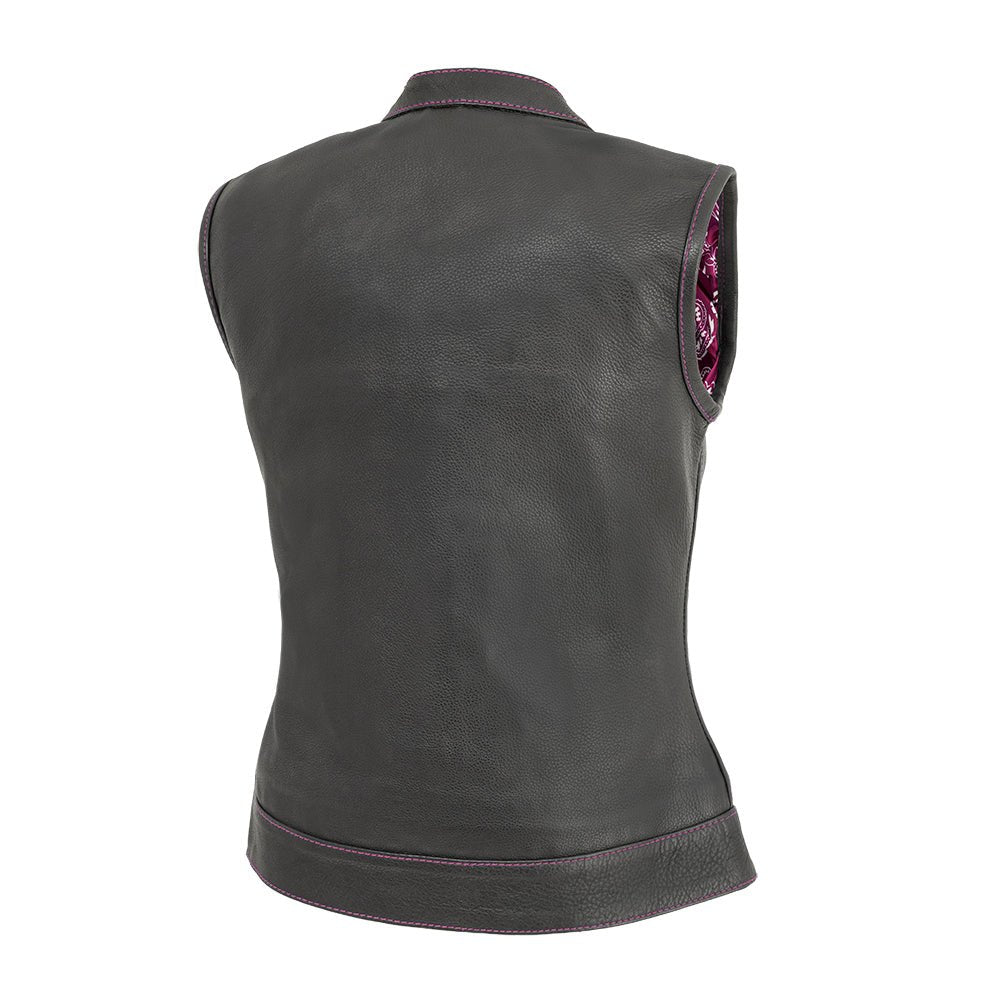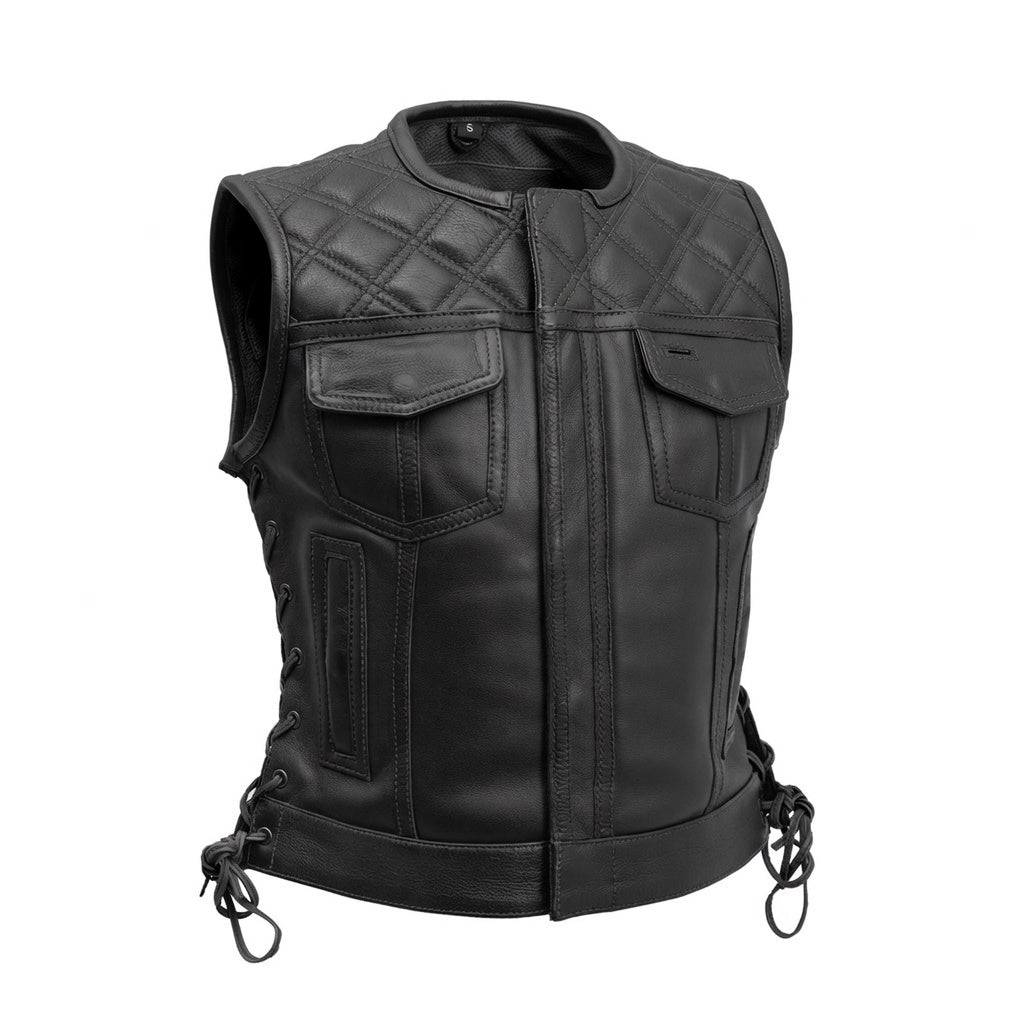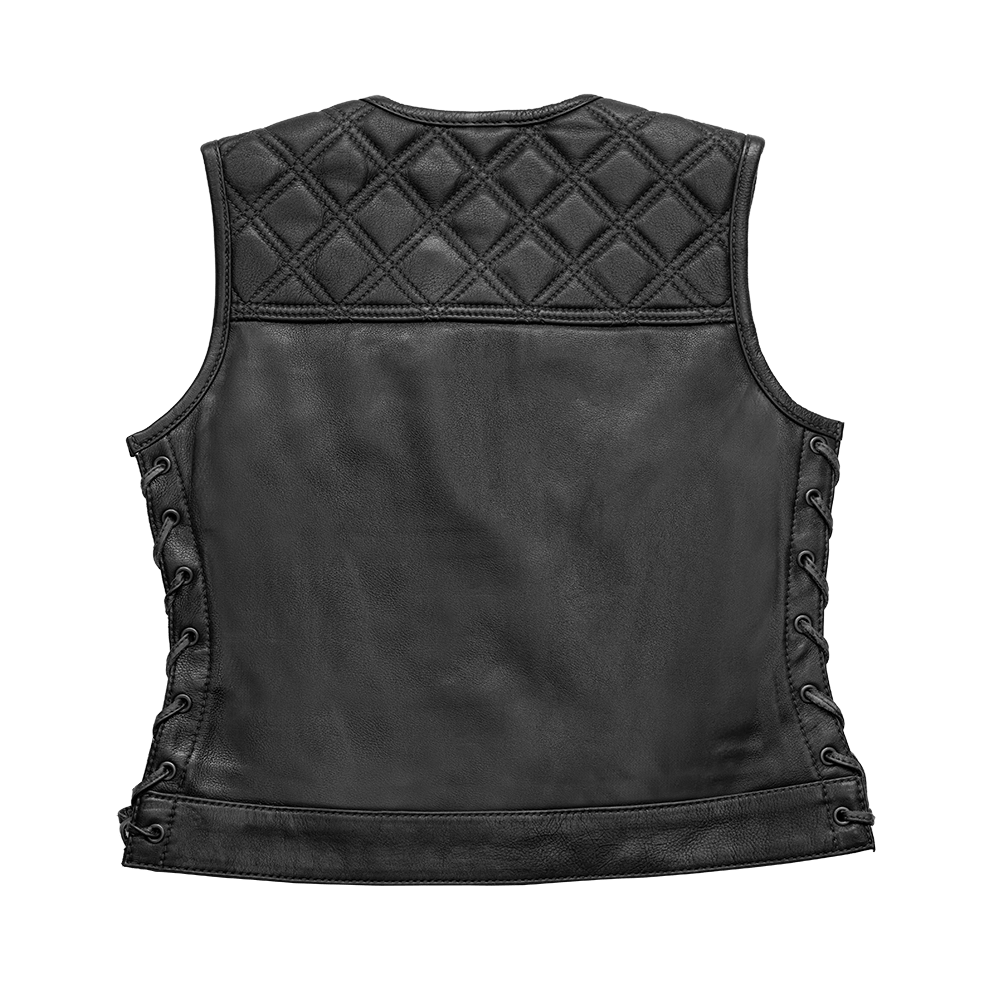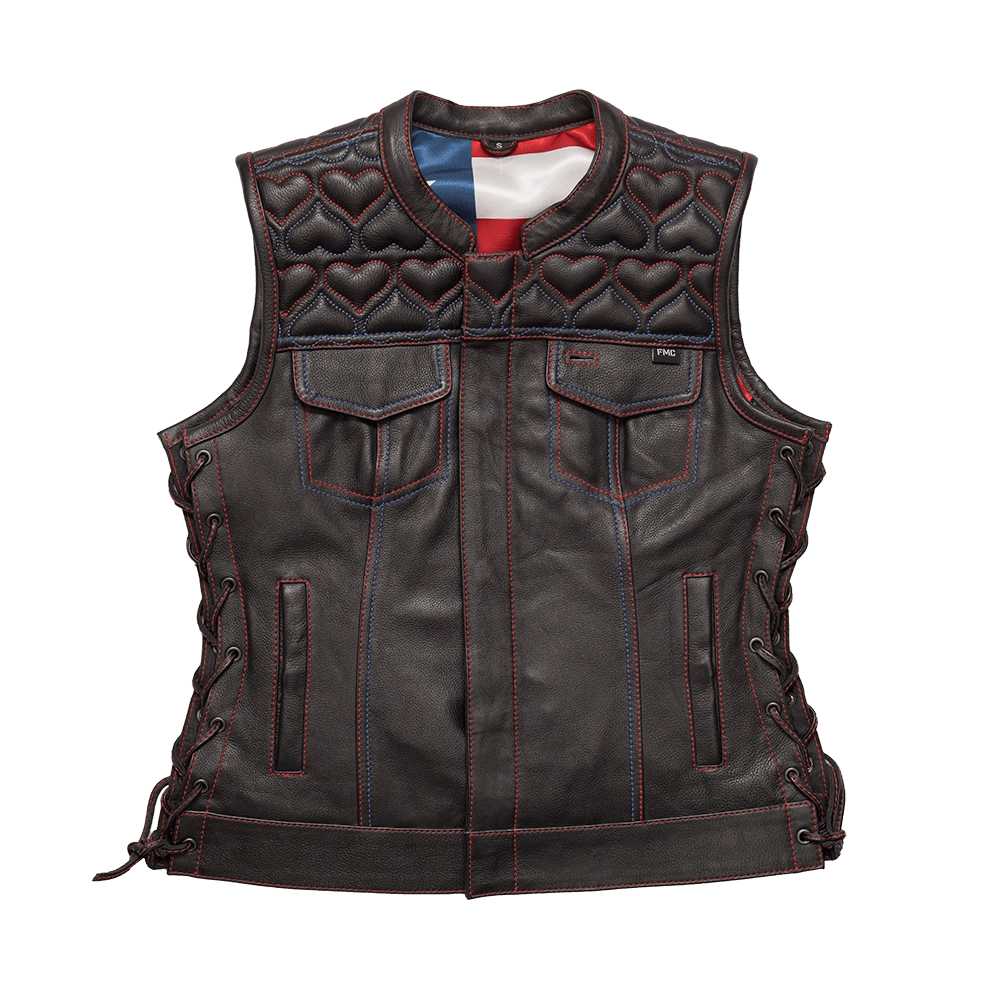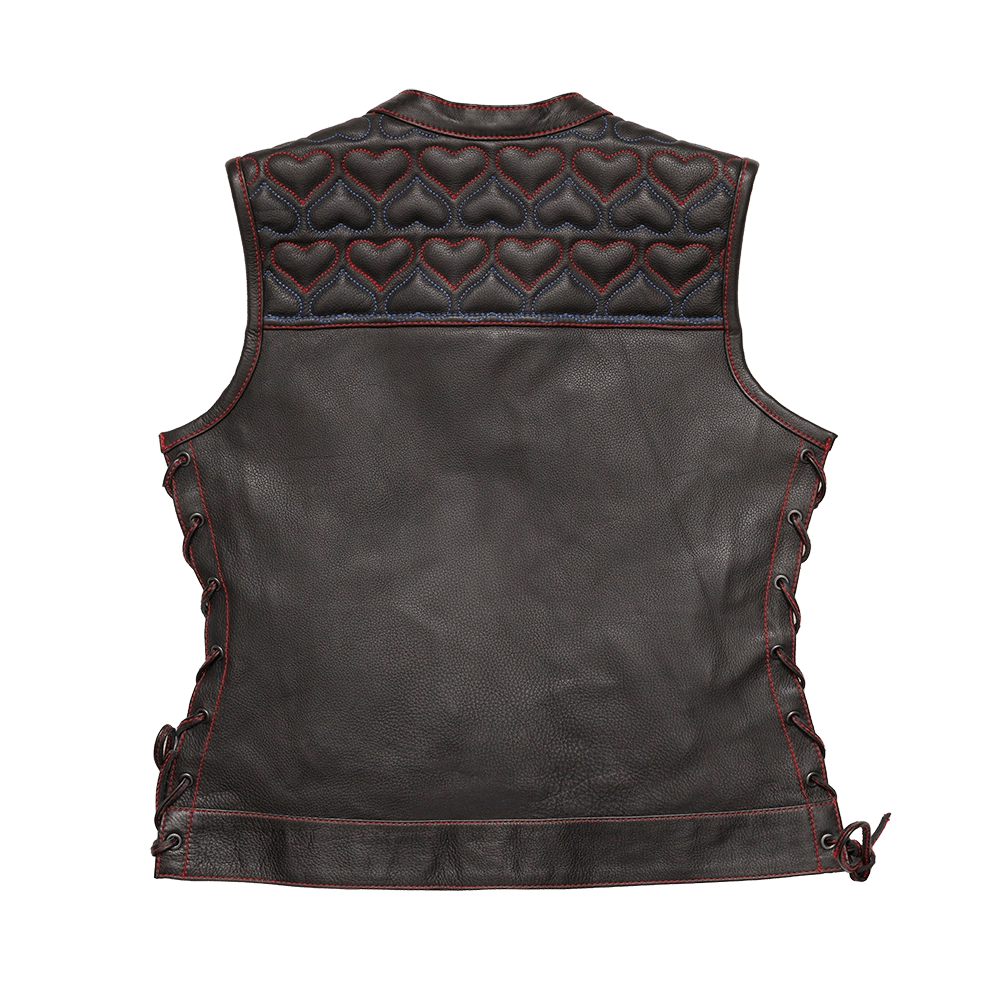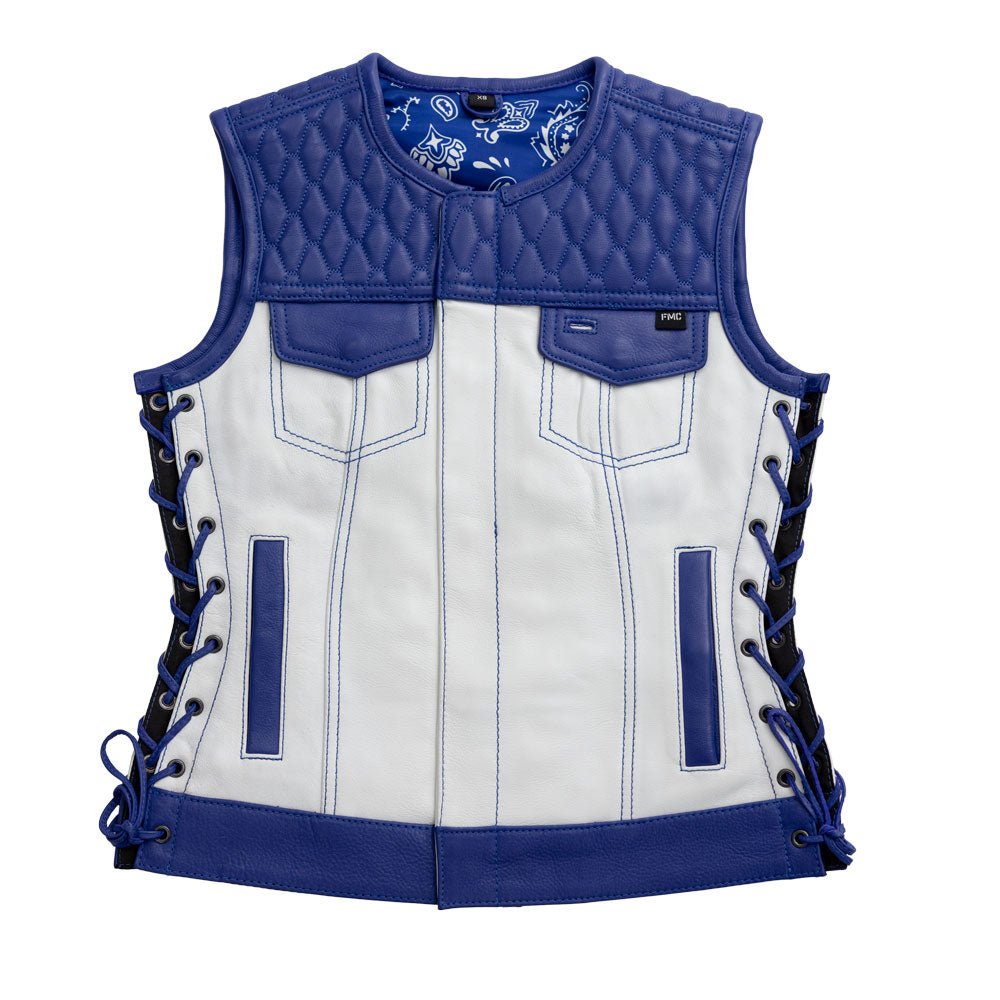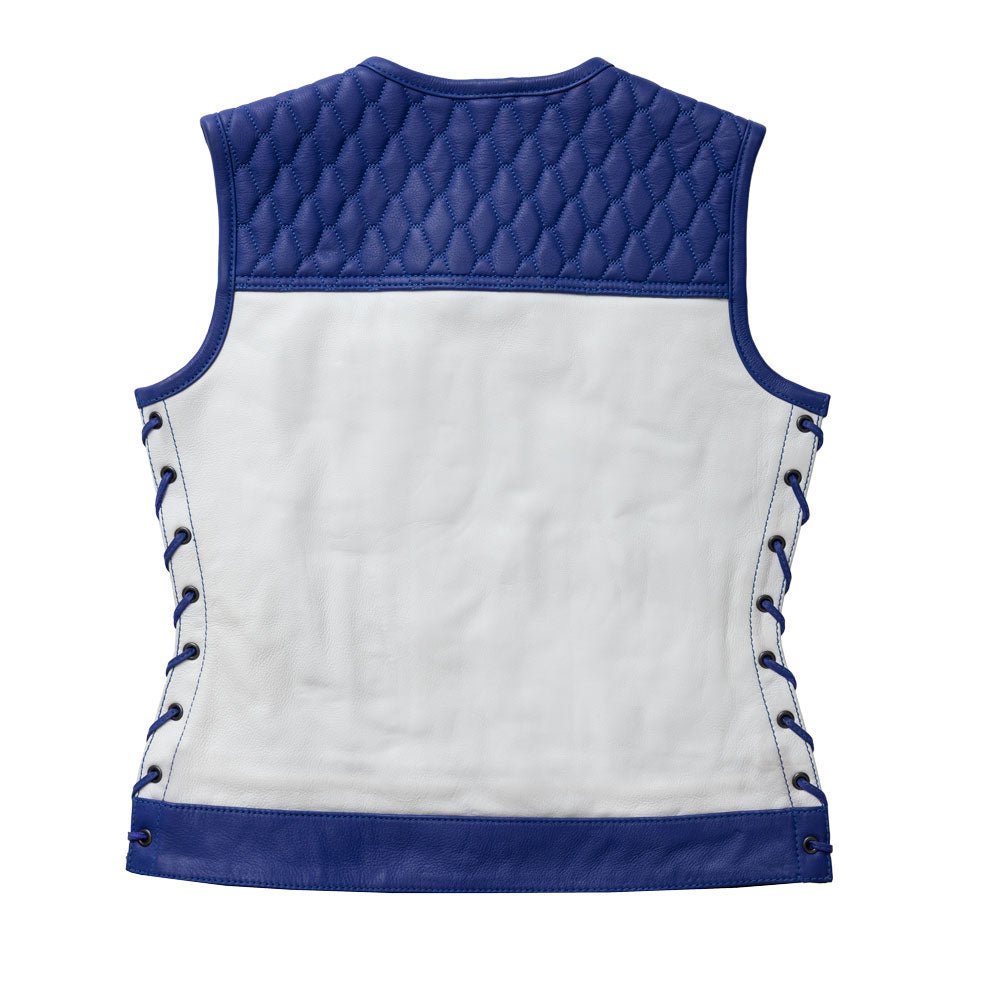

The best way to soften leather vest material safely is to wear it regularly, flex it by hand, and apply a small amount of quality leather conditioner only if the hide feels dry. Most full-grain cowhide vests need roughly two to four weeks of regular wear to loosen up, while denser hides such as horsehide can take a full riding season. Light dampening, gentle steam and a leather softening kit can speed things up. Avoid dryers, hairdryers, direct sun, rubbing alcohol and heavy oil soaking.
A new leather vest can feel like wearing a cardboard box. The armholes bite, the panels won’t bend, and the whole thing sits on your torso like armor. A soft leather vest is the goal, and it is easier to reach than you think. Here is the good news: on a well-made vest, stiffness is usually a stage, not a flaw. Dense, tightly packed hide fibers are exactly why a quality vest lasts for decades, and those same fibers loosen up with the right treatment.
This guide explains why leather vests get stiff, which leather types are the toughest to break in, and the safest ways to soften a leather vest, whether you are turning a brand-new stiff vest into a soft leather motorcycle vest or reviving an older one that has been sitting in a closet. We also cover the popular “hacks” that quietly damage leather, so you don’t trade a stiff vest for a ruined one.
Why Is My Leather Vest So Stiff?
Leather is a natural material made of collagen fibers. During tanning, those fibers are stabilized so the hide doesn’t rot. That process, along with finishing, is what makes a new leather firm. Several things can make a vest stiffer than it should be:
-
Thick or dense hide: Heavy cowhide, buffalo and horsehide are built for abrasion resistance and are naturally rigid when new. A thicker hide (measured in ounces or millimeters) takes longer to break in.
-
Tanning method: Vegetable-tanned leather is typically firmer at first than chrome-tanned leather, which tends to feel softer out of the box.
-
Leather grade: Full-grain leather keeps the entire grain layer and is the toughest, so it usually needs the longest break-in. Top-grain is sanded and splits are thinner, so they feel more flexible early on.
-
Dryness: Over time, leather loses the natural fats and moisture that let fibers slide past one another. Dry air, heating, hot cars and sun exposure speed that up.
-
Poor storage: Plastic bags, humid basements, tight closets and long-term folding all stiffen leather. Ideal storage is a cool, dry space with moderate relative humidity (around 40 to 50%).
-
Getting wet and drying badly: Rain followed by a radiator, a dryer or direct sun pulls out oils and leaves the hide hard and brittle.
-
Wrong size: A vest that is too tight is forced to stretch beyond its comfortable limit, which can make it feel stiff and cause strain at the seams and armholes. Women riders should look for womens leather vests cut for their proportions rather than a smaller men’s pattern.
-
Age: Even excellent leather eventually dries out and loses flexibility if it is never maintained.
Know Your Leather Before You Soften It
Not all hides respond the same way. Identify what you are working with first, because the right method for a thick cowhide biker vest can be wrong for a lambskin fashion vest.
|
Leather type |
How stiff is it when new? |
Typical break-in |
Notes |
|
Cowhide (full-grain) |
Stiff |
About 2 to 4 weeks of regular wear |
The most common motorcycle vest leather; tough and durable |
|
Horsehide |
Very stiff |
Up to a full season |
Dense and long-lasting; patience pays off |
|
Buffalo |
Stiff, thick |
Several weeks |
Rugged texture, less processed look |
|
Goatskin |
Moderate |
Short |
More flexible than cowhide, good abrasion resistance |
|
Deerskin |
Soft |
Minimal |
Naturally supple, but less abrasion resistant |
|
Lambskin |
Very soft |
Little to none |
Buttery, so a soft lamb leather vest feels comfortable right away, but it scratches easily |
|
Kangaroo |
Thin, strong |
Short |
Used in performance gear |
|
Suede / nubuck |
Soft |
Minimal |
Needs a dedicated suede/nubuck product; cream conditioners mat the nap |
|
Bonded / faux leather |
Varies |
Doesn’t really soften |
Softening can’t rescue scrap-based or synthetic material |
Before You Start: Prep Your Vest
Good preparation prevents most softening mistakes.
-
Clean the vest first: Dust it with a soft brush or dry microfiber cloth. If it is truly dirty, use a leather-safe cleaner or saddle soap on a barely damp cloth. Dirt trapped under oil or conditioner can discolor the hide and encourage mildew.
-
Let it dry naturally: Air dry at room temperature, away from radiators, heaters and sun.
-
Inspect the leather: Look for cracks, white or pale lines at folds, mold, and loose stitching. Cracked leather needs repair, not just softening.
-
Check the hardware and extras: Snaps, zippers, buckles, studs and sewn-on patches shouldn’t get conditioner or oil on them. Keep products off linings and patches, which can stain.
-
Spot test: Apply any product to a hidden area (inside the hem or under the arm) and wait at least an hour, ideally overnight, to check for darkening or discoloration.
-
Read the care label: Manufacturer instructions come first, especially on finished or coated leather.
-
Use clean hands or gloves: Soft cloth or sponge applicator.
10 Safe Ways to Soften a Leather Vest
1. Wear It Regularly (The Most Reliable Method)
Body heat and movement are the best natural softeners, and for most riders this is the best way to soften leather vest panels without any products. Leather warms against your torso and molds to your shoulders, chest and back. Start with short wear sessions at home or on errands, then work up to longer sessions and eventually full rides. Looking for outfit ideas while you break it in? See how to style a leather vest for different looks. Most full-grain cowhide vests need two to four weeks of regular wear. Thicker hides take longer, and the process is faster where the leather flexes most, such as the armholes and sides.
Risk level: None. Best for: all real leather.
2. Layer Underneath to Stretch the Fit
Wear a thick hoodie or heavy sweater under the vest. The extra bulk gently pushes the leather outward across the chest, shoulders and back, helping it stretch to a more comfortable fit. Do this only if the vest is a little tight, not a size too small. If you’re unsure whether your vest fits properly, check our guide on how a motorcycle vest should fit before trying to stretch it.
Risk level: Low. Best for: vests that fit snugly but properly.
3. Flex and Knead It by Hand
Like breaking in a baseball glove, working the leather with your hands loosens fibers without any products. It is how many riders turn a stiff vest into a soft leather biker vest. Roll the vest loosely, squeeze the panels, bend the armholes and side panels, and open and close the front repeatedly. When you are wearing it, add arm swings, shoulder rolls, torso twists and stretches to flex the armholes and panels.
Risk level: None, if you go slowly. Best for: stiff spots and new vests.
4. Apply a Quality Leather Conditioner
Leather conditioner replaces the fats and moisture that let fibers glide, which is why conditioned leather drapes and dry leather creases into hard folds. Conditioner is the most widely recommended product-based method, but more is not better. Used correctly, it is also how soft leather vests stay supple for years.
How to apply:
-
Put a small amount (about a dime’s worth) on a clean, soft cloth, never directly on the vest.
-
Rub it using thin, circular motions across a full panel so you don’t create blotchy patches.
-
Pay extra attention to stiff areas such as the armholes, sides and shoulders.
-
Let it absorb for several hours or overnight, then buff off any excess with a dry microfiber cloth.
-
Judge the result the next day, not immediately, and repeat only if needed.
Most vests only need conditioning every 3 to 6 months, or when the leather looks or feels dry. Choose a formula made for finished full-grain or top-grain leather. Lanolin and beeswax-based formulas are common choices. For suede and nubuck, use a dedicated suede product.
Quick dryness test: Press your thumb into a flat panel and release. Healthy leather springs back quickly; dry leather holds the dent. Also flex a corner gently. Fine, pale lines in the fold are an early sign of dryness.
Risk level: Low if used sparingly. Best for: dry or older vests, and as maintenance after other methods.
5. Try the Light Dampening Method (With Caution)
A small amount of moisture relaxes leather fibers so the vest can mold to your body as it dries. This is the idea behind the old “wear it in the rain” trick, but you can do it more safely at home.
-
Fill a spray bottle with distilled water (it avoids mineral spots).
-
Lightly mist the vest or wipe it with a barely damp cloth. The leather should be cool and slightly damp, never wet.
-
Blot any excess with a dry cloth.
-
Wear the vest while it dries, flexing your arms and torso.
-
Let it dry fully at room temperature, away from heat.
-
Once completely dry, apply a thin layer of conditioner to replace lost moisture.
Do not soak the vest. Too much water can cause stains, water rings, color loss, rough texture and brittleness once it dries. Avoid this method on waxed, coated or suede leather, and always spot test first.
Risk level: Medium. Best for: stubborn vests when time is short.
6. Use a Garment Steamer (Gentle Steam Method)
Instead of a hot bathroom, use a handheld garment steamer for more controlled, targeted steam. The steam relaxes the fibers so stiff areas flex more easily.
-
Fill the steamer with distilled water to prevent mineral spots, and set it to low or medium steam.
-
Hang the vest on a padded hanger and test a hidden area first.
-
Hold the steamer head 6 to 8 inches (15 to 20 cm) from the leather and keep it moving. Never let it touch the vest or sit in one spot.
-
Steam stiff areas such as the armholes, side panels and creases for a few seconds at a time. The leather should feel warm and barely damp, never wet.
-
While it is still warm, gently flex and knead the steamed areas by hand, or wear the vest for a while so it molds to your body.
-
Let it dry fully on the padded hanger at room temperature, away from heaters and sun.
-
Once dry, apply a thin layer of conditioner to replace lost moisture.
Skip steaming on suede, nubuck, waxed or heavily coated leather, and keep steam away from patches, adhesives and glued trims. Don’t use a clothes iron on leather.
Risk level: Medium. Best for: mild stiffness and creases.
7. Use a Leather Balm or Softening Spray
Leather balms are thicker, wax-based products that moisturize and protect. Softening sprays are lighter and quick to apply. Follow the product directions, use a small amount, and spot test first. Balm is helpful on stiff edges, armholes and seams. Warming the balm between your hands (not with a hairdryer) helps it spread.
Risk level: Low to medium. Best for: targeted stiff areas and ongoing care.
8. Use a Leather Softening and Conditioning Kit
A leather care kit bundles the products you need into one set, which takes the guesswork out of choosing and pairing them. Most kits include a leather cleaner, a conditioner or softener, an applicator sponge or pad and a microfiber cloth, and some add a protectant or a soft brush. Well-known leather care brands such as Lexol, Leather Honey, Chamberlain’s Leather Milk and Bick 4 sell cleaners, conditioners and care kits for finished leather.
How to use a kit:
-
Brush off dust, then clean the vest with the leather cleaner from your kit, following our full guide on how to clean a leather vest, and let it air dry completely.
-
Spot test the conditioner or softener on a hidden area.
-
Apply a small amount with the applicator in thin, circular motions, focusing on stiff areas like the armholes and sides.
-
Let it absorb for 12 to 24 hours, or as the label directs.
-
Buff off any residue with the microfiber cloth.
-
If the kit includes a protectant, apply it last, then keep wearing the vest to continue breaking it in.
What to look for in a kit: a formula made for finished full-grain or top-grain leather (or specifically for suede or nubuck if that is your vest), leather-safe softening ingredients such as lanolin or beeswax, and no harsh solvents. Follow the label for how often to use it, and don’t layer several different conditioners on top of each other.
Risk level: Low. Best for: beginners, new vests and regular maintenance.
9. Use Natural Oils Sparingly (Know the Trade-Offs)
Natural oils are one of the most commonly recommended home options, but they are also the most debated. Oils can restore flexibility to dry leather, but they can also darken the hide, leave an oily surface, attract dirt and over-soften the leather.
-
Neatsfoot oil and mink oil: Traditional leather oils. Both can darken leather noticeably, especially lighter colors. Mink oil also adds water resistance and can make leather quite soft, which isn’t ideal for a structured vest.
-
Coconut, olive, jojoba and avocado oil: Popular household choices. They can soften leather temporarily, but they aren’t formulated for it. Some tanneries advise against them because they may leave residue, change the leather’s feel, and in the case of food oils, go rancid over time.
If you choose oil, apply a very small amount with a cloth, work it evenly across the panel, let it absorb overnight, and buff off excess. Always patch tests. Avoid oiling vests that already feel soft, vests with a finished or coated surface, and suede.
You may also see advice to leave the vest in the sun before applying oil. Skip this. Sunlight does not “open the pores” and can cause fading, uneven color and drying.
Risk level: Medium to high. Best for: very dry, unfinished or oil-tanned leather, with a spot test first.
10. Get Professional Help
For an expensive vest, a rare hide such as horsehide, a vest with deep stiffness or early cracking, or a vest with delicate finishes, take it to a leather care specialist or the maker. Professionals can condition, relax and reshape leather and, if needed, adjust the fit without risking damage.
Risk level: Lowest for high-value pieces. Best for: valuable or damaged vests.
Methods to Avoid When Softening a Leather Vest
Some popular tips do more harm than good. Here is what to skip.
-
Rubbing alcohol and Vaseline: Alcohol is a solvent. It can strip dye and finish and remove the natural fats you’re trying to restore. Petroleum jelly leaves a greasy residue that attracts dirt, can darken the hide, and is hard to remove. It may feel softer for a day, but the vest ends up drier, darker or tackier over time.
-
Hairdryers, heat guns and ovens: Direct heat dries the leather and disrupts its oil and moisture balance, causing stiffness, shrinkage and cracking. If you ever warm leather, use body heat only.
-
Tumble dryers: Heat plus tumbling is a fast way to ruin a vest. Never put leather in a dryer.
-
Direct sunlight, radiators and hot cars: Heat and UV fade color and dry out the hide.
-
Soaking the vest: A good soak followed by drying can leave the leather rough, stained and brittle.
-
Over-oiling or over-conditioning: Too much product leaves leather greasy, dark, heavy and shapeless. The vest may lose the structure that helps it hold its shape.
-
Harsh cleaners and household chemicals: Detergents, vinegar and baking soda can strip leather’s finish and dry it out.
-
Folding or crushing stiff panels: Hard folds can leave permanent creases. Hang the vest instead.
-
Forcing a too-small vest: Stretching leather past its limit can split seams and damage fibers.
How Long Does It Take to Soften a Leather Vest?
It depends on the leather type, thickness, your climate and how often you wear it:
-
Soft hides (lambskin, deerskin, goatskin): a few days to a couple of weeks.
-
Full-grain cowhide: about two to four weeks of regular wear.
-
Horsehide or heavy buffalo: several weeks to a full riding season.
Wearing it consistently is faster than occasional use. Be patient. Rushing the process with harsh methods usually costs you the vest’s lifespan.
How to Keep a Leather Vest Soft Long Term
Prevention is easier than repair, and these habits keep soft leather vests supple season after season.
-
Wear it: A vest in regular use stays supple.
-
Clean it when needed: Wipe it with a soft cloth, and use a gentle leather cleaner occasionally to remove sweat, oils and road grime.
-
Condition sparingly: Typically every 3 to 6 months, or once or twice a year for lightly used vests. Only when it feels dry.
-
Store it properly: Hang it on a wide, padded hanger in a cool, dry space. Use a breathable cotton garment bag, never plastic. Keep it away from sun, heaters and damp rooms. Aim for moderate humidity (about 40 to 50%).
-
Dry it correctly: If the vest gets wet, blot it with a towel and let it air dry naturally on a padded hanger, away from heat. Condition lightly once dry.
-
Don’t cram it: Give it room in the closet so the leather doesn’t crease or stretch.
-
Choose the right size: A vest that fits well flexes naturally and avoids unnecessary stress on the leather.
Real Leather vs. Faux Leather Vests: Does Softening Work on Both?
Softening is designed for genuine leather. Real leather gets softer, develops patina, and molds to your body with wear. Faux or synthetic leather is made from fabric with a polyurethane or vinyl coating. It starts soft, but it won’t soften further, and heat, alcohol and oils can make it peel or crack. Bonded leather, made from scraps and binders, can also turn brittle quickly. If you’re unsure what you own, check the label or the edge of the material: real leather shoes have fibrous layers, while synthetic leather shows a fabric backing under a plastic-like coating.
Final Thoughts
A stiff leather vest is rarely a problem, it’s a sign of good, dense leather that will reward your patience. Start with the safest methods: regular wear, gentle flexing and light layering. Add a thin coat of quality conditioner only when the leather feels dry. Treat dampening, steam, balm and oils as careful add-ons rather than shortcuts, and skip alcohol, Vaseline, hair dryers and dryers altogether. Do it right and your vest will mold to your body, age with character, and last for years.
Looking for a soft leather vest that’s built for comfort and durability from day one? Explore our leather motorcycle vests and womens leather motorcycle vests at First MFG, made with quality hides and construction designed to break in beautifully.
Frequently Asked Questions
What is the best way to soften leather vest panels?
The best and safest way is to wear it regularly, flex it by hand, and use a small amount of leather conditioner only when the leather feels dry. These methods soften the hide without stripping oils or damaging the finish.
How long does it take to soften a stiff leather vest?
Most full-grain cowhide vests take about two to four weeks of regular wear. Dense hides such as horsehide can take a full riding season, while softer hides like lambskin or deerskin need little to no break-in.
Can I use a hairdryer to soften a leather vest?
It’s best not to. Direct heat can dry the leather, damage the finish and cause stiffness or cracks, even on a low setting. Body heat from wearing the vest is a safer way to warm and mold the leather.
Is it okay to wear a leather vest in the rain to soften it?
Light dampness can help leather mold to your body, but heavy rain can leave stains, rough texture and brittleness. If you try it, keep the leather only lightly damp, let it dry naturally, and condition it afterward.
Can I use olive oil, coconut oil or mink oil on a leather vest?
They can soften leather, but with trade-offs. Oils may darken the hide, leave an oily surface, attract dirt, and in the case of food oils, turn rancid. Always spot test and use a very small amount. A conditioner made for leather is usually the safer choice.
Do alcohol and Vaseline soften leather?
They may feel softer for a short time, but alcohol can strip dye and natural fats, and Vaseline can leave a greasy residue that attracts dirt and darkens leather. Leather care professionals generally recommend avoiding the combination.
How often should I condition a leather vest?
Every 3 to 6 months for regularly worn vests, or once or twice a year for lightly used ones. Condition only when the leather feels dry, and always use a thin layer.
Can I soften a leather vest that is too small?
A little stretching is possible with layering and wear, but leather can’t stretch much. If the vest is a full size too small, softening won’t fix the fit and may damage the seams. A leather specialist or a better-fitting size is the better solution.
How do I soften a leather motorcycle vest without ruining it?
Start with wear and flexing, then use a small amount of conditioner if needed. Keep the vest away from heat and soaking, avoid oils and household hacks unless tested, and remember that the stiffness of a good riding vest is part of its durability. A soft leather motorcycle vest comes from patience, not shortcuts.
Does conditioning make a leather vest permanently soft?
Not permanently. Conditioner replenishes moisture and fats, but leather softens fully through wear and body heat. Regular wear plus occasional conditioning keeps it supple long-term.
Does a soft lamb leather vest need softening?
Usually not. Lambskin is naturally buttery, so a soft lamb leather vest feels comfortable from the first wear. It does need gentle care because it scratches easily: condition lightly only when it feels dry, avoid heavy oils, and skip aggressive dampening or steam.