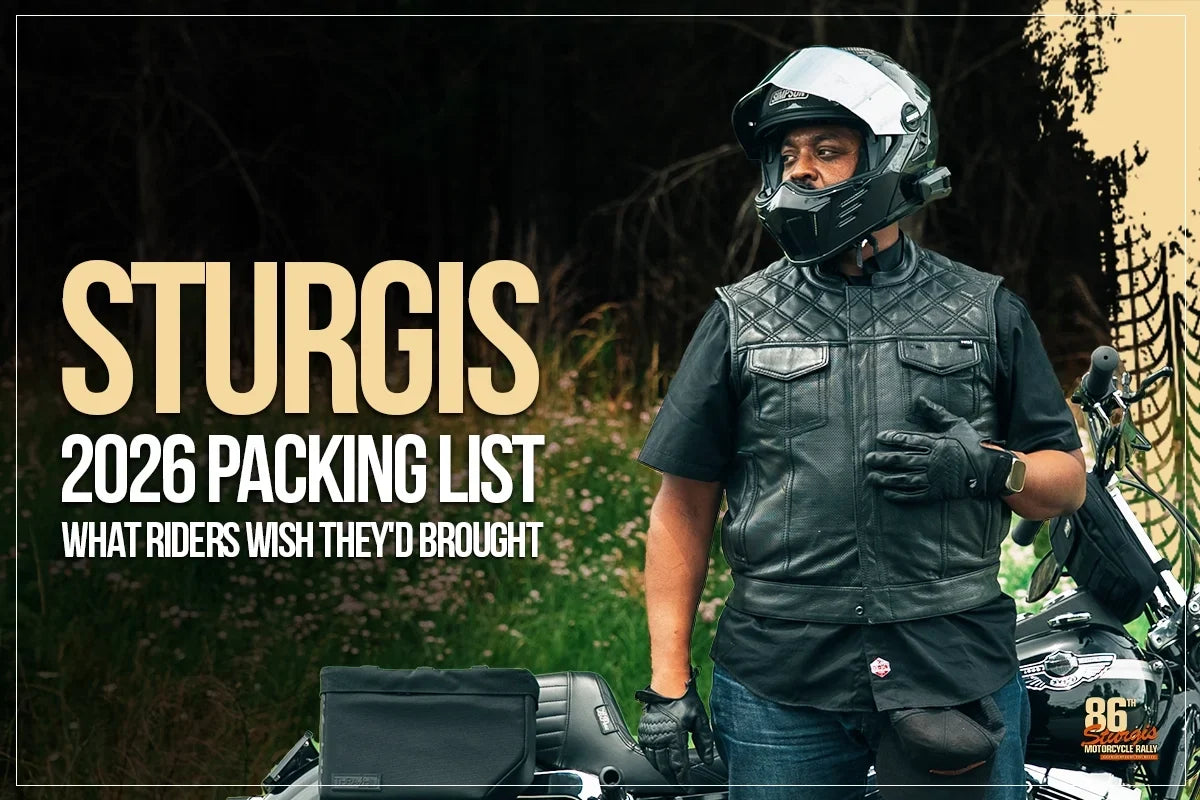
Chaque mois d'août, des centaines de milliers de motards affluent à Sturgis, dans le Dakota du Sud, pour l'un des rassemblements de motards les plus légendaires de la planète. Et chaque année, invariablement, une bonne partie d'entre eux se disent la même chose le deuxième jour : « J'aurais vraiment aimé avoir ça dans mes bagages. »
Préparer ses bagages pour Sturgis est un art en soi. Trop en emporter, c'est traîner un poids mort sur des centaines de kilomètres. Trop peu, c'est payer des prix exorbitants pour de l'équipement sous une tente bondée de vendeurs alors que vous devriez être en train de rouler.
Cette liste de contrôle est basée sur l'expérience réelle des motards, et non sur un modèle générique. Elle est organisée par catégorie afin que vous puissiez faire vos bagages de manière intentionnelle et arriver à Sturgis 2026 en sachant que vous avez tout prévu, que vous soyez un débutant ou un habitué.
Réponse rapide : Les 10 choses que les motards regrettent le plus d'avoir oubliées
Si vous ne lisez qu'une seule section, lisez celle-ci :
-
Une vraie combinaison de pluie, pas un poncho
-
Crème solaire, FPS 50+
-
De l'argent liquide, plus que ce que vous pensez avoir besoin
-
Bouchons d'oreille
-
Serre-câbles et ruban adhésif toilé
-
Une clé de rechange pour la moto
-
Trousse à outils de base et kit de réparation de pneus
-
Carte grise et assurance de la moto, à garder sur soi
-
Une couche chaude pour les matins froids
-
Une deuxième paire de chaussures de marche confortables
Maintenant, la ventilation complète.
Pourquoi préparer ses bagages pour Sturgis est différent de tout autre rassemblement
Le Sturgis Motorcycle Rally 2026 se déroule sur dix jours complets en août, et pendant cette période, vous roulerez sous une chaleur torride à midi, des orages soudains, des soirées fraîches en montagne, de longues étendues d'autoroute, des allées de vendeurs bondées et des nuits de concert, parfois tout cela en 24 heures.
Les Black Hills sont en altitude, ce qui signifie que l'exposition aux UV est plus forte que ce à quoi la plupart des motards s'attendent, même lorsqu'il ne fait pas si chaud. Les températures d'août peuvent passer de plus de 30°C l'après-midi à moins de 13°C après le coucher du soleil, et la grêle a frappé la semaine du rassemblement plus d'une fois.
Cela signifie que votre équipement doit couvrir toutes les conditions à la fois, tout en tenant dans un ensemble de sacoches, peut-être une sacoche de réservoir et un sac arrière. Chaque centimètre cube compte. L'objectif n'est pas d'en emporter plus. C'est d'emballer intelligemment.
1. Essentiels pour la moto
Votre moto est votre bouée de sauvetage à Sturgis. Avant de mettre quoi que ce soit d'autre dans vos sacoches, assurez-vous que la machine sous vous est prête pour les kilomètres.
-
Carte grise et preuve d'assurance : Vous en aurez besoin si vous êtes arrêté ou s'il y a un incident sur la route, alors gardez-les dans une poche de veste ou de sacoche de réservoir facilement accessible, pas enfouies dans vos sacoches.
-
Trousse à outils compacte : Des clés, des tournevis et des clés hexagonales adaptées à votre moto vous permettent de gérer un boulon desserré ou un ajustement mineur sur place au lieu de chercher un atelier en plein trajet.
-
Kit de réparation/bouchage de pneu avec gonfleur : Une crevaison sur une portion d'autoroute isolée peut rapidement mettre fin à votre journée. Un kit de bouchage répare la crevaison, et une petite pompe 12 volts vous ramène à pleine pression plus fiablement qu'une cartouche de CO2.
-
Manomètre de pression des pneus : La pression varie lorsque les températures passent des matins frais aux après-midis chauds, alors vérifiez-la chaque matin plutôt que de supposer qu'elle est toujours là où vous l'avez réglée.
-
Fusibles et bougies de rechange : Ce sont les petites pièces les plus susceptibles de tomber en panne lors d'un long voyage, et les remplacer vous-même est mieux que d'attendre l'assistance routière au milieu de nulle part.
-
Lubrifiant pour chaîne ou conditionneur de courroie : Les routes panoramiques autour de Sturgis accumulent rapidement des kilomètres, et une chaîne sèche ou usée est un problème évitable si vous transportez un conditionneur avec vous.
-
JB Weld ou époxy similaire : Pour le plastique fissuré, un support de rétroviseur desserré ou tout autre élément qui casse lorsque le magasin de réparation le plus proche est à des heures de route.
-
Cordons élastiques et filet de chargement : Vous quitterez Sturgis avec plus que ce que vous aviez en arrivant (équipement, marchandises, peut-être un trophée), et vous aurez besoin d'un moyen sécurisé pour tout attacher pour le retour à la maison.
-
Housse de moto : Les orages de l'après-midi arrivent rapidement dans les Black Hills, et une housse garde votre moto au sec et sans poussière entre les trajets.
-
Antivol pour moto : Un antivol à câble visible autour de votre roue ou de votre casque n'arrêtera pas un voleur déterminé, mais c'est généralement suffisant pour envoyer un opportuniste vers une cible plus facile.
-
Clé de rechange : Entre les longues journées de conduite et les campings animés, les clés perdues arrivent plus souvent que les motards ne s'y attendent. Gardez une clé de rechange dans un boîtier à clé magnétique plutôt que de risquer de rester bloqué.
-
Huile moteur supplémentaire : Si votre moto doit être complétée en cours de route, ne comptez pas sur un vendeur du rassemblement pour avoir votre spécification exacte.
À ajouter à vos bagages :
-
Support de téléphone/GPS avec un câble de chargement étanche
-
Sacoche de guidon ou de réservoir pour un rangement facile d'accès pendant la conduite
-
Couverture de remorquage confirmée : vérifiez-la avant de partir. De nombreuses polices d'assurance auto standard ne couvrent pas les motos, et l'AAA exige un ajout spécifique aux motos. Mieux vaut le savoir chez vous que dans les Badlands.
2. Équipement de conduite : protecteur, fonctionnel, conçu pour les longs trajets
Vous passerez de nombreuses heures en selle à Sturgis. La route Needles Highway, Iron Mountain Road, Spearfish Canyon et Custer State Park vous occuperont une journée entière à elles seules. Votre équipement doit vous protéger et résister à plusieurs jours de conduite, pas seulement être beau sur le parking.
-
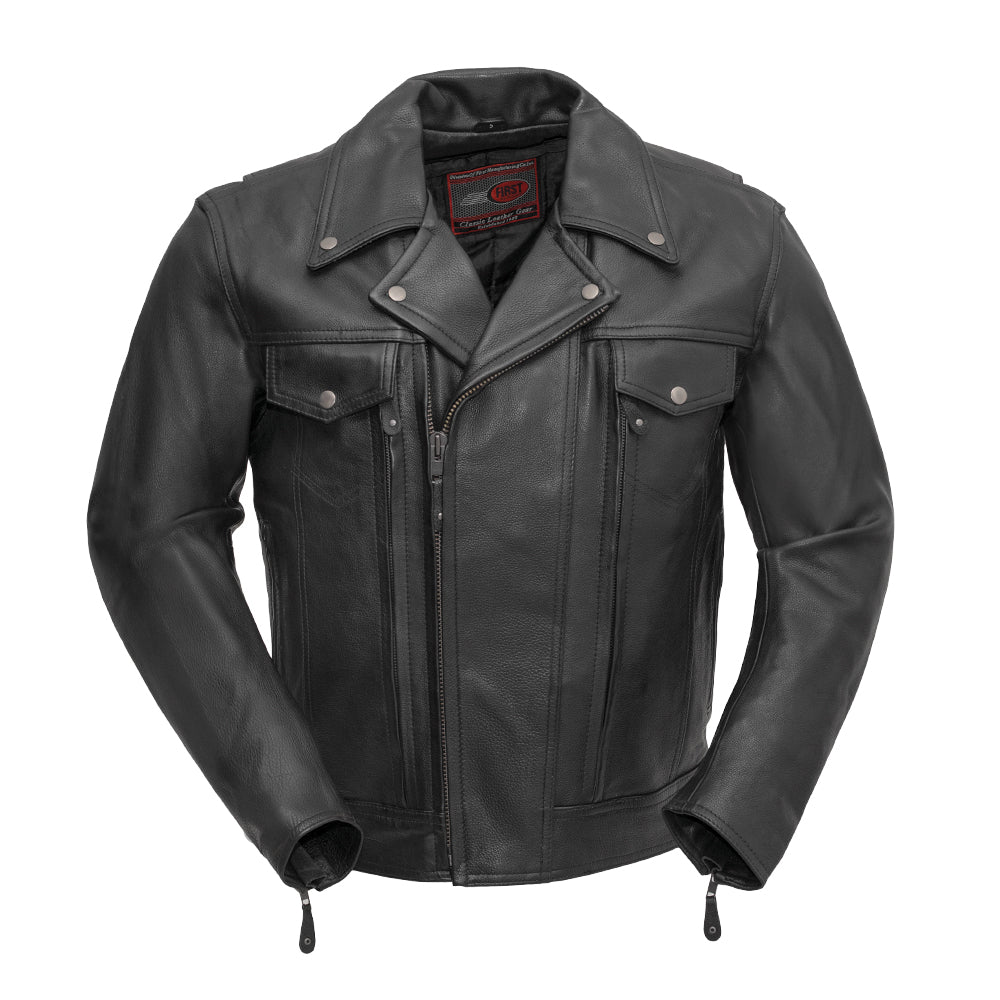
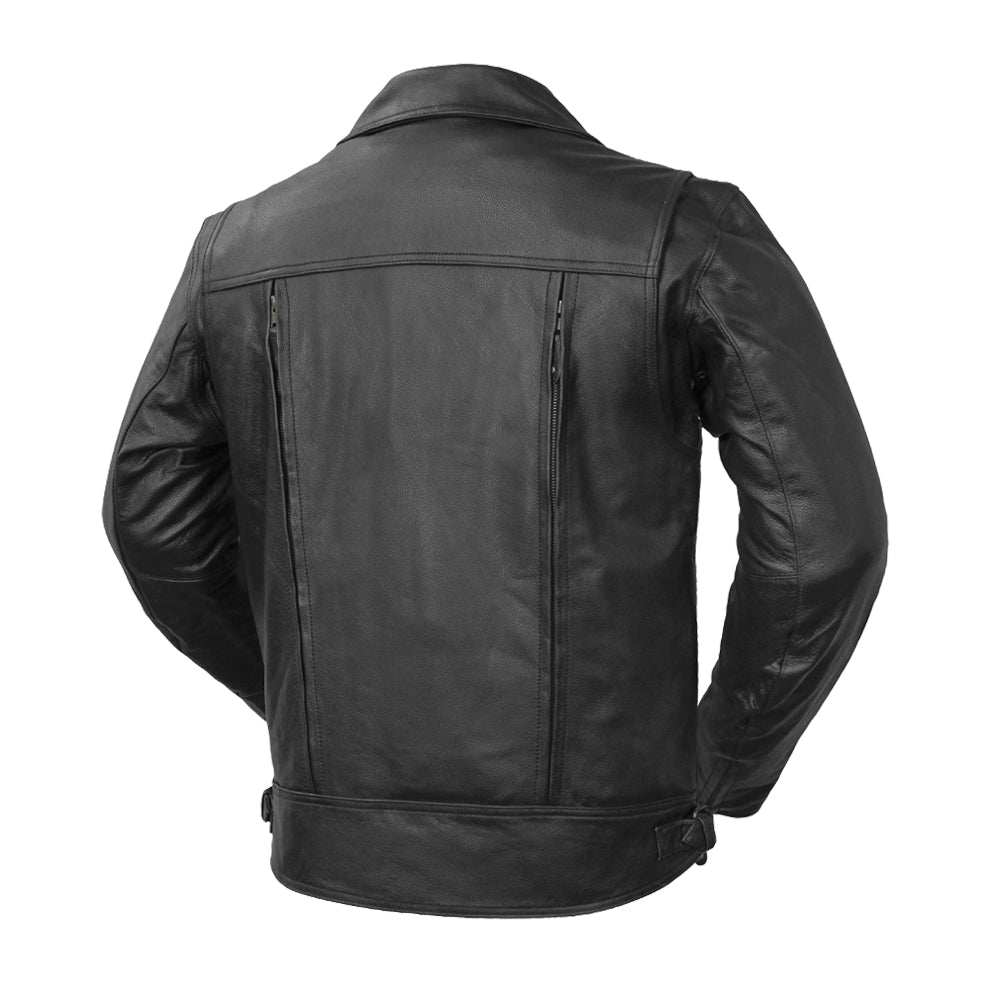
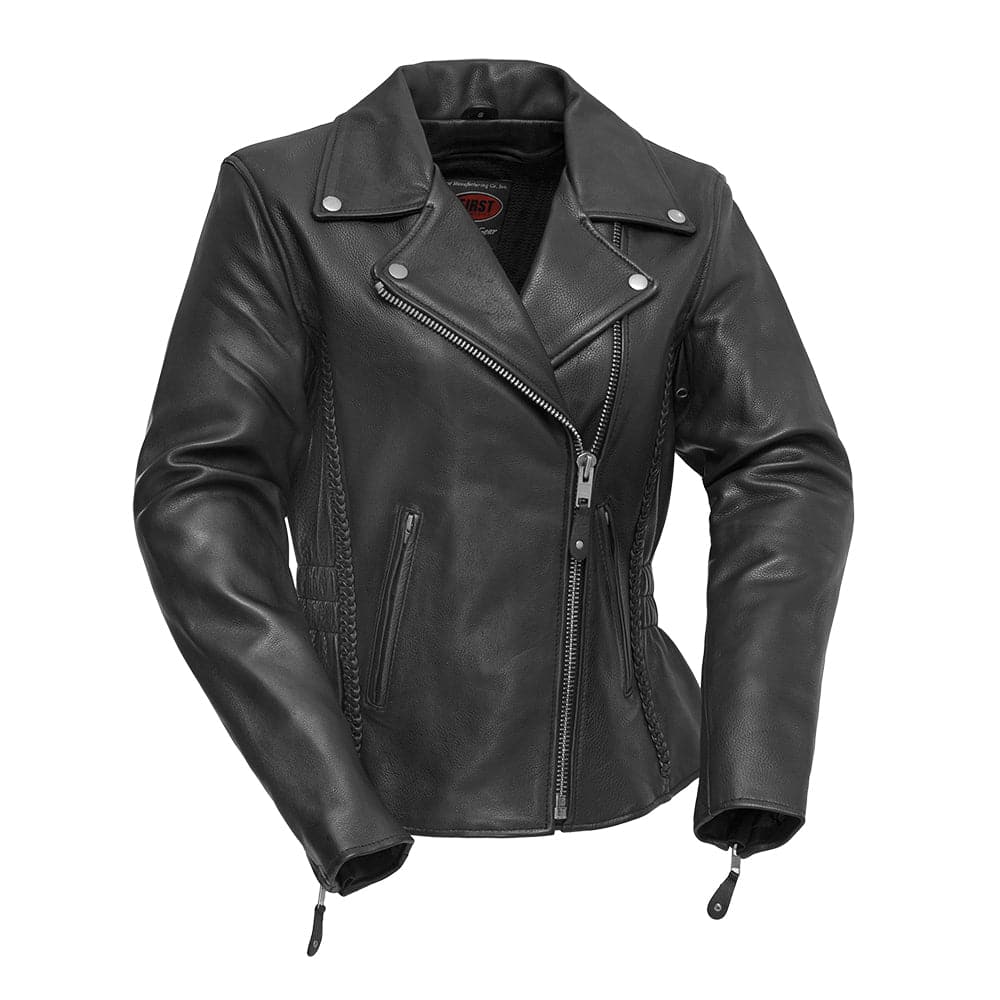
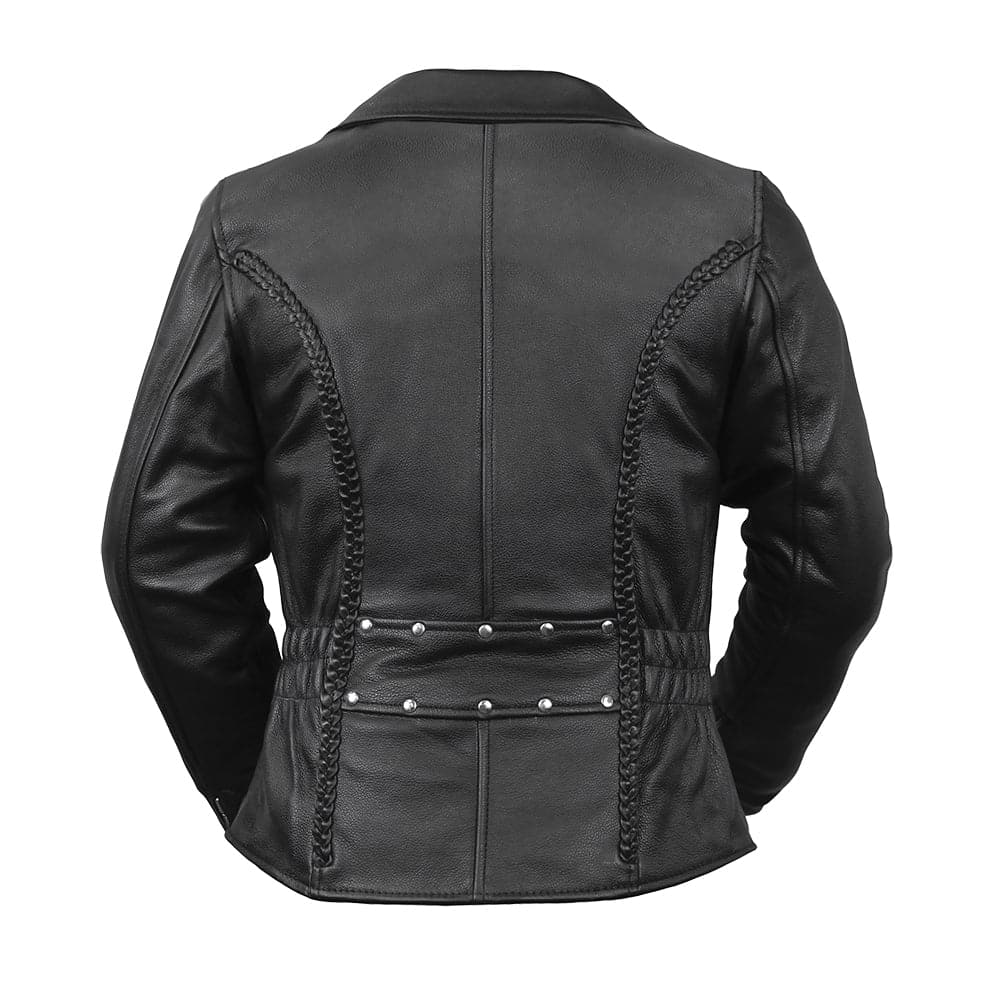
Blouson de moto : Un blouson de moto en cuir véritable est la norme à Sturgis car il protège votre peau en cas de chute, résiste mieux à la chaleur que ce que les gens attendent, et sert de couche chaude une fois le soleil couché.
-
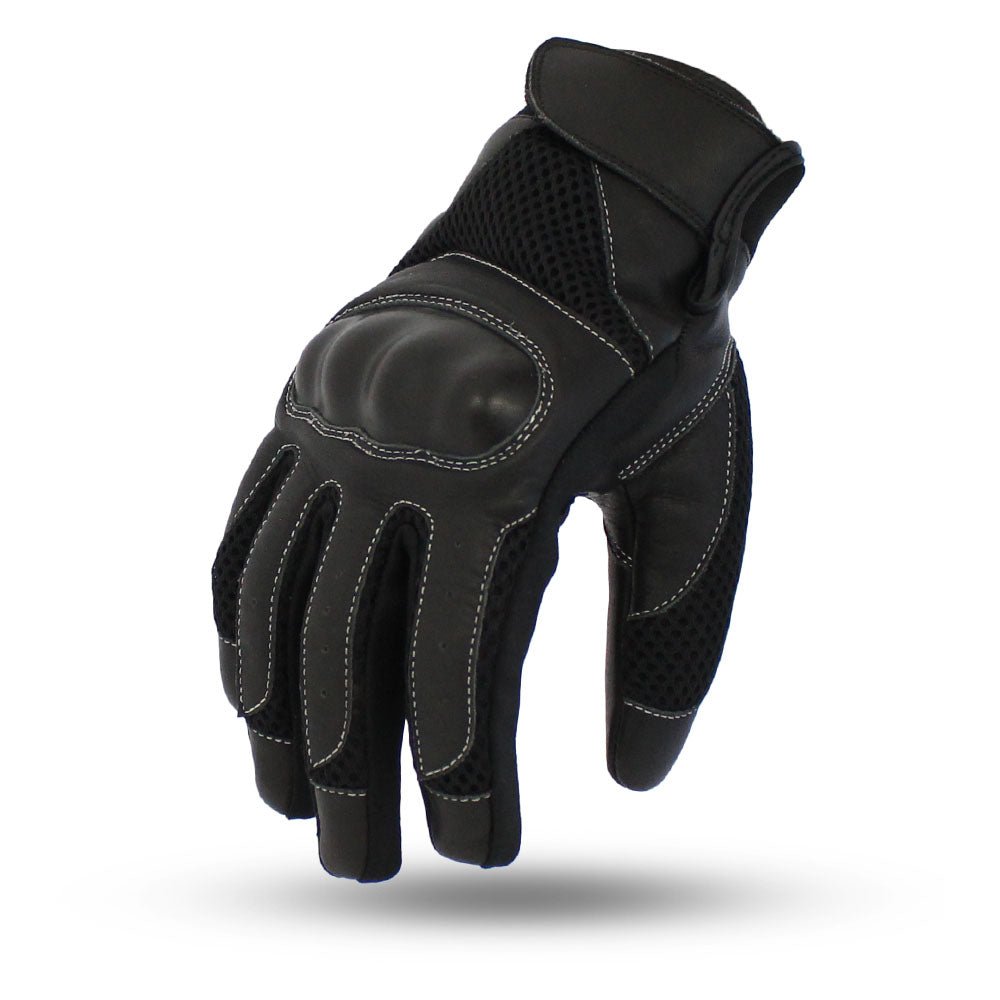
Gants de conduite : Le vent, les vibrations de la route et les heures de prise en main sollicitent les mains nues pendant une journée complète de conduite, et les gants en cuir sont votre seule protection si vous mettez une main au sol.
-
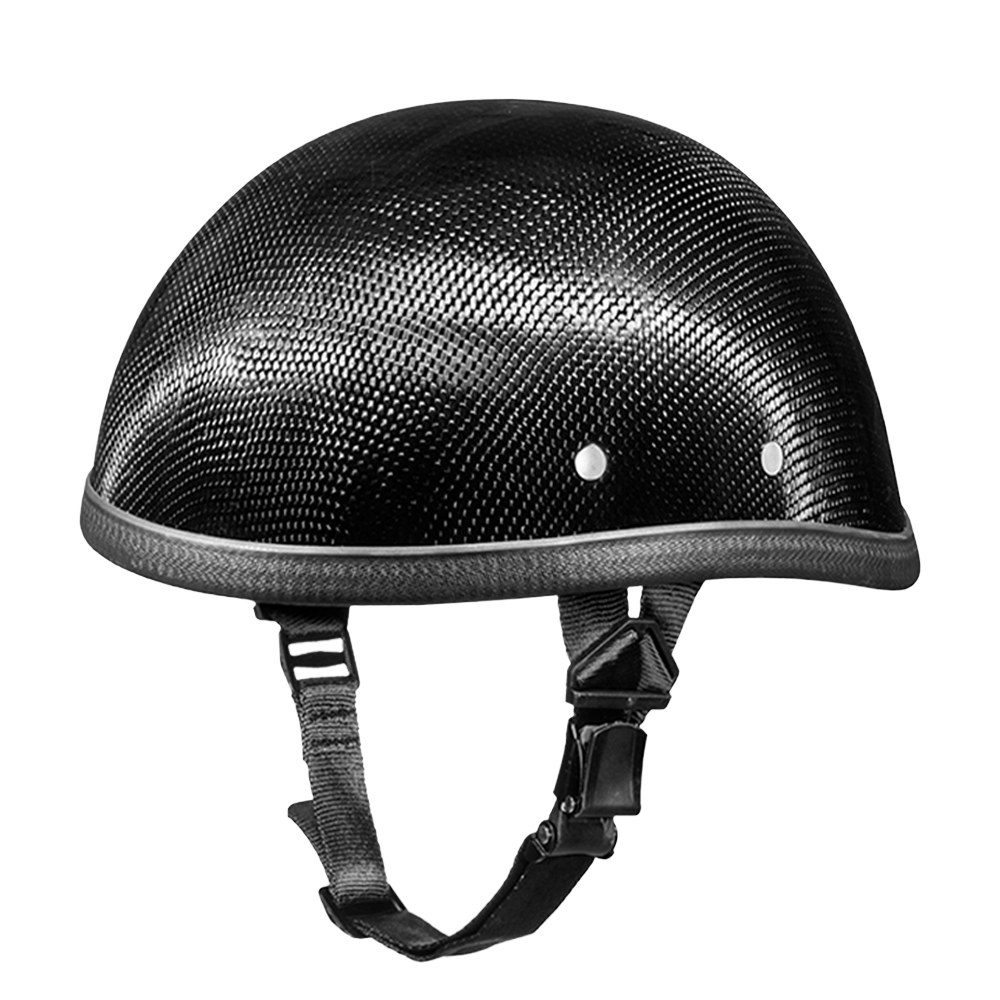
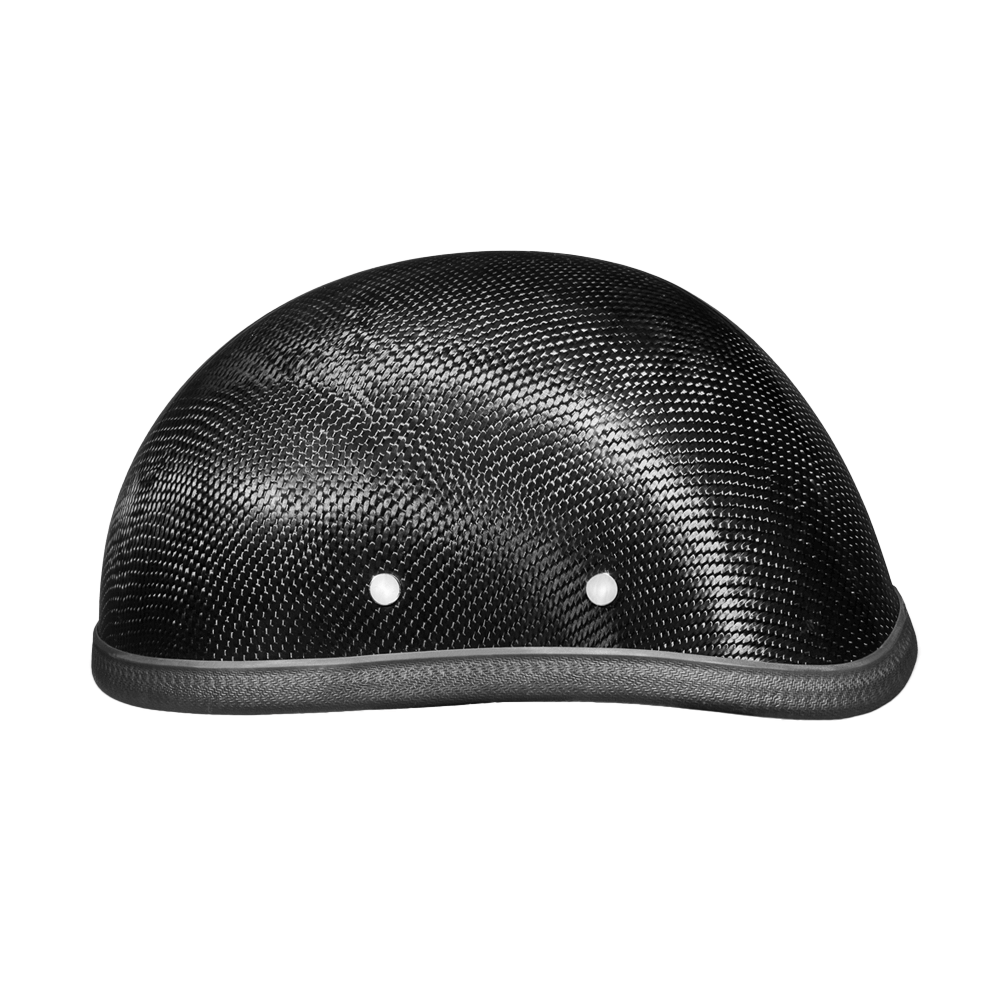
Casque de moto : Le Dakota du Sud n'exige pas de casque pour les motards de 18 ans et plus, c'est donc une question de choix personnel. Si vous roulez sans, une protection oculaire est toujours requise par la loi de l'État, alors assurez-vous d'en avoir une quoi qu'il arrive.
-
Deux paires de lunettes de soleil : Une paire teintée pour le soleil de jour et une paire à verres clairs ou jaunes pour la conduite de nuit couvrent à la fois le besoin pratique et l'exigence légale de protection oculaire.
-
Bottes de moto avec protection des chevilles : Dix jours de changement de vitesse, de marche sur des campings en gravier et de station debout dans les allées de vendeurs sollicitent vos pieds, et les bottes protègent vos chevilles en cas de chute.
-
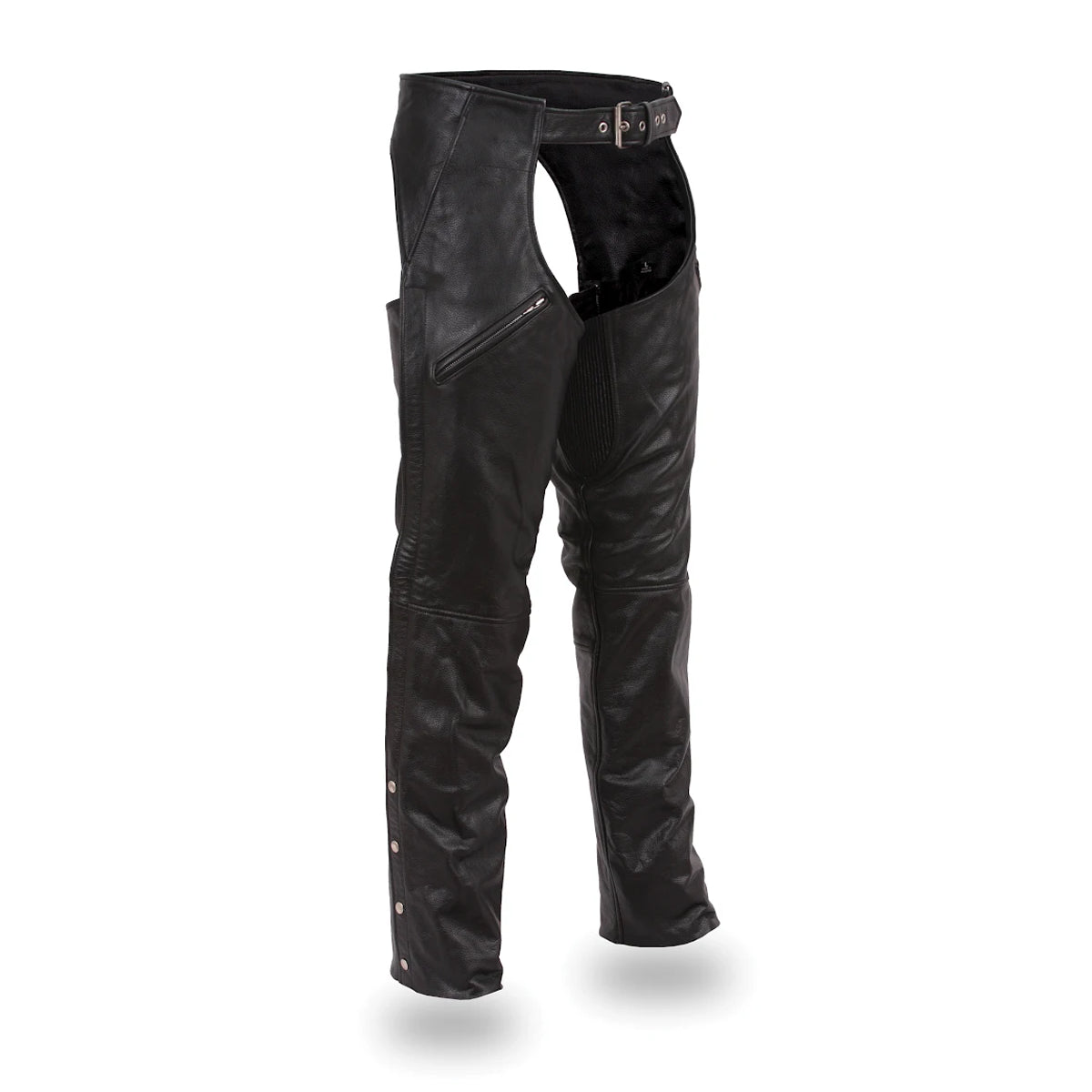
Pantalon de moto ou chaps : Le denim se déchire presque instantanément en cas de glissade. Les chaps de moto en cuir pour hommes par-dessus un jean, ou un pantalon de moto spécialement conçu, résistent réellement si votre moto tombe.
3. Vêtements pour la semaine du rassemblement
Le Dakota du Sud en août n'est pas une situation à température unique. Les matins près des Black Hills peuvent descendre en dessous de 10°C. À midi, vous êtes sous un soleil direct à plus de 32°C. Les soirées se rafraîchissent rapidement une fois le soleil couché. Prévoyez des vêtements pour les trois.
-
Chemises et t-shirts de moto légers : Les tissus respirants vous gardent à l'aise sous une veste par une chaleur de 32°C l'après-midi et en marchant dans les allées des vendeurs sous le soleil direct.
-
Sweat à capuche ou polaire intermédiaire : Une fois le soleil couché, les températures baissent rapidement, et une couche intermédiaire est ce qui rend les concerts du soir et le temps autour du feu de camp supportables au lieu d'être froids.
-
Équipement de pluie ou combinaison de pluie compressible : Les orages des Black Hills arrivent avec peu d'avertissement. Une combinaison monobloc se range presque à rien et peut sauver une excellente journée de conduite si vous êtes pris sous la pluie.
-
Chaussettes supplémentaires : Entre la conduite, la marche sur des campings poussiéreux et la transpiration due à la chaleur d'août, les chaussettes s'usent et se salissent plus rapidement que tout autre article que vous emporterez.
-
Chaussures de marche confortables : Les bottes de moto sont conçues pour protéger vos pieds sur la moto, pas pour rester confortables pendant une journée entière de marche dans les allées des vendeurs, donc une deuxième paire justifie son espace.
-
Chapeau ou casquette : Utile hors de la moto pour la protection solaire et contre la poussière, et facile à ranger dans une poche de veste une fois que vous roulez à nouveau.
-
Bandanas : Un accessoire léger et multifonction pour couvrir votre visage contre la poussière, essuyer la sueur et protéger votre cou du soleil, et un véritable élément de la culture de Sturgis.
-
Maillot de bain : Les lacs et les trous d'eau autour des Black Hills sont une véritable pause de la chaleur, et les motards qui laissent leur maillot de bain à la maison le regrettent généralement une fois qu'ils voient l'eau.
-
Jeans ou pantalons décontractés : Une option confortable et non liée à la conduite pour les soirées où l'équipement de conduite complet semble excessif lors d'un concert ou d'un feu de camp.
Règle générale : prévoyez des vêtements pour des matins à 13°C, des après-midis à 35°C et une averse surprise entre les deux.
Vous ne savez pas comment assembler le tout ? Consultez notre Guide ultime des tenues de rallye pour hommes et femmes pour des idées de tenues par activité, de la conduite dans les Black Hills aux soirées concert au Buffalo Chip.
4. Essentiels pour le camping et le confort nocturne
Que vous soyez sous tente, en camping-car ou entre les deux, votre emplacement de camping est le camp de base pour la semaine. Bien gérer cela est ce qui rend les longues journées de conduite supportables au lieu d'épuisantes.
-
Chaise pliante : Après une journée complète de conduite, vous voudrez un endroit pour vous asseoir et vous détendre au camp, pas rester debout ou vous percher sur une glacière.
-
Tapis d'extérieur ou de terrasse : Le sol de la plupart des campings est de la terre sèche et poussiéreuse, et un tapis empêche cette poussière d'entrer dans votre tente et donne à votre emplacement un espace défini et vivable.
-
Glacière à glace : Garde les boissons et les aliments périssables en sécurité pendant les pics de chaleur diurnes qui atteignent régulièrement les 30°C.
-
Rallonge robuste : Même les emplacements avec branchements électriques placent souvent la prise à plusieurs mètres de l'endroit où vous êtes réellement installé, et un cordon plus long vous évite de repositionner tout votre campement.
-
Multiprise avec protection contre les surtensions : Une seule prise couvre rarement un téléphone, un ventilateur et des lumières en même temps, donc une multiprise permet à tout le monde de votre groupe de charger en même temps.
-
Ventilateur portable : Les tentes retiennent la chaleur, et même avec des températures nocturnes plus fraîches, l'air stagnant à l'intérieur d'une tente rend le sommeil difficile sans circulation d'air.
-
Lampe frontale ou torche : Les campings deviennent complètement sombres une fois le soleil couché, et une lampe frontale mains libres est préférable à tâtonner avec la lampe de poche d'un téléphone lors de l'installation ou du démontage du camp.
-
Grill propane compact : Les feux ouverts sont généralement interdits pendant le rallye en raison des risques d'incendie, donc un grill propane est votre moyen approuvé de cuisiner réellement sur votre emplacement.
-
Lanterne : Éclaire tout votre emplacement pour cuisiner, faire vos bagages ou vous détendre, plutôt que le faisceau étroit unique que vous offre une lampe frontale.
-
Auvent ou tente pop-up : Le soleil direct sur un camping sans arbres rend les heures de la mi-journée presque invivables, et une vraie ombre est ce qui vous permet de rester sur votre emplacement au lieu de vous cacher de la chaleur ailleurs.
-
Sacs poubelles : Les poubelles du camping se remplissent et débordent rapidement pendant la semaine du rallye, donc avoir les vôtres signifie que vous n'êtes pas coincé avec des déchets sans endroit où les mettre.
-
Paracorde ou corde : Pratique pour monter un auvent, faire sécher des équipements mouillés ou attacher une bâche si le vent ou la pluie arrive pendant la nuit.
5. Hygiène et soins personnels
C'est la catégorie que les motards sous-estiment systématiquement, puis surpayent dans un magasin de camping ou un commerce voisin.
Protection de la peau et du soleil
-
Crème solaire, SPF 50 ou plus : L'altitude des Black Hills signifie que l'exposition aux UV est nettement plus forte qu'au niveau de la mer, même par une journée douce. Réappliquez-en sur votre cou, vos avant-bras et votre visage tout au long de la journée, pas seulement une fois chaque matin.
-
Baume à lèvres avec SPF : Des heures de vent à vitesse de conduite dessèchent et gercer les lèvres plus rapidement que la plupart des motards ne s'y attendent.
-
Répulsif anti-insectes : Les campings boisés font sortir les moustiques dès le coucher du soleil, juste au moment où vous vous installez au camp.
-
Serviette rafraîchissante ou tour de cou : Trempez-le, claquez-le, et il reste frais pendant des heures, ce qui fait une réelle différence en marchant dans les allées des vendeurs par un après-midi à 35°C.
Essentiels de nettoyage
-
Shampoing sec : Une journée entière sous un casque vous laisse les cheveux plats et moites, et le shampoing sec est une solution rapide sans avoir besoin d'une vraie douche.
-
Lingettes humides ou lingettes corporelles : L'accès à une douche n'est pas toujours pratique après une longue journée de moto, et les lingettes vous permettent de vous nettoyer avant de vous glisser dans une tente.
-
Désinfectant pour les mains : Utile dans les installations sanitaires partagées, les zones commerçantes bondées et les toilettes portables où l'eau et le savon ne sont pas toujours disponibles.
-
Papier toilette ou paquets de mouchoirs de voyage : Les installations partagées s'épuisent rapidement lors d'un rallye de dix jours très fréquenté, alors apportez les vôtres en guise de secours.
-
Sacs à linge : Gardez vos vêtements de moto moites séparés de vos vêtements propres dans vos sacs, particulièrement utile lors d'un voyage complet de dix jours.
-
Paquets de lessive de voyage : Cela vaut la peine de les emporter si votre camping ou une laverie automatique à proximité dispose de machines, car dix jours de vêtements de moto s'accumulent rapidement.
Autres indispensables
-
Bouchons d'oreille : Les campings de rallye restent bruyants jusque tard dans la nuit, et les bouchons d'oreille font souvent la différence entre un vrai sommeil et une matinée difficile.
-
Trousse de premiers secours de base : Pansements, lingettes antiseptiques, ibuprofène, traitement des ampoules et tous les médicaments sur ordonnance, afin qu'une petite éraflure ou un mal de tête ne se transforme pas en un voyage en ville.
-
Masque anti-poussière : Les routes de gravier sèches et le trafic intense des campings soulèvent plus de poussière que la plupart des motards ne s'y attendent, surtout en marchant dans les zones commerçantes à la mi-journée.
6. Essentiels pour la technologie et la navigation
-
Chargeur de téléphone portable / batterie externe : Une journée de navigation, de photos et de musique peut vider votre téléphone bien avant que vous ne soyez à proximité d'une prise, donc une batterie externe vous permet de rester connecté pendant les longs trajets.
-
Étui ou sac de téléphone étanche : Les orages des Black Hills arrivent sans crier gare, et un téléphone trempé en plein trajet est un problème que vous pouvez entièrement éviter avec un étui à 10 $.
-
Câbles de charge de rechange : Les câbles s'effilochent et tombent en panne plus que tout autre équipement technologique, généralement au moment où vous en avez le plus besoin.
-
Communicateur ou casque Bluetooth : Vous permet de parler à votre groupe sans vous arrêter, ce qui est très important sur les longues portions d'autoroute ou lorsque les plans changent en cours de route.
-
Appareil photo : Le paysage de Needles Highway et de Spearfish Canyon vaut la peine de s'arrêter, et un véritable appareil photo le capture mieux qu'un téléphone en plein soleil de midi.
-
Carte physique ou cartes hors ligne téléchargées : Le service cellulaire est interrompu dans l'arrière-pays, ne vous fiez donc pas uniquement à la navigation en direct pour les itinéraires à travers les Black Hills.
-
Petit carnet et stylo : Une sauvegarde simple pour les contacts des vendeurs, les directions du camping ou un programme de concert lorsque votre téléphone est mort, mouillé ou hors de portée.
7. Documents, argent et articles pratiques
-
Pièce d'identité émise par le gouvernement : Vous en aurez besoin pour l'entrée aux événements payants, l'achat d'alcool et si vous êtes arrêté n'importe où dans la région.
-
Carte grise de la moto et carte d'assurance : Gardez une copie sur vous, car vos sacoches ne sont pas toujours avec vous si vous êtes arrêté en marchant ou entre deux arrêts.
-
Argent liquide : De nombreux vendeurs de Sturgis acceptent uniquement les paiements en espèces ou les préfèrent, et les distributeurs automatiques de billets près du rallye sont régulièrement à sec ou ont de longues files d'attente pendant la semaine de pointe.
-
Cartes de crédit/débit : Une solution de secours utile pour les achats plus importants, l'essence et partout où l'argent liquide n'est pas accepté.
-
Carte de contact d'urgence : Une carte physique avec les coordonnées et les besoins médicaux, au cas où vous ne pourriez pas parler pour vous-même et que votre téléphone serait verrouillé ou endommagé.
-
Serre-câbles, plusieurs tailles : Fixez un garde-boue lâche, attachez un sac ou réparez une douzaine de petits problèmes imprévus.
-
Ruban adhésif toilé, petit rouleau : Couvre la même catégorie de réparations inattendues que les serre-câbles, d'une housse de siège déchirée à un boîtier de rétroviseur fissuré.
-
Bouteille d'eau réutilisable : La chaleur d'août pendant la conduite vous déshydrate plus vite que vous ne le réaliserez, et vous ne pouvez pas compter sur un vendeur ou une station-service à chaque arrêt.
-
Gilet de sécurité réfléchissant ou triangle de signalisation : Vous rend visible si jamais vous êtes arrêté sur le bas-côté après la tombée de la nuit, que ce soit pour un problème mécanique ou simplement pour consulter une carte.
8. Équipement qui rend Sturgis plus amusant (pas seulement fonctionnel)
-
Pass America the Beautiful (80 $/an) : Couvre l'entrée au Mont Rushmore, Devils Tower et Badlands National Park avec un seul pass, donc si vous faites du tourisme au-delà du rallye lui-même, il est rentabilisé dès le premier arrêt.
-
Sacoche de réservoir avec rangement supplémentaire : Garde les objets de valeur, les collations et le petit équipement à portée de main pendant la conduite, de sorte que vous n'avez pas besoin de vous arrêter juste pour fouiller dans vos sacoches.
-
Un plan pour le stockage des marchandises : Vous achèterez des choses à Sturgis, des patchs, des trouvailles de vendeurs, peut-être quelque chose fait à la main, et trouver où ranger tout cela avant le premier jour vous évitera de manquer d'espace à mi-parcours de la semaine.
-
Écouteurs ou casque confortables : Rend les tronçons d'autoroute en solo plus agréables avec de la musique, des podcasts ou l'audio de la navigation pas à pas.
Une fois vos bagages faits, la prochaine étape consiste à déterminer le guide complet des événements, attractions et lieux incontournables, des concerts et expositions de motos aux balades panoramiques à travers les Black Hills.
Ce qu'il ne faut pas surcharger
L'espace sur une moto est limité. Ce sont les choses que les motards apportent trop souvent, et qu'ils regrettent :
-
Trop d'options de vestes : Une excellente veste de moto plus une couche décontractée couvre presque toutes les températures et tous les événements que vous rencontrerez, donc les vestes supplémentaires occupent simplement l'espace des sacoches dont vous aurez besoin plus tard.
-
Plus de deux paires de chaussures : Vos bottes de moto plus une option de marche confortable couvrent tout, de l'autoroute aux rangées de vendeurs. Une troisième paire est rarement portée.
-
Équipement de camping lourd : Si votre camping propose des douches, de l'eau ou d'autres commodités, transporter un kit de plein air complet pour les reproduire ne fait qu'ajouter du poids sans raison.
-
Livres en papier : Avec un espace de rangement limité, un livre physique prend de la place qui est mieux utilisée pour l'équipement dont vous aurez réellement besoin tous les jours.
-
Articles fantaisie achetés avant votre arrivée : Les rangées de vendeurs à Sturgis font partie de l'expérience, alors laissez de la place dans votre sac pour ce que vous y trouverez réellement au lieu de le remplir de souvenirs à l'avance.
Pourquoi les motards choisissent l'équipement First Mfg Co pour Sturgis
Dix jours en selle sur certaines des routes les plus pittoresques d'Amérique, suivis de soirées dans des salles de concert, des expositions de motos et des allées de vendeurs : votre équipement doit faire ses preuves chaque jour.
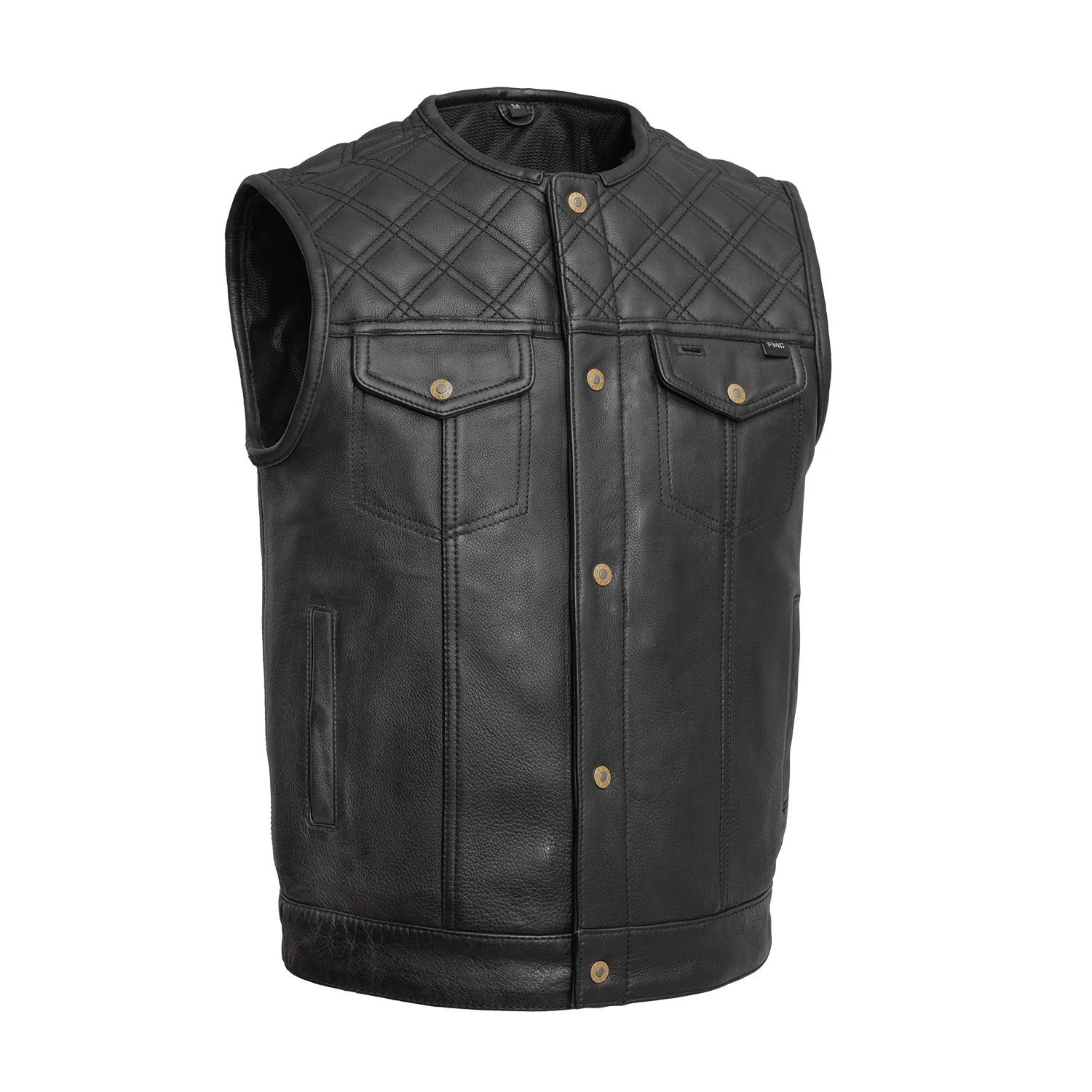
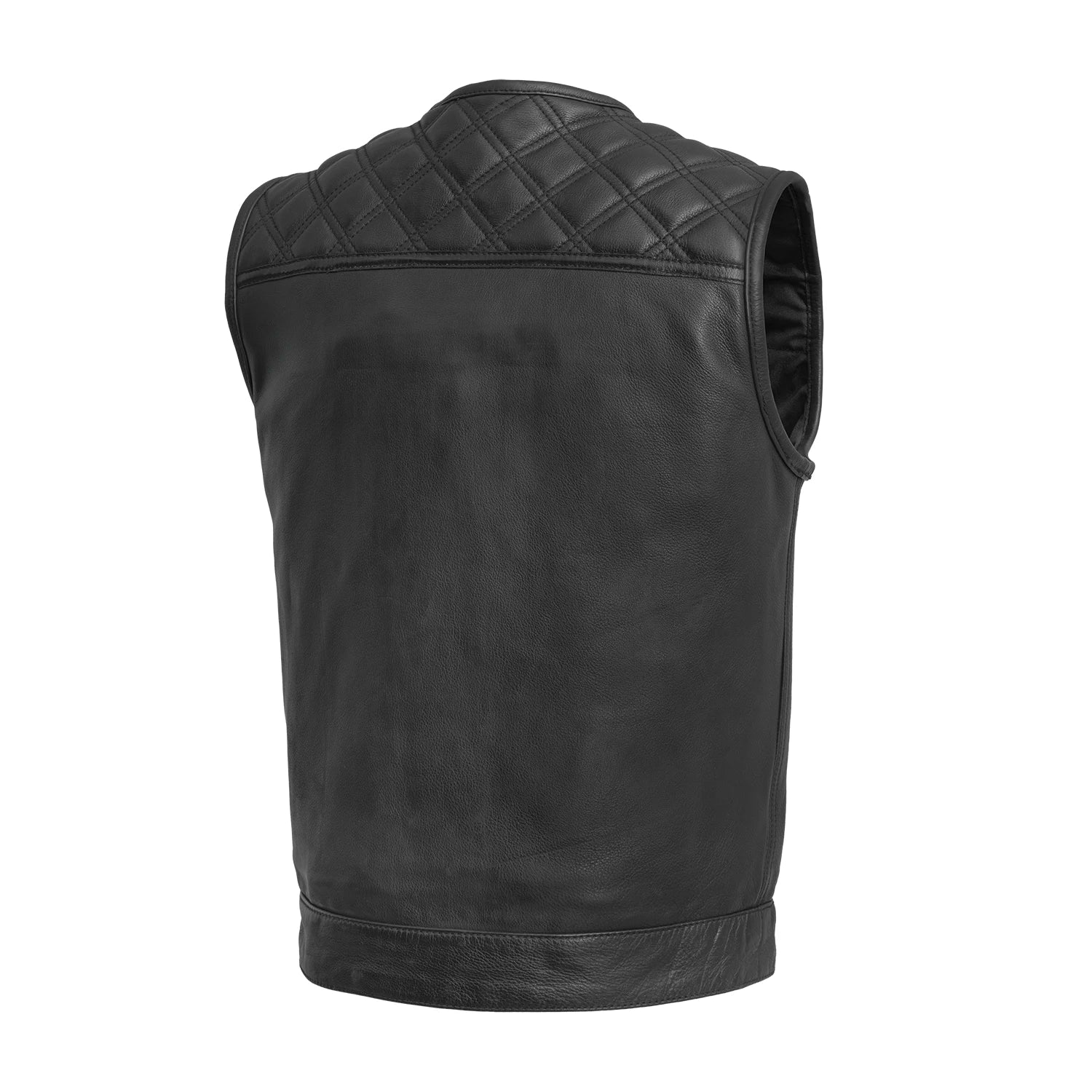
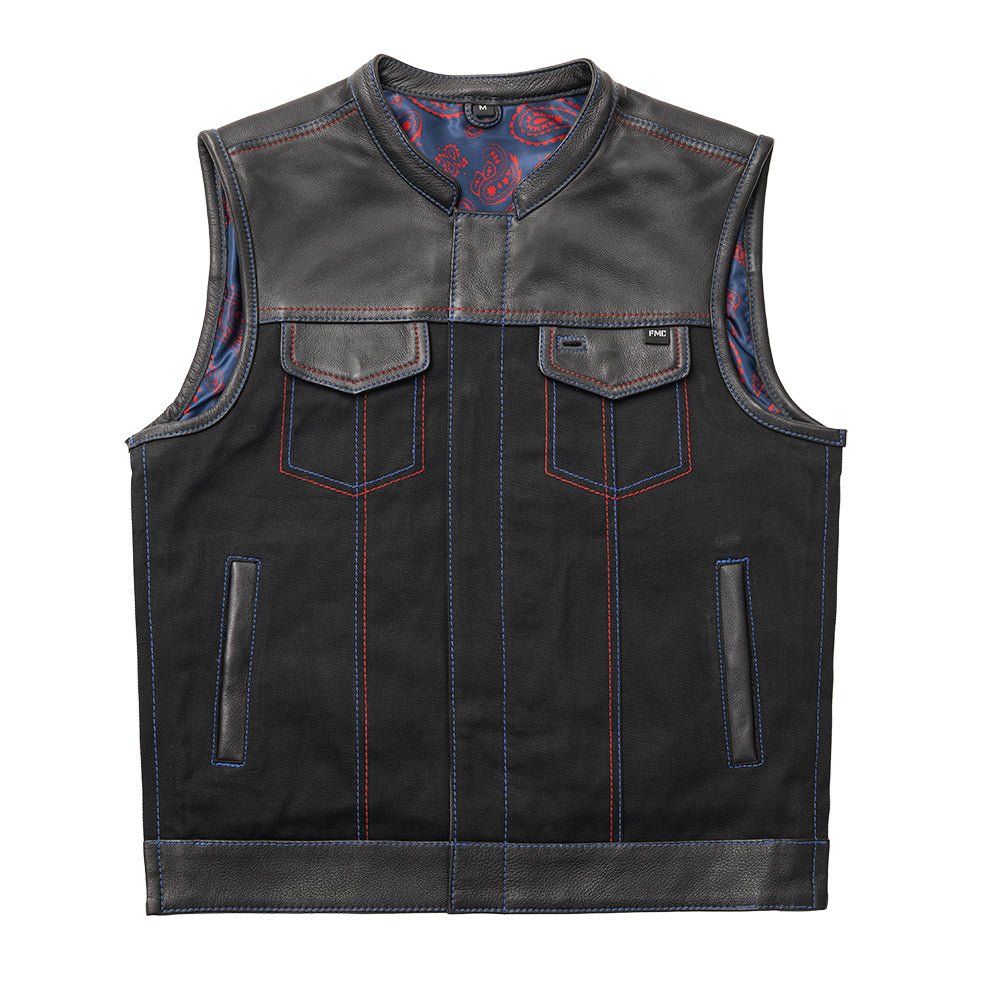
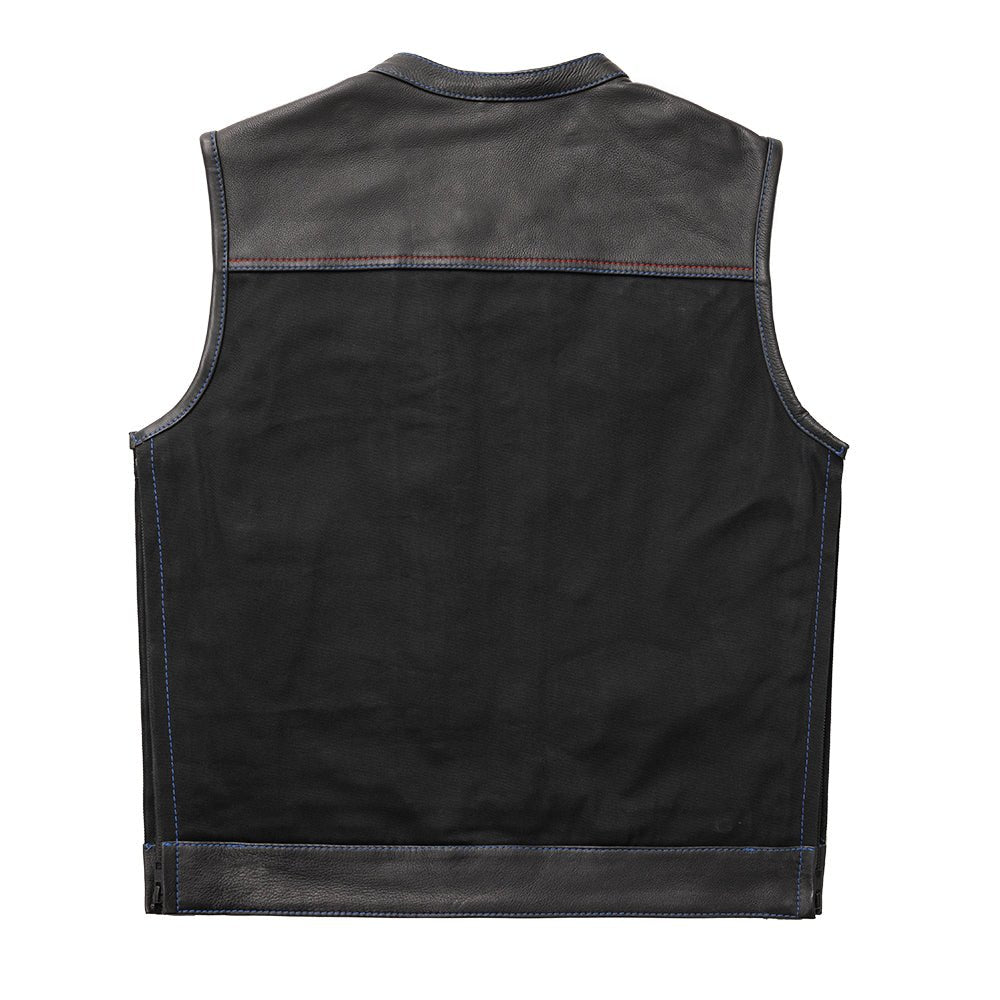
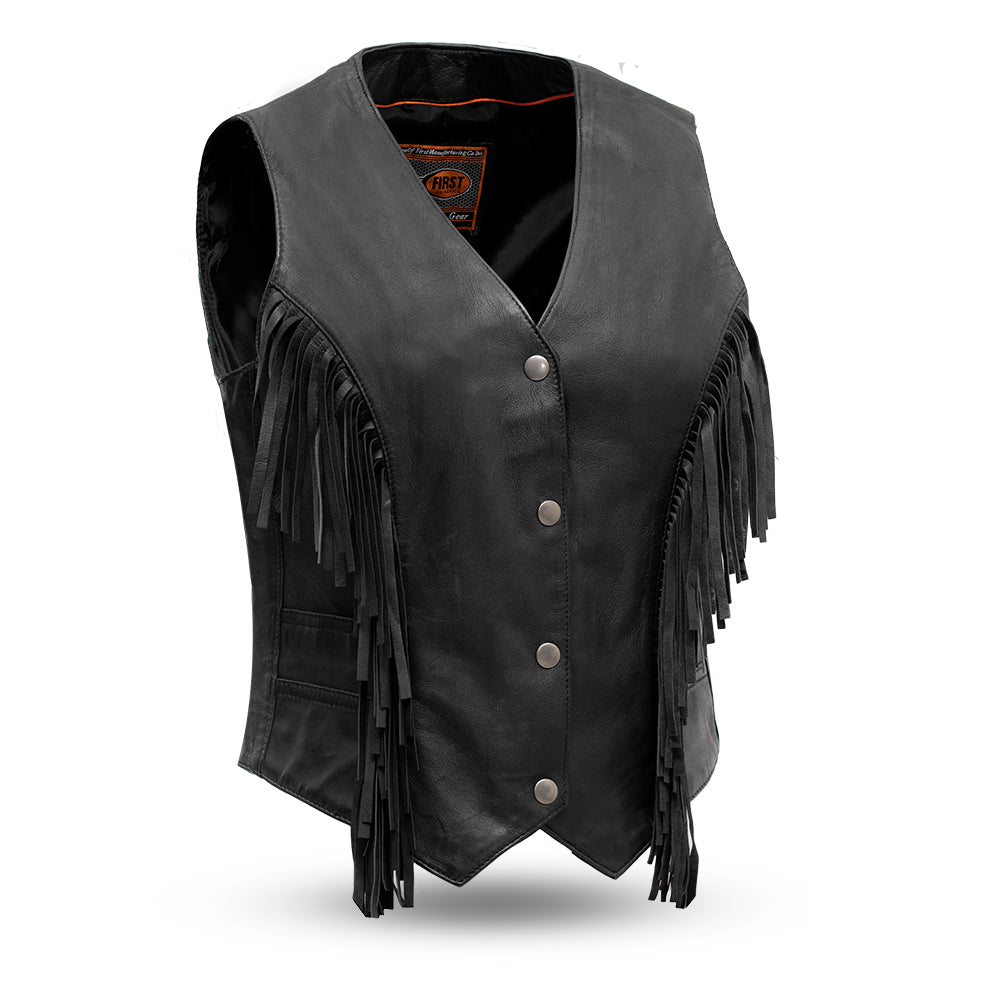
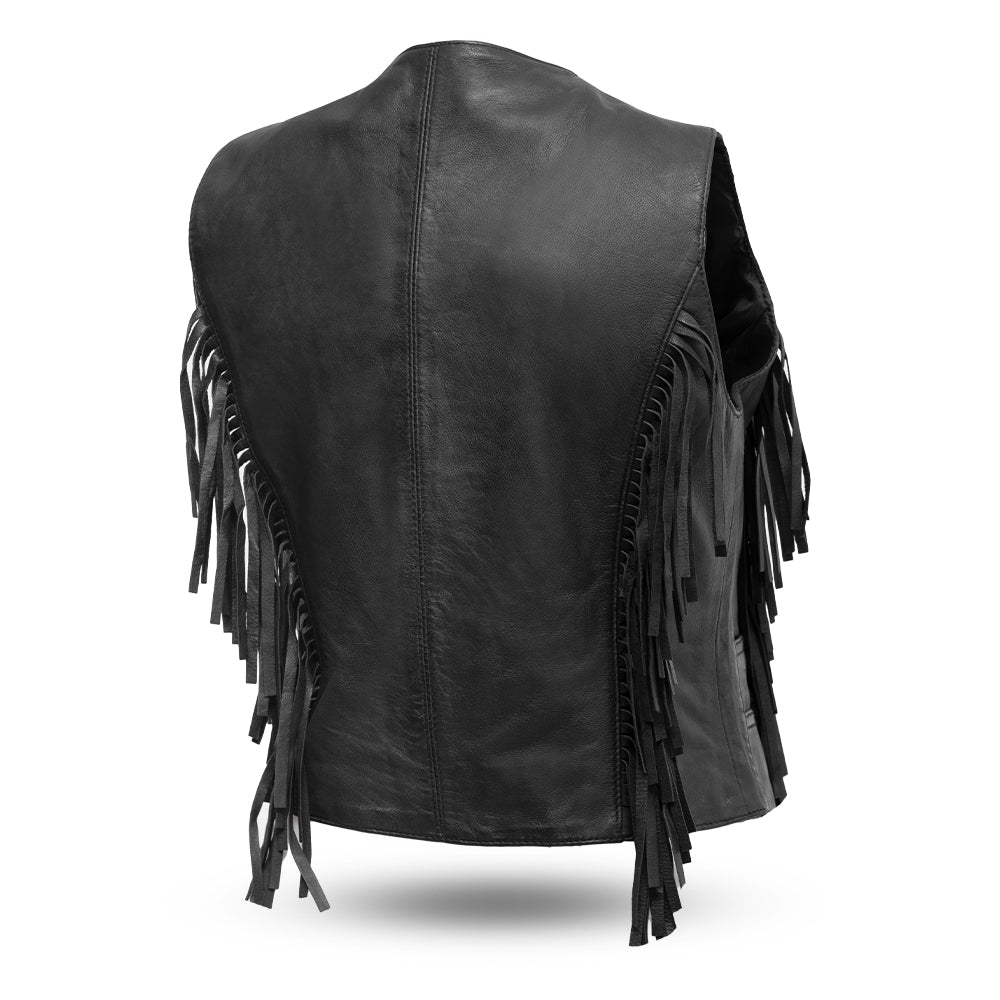
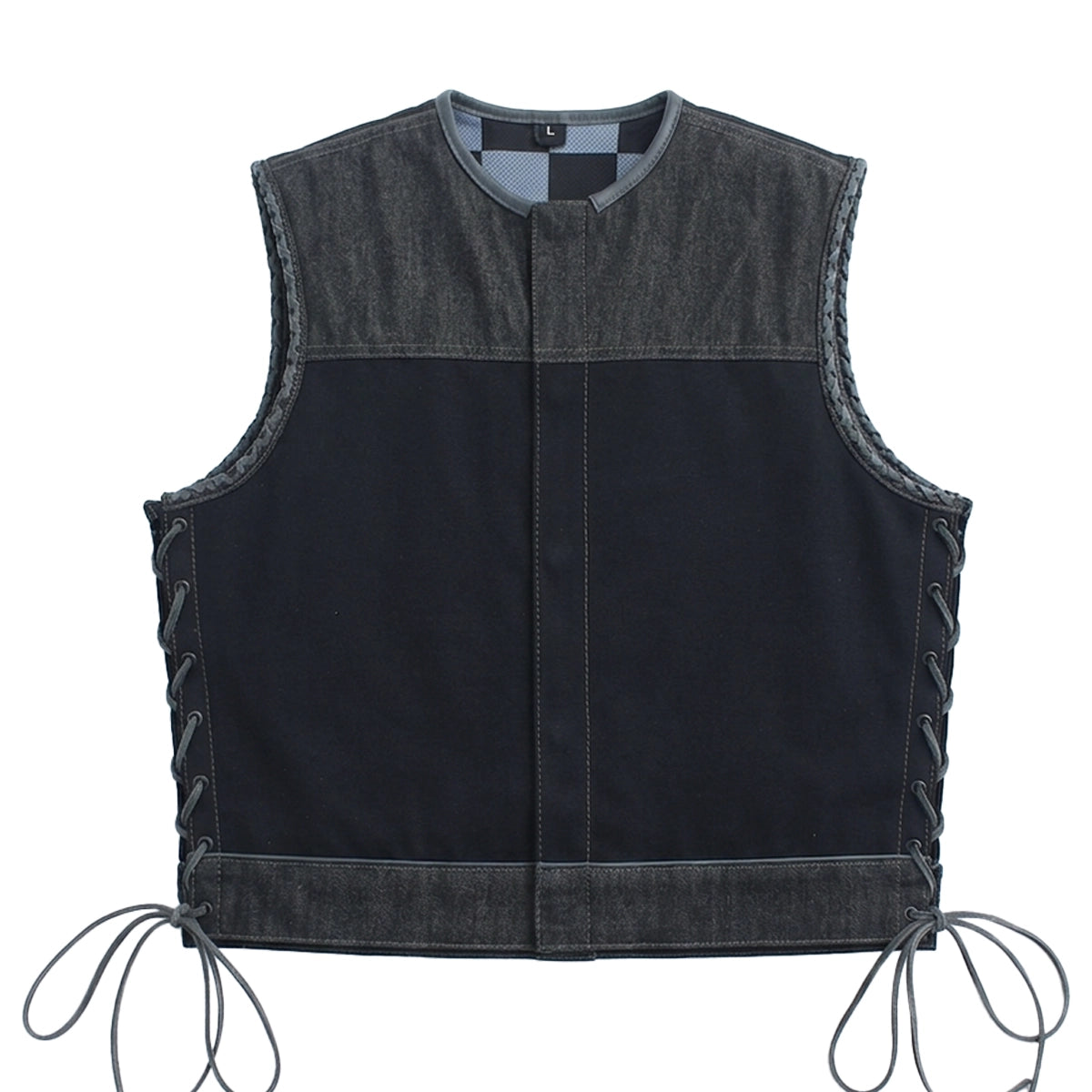
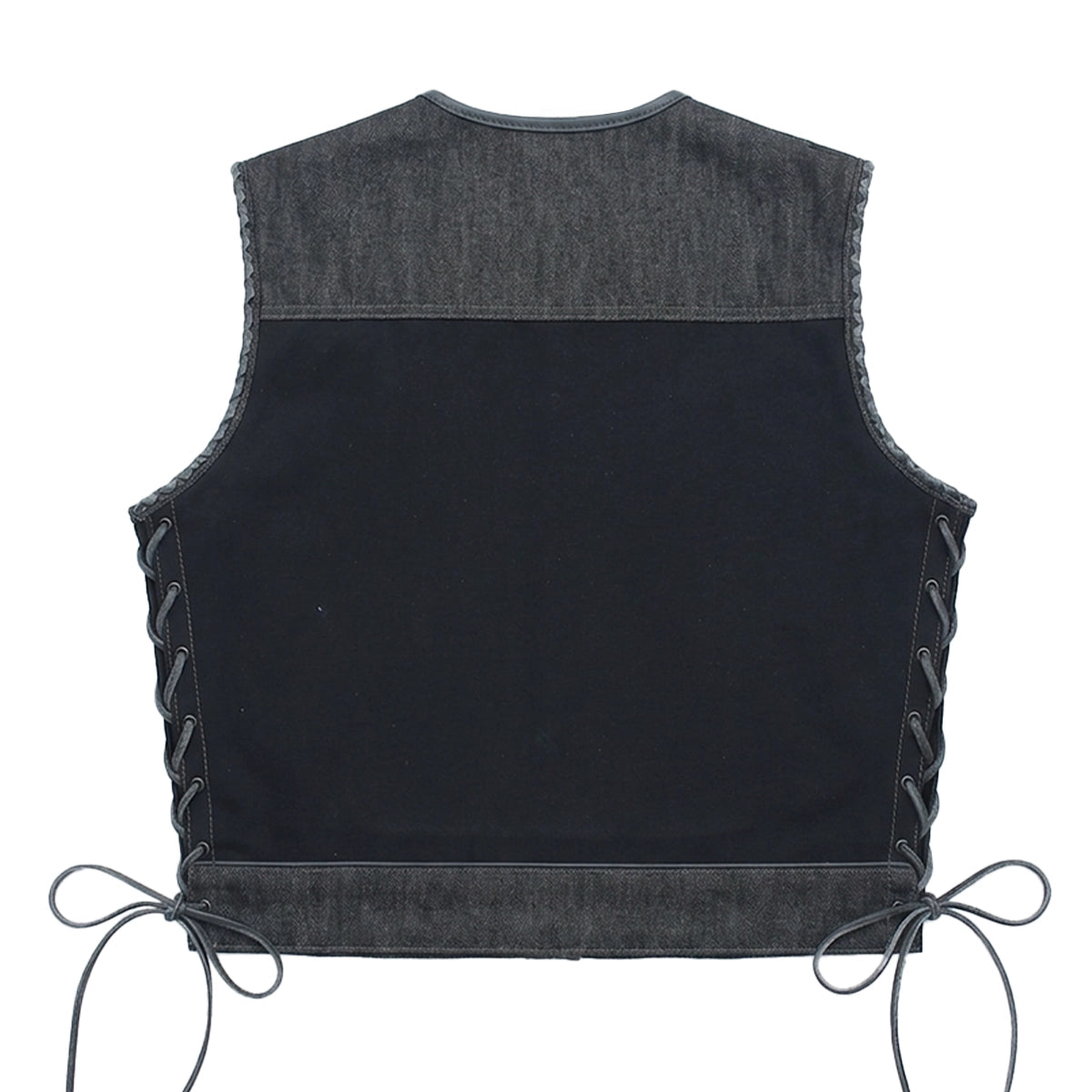
First Mfg Co fabrique des vestes en cuir, des gilets de motard en cuir, des chaps et des équipements de moto pour ce type de conduite depuis le premier jour. C'est un équipement fait pour les motards qui prennent la route au sérieux, conçu pour une protection réelle pendant toute une semaine de rallye, pas des pièces qui se désagrègent après une saison.
Que vous recherchiez une veste de moto en cuir pour homme qui passe des kilomètres sur autoroute aux nuits de rallye sans problème, un gilet qui est devenu une tradition de Sturgis pour des milliers de motards, ou des chaps de moto toujours en service cinq rallyes de Sturgis plus tard, First Mfg Co fait partie de la semaine du rallye depuis longtemps, et cette liste de colisage a été élaborée en pensant précisément à ce type de motard.
Questions fréquemment posées
Que dois-je emporter pour Sturgis si c'est ma première fois ?
Commencez par les incontournables : équipement de moto avec une vraie protection, un ensemble de pluie pour moto, de la crème solaire, de l'argent liquide, l'immatriculation et l'assurance de votre moto, une trousse à outils de base et un kit de réparation de pneus. À partir de là, ajoutez le confort du camping en fonction de l'endroit où vous séjournez. Les débutants ont tendance à trop emballer ou à oublier des éléments de sécurité et mécaniques essentiels, et cette liste couvre les deux.
Comment emballer pour Sturgis avec un espace de rangement limité sur la moto ?
Priorisez dans cet ordre : équipement de sécurité, puis protection contre les intempéries, puis articles de confort. Utilisez des sacs de compression pour les vêtements et montez un sac de réservoir pour les articles d'accès quotidien. Laissez de la place dans vos sacoches pour tout ce que vous ramasserez au rallye.
Qu'est-ce que les motards oublient le plus en faisant leurs valises pour Sturgis ?
Une clé de rechange, suffisamment de crème solaire et un bon équipement de couchage pour les campeurs sous tente sont en tête de liste, ainsi que les petits articles comme les serre-câbles et le ruban adhésif qui ne semblent jamais essentiels jusqu'à ce qu'ils le deviennent.
Que dois-je porter à Sturgis le jour et la nuit ?
Le jour : équipement de moto léger et respirant, une veste en cuir de qualité, un pantalon de moto ou des chaps, des bottes et une protection solaire pour le visage et le cou. La nuit : enfilez un sweat à capuche ou une couche intermédiaire par-dessus votre tenue de jour lorsque les températures baissent pour les salles de concert et les feux de camp. Les balades matinales peuvent être vraiment froides, alors ne quittez pas le camp sans une couche.
Ai-je besoin d'un casque à Sturgis ?
Le Dakota du Sud n'exige pas de casque pour les motards de 18 ans et plus. La protection oculaire, cependant, est exigée par la loi de l'État pour les motards et les passagers. Si vous roulez sans casque, assurez-vous que votre protection oculaire est solide : lentilles claires ou à haute visibilité pour la conduite de nuit, teintées pour le jour.
Quel temps fait-il à Sturgis en août ?
Très variable. Les maximales diurnes atteignent régulièrement 90-95°F en ville et dans les vallées, tandis que les soirées et les matins peuvent descendre à 50°F, surtout en altitude dans les campings. Les orages de l'après-midi sont courants, et la grêle n'est pas rare pendant la semaine du rallye. Un ensemble de pluie, une couche chaude et de la crème solaire couvriront la plupart de ce que le mois d'août dans le Dakota du Sud vous réserve.
Ai-je besoin d'un pass America the Beautiful pour Sturgis ?
Pas pour le rallye lui-même, mais si vous prévoyez de traverser le parc d'État de Custer, de visiter le Mont Rushmore, d'explorer le parc national des Badlands ou de vous rendre à Devils Tower, le pass annuel de 80 $ (gratuit pour les militaires en service actif) est immédiatement rentabilisé, car tous ces sites facturent des frais d'entrée distincts.
Combien de temps à l'avance dois-je réserver un camping pour Sturgis 2026 ?
Le plus tôt possible. Les meilleurs emplacements, en particulier ceux avec toutes les commodités, l'électricité et la proximité du centre-ville de Sturgis, sont réservés des mois à l'avance.
Quel équipement de moto First Mfg Co recommande-t-il pour Sturgis ?
Pour un rallye de dix jours avec de longues journées de conduite et des conditions météorologiques variées sur autoroute et routes de montagne, vous voulez un équipement conçu pour protéger, pas seulement pour avoir l'air bien. Une veste en cuir de qualité avec une doublure appropriée et des épaules et des coudes renforcés, des chaps ou un pantalon de moto en cuir, des bottes robustes et des gants sont la base.