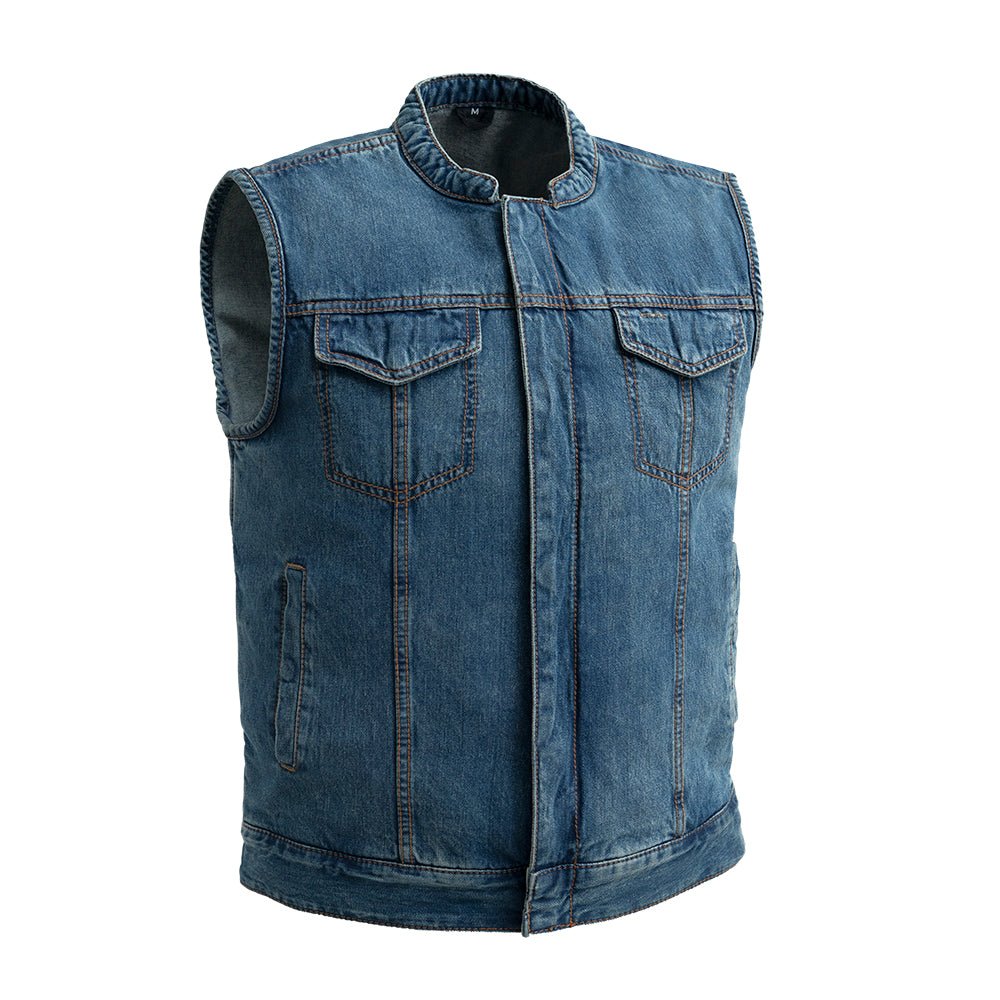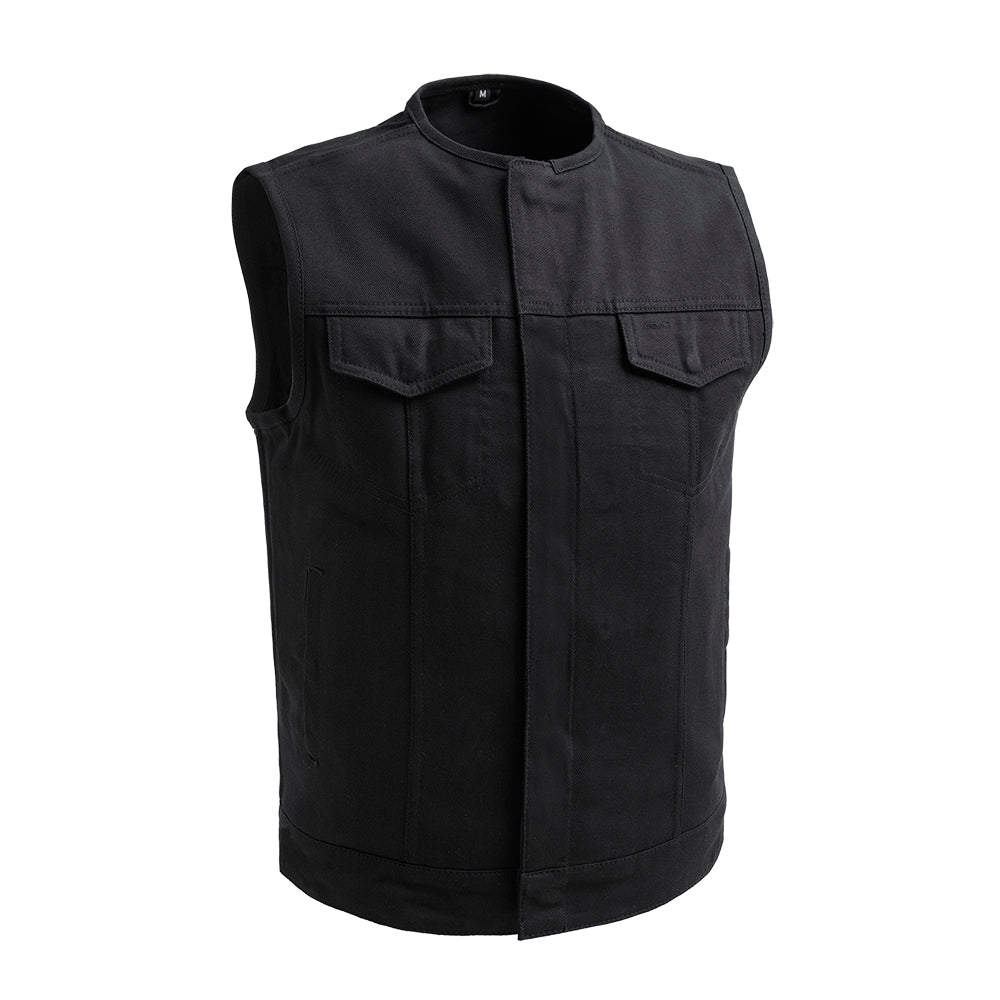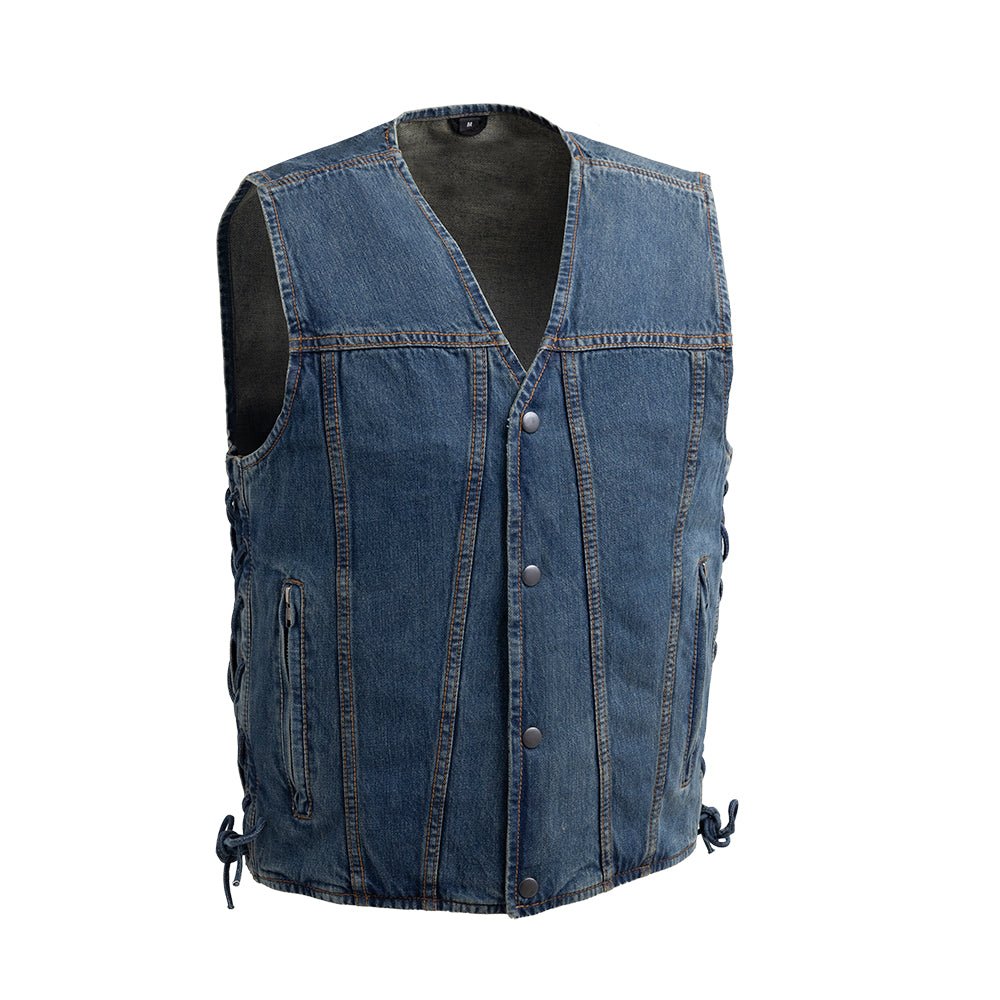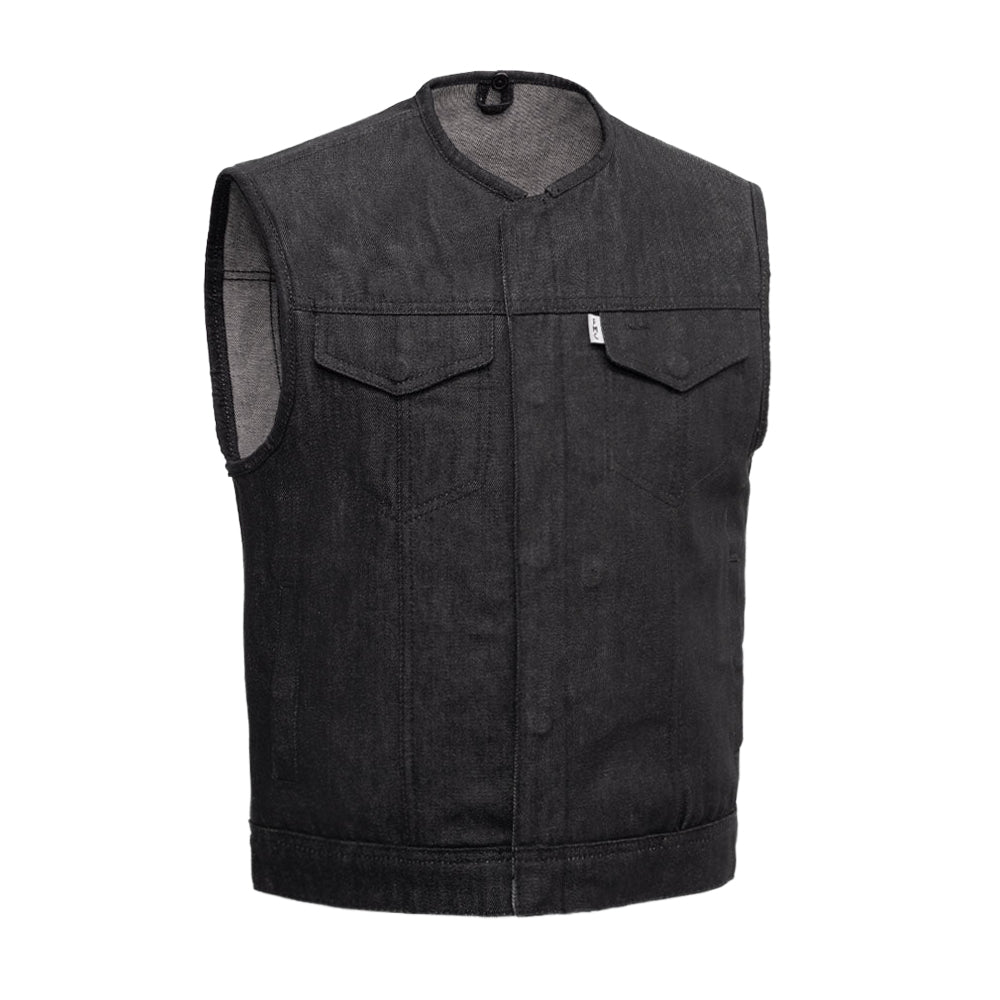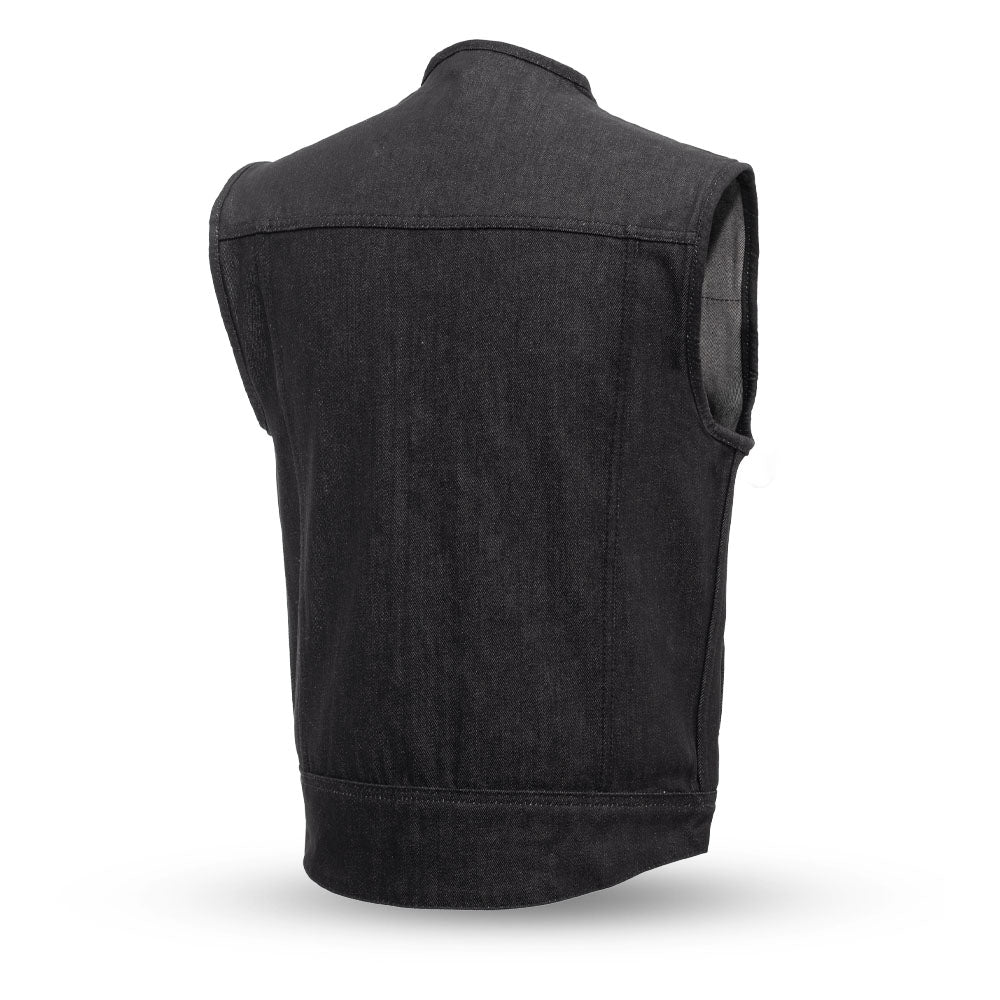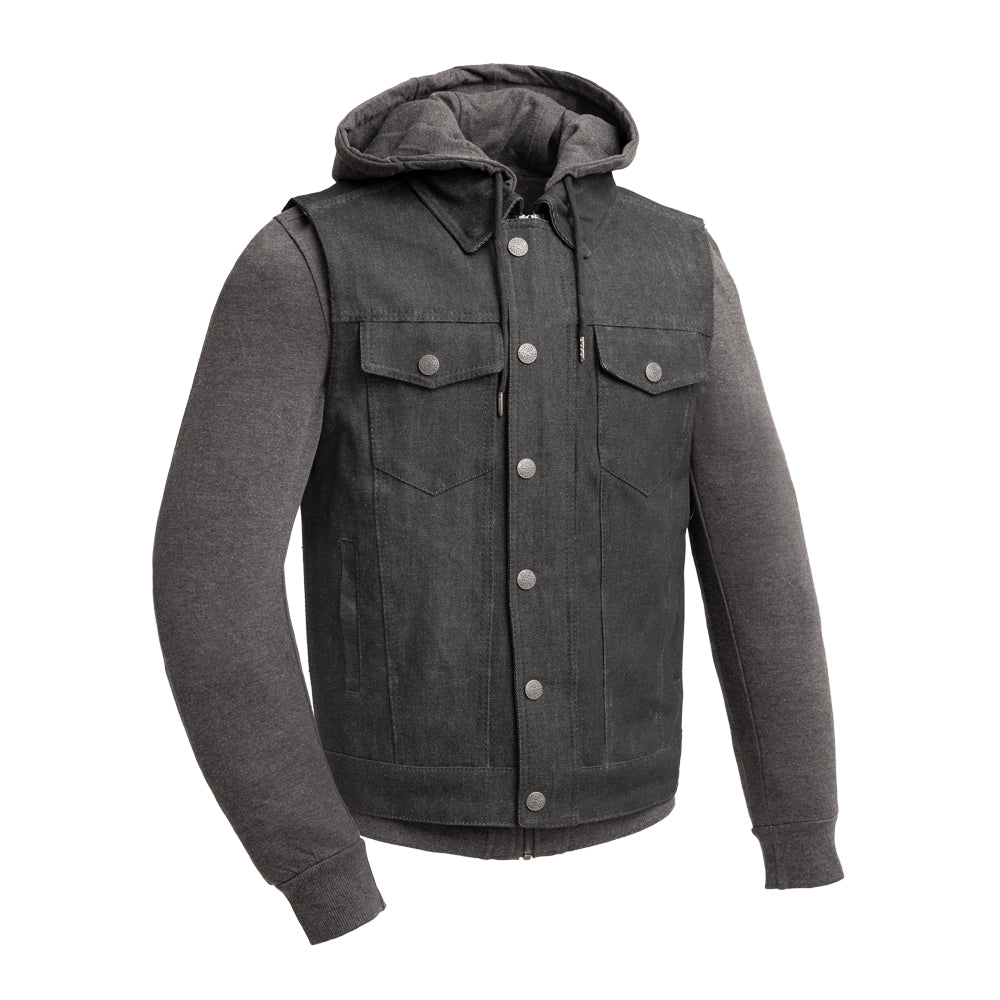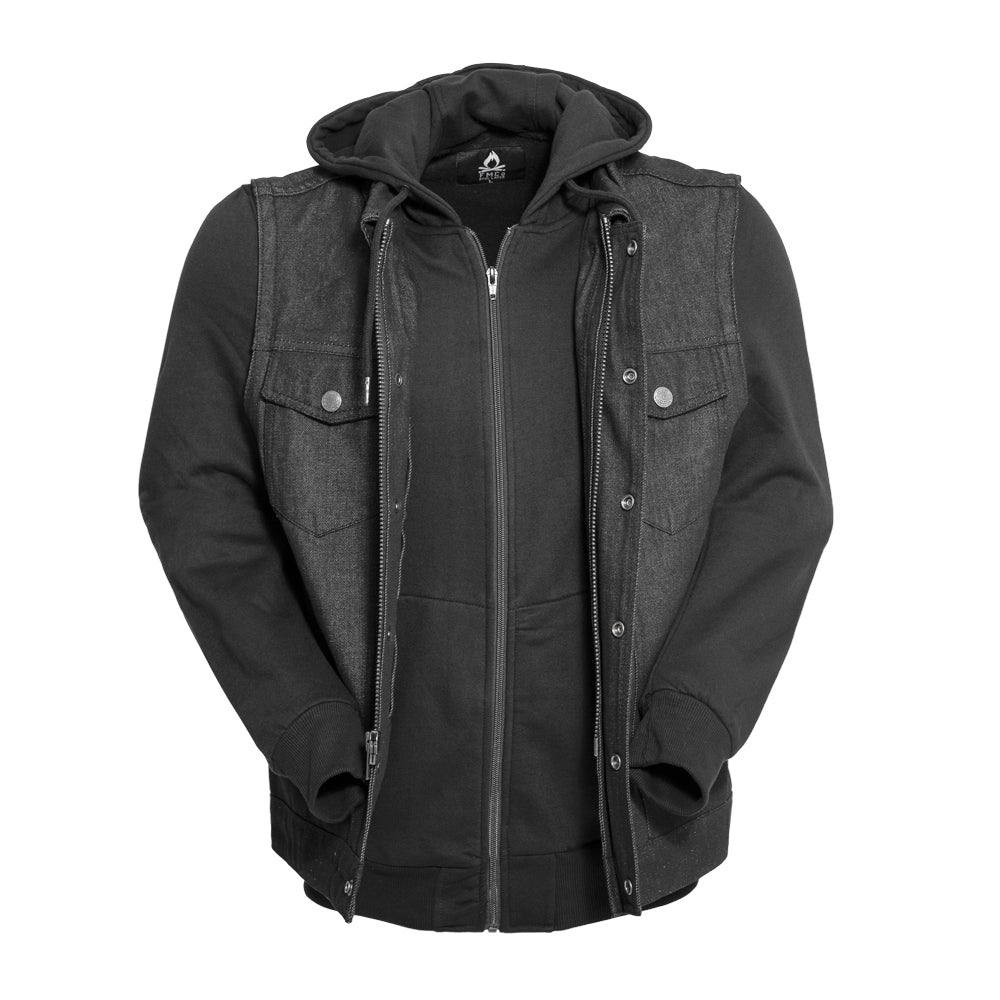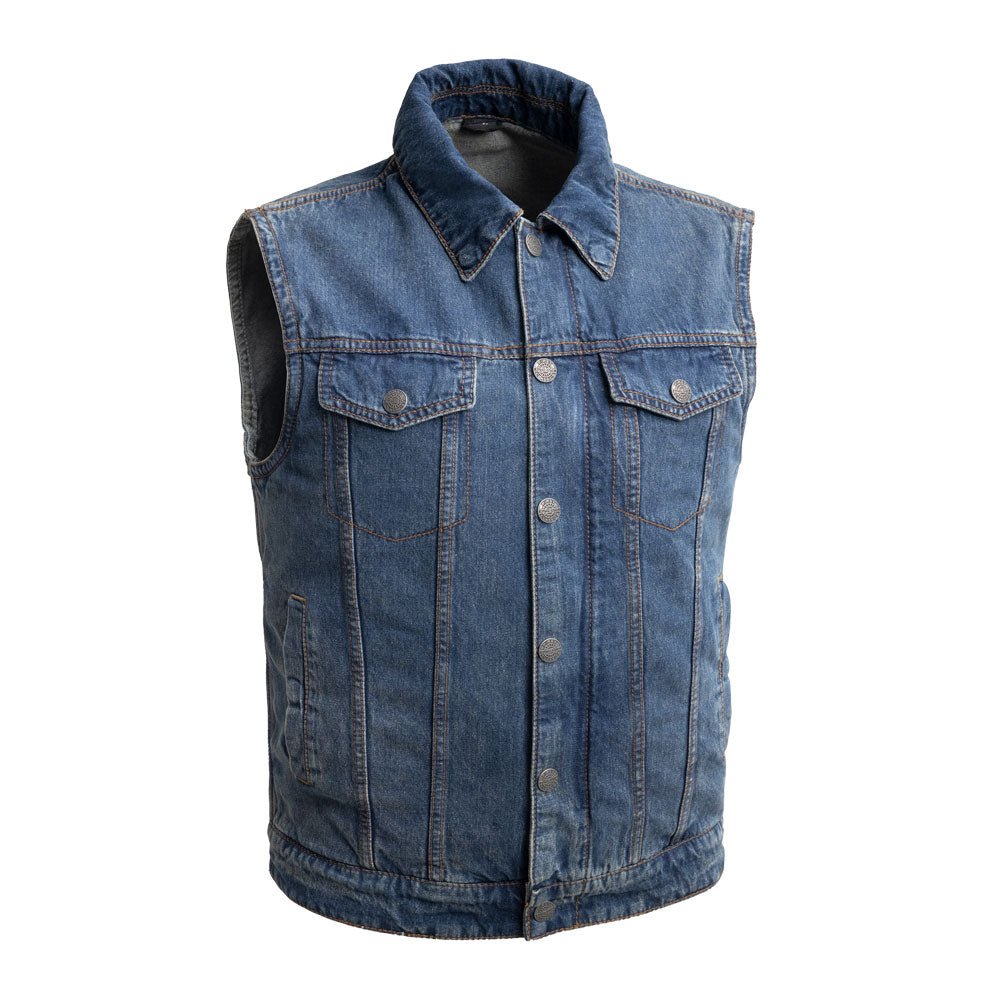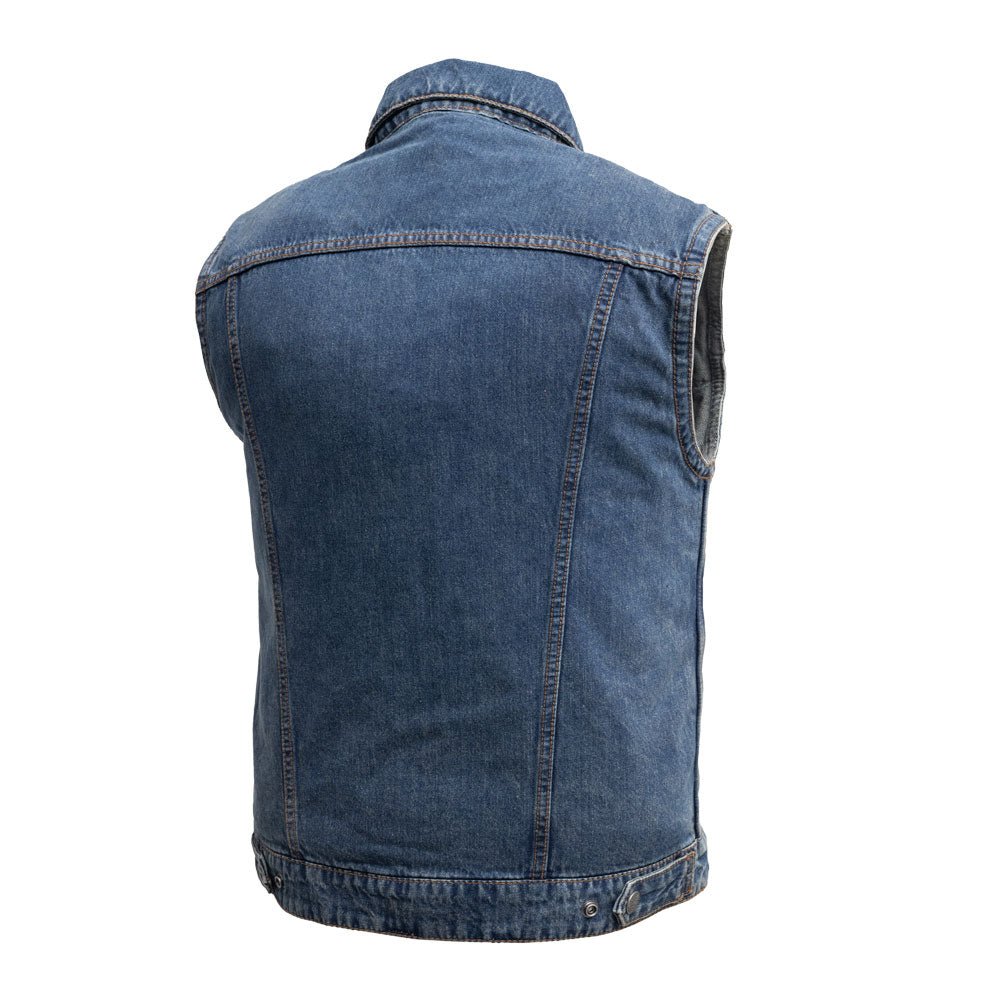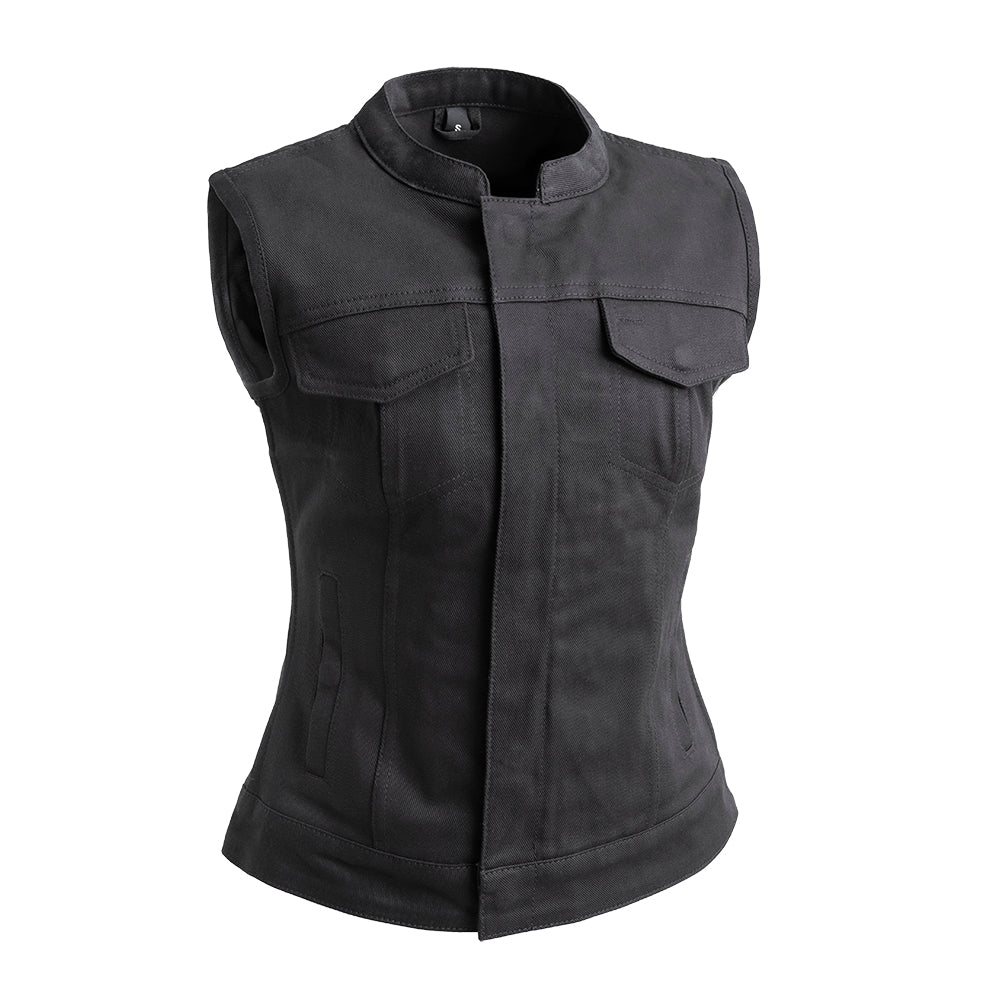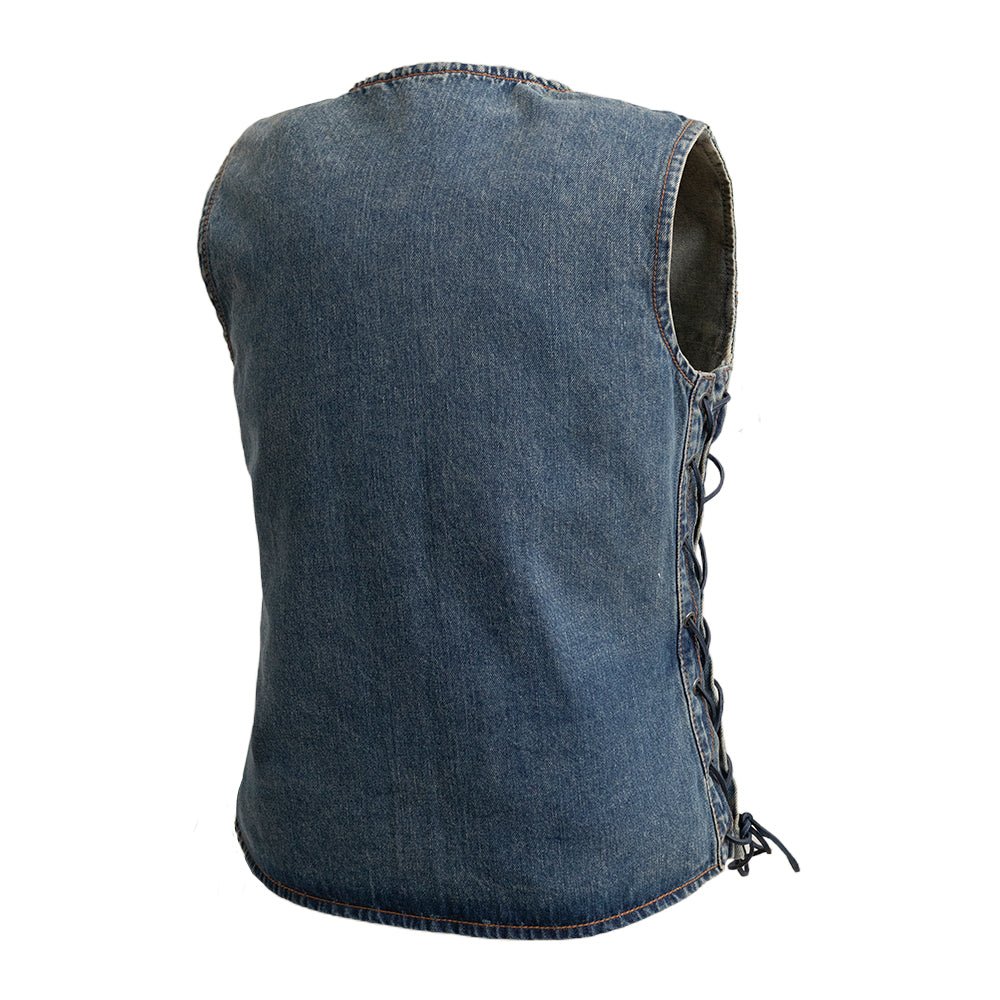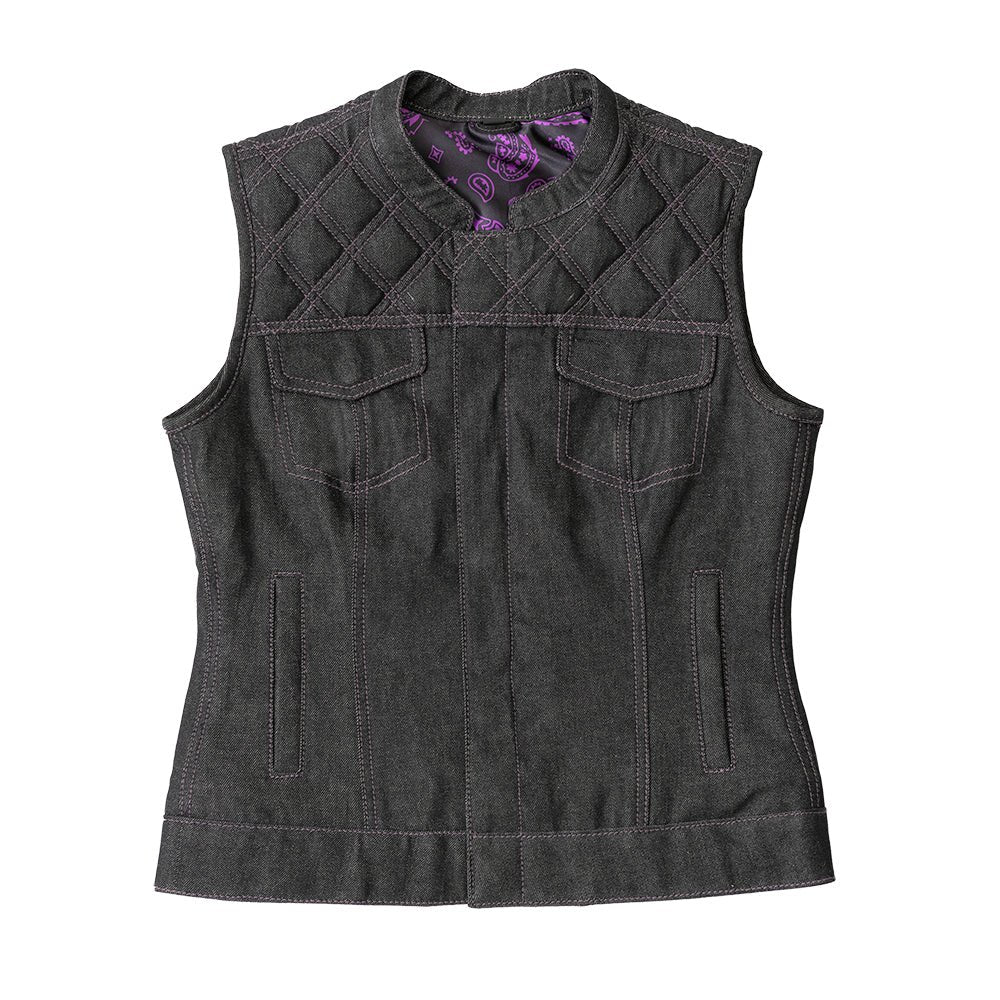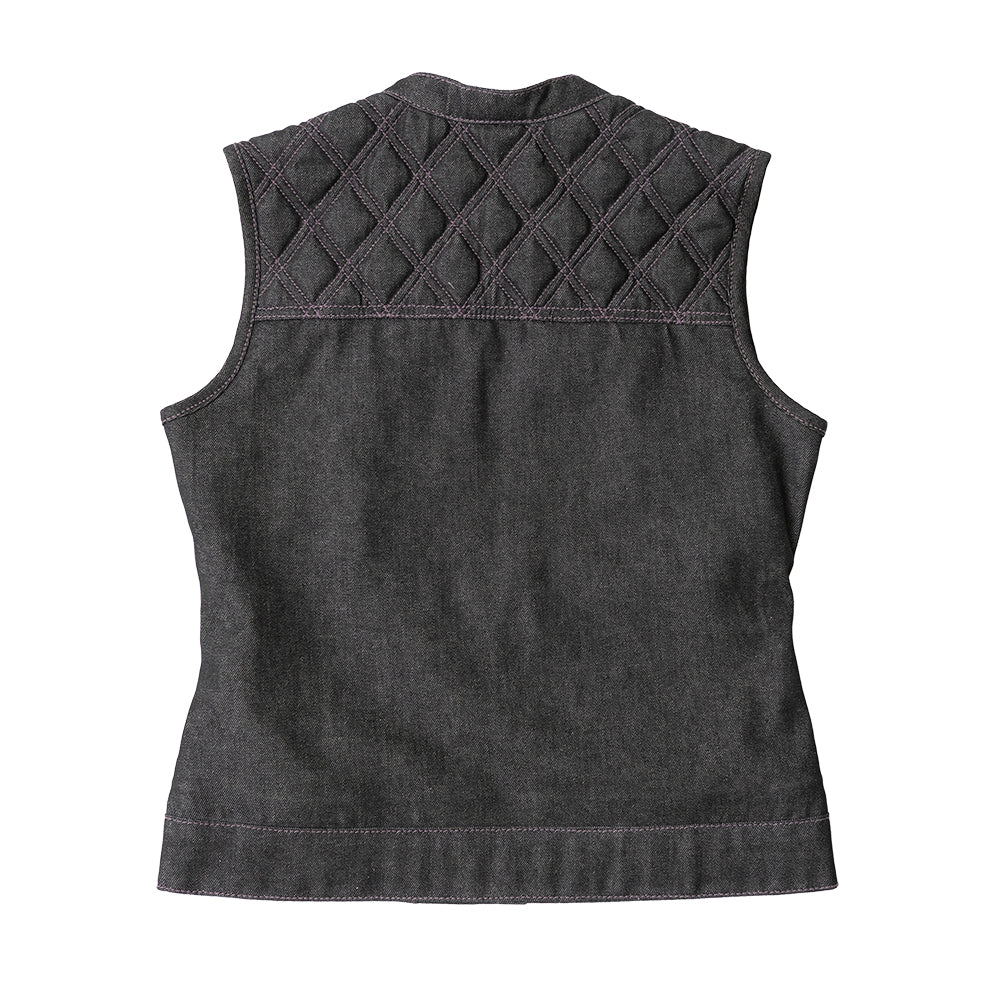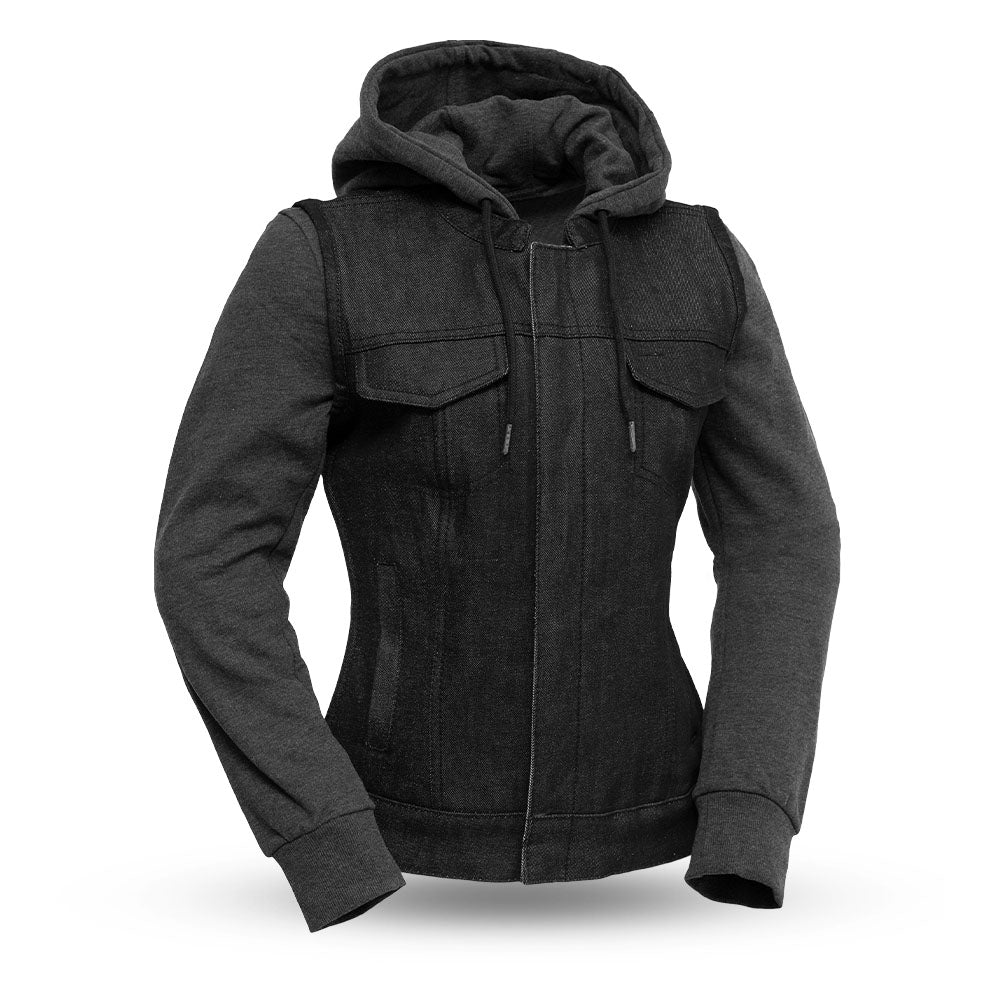
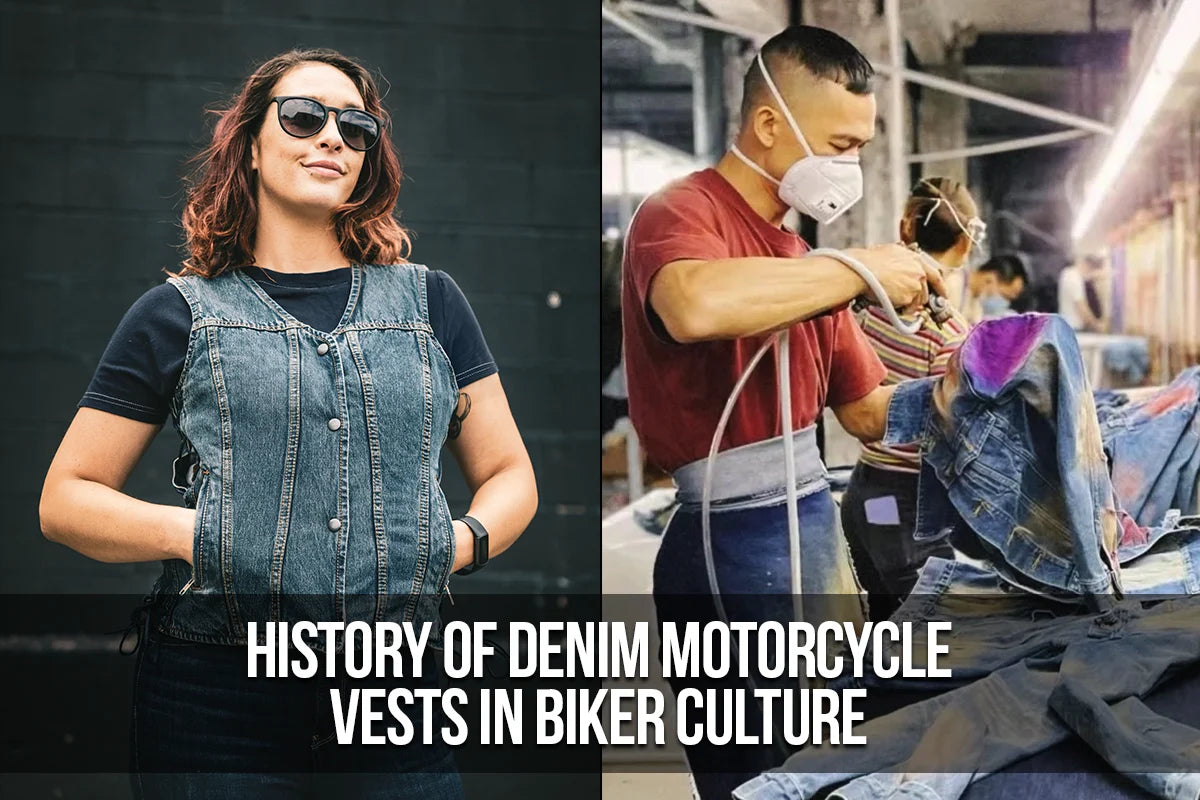
A denim motorcycle vest is a sleeveless riding garment shaped by American workwear, postwar motorcycle clubs, patch culture, and decades of biker identity. Often called a denim biker vest and motorcycle cut, it began as practical clothing but has evolved into one of the most recognizable symbols in riding culture. Today's modern riding vests carry that same legacy by offering riders a lightweight, patch-friendly layer that connects personal expression to classic biker style and modern biker fashion. Let’s explore the details below.
How Denim Became Part of Motorcycle Culture
Denim was never designed for riding, yet it became a staple of the open road almost by accident. Early riders needed tough, affordable clothing that could handle road grime, engine oil, and harsh wind, and denim workwear was already in their closets. Two things explain how it happened: denim’s long history in American workwear, and the absence of specialized riding gear.
Denim's Roots in American Workwear
Denim was the backbone of American workwear. Working-class riders, mechanics, ranchers and factory workers all wore denim daily because of its durability, affordability, and ease of repair. When these same riders / workers climbed onto motorcycles, they simply rode in the clothes they already owned, making denim one of the first fabrics ever worn on two wheels.
From Workwear to Motorcycle Clothing
Denim vests and jeans were durable, easy to find, and could be patched up after a spill, which made them practical for working-class riders who needed gear that worked as hard as they did.
Postwar Origins of the Denim Motorcycle Vest
Looking for relief from summer heat while wearing heavy workwear, riders began cutting the sleeves off their denim vests. This simple DIY modification produced some of the earliest cut-offs, a lightweight, functional riding layer that helped shape early club style. That worn, faded, hand-modified look is exactly why a vintage denim motorcycle vest remains so sought after today.
Returning Veterans and Postwar Motorcycle Clubs
After World War II, returning servicemen brought home a craving for the camaraderie and adrenaline they had experienced overseas. Many found that outlet in motorcycles, forming riding groups and early motorcycle clubs built on brotherhood and shared road miles. These veterans personalized their gear with pins, patches, and hand-painted details, turning practical riding clothing into markers of identity and belonging within postwar motorcycle culture.
Why the Back of the Vest Became So Important
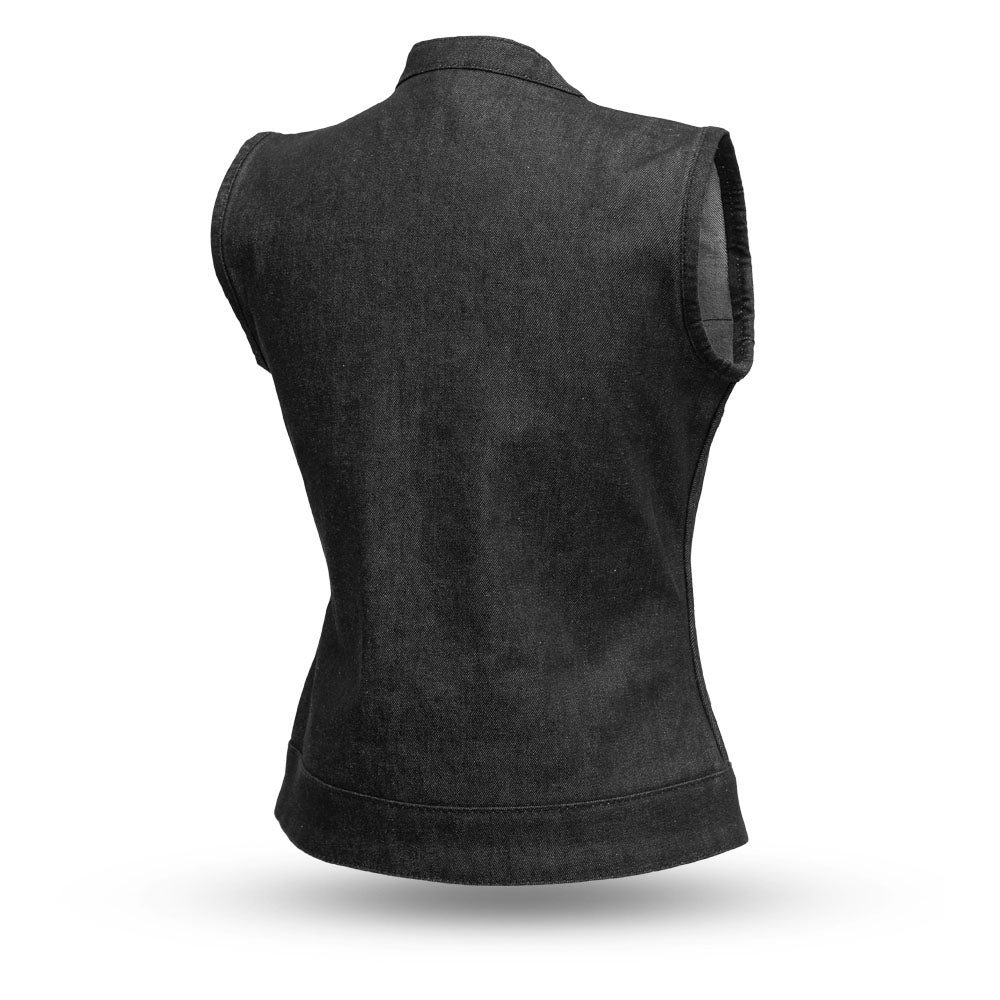
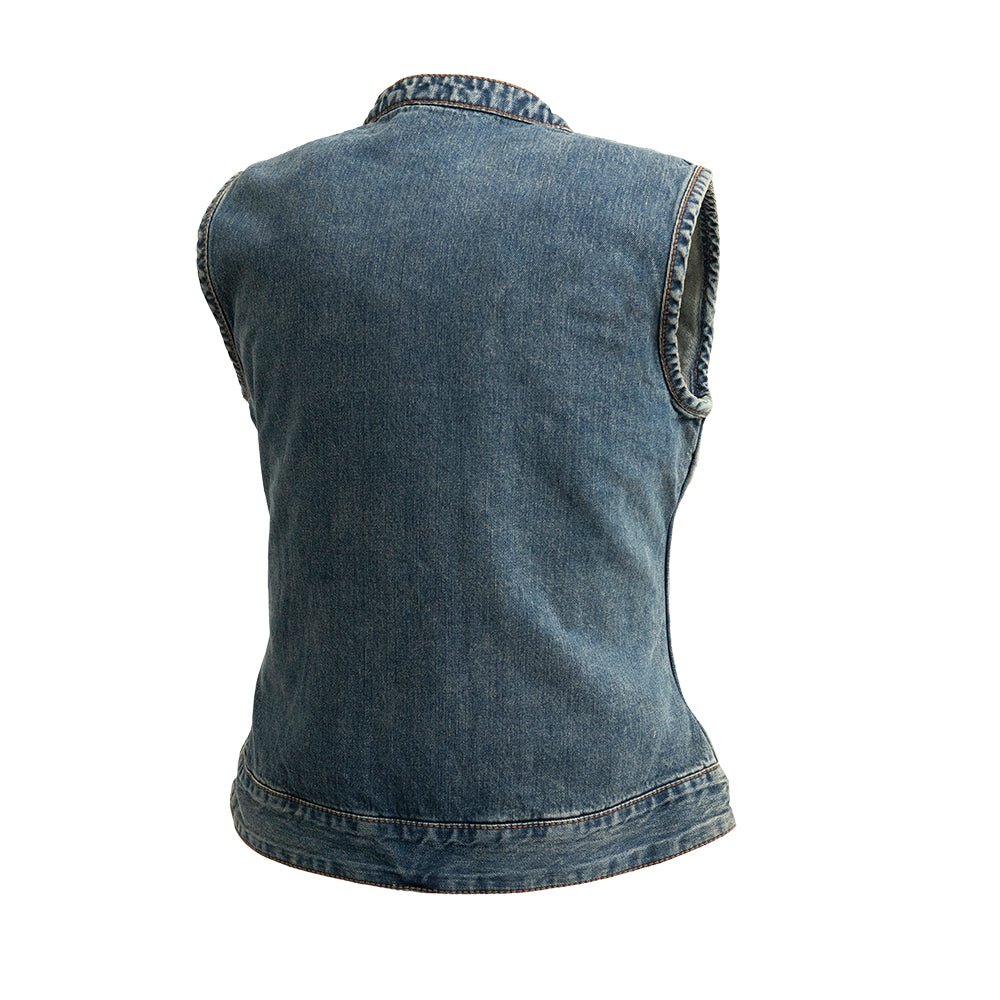
The broad, visible back panel of a denim biker vest became the rider’s most important identity space. A full back offered a clean canvas for club colors, large center emblems, and patch layouts that other riders could read on the highway, showing at a glance who you rode with and where you had been.
How Denim Vests Became Symbols of Biker Identity
In the mid-20th century, the cut-off denim vest became part of the look of motorcycle clubs and rebel youth culture. Films such as The Wild One (1953) and Easy Rider (1969) helped cement the image of the independent rider in the public imagination, and wearing a rugged, sleeveless vest came to signal a commitment to the road and personal freedom.
From Riding Gear to Personal Identity
A denim motorcycle vest quickly became more than a wind layer. Riders covered their vests with rally patches, event patches, memorial patches, pins, embroidery, and road names, turning each vest into a wearable diary of miles ridden, events attended, and brothers remembered. The vest became a powerful statement of club affiliation, personal expression, and rider belonging that spoke louder than words.
History of Motorcycle Club Colors and Patches
Denim’s woven fabric is easier to hand-stitch through than thick leather, which made it a popular backdrop for club patches, especially for casual riding groups and rally-goers. Many traditional clubs, however, favor leather cuts for their durability.
Motorcycle Club Colors and Patches
As riding clubs grew, the denim vest became a canvas for displaying loyalty and history. Members sewed on colors, rocker patches, and custom insignia to show their club and chapter.
Why the Back of the Vest Became the Rider’s Canvas
The broad, visible back panel of a denim biker vest became the rider's most important identity space. A full panel back offered a clean canvas for club colors, large center emblems, and patch layouts that could be read by other riders on the highway, turning the back of every vest into a rolling declaration of who you rode with and where you had been.
Three Piece Patch Layout
The most recognized patch arrangement in biker culture is the three-piece layout: a top rocker (usually the club name), a center emblem, and a bottom rocker (often the territory or chapter). These layouts carry deep meaning and strict etiquette.
In traditional club culture, a three-piece back signals full membership in a specific club, and the bottom rocker can claim territory. A “1%” patch is associated with outlaw clubs. Wearing these without earning them is considered disrespectful and can lead to serious confrontations. If you’re not a club member, avoid copying established club insignia, territorial rockers, or three-piece designs, and choose personal, memorial, or event patches instead. A custom denim biker vest with your own rally, memorial, and personal patches is the respectful way to make it yours.
How Denim Biker Vests Evolved Through the Decades
From the hand-cut, frayed cut-offs of the postwar years to the structured club vests of today, this garment has constantly adapted to changing trends. The 1960s brought cut-offs into the wider public eye, and the 1980s saw the style cross into the punk and heavy metal scenes as custom battle vests.
-
1940s: Postwar veterans formed riding groups, wearing workwear and cut-off jackets as practical riding gear on surplus motorcycles.
-
1950s: Biker identity sharpened through club patches, denim and leather styling, and a growing rebel image fueled by Hollywood films and media fascination.
-
1960s: Counterculture movements and pop culture made the denim cut a recognizable symbol of rebellion, freedom, and anti-establishment attitude.
-
1970s: Leather grew more dominant in biker fashion for its superior road protection, but denim remained essential for patches and warm-weather riding comfort.
-
1980s–1990s: Club style became firmly established with recognizable silhouettes, while raw denim vest and washed denim vest styles surfaced in punk, rock, and streetwear scenes.
-
2000s–Today: Purpose-built denim motorcycle vests arrived featuring heavyweight denim, riding-specific fits, patch-friendly backs, improved pockets, denim and leather hybrid construction for modern riders.
Denim vs Leather in Biker Culture
Denim and leather served different roles from the very beginning of motorcycle culture. Leather offered superior abrasion resistance, wind resistance, and heavy-duty durability for serious highway riding.
On the other hand, denim provided lightweight comfort, breathability, and a patch-friendly surface that was far easier to customize and maintain at home. Leather became the go-to for riders prioritizing maximum protection on long-distance tours, but denim never disappeared because it filled a need that leather simply could not: affordable, breathable, easy-to-personalize identity gear for casual riding, warm-weather miles, and weekend rallies. To see how it performs in extreme conditions, read how denim motorcycle vests handle hot and humid weather.
What Makes a Modern Denim Motorcycle Vest Different?
A denim vest is style and comfort gear, not protective gear. It offers little abrasion or impact protection, and it won’t replace a helmet, gloves, boots, or a CE-rated motorcycle jacket. If you ride at speed, wear a vest over proper protective gear rather than instead of it.
Heavyweight Denim
A quality heavyweight denim motorcycle vest uses 12 oz to 14 oz raw or rigid denim. This thick fabric holds its shape at highway speeds and stands up to years of daily wear. To keep it that way, and to protect your sewn-on patches, follow our guide on how to wash, clean and care for a denim motorcycle vest.
Motorcycle-Specific Fit
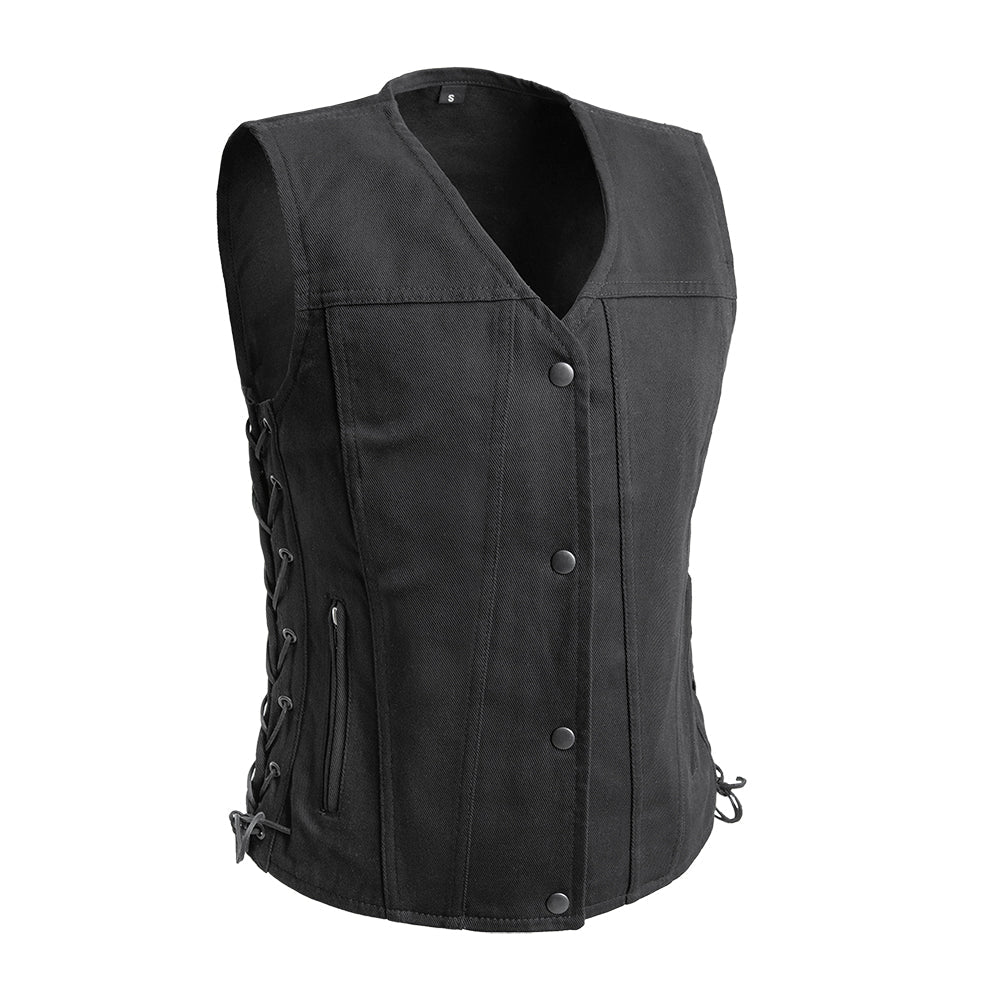
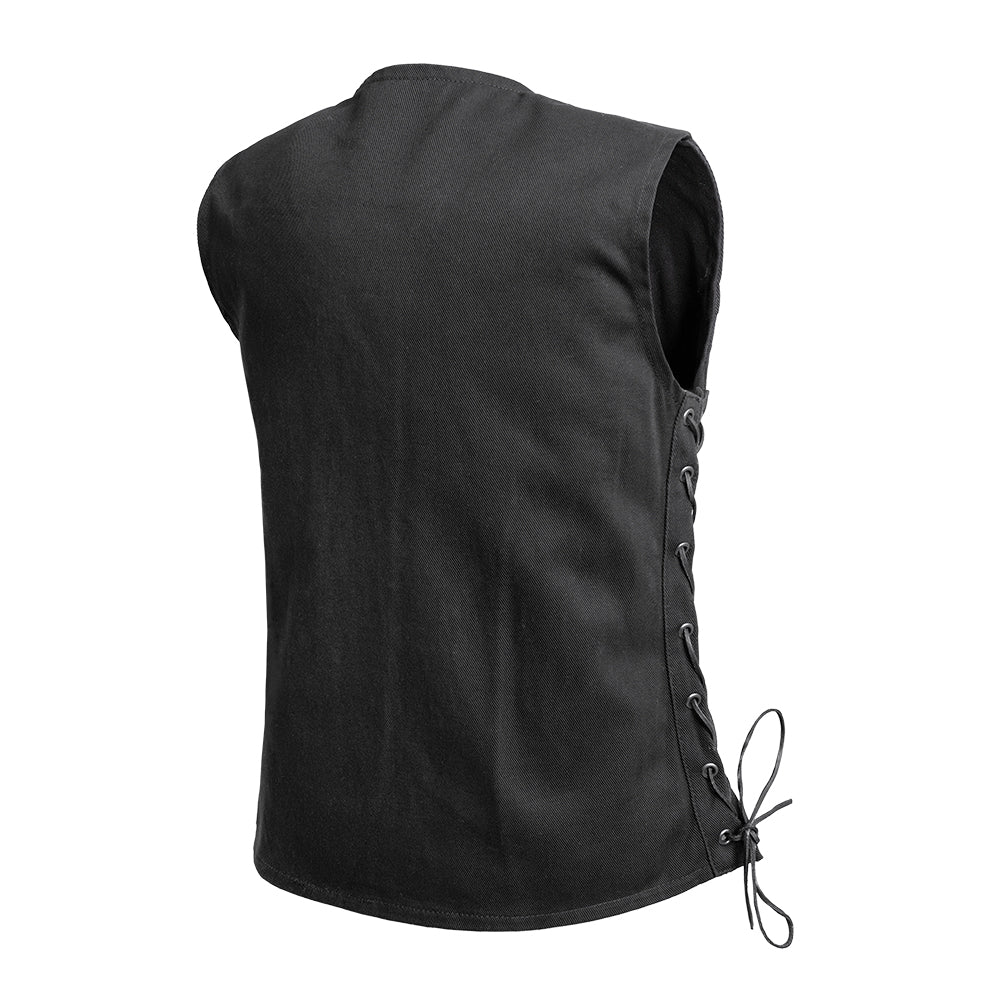
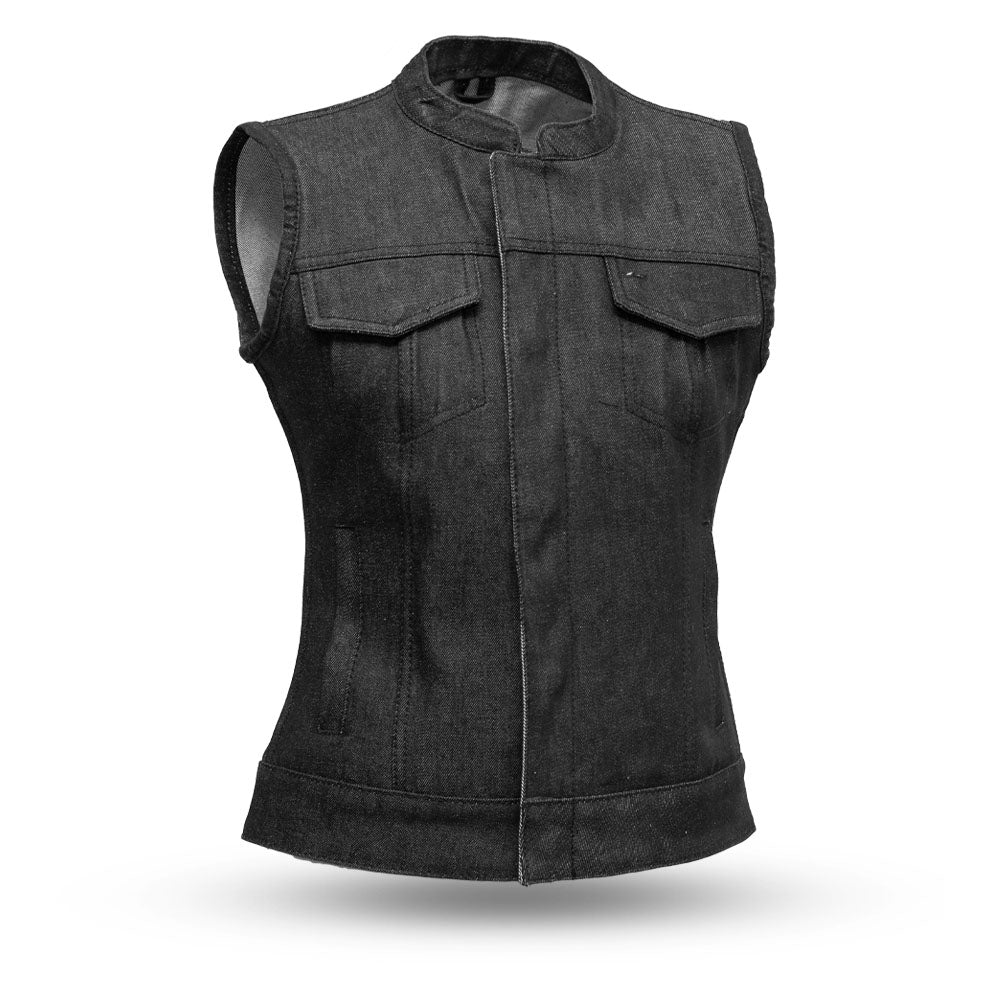
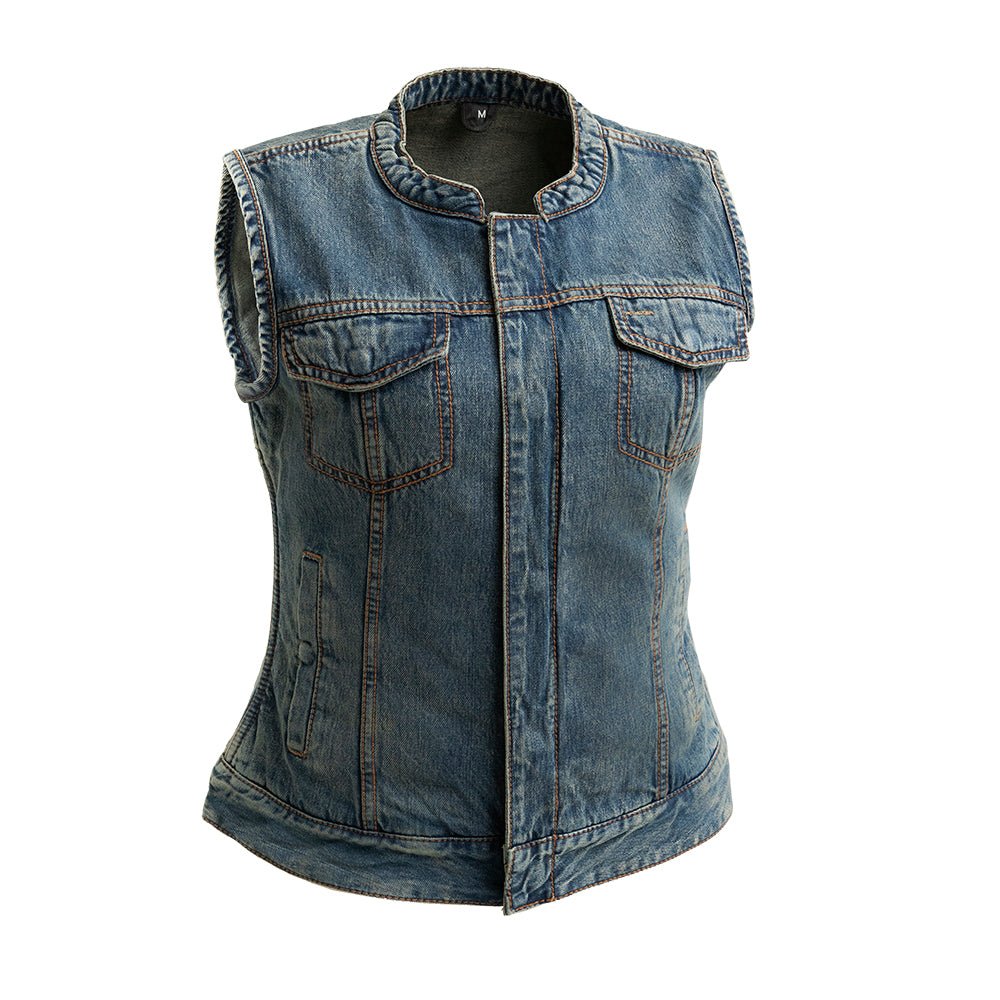
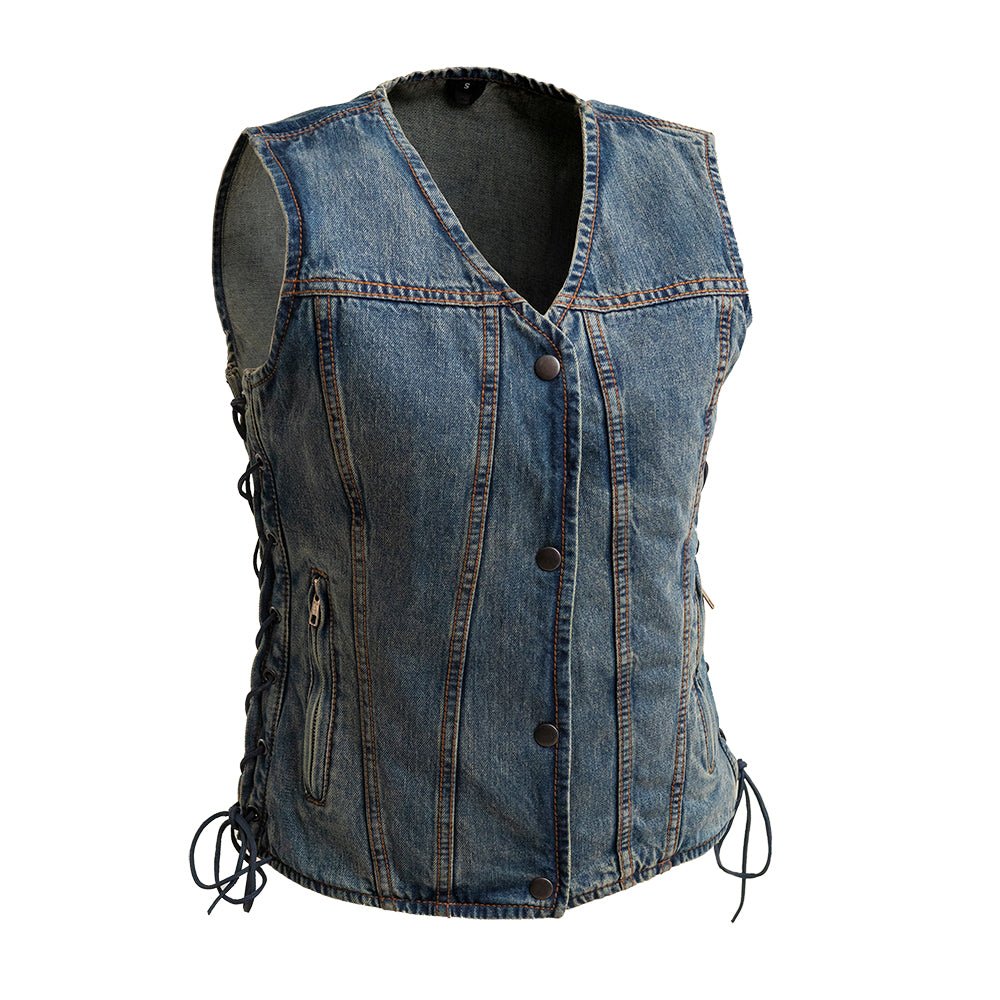
The cut is tailored for a seated riding posture. It features a cropped center length to stop the vest from bunching up in your lap, alongside shaped armholes that ensure a comfortable reach to the handlebars. A mens denim motorcycle vest is typically built with a straight, roomy cut through the chest and shoulders to fit over layers, while a womens denim motorcycle vest is usually shaped with a more tailored waist and fit so it sits comfortably on the bike without bunching.
Patch-Friendly Back Panels
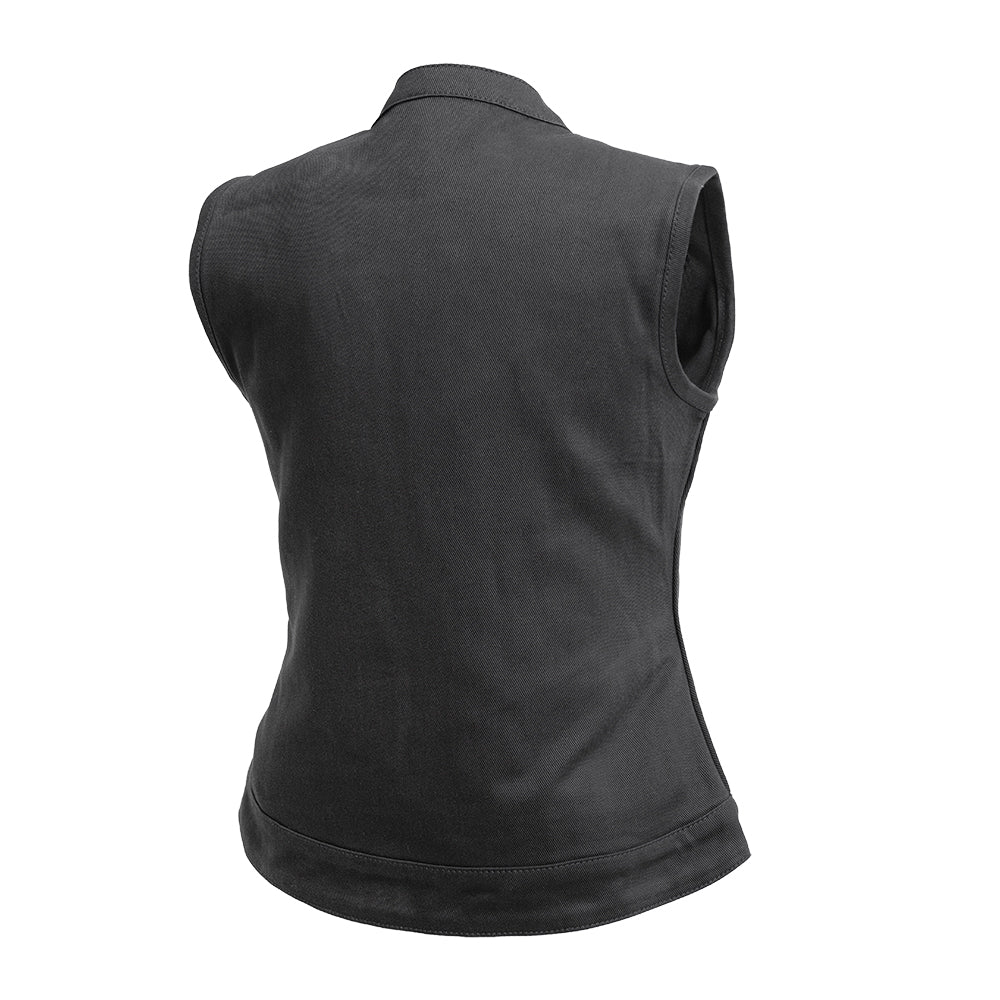
Unlike the original cut-offs, which had seams and stitching left over from the jacket’s sleeves and yoke, a purpose-built denim motorcycle vest is manufactured with a single, seamless back panel. With no middle seams or decorative stitching in the way, you get a flat, clean canvas for club colors or custom artwork.
Functional Riding Pockets
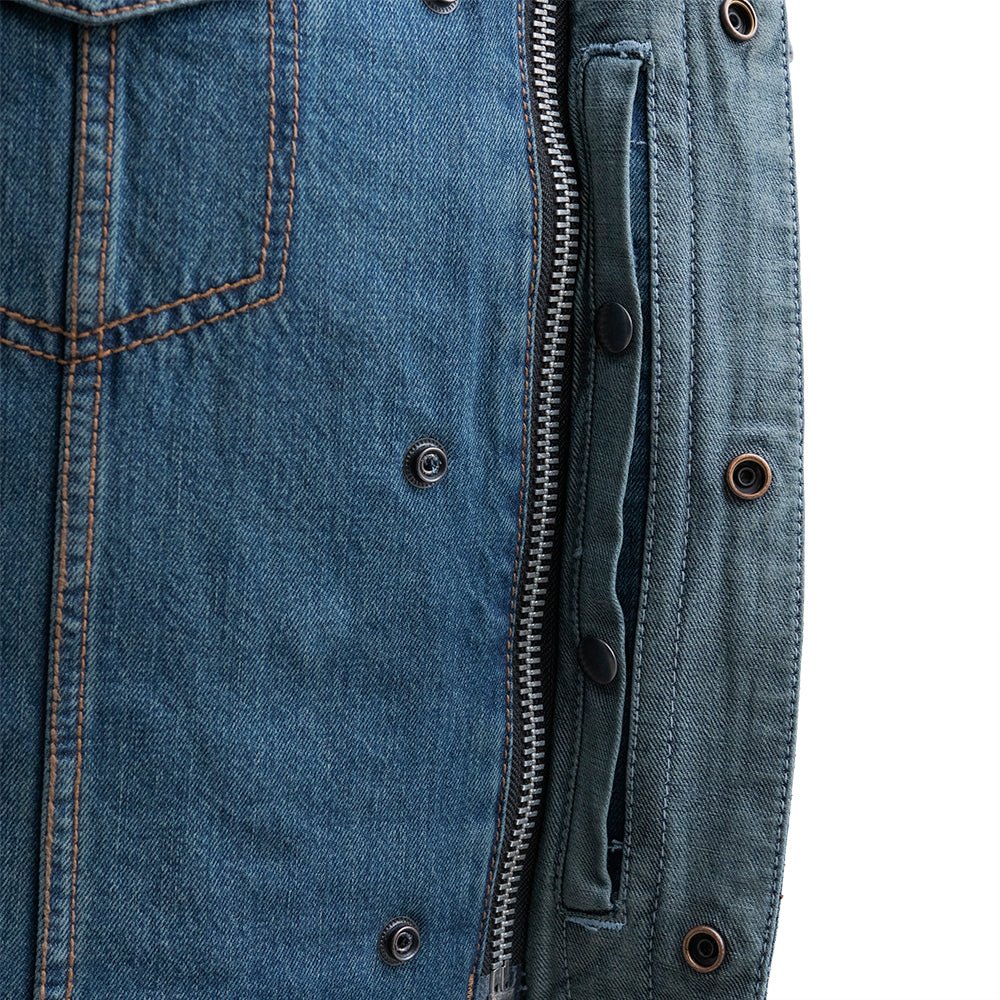
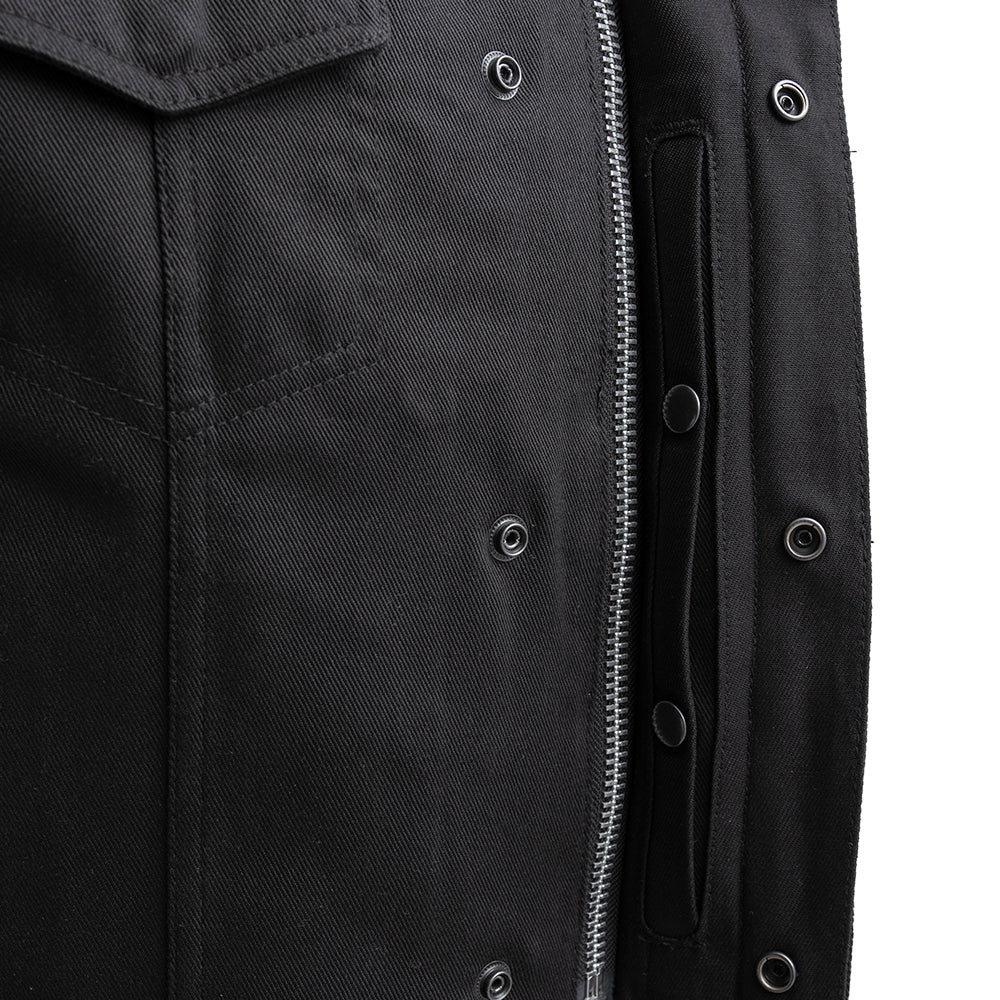
Storage is built for use on the bike:
-
Secure snap chest pockets
-
Deep side slash pockets
-
Interior slash pockets
-
Concealed-carry pockets (where legal)
Quality Zippers and Snaps
Many club-style vests close with heavy-duty snaps, while others use YKK metal zippers. A shorter, cropped front hem helps keep hardware away from your tank when you lean forward, but check the fit and hardware placement on your own bike.
Layering-Friendly Design
The classic club-style construction is proportioned to adapt to any weather. It fits cleanly over a simple T-shirt in the summer heat, or layers comfortably over a heavy hoodie or riding jacket when temperatures drop. If you want outfit ideas, see our guide on how to style a denim motorcycle vest for combinations that work on and off the bike.
Denim and Leather Hybrid Construction
Hybrid designs combine a rugged 14 oz raw denim body with premium leather on the shoulders, collar, or trim. This layout gives you the lightweight comfort and easy patchability of denim alongside the added structure and durability of leather.
Denim Motorcycle Vest vs Regular Denim Vest
|
Feature |
Motorcycle Denim Vest |
Regular Denim Vest |
|
Denim weight |
Often heavier (12–14 oz) |
Varies |
|
Fit |
Designed for seated riding |
Fashion-oriented fit |
|
Back panel |
Often patch-friendly |
Varies |
|
Pockets |
Riding-focused |
Basic |
|
Closures |
Heavy-duty |
Standard |
|
Styling |
Purpose-built biker look |
General fashion |
|
Best use |
Riding, rallies, patch display |
Casual everyday wear |
Are Denim Motorcycle Vests Still Worth It Today?
Yes. Denim motorcycle vests are worth it for riders who want lightweight comfort, warm-weather riding gear, easy layering, patch-friendly construction, and classic biker style that works both on and off the bike.
Best for: warm-weather riders, cruiser riders, patch wearers, casual motorcycle use, and riders who layer frequently over hoodies or flannels.
The Lasting Legacy of Denim in Biker Culture
From American workwear roots to postwar riding groups, cut-off jackets, motorcycle cuts, club colors, and modern functional design denim motorcycle vests, denim has never left biker culture. It endures because it gives riders something no other garment can: a lightweight, patch ready canvas that carries personal identity, road stories, and a visible connection to decades of authentic motorcycle history.
Final Thoughts
The denim motorcycle vest has come a long way from the sleeves-off workwear of postwar riders. It began as a practical answer to summer heat and grew into a lasting symbol of brotherhood, freedom, and personal identity. Today’s purpose-built designs keep that heritage alive with heavyweight denim, riding-focused fits, seamless patch-ready backs, and smart pockets.
Remember that a vest is style and comfort gear, so pair it with proper protective equipment when you ride. Whether you collect rally patches or honor lost friends, First MFG Co offers denim motorcycle vests built to carry your story. Choose yours, make it your own, and ride with pride.
FAQs
When did denim become popular with motorcyclists?
Denim workwear was worn by riders from the earliest days of motorcycling, simply because it was what working people already owned. The vest took shape later, in the postwar years of the late 1940s and 1950s, when veterans and club riders began cutting the sleeves off their jackets.
Why do bikers still wear denim motorcycle vests?
For lightweight comfort, warm-weather breathability, easy layering, patch-friendly backs, and a classic biker silhouette that connects modern riders to decades of riding heritage.
What makes a denim motorcycle vest different from a regular vest?
Heavier denim (12 to 14 oz), a riding-specific fit for seated posture, patch-friendly full panel backs, heavy-duty closures like YKK zippers and snap closures, and functional riding pockets.
Is denim better than leather for motorcycle vests?
Denim is lighter, more breathable, and easier to patch. Leather offers stronger abrasion resistance and wind blocking. The best choice depends on your riding style, climate, and personal priorities.